Fossil Collection Search
Check out our collection! Filter through time period and other categories and click on entries to learn more about them.
Check out our collection! Filter through time period and other categories and click on entries to learn more about them.
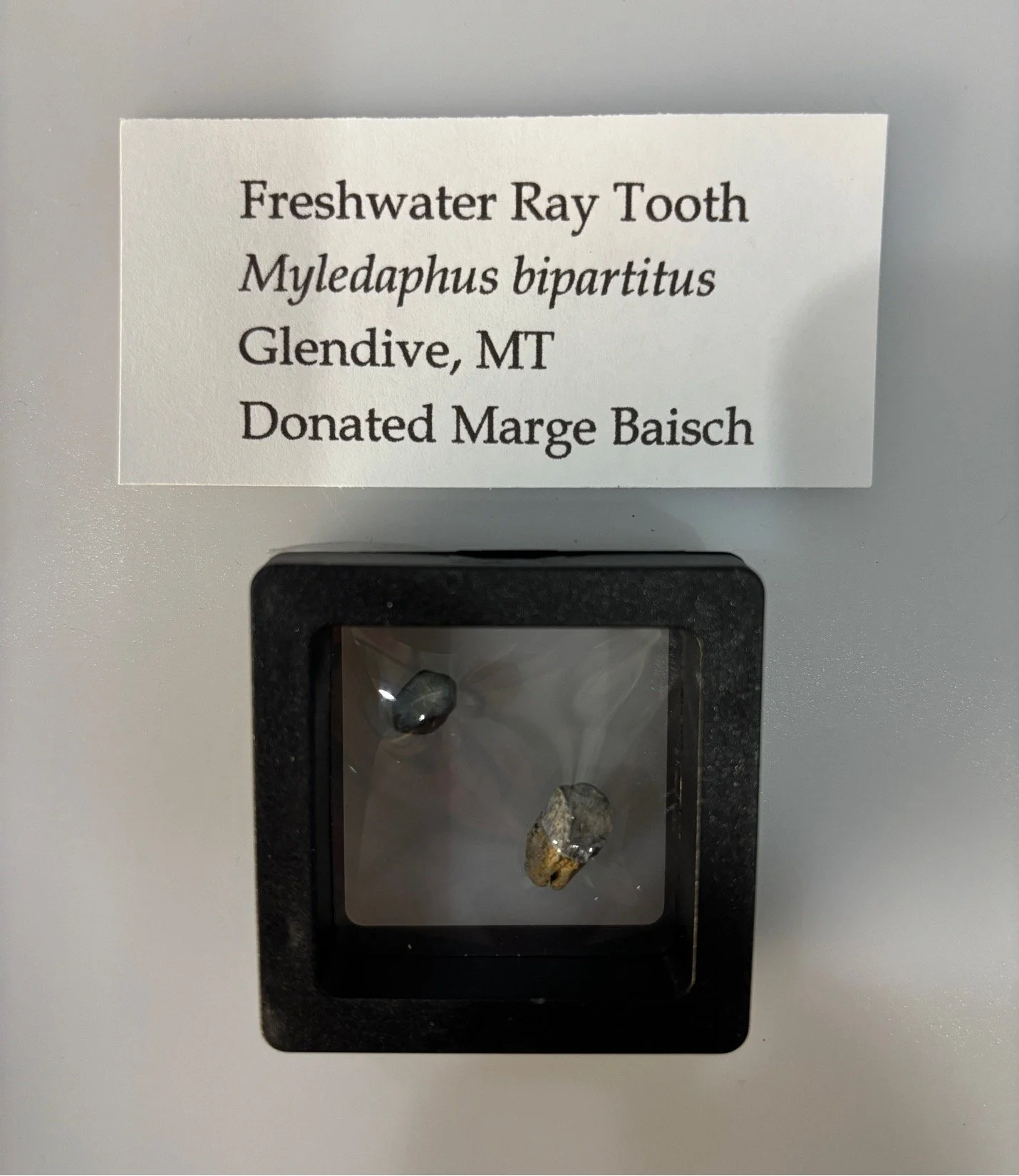
Myledaphus bipartitus was a freshwater ray whose fossils have been found in Western United States and Canada. Myledaphus bipartitus was related to modern rays and guitarfish. Most of the fossils found have been fossil teeth which were used to crush the shells of clams and other bivalves.
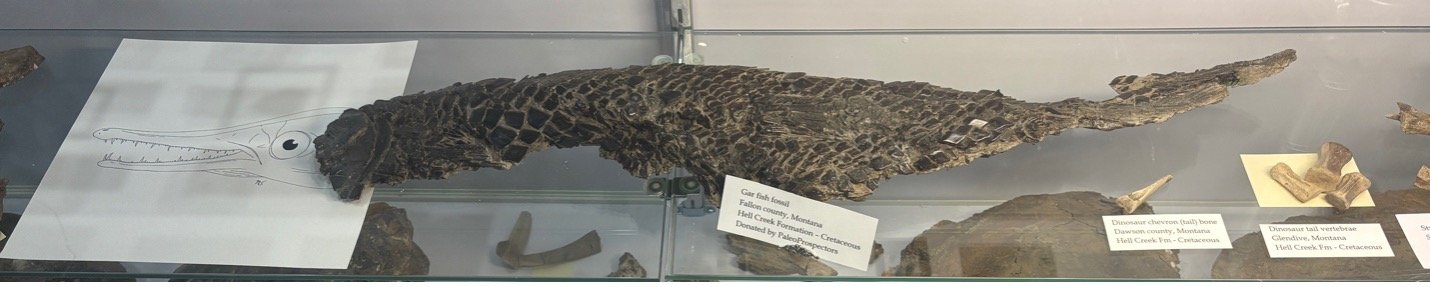
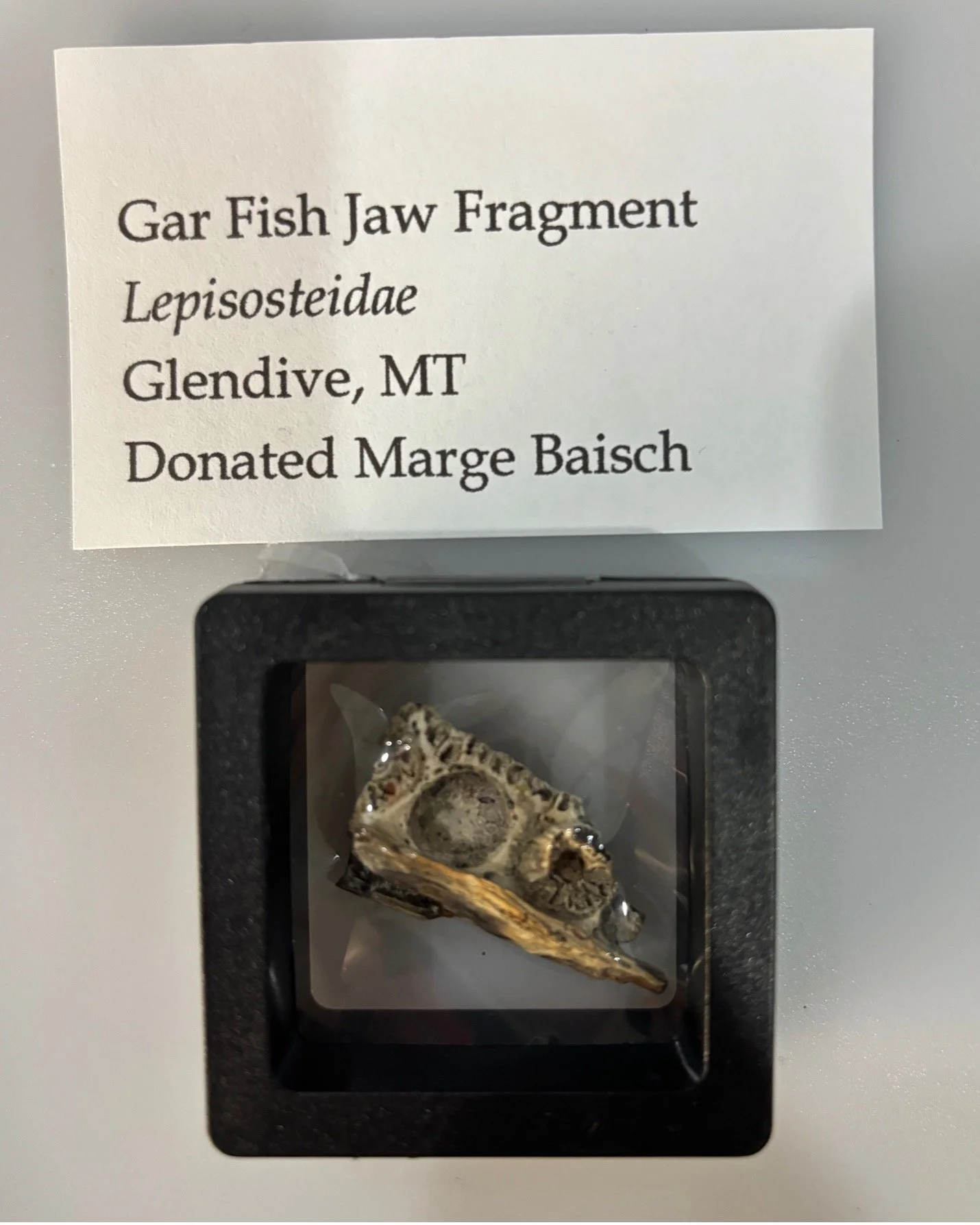
Gar fish are long-bodied freshwater fish who possess armored scales along their bodies. Gars belonging to Lepisosteidae first developed in the early Cretaceous, but ancestors to these Gar first show up in the fossil record during the Jurassic Period. Gars are often called ‘living fossils’ as they have gone virtually unchanged over the last 100 million years. There is plenty of fossil evidence for the Gar in the Hell Creek Formation; their armored scales fossilize very well and appear a bit like shards of obsidian among the dirt.
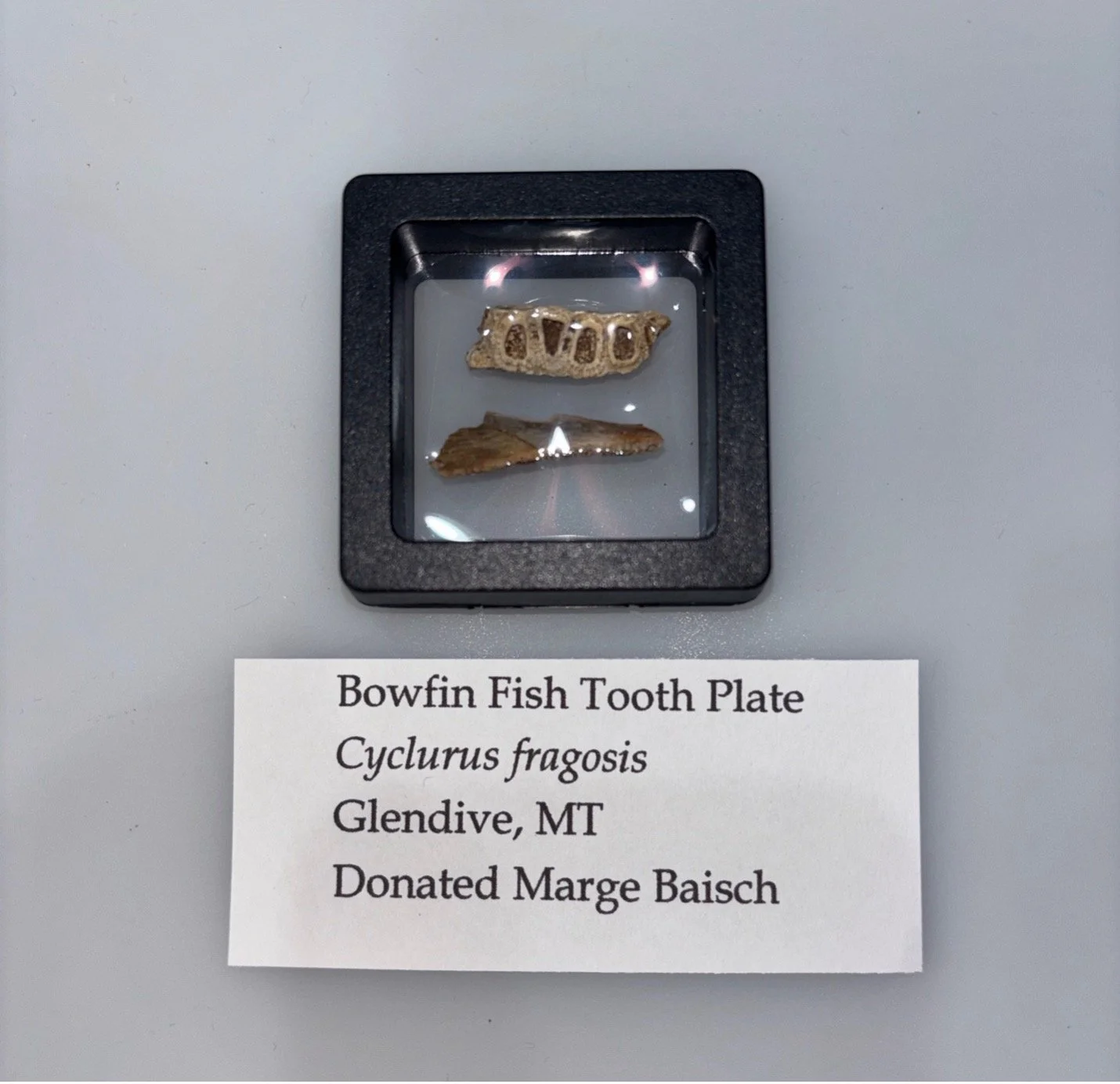
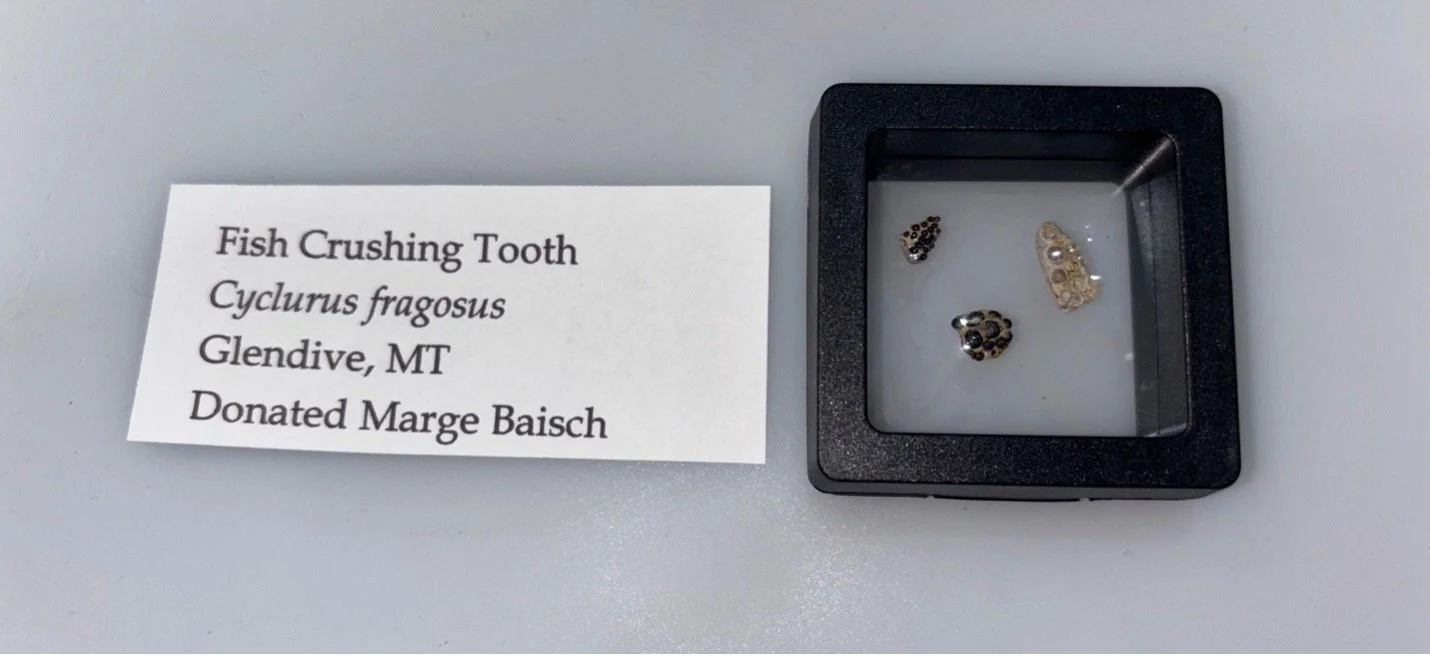
Cyclurus fragosus was a species of bowfin fish that is most often found in the Hell Creek Formation. Cyclurus are thought to be the closest relatives of modern bowfins, but much smaller than their extant counterparts, only growing between 4 and 12 inches long.
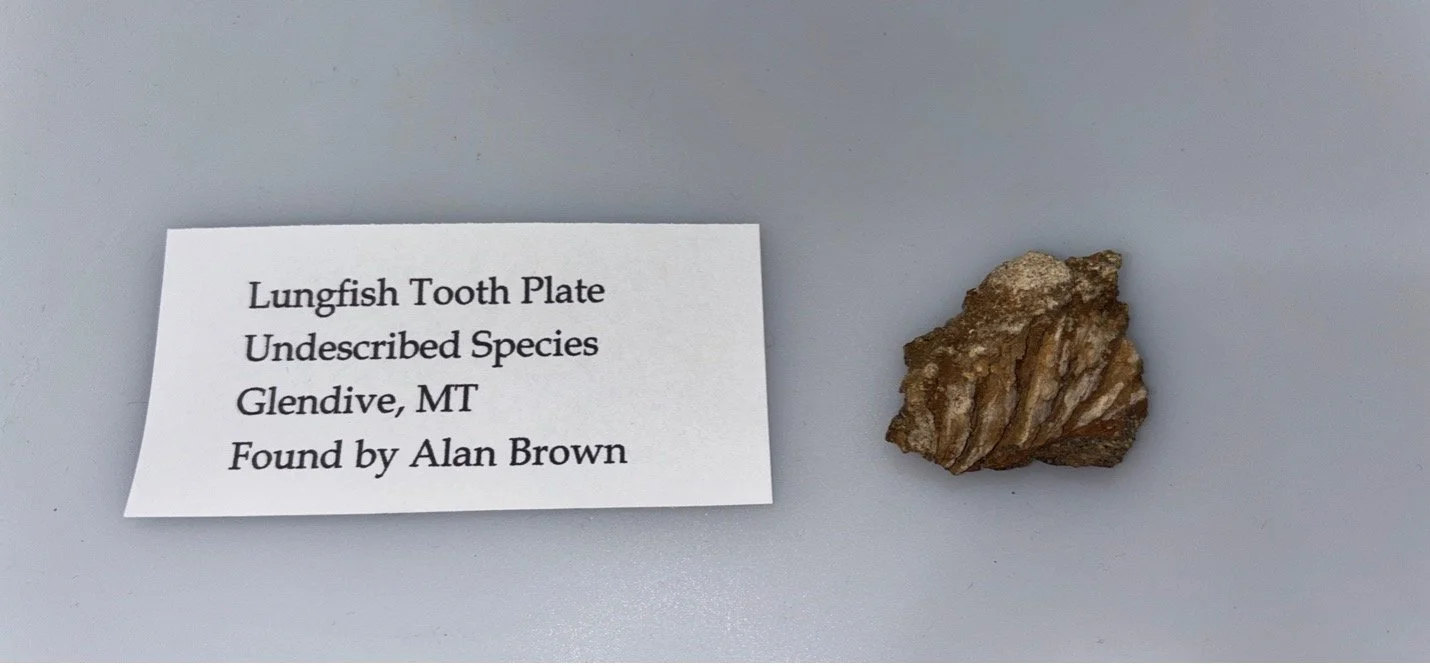
(Early Devonian – Present)
Lungfish are long, eel-shaped fish that can breathe air. While some species of lungfish possess both lungs and gills, they have an advantage over gill-exclusive fish types because they are able to survive in oxygen poor waters and withstand droughts, which may explain why they have managed to stay relatively unchanged over the last 400 million years. Lungfish are considered a “missing link” in the evolution of mammals, reptiles, amphibians, and birds as they are the closest relative to early tetrapods (or all vertebrate animals with four limbs).
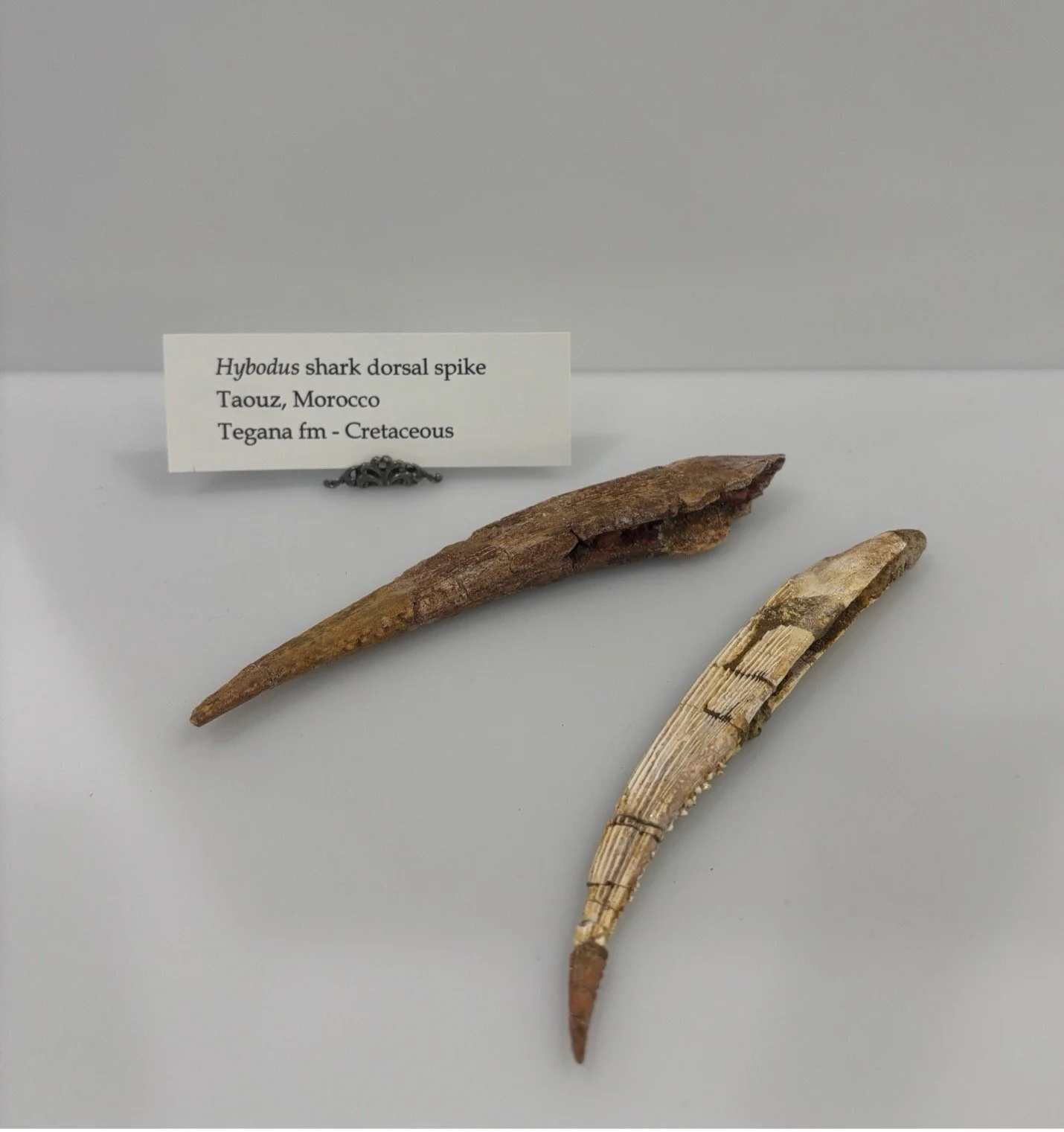
Hybodus (Permian – Cretaceous)
Hybodus was a genus of shark that had great success in the ancient oceans. It was about 6 feet long and had small crown of spikes on its head and two more larger spikes by its dorsal fins. These spikes would have protected the shark from bigger predators, which partly contributed to its success. Another trait Hybodus had was two types of teeth for two types of prey. The teeth at the front of its mouth were sharp, used to bite down on prey, while the teeth in the back of its mouth were flat and could crush and break down hard shells and bones—a little like your own molars.
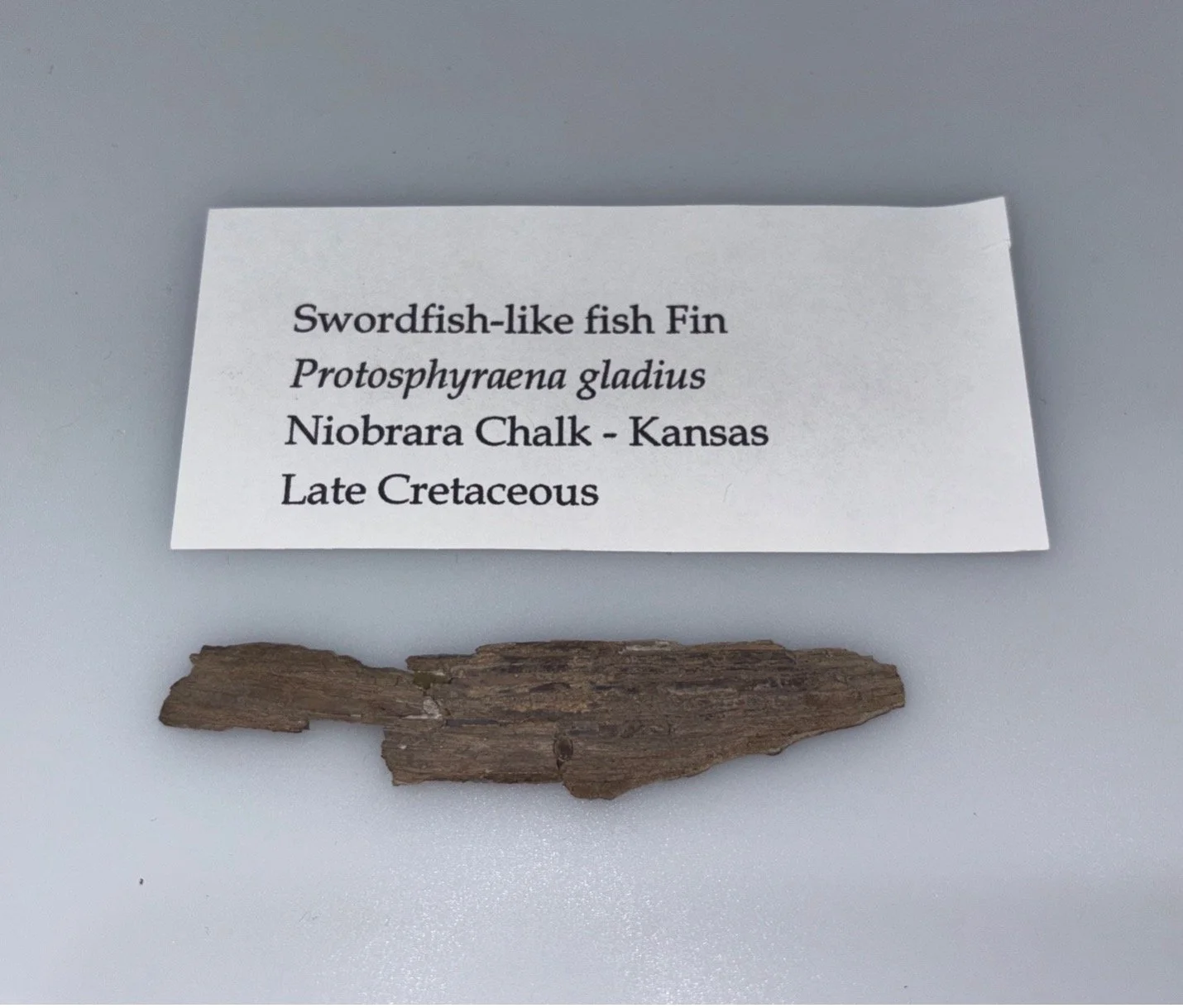
Protosphyraena gladius (Cretaceous)
Protosphyraena gladius was a giant, predatory fish that lived during the Cretaceous period. It grew to 6.5 to 10 feet in length and bore a resemblance to modern swordfish despite belonging to a different evolutionary lineage. The long rostrum (the sword-looking part) on its upper jaw was likely used to incapacitate prey.
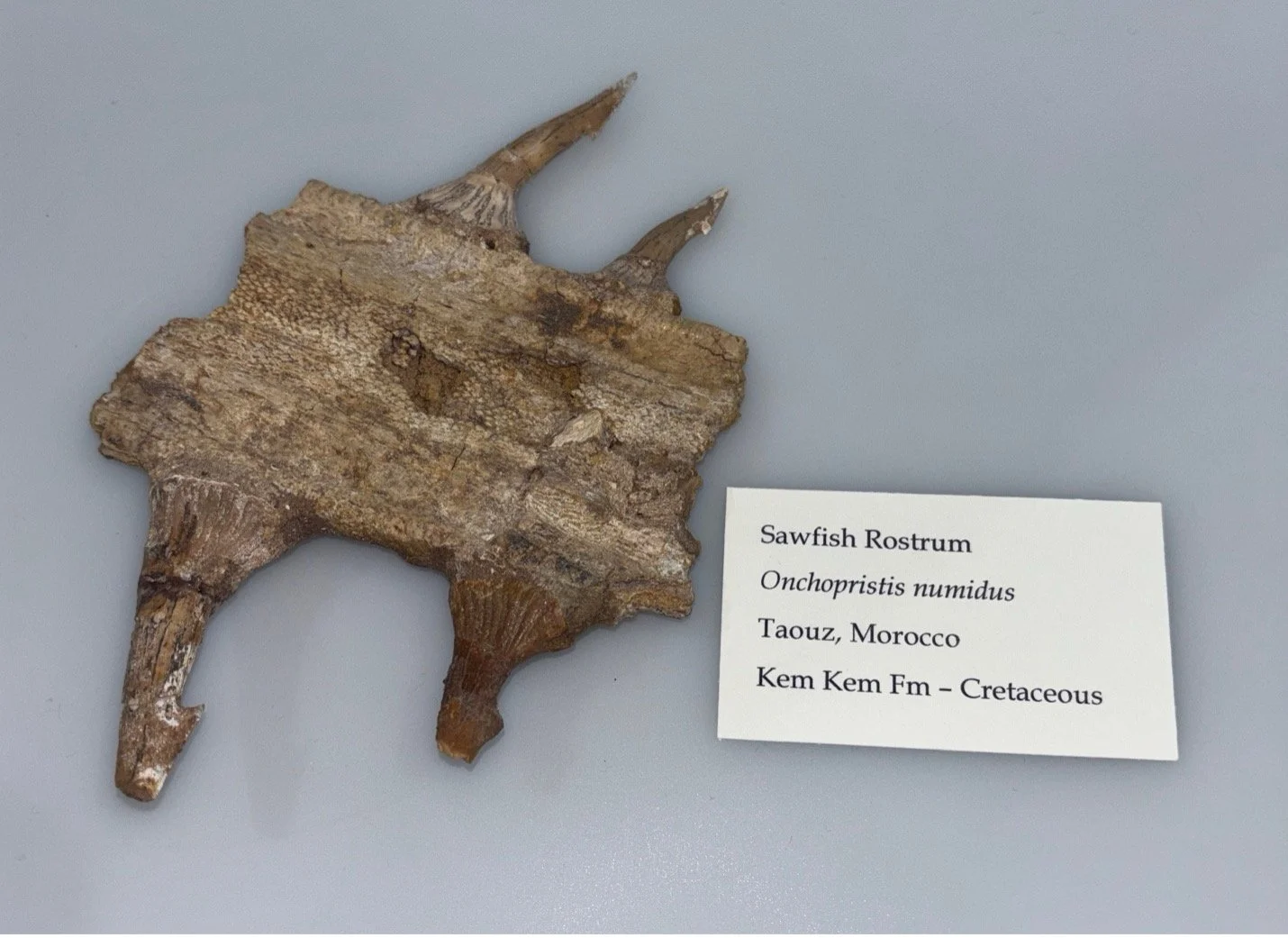
Onchopristis numidus, or the ancient sawfish, was a large, odd-looking fish with teeth all along a long protruding rostrum (or snout), resembling a chainsaw. To hunt, the sawfish would swipe its snout at prey, impaling fish along the bottom of the ocean floor. Though they resemble modern sawfish, they are not closely related. This is an example of convergent evolution, in which both animals adapt similar solutions to survive in their environment.
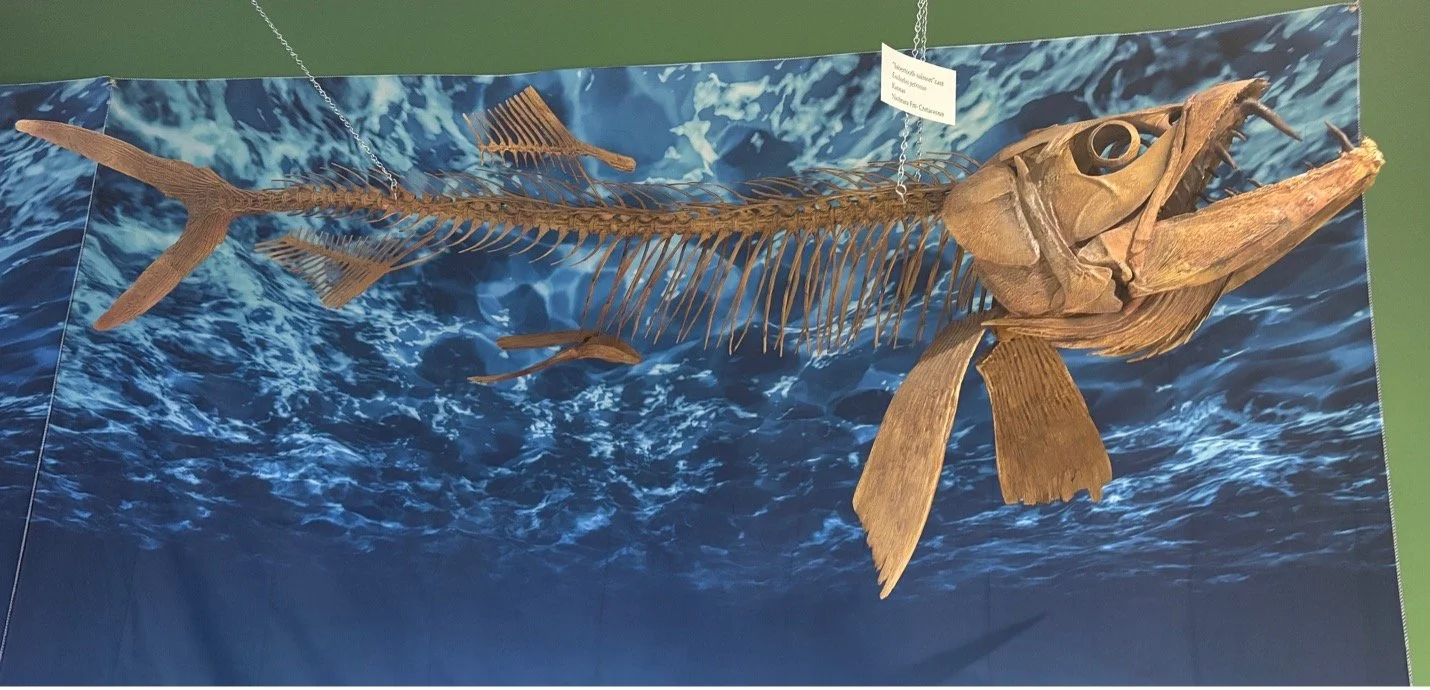
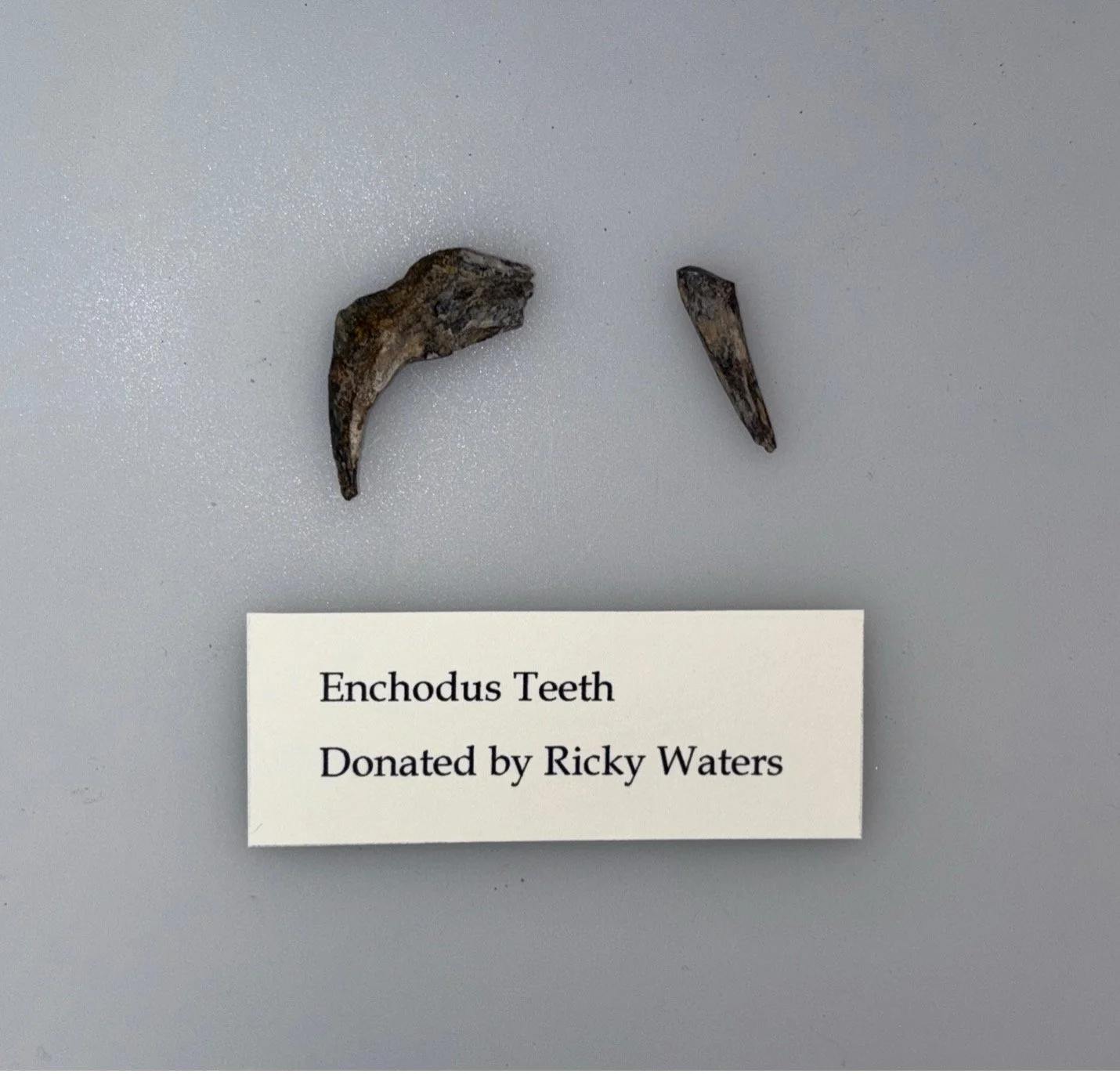
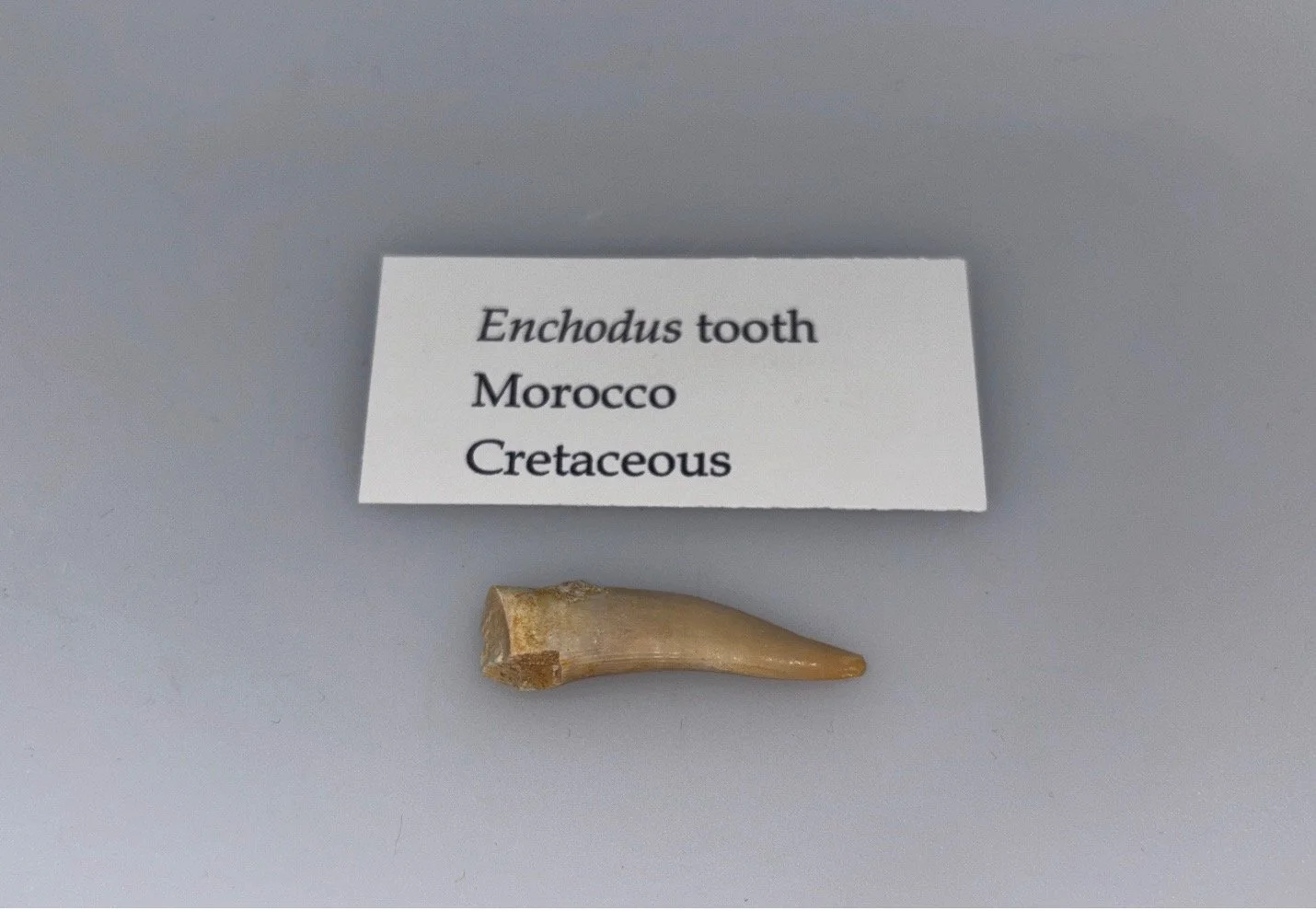
Enchodus was a genus of carnivorous fish that made the Cretaceous oceans their hunting ground. Different species in the Enchodus genus ranged in size, some adapting to hunt larger prey than other, but all had a mouth full of sharp teeth and a powerful bite. Enchodus petrosus was the largest species of its kind, growing to about 5 feet in length. Its diet included smaller fish, cephalopods like squids and mollusks, and crustaceans.
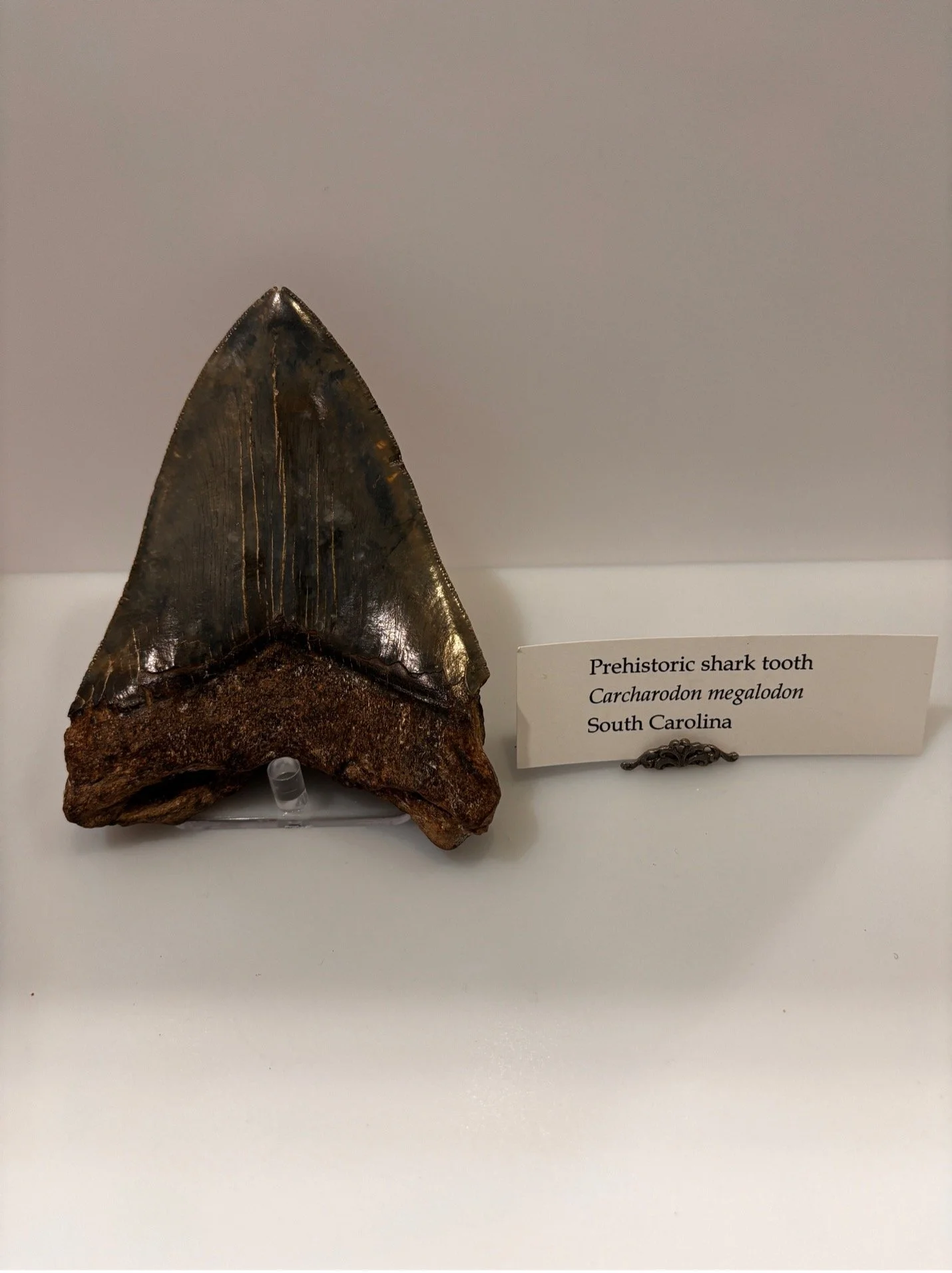
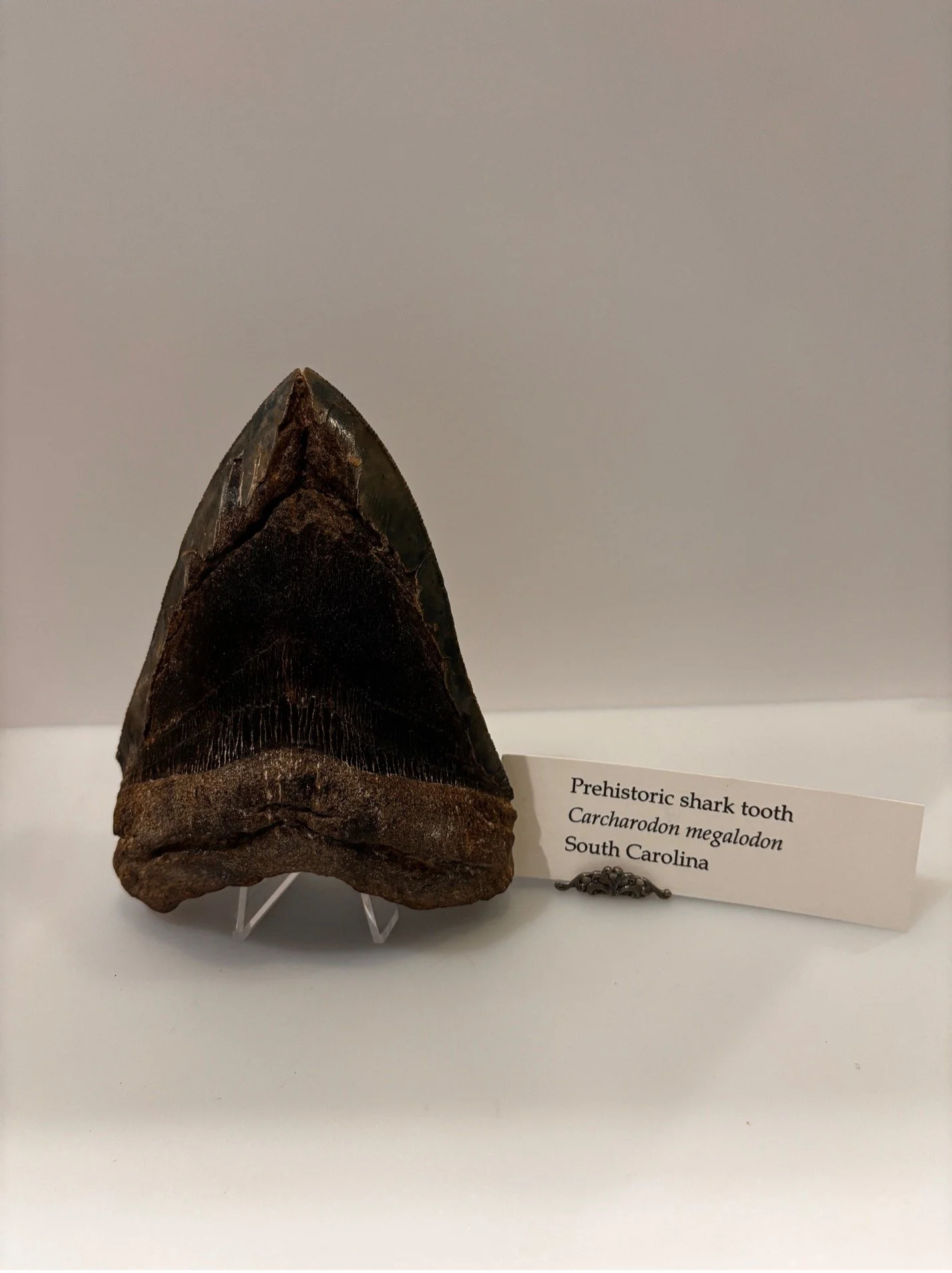
Megalodons were the largest shark to ever live, and one of the largest fishes. Our understanding of the Megalodon is limited, as most of its cartilaginous skeleton does not preserve like normal bone, therefore most size estimations come from comparing their tooth size with modern sharks. The current estimation places Megalodons at about 80 feet long (for reference, that’s about an entire lane at the bowling alley). Megalodons were wide spread across the planet’s oceans, and their teeth have been found washed up on every continent but Antarctica.
No results match your search. Try removing a few filters.