
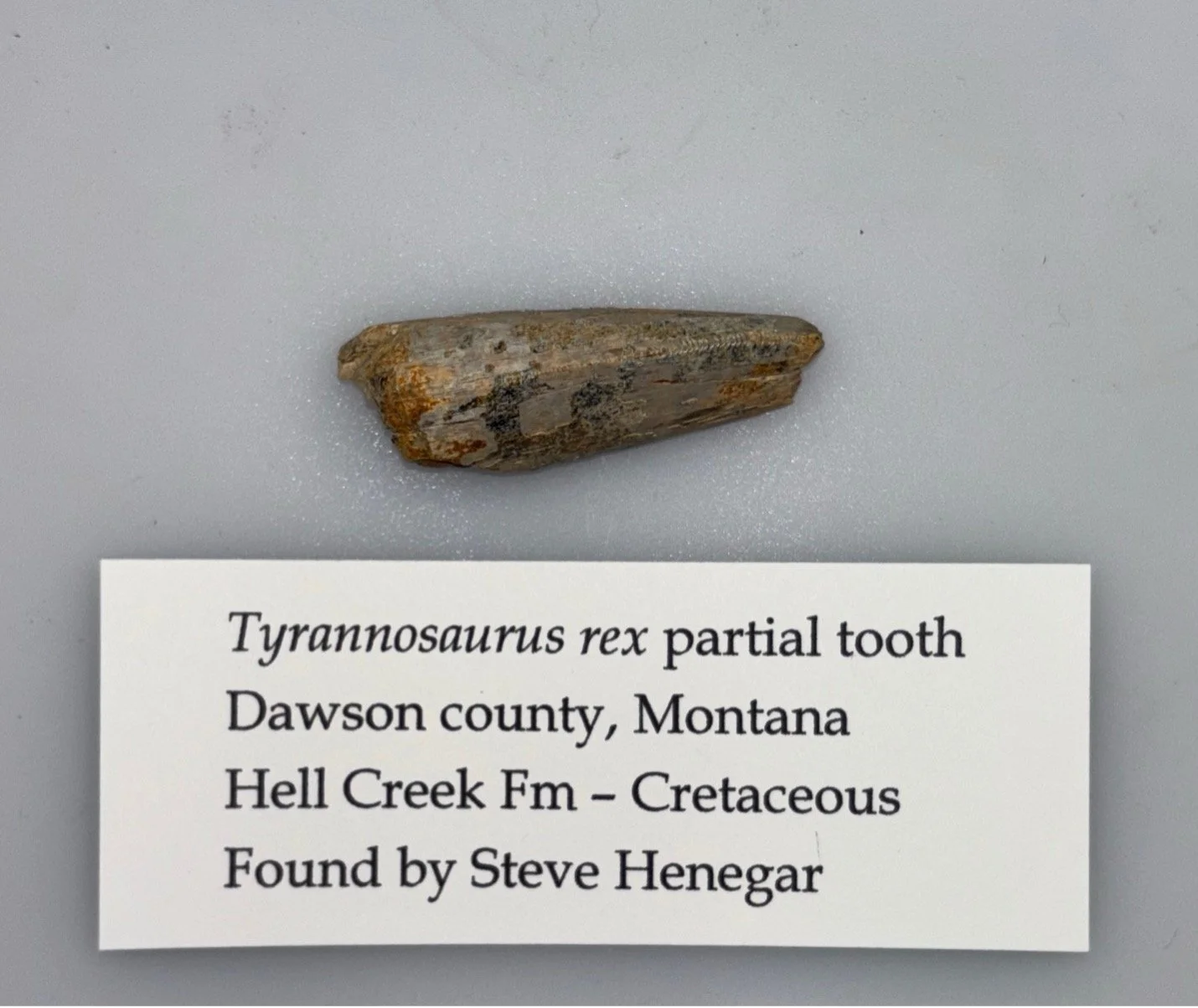
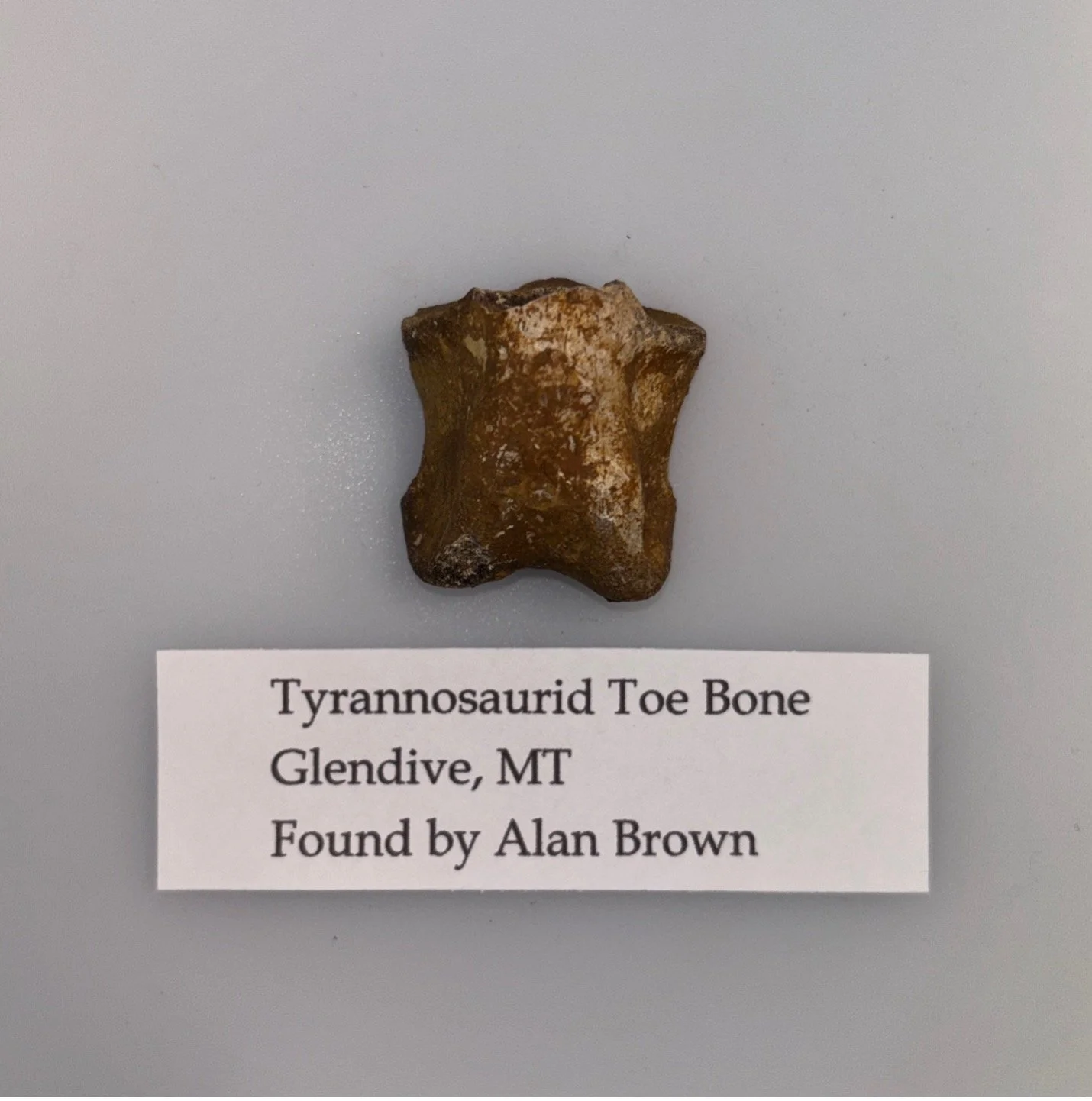
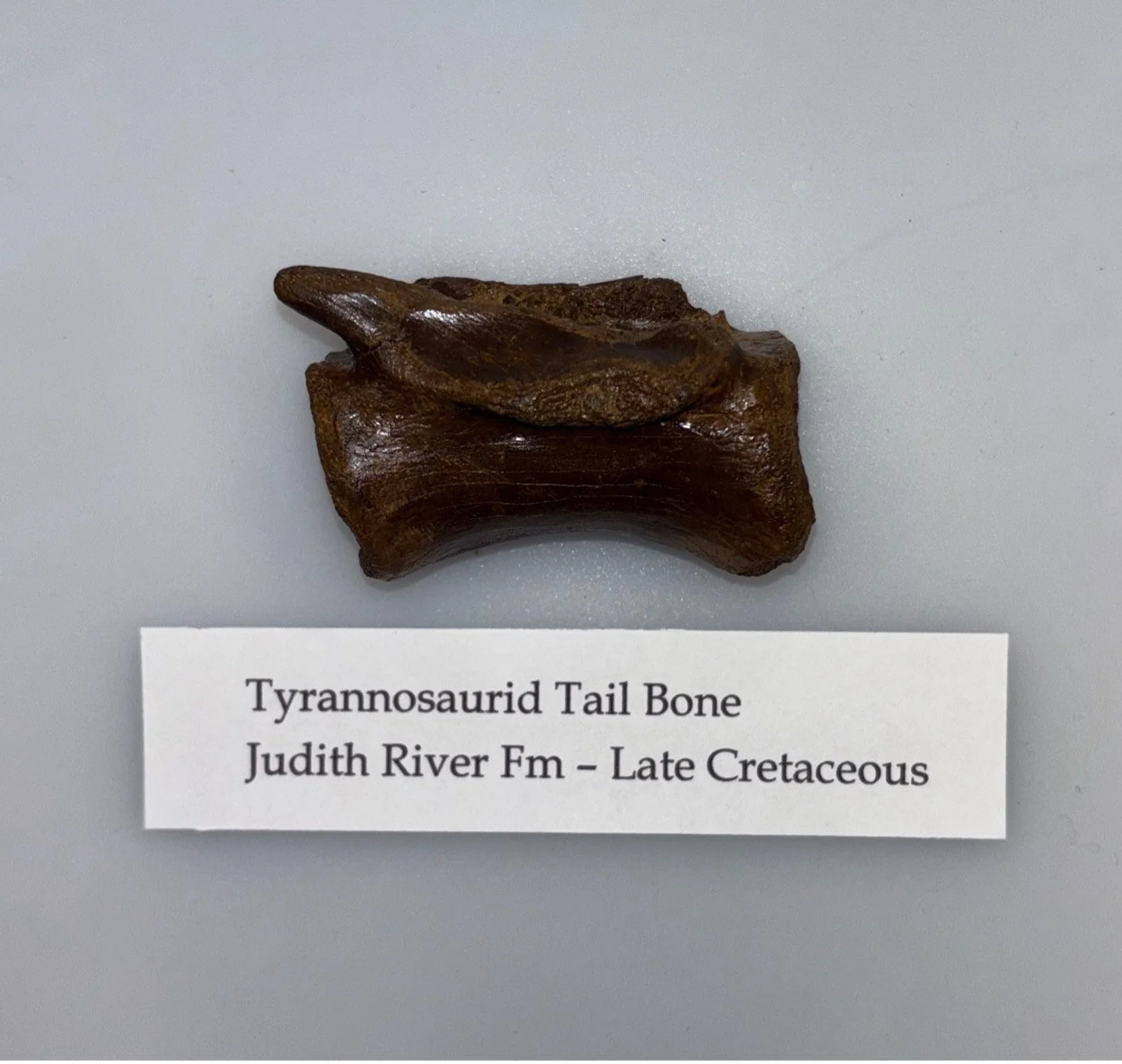
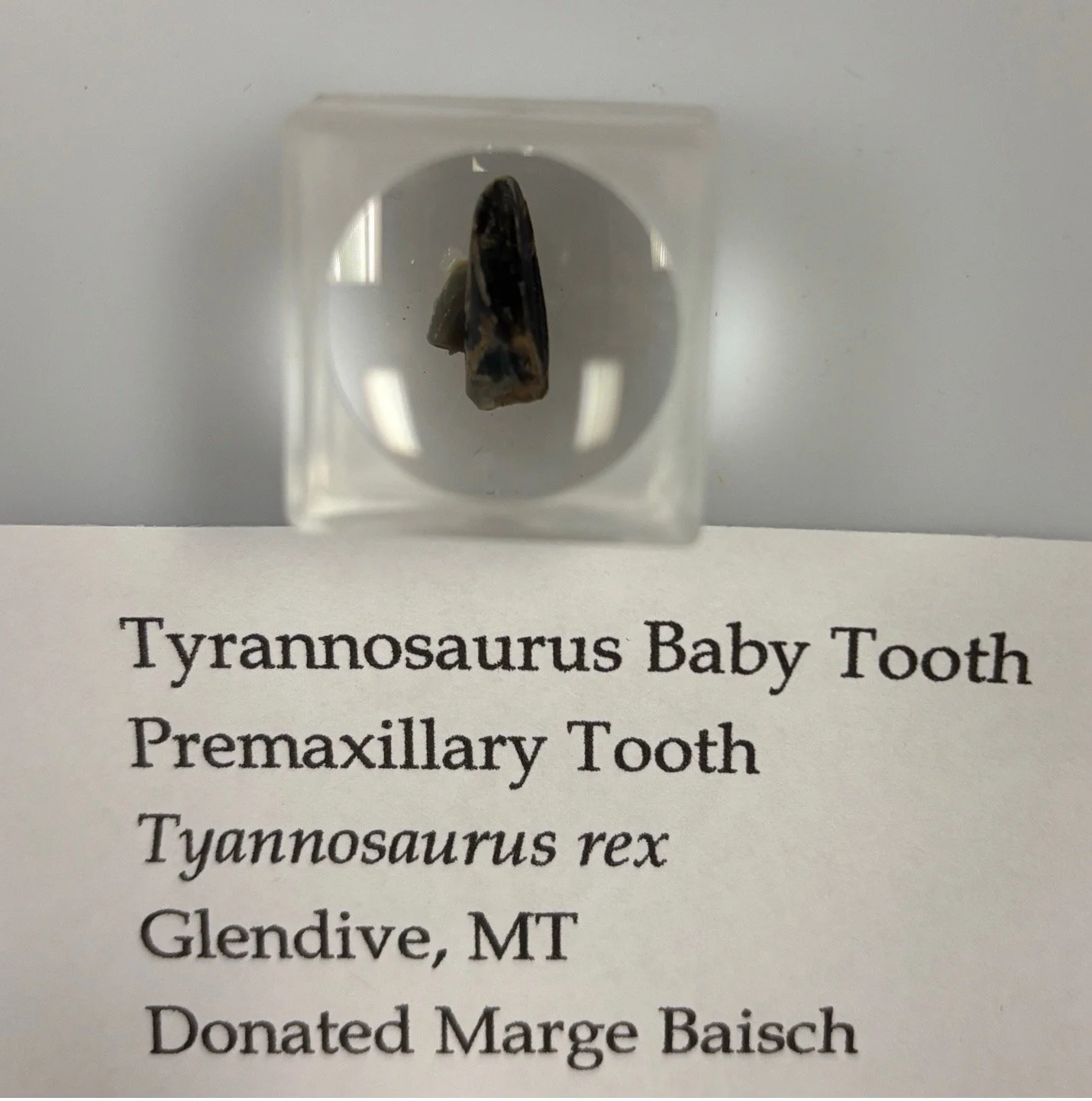
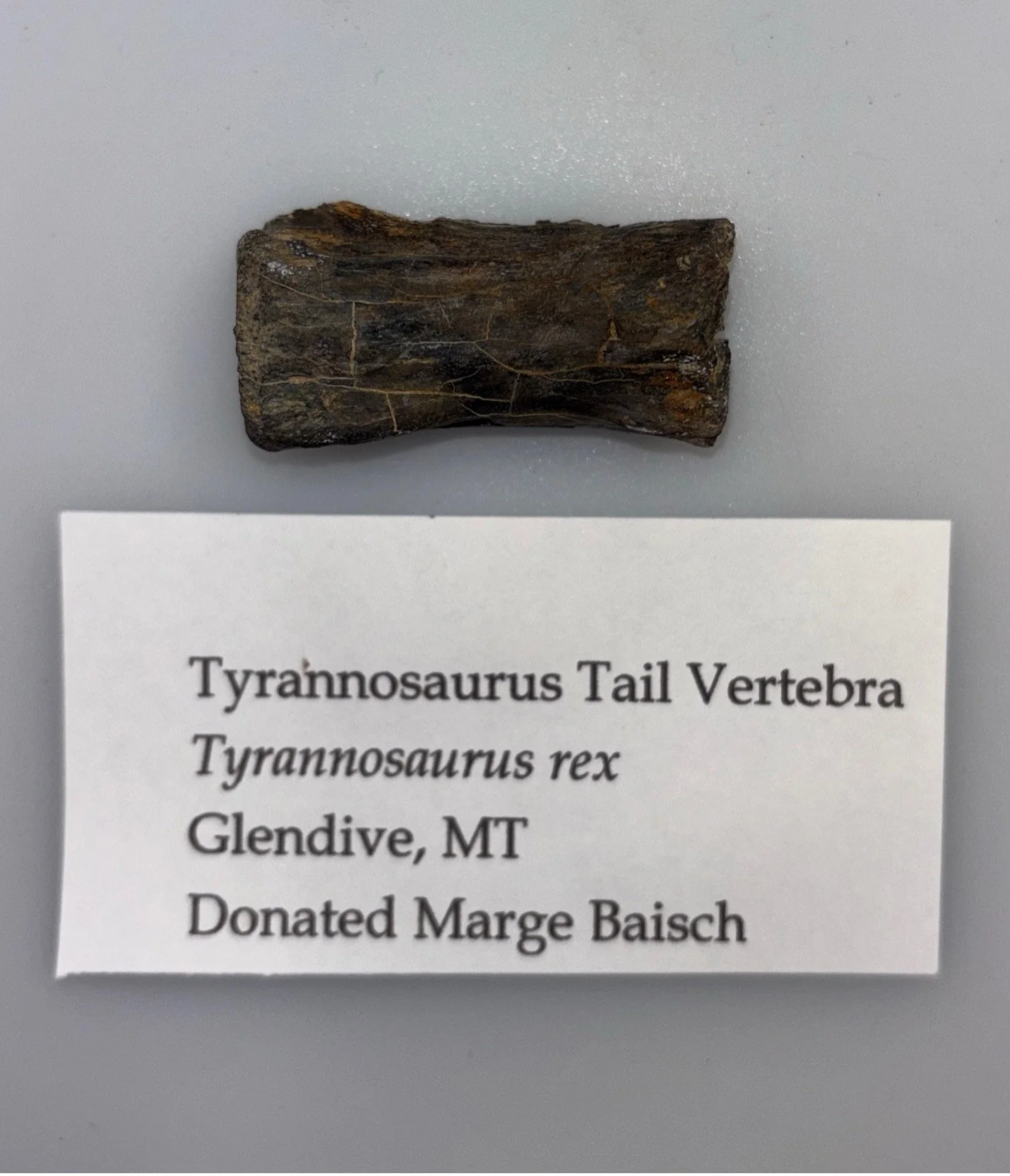
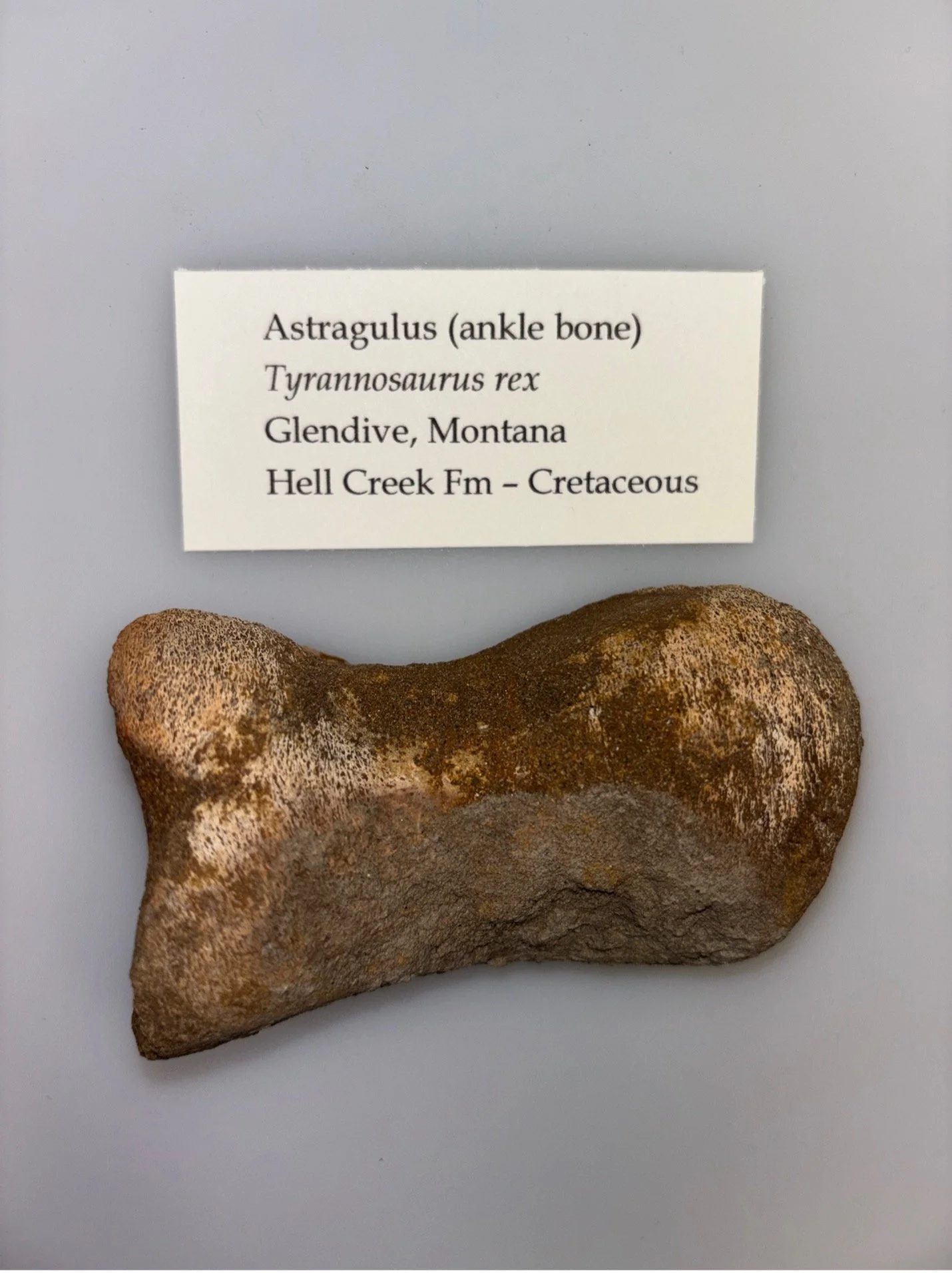
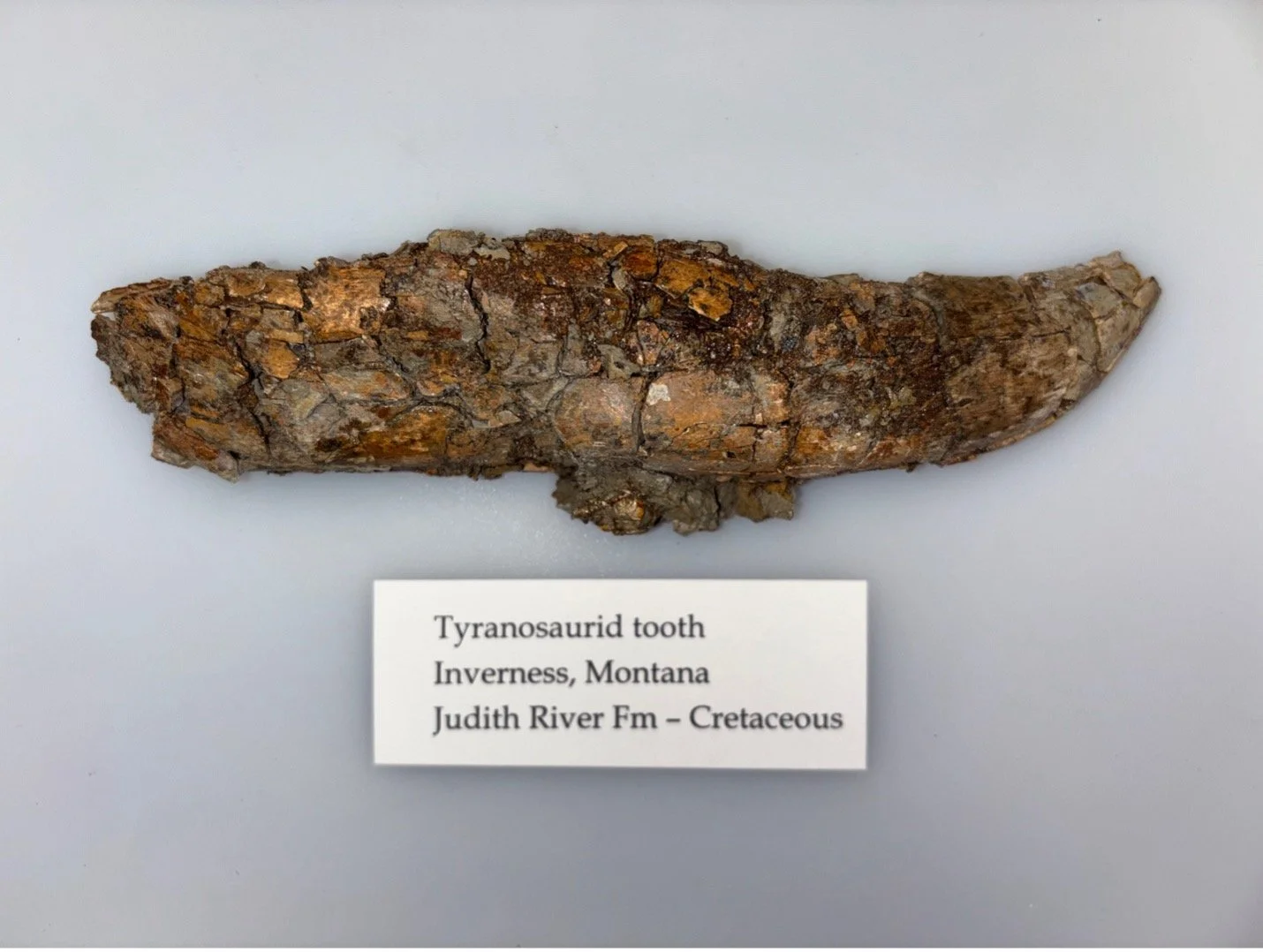
One of the most famous and beloved dinosaurs, the Tyrannosaurus Rex, was the king of Hell Creek back during the late Cretaceous. Its name translates to “king of the tyrant lizards”, which it earned by being the biggest theropod (12 feet tall and 40 feet long) and possessing the greatest bite force of any land animal ever (8,000 – 12,800 lbs. per square inch). The T. Rex is often noted for its large head full of long sharp teeth which was ideal for taking big bites out of its big prey like the Triceratops or Edmontosaurus. Its small arms are also cause for conversation; some scientists think their small (approx. 3 feet) arms were a trade off for its large head, which was much more useful than long arms would have been considering its very large prey items. It is also possible that T. Rexes simply ‘grew out’ of their arms, as younger T. Rex specimens have for more proportional limbs.
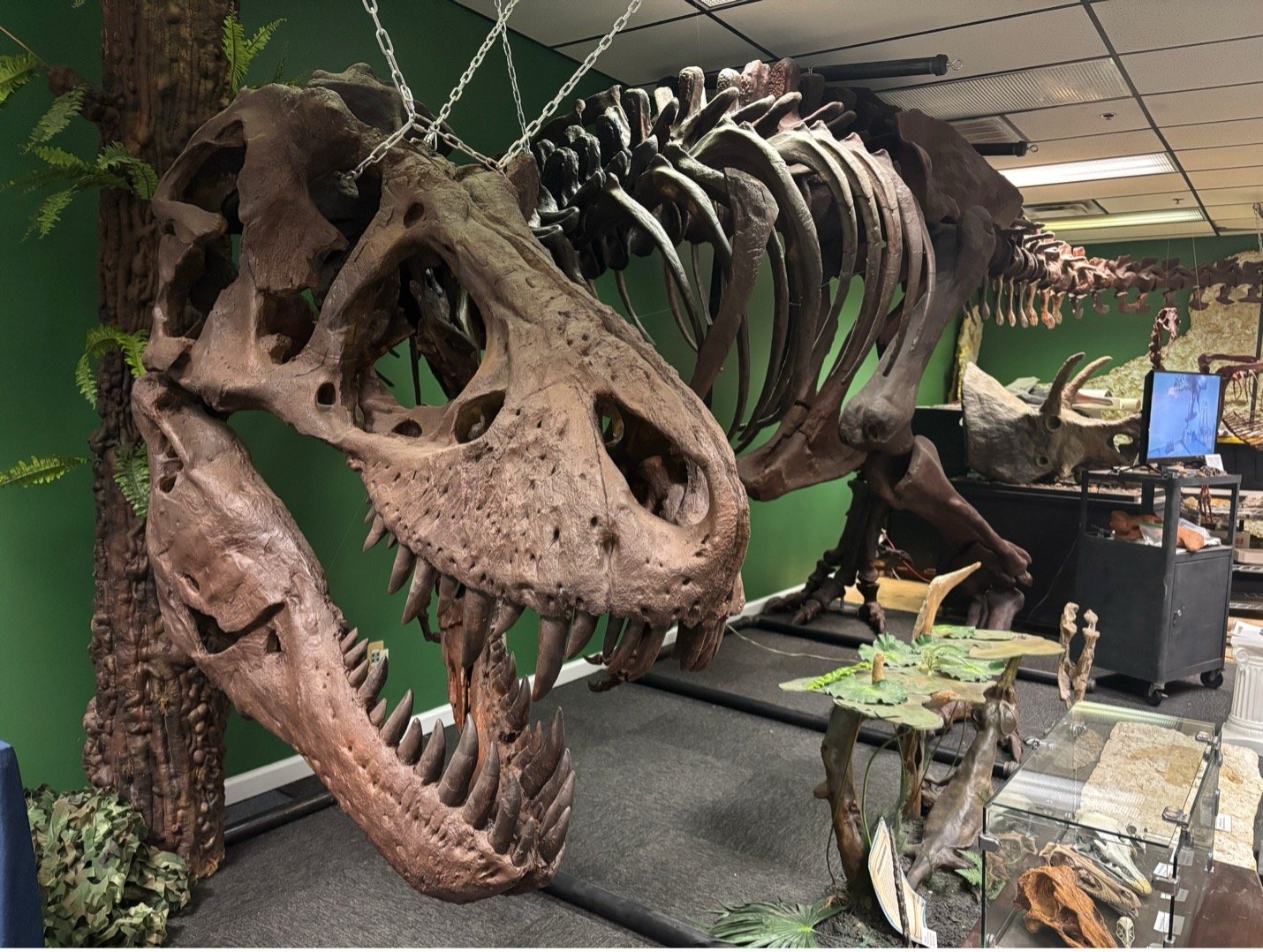
At Earth Experience, you can see a full-scale T. Rex model named Frank and get a feel for just how big these tyrants were.
One of the most famous and beloved dinosaurs, the Tyrannosaurus Rex, was the king of Hell Creek back during the late Cretaceous. Its name translates to “king of the tyrant lizards”, which it earned by being the biggest theropod (12 feet tall and 40 feet long) and possessing the greatest bite force of any land animal ever (8,000 – 12,800 lbs. per square inch). The T. Rex is often noted for its large head full of long sharp teeth which was ideal for taking big bites out of its big prey like the Triceratops or Edmontosaurus. Its small arms are also cause for conversation; some scientists think their small (approx. 3 feet) arms were a trade off for its large head, which was much more useful than long arms would have been considering its very large prey items. It is also possible that T. Rexes simply ‘grew out’ of their arms, as younger T. Rex specimens have for more proportional limbs.
At Earth Experience, you can see a full-scale T. Rex model named Frank and get a feel for just how big these tyrants were.