
Fossil Collection Search
Check out our collection! Filter through time period and other categories and click on entries to learn more about them.
Check out our collection! Filter through time period and other categories and click on entries to learn more about them.
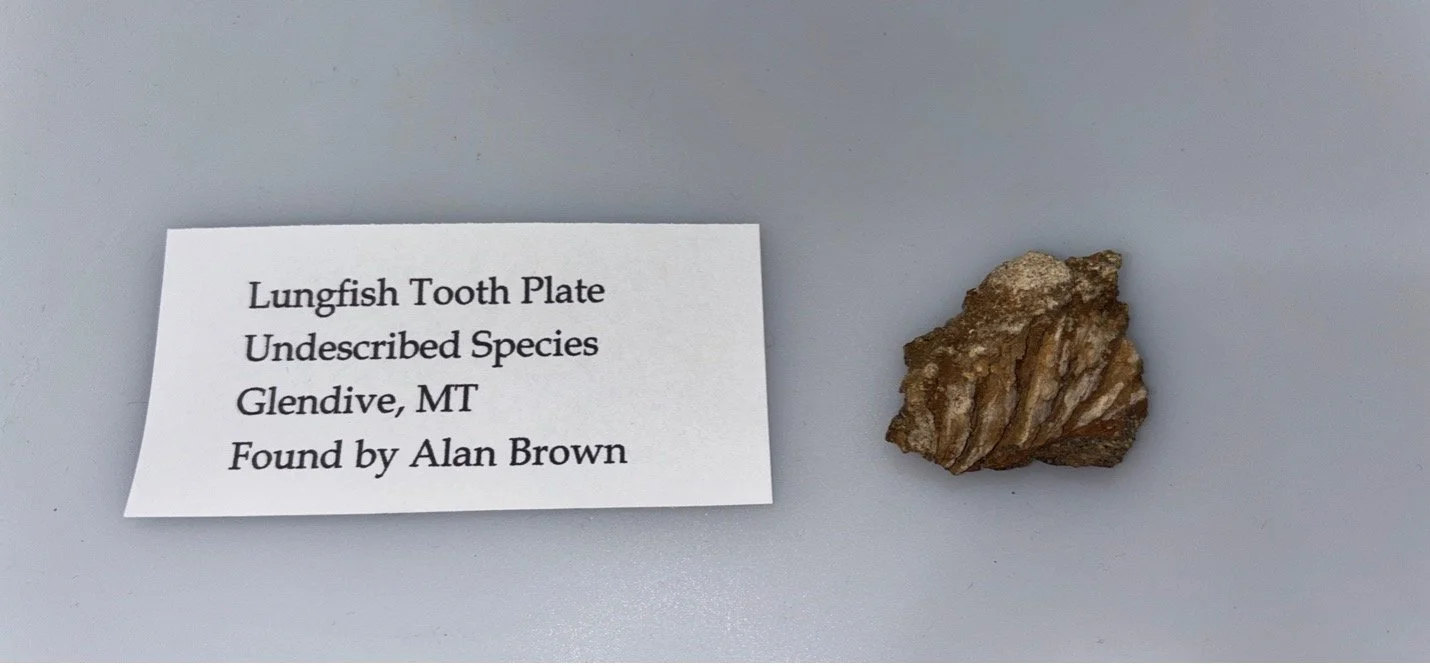
(Early Devonian – Present)
Lungfish are long, eel-shaped fish that can breathe air. While some species of lungfish possess both lungs and gills, they have an advantage over gill-exclusive fish types because they are able to survive in oxygen poor waters and withstand droughts, which may explain why they have managed to stay relatively unchanged over the last 400 million years. Lungfish are considered a “missing link” in the evolution of mammals, reptiles, amphibians, and birds as they are the closest relative to early tetrapods (or all vertebrate animals with four limbs).
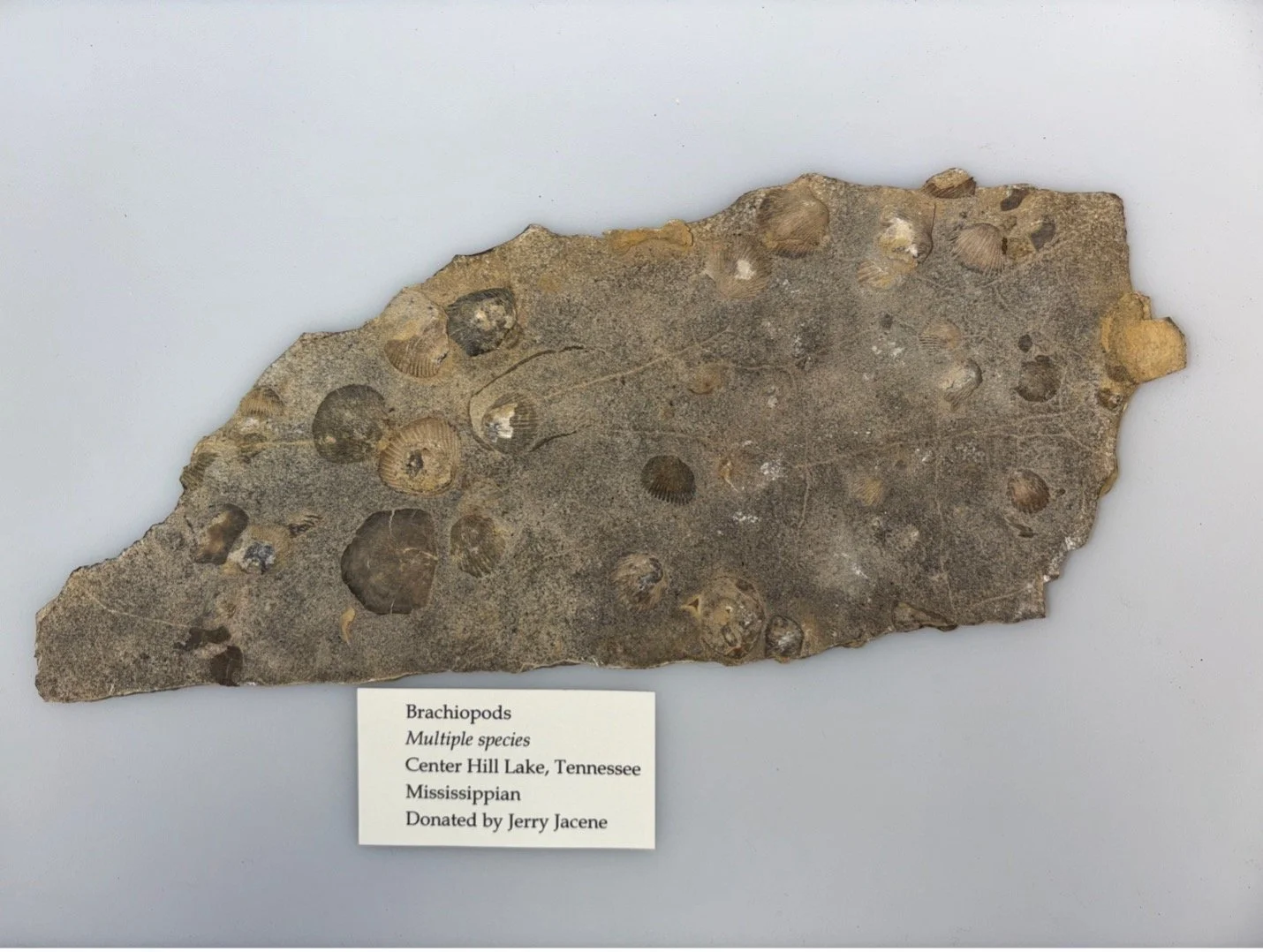
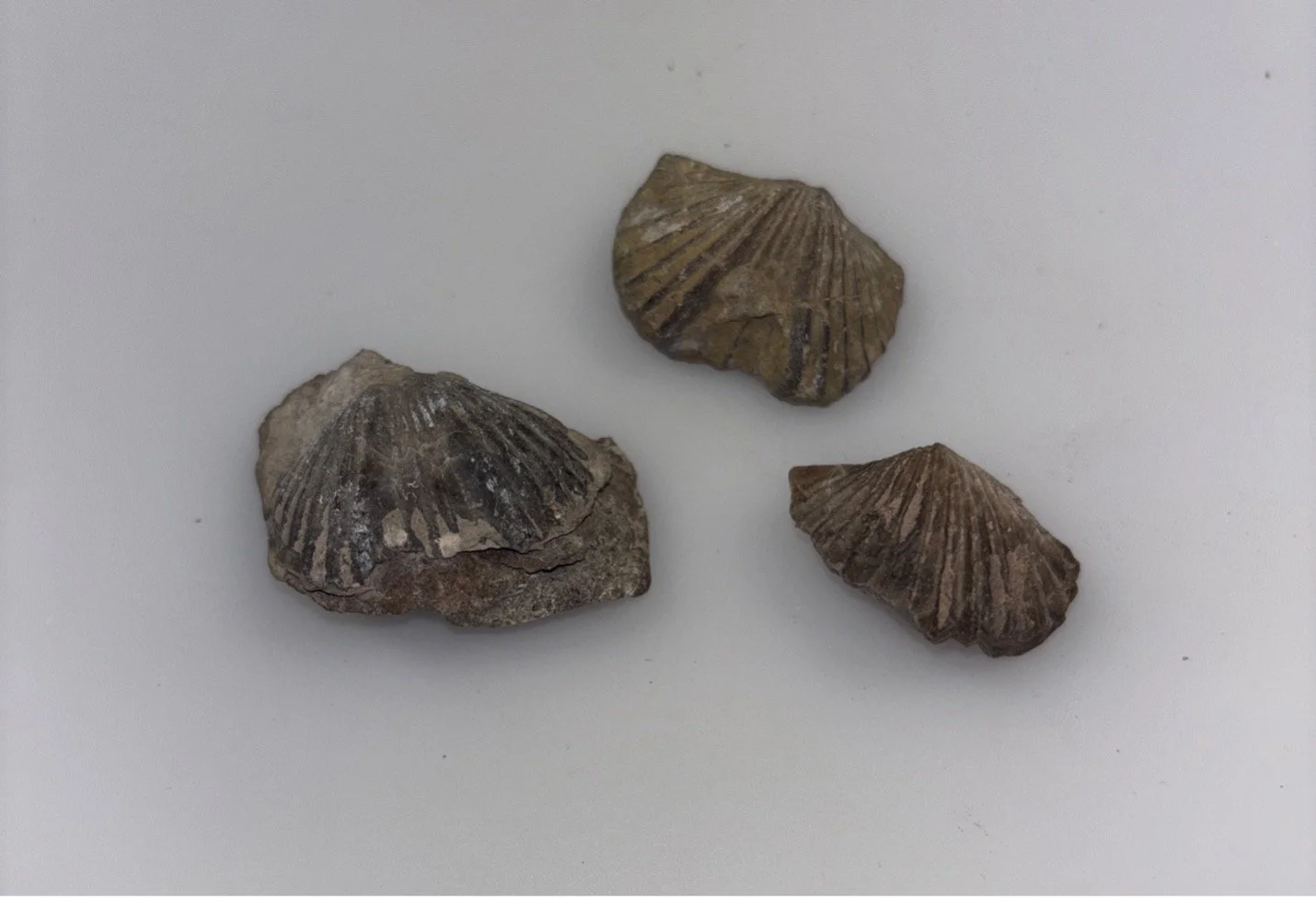
Brachiopods (Cambrian – Present)
Brachiopods are aquatic soft-bodied invertebrates who typically live inside a symmetrical two-halved shell. Though similar to bivalves in design, Brachiopods are deceptively unique, belonging to their own phylum, Brachiopoda. Brachiopods are generally stationary and are typically anchored in one spot, relying on filter feeding.
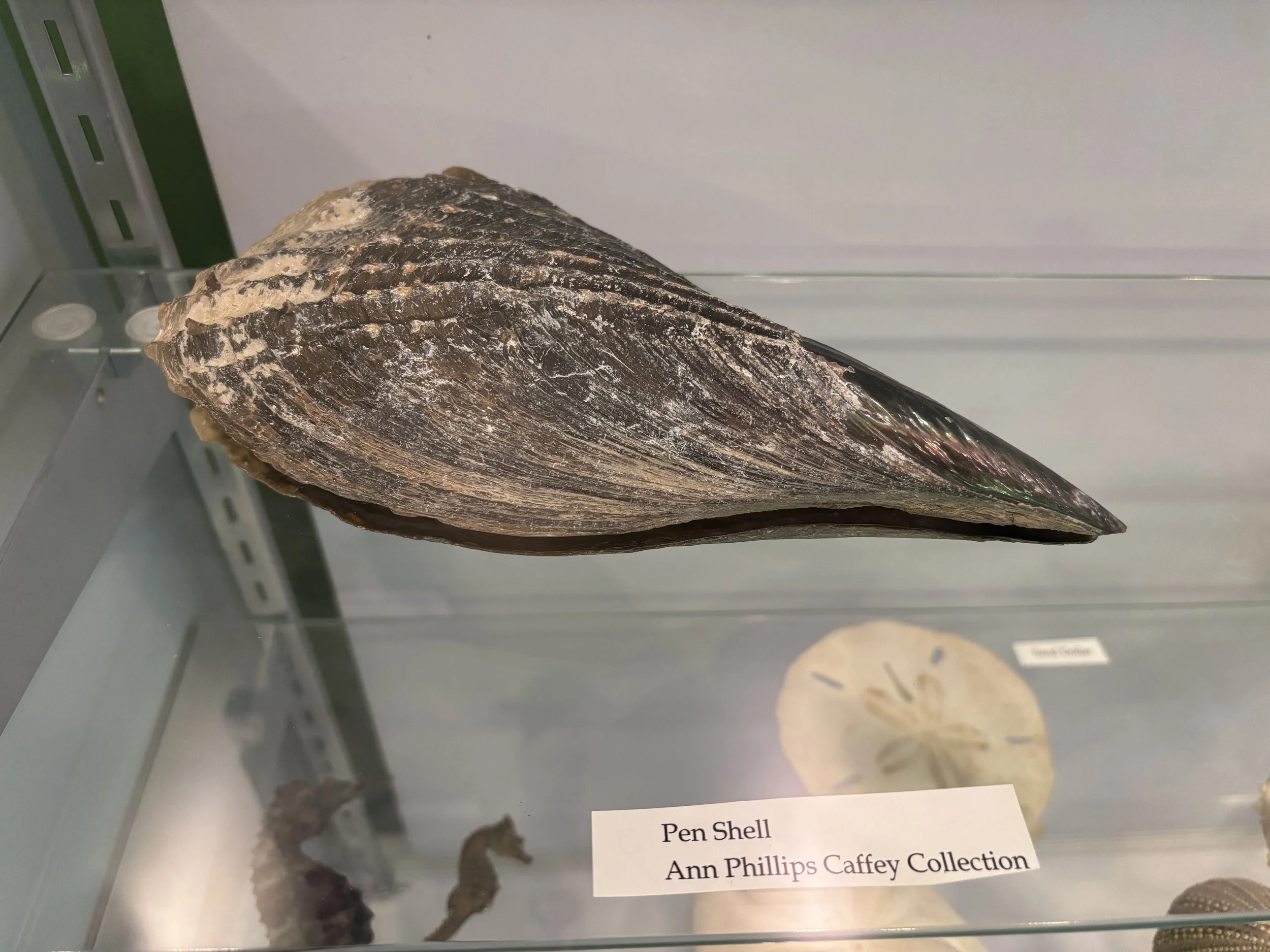
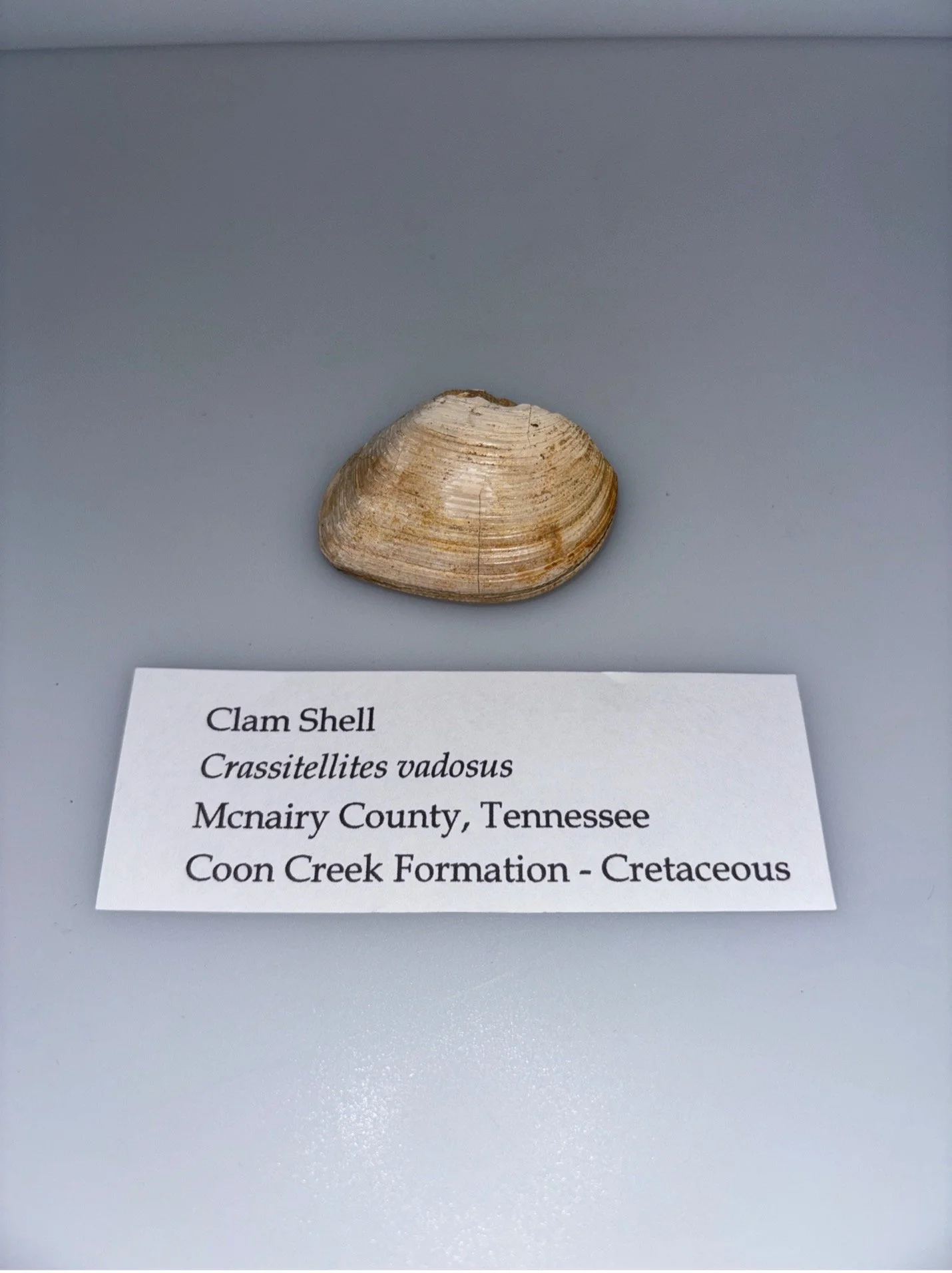
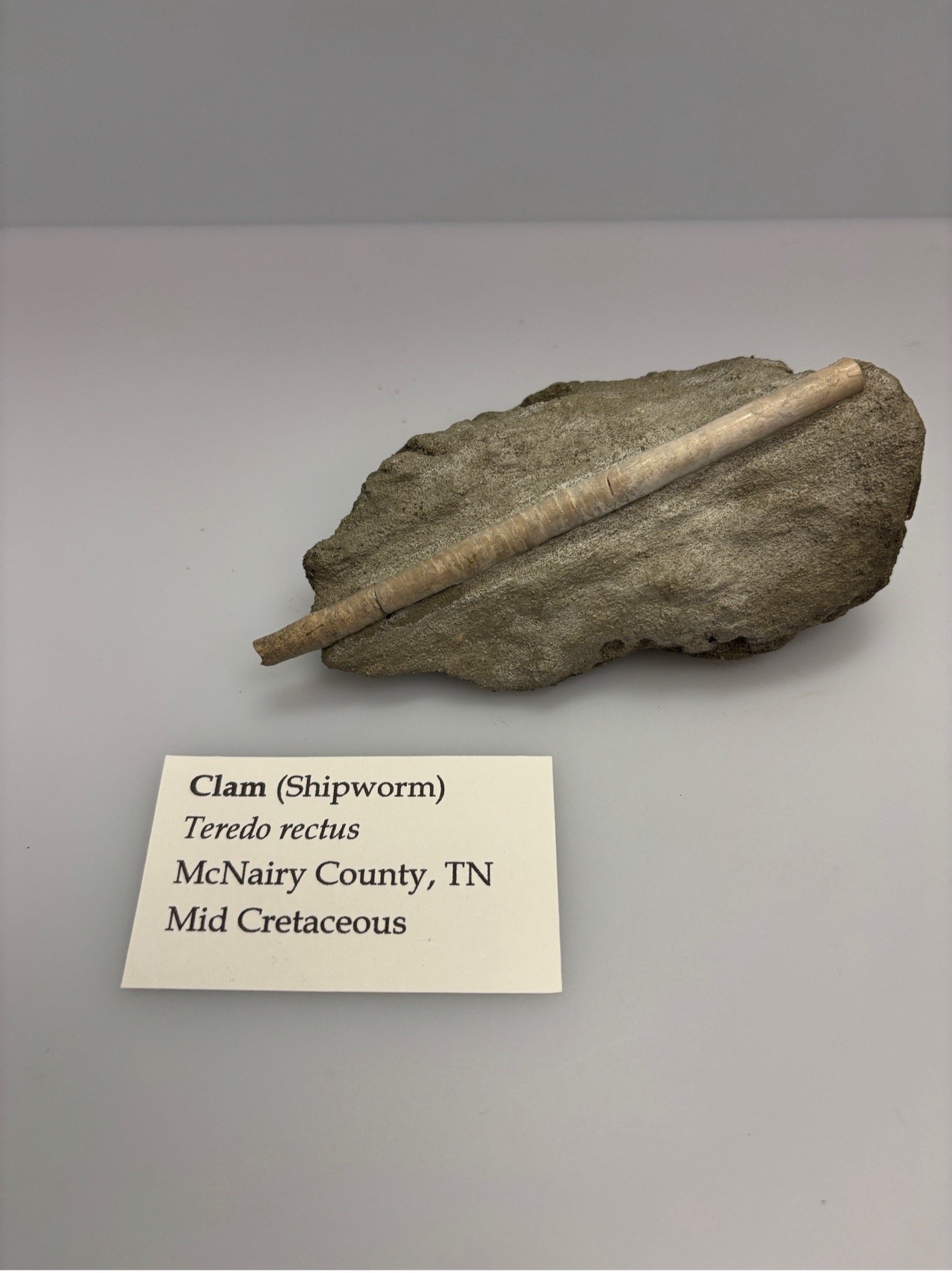
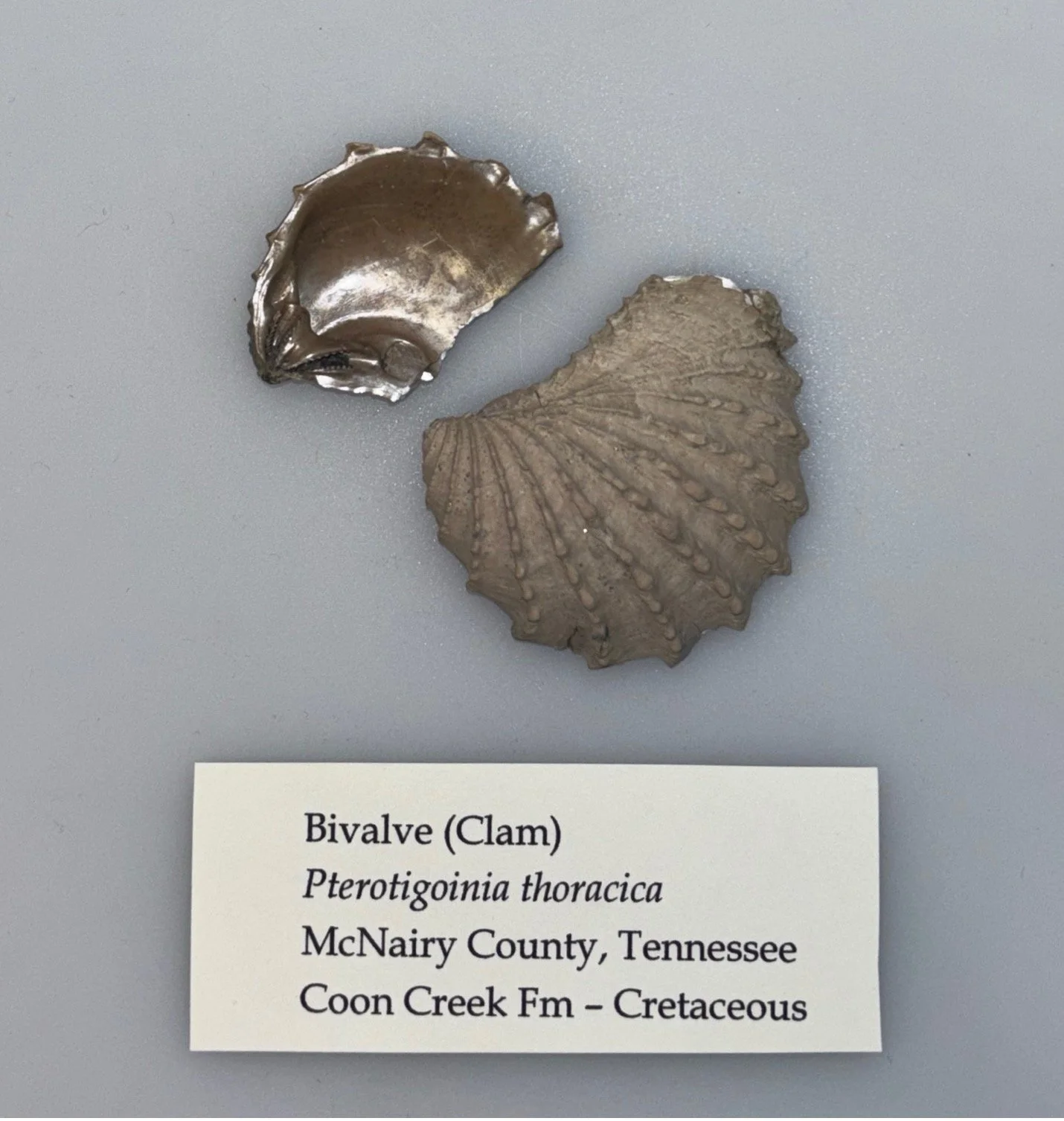
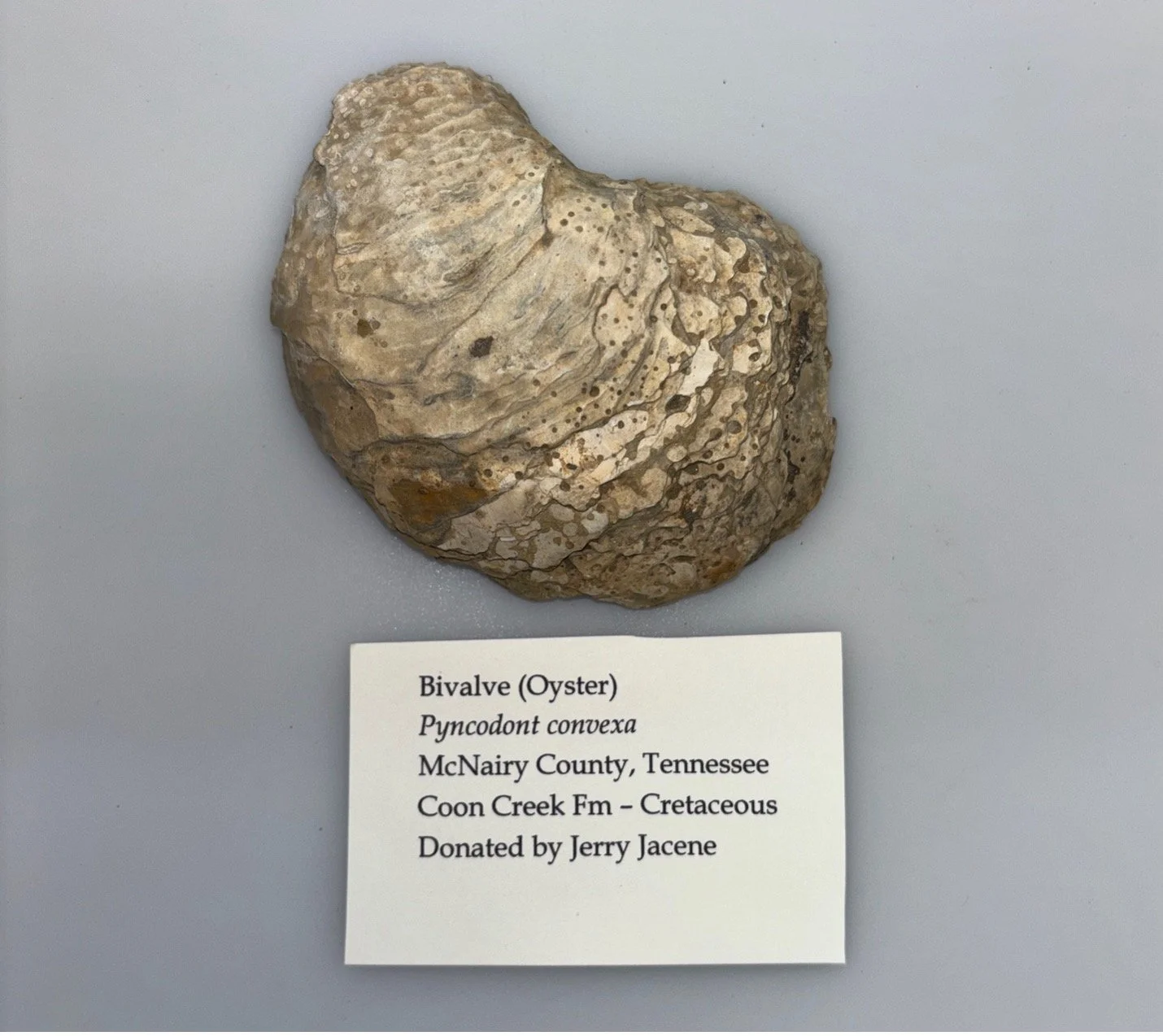
Bivalves are aquatic soft-bodied invertebrates who typically live inside a vertically symmetrical two-halved shell. They are similar to brachiopods, who are symmetrical both laterally and vertically, but the two are not actually very closely related. Today, bivalves vastly outnumber brachiopods, but during earlier periods, the inverse was true.
Bivalves are more mobile than they look, often burying themselves in sediment with the help of a muscular organ called a ‘foot’, and some can even swim by clapping their shell open and closed. Their shells have historically been used as jewelry, tools, and even money in certain cultures.
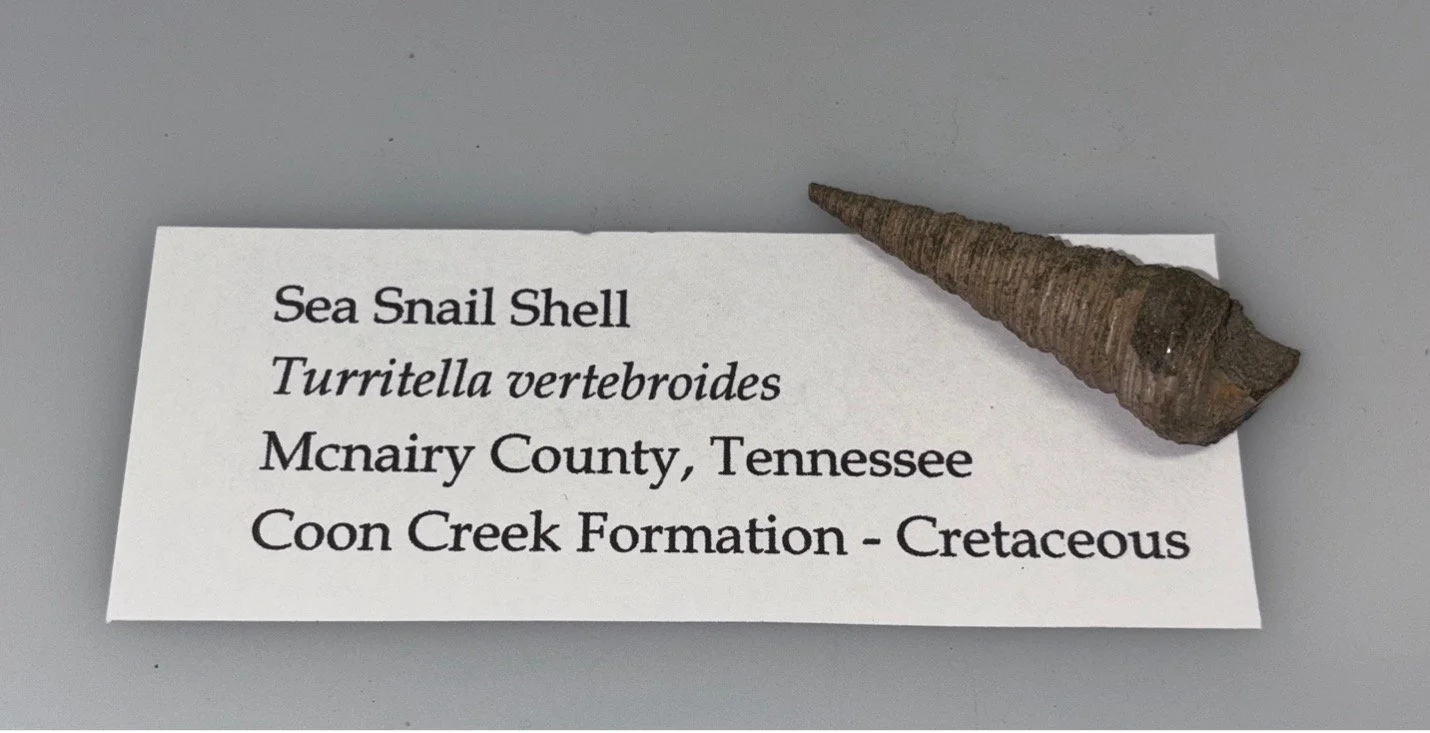
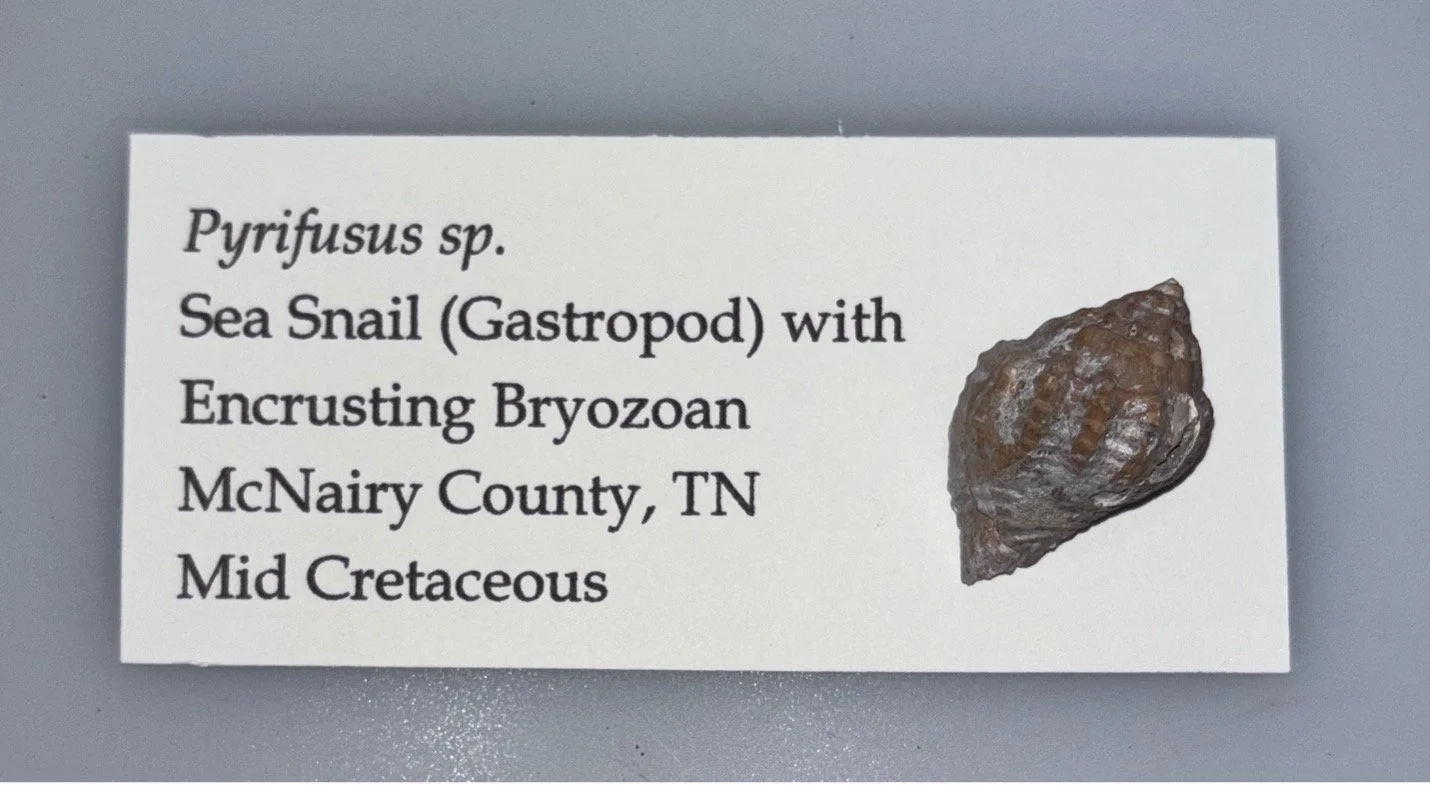
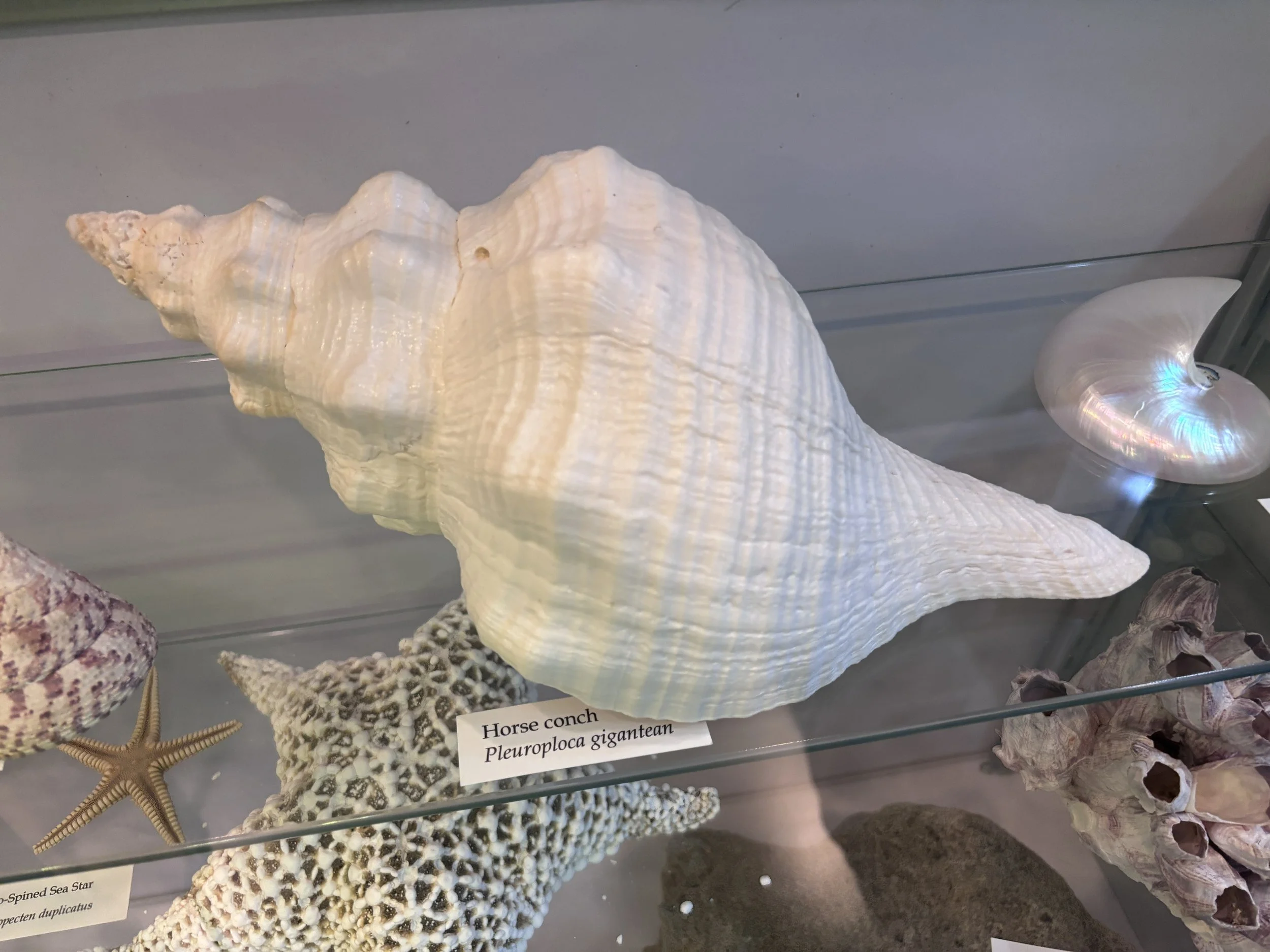
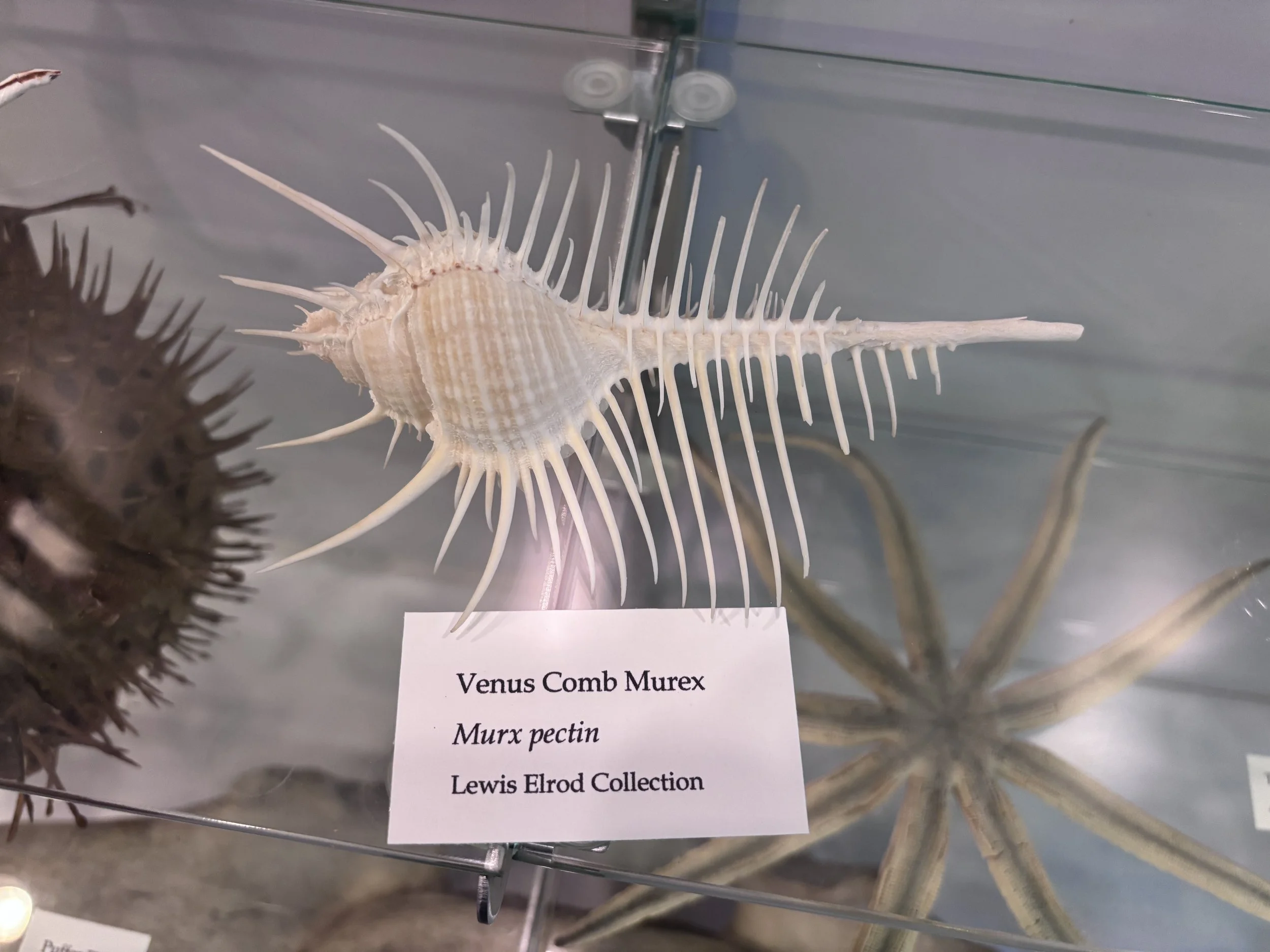
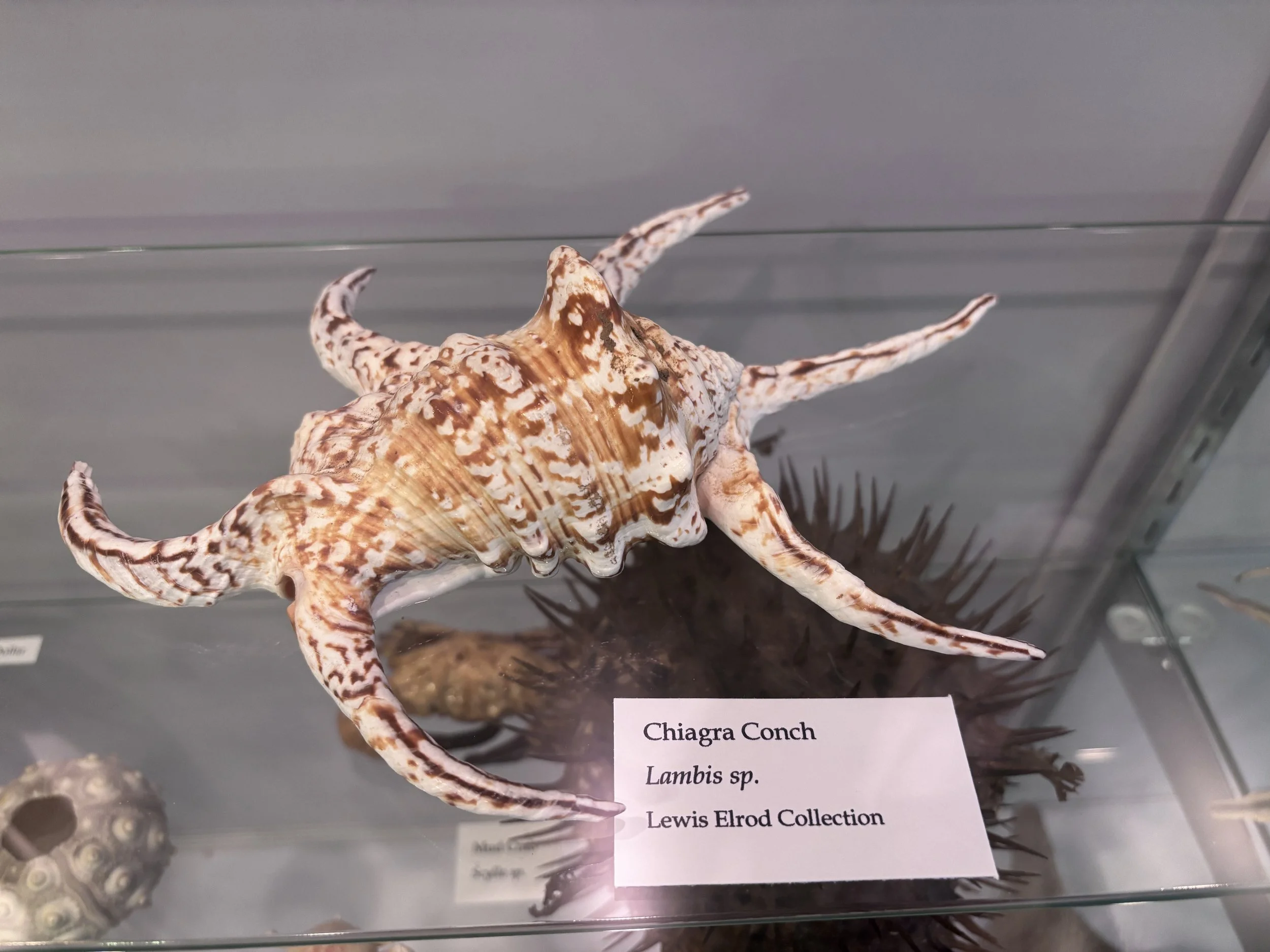
Gastropods (Late Cambrian – Present)
Gastropods are a class of soft-bodied invertebrates and are members of the phylum Mollusca, including things like snails and slugs. Gastropods have been around since almost the beginning of the fossil record, developing all the way back in the oceans of the Cambrian Period (485- 541 million years ago). Gastropod’s bodies are simple but highly adaptable, and have diversified far past marine living. Today there are species in the oceans, in rivers, on land, and even hydrothermal vents.
No results match your search. Try removing a few filters.