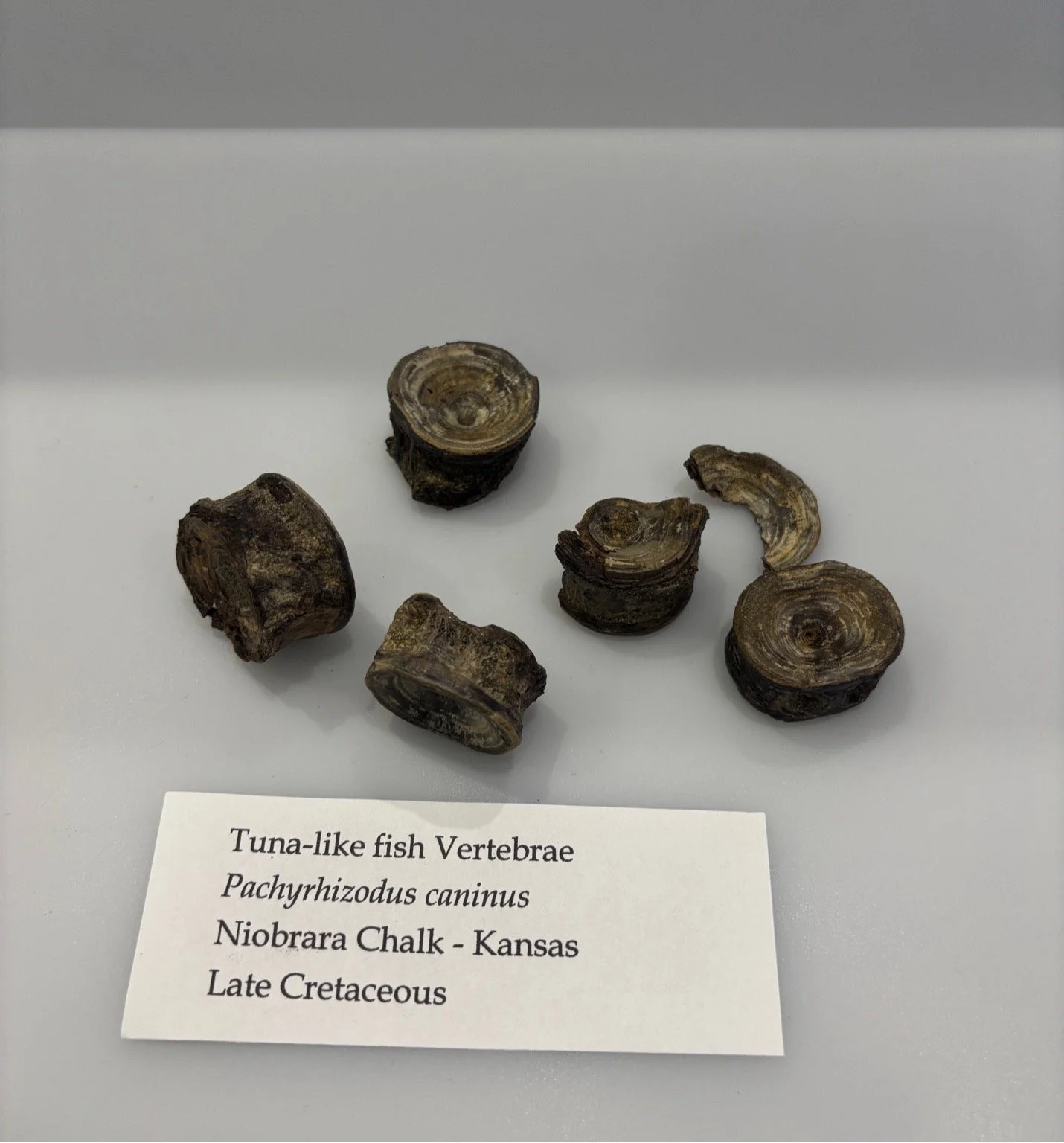
Fossil Collection Search
Check out our collection! Filter through time period and other categories and click on entries to learn more about them.
Check out our collection! Filter through time period and other categories and click on entries to learn more about them.
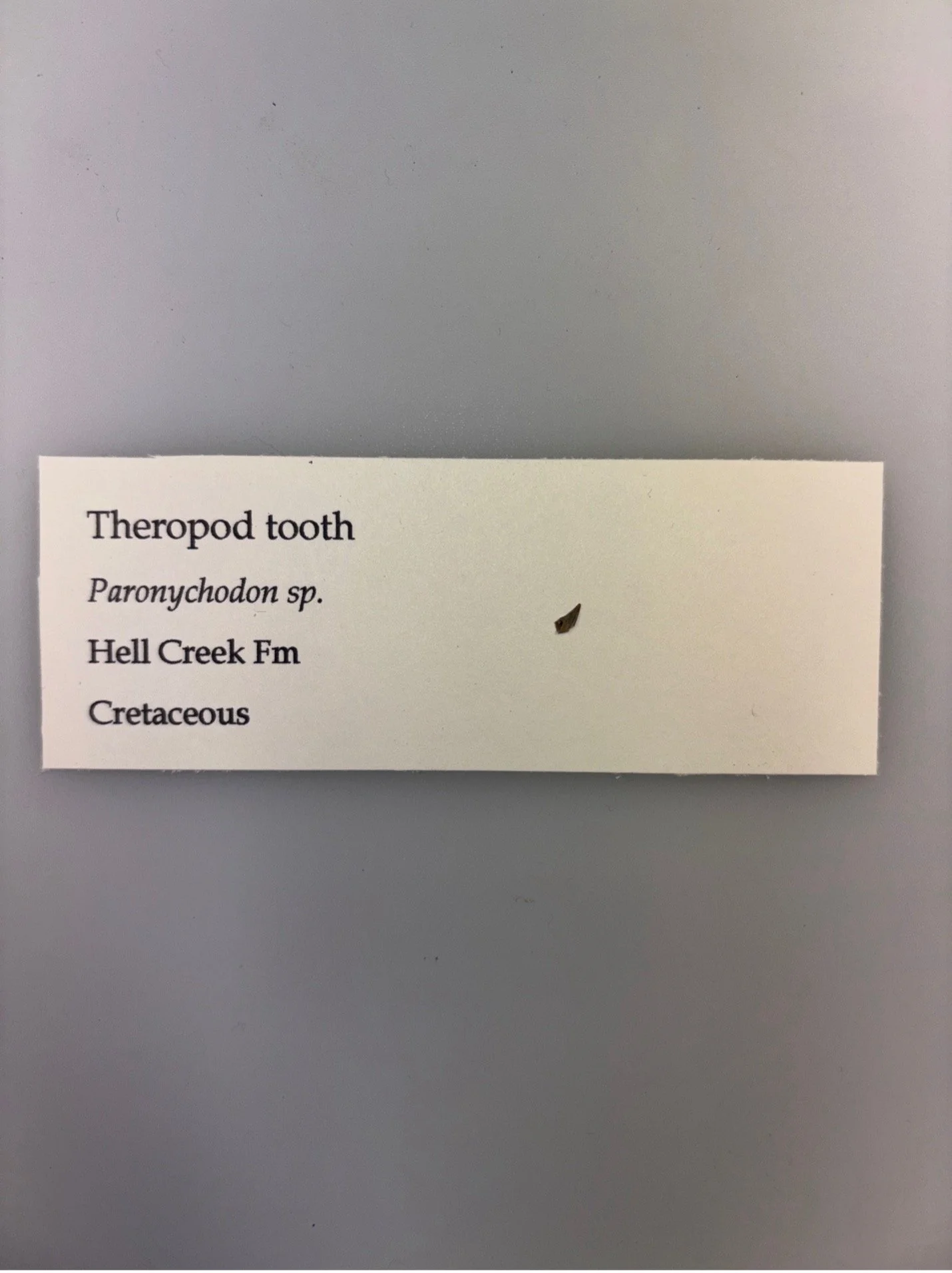
Little is known about the Paronychodon. The only fossils found as of yet of this group of theropds are teeth like the one pictured here. These mysterious carnivorous dinosaurs lived in North America during the late Cretaceous, and similar teeth have also been found in Eurasia, which may indicate that this genus could have been fairly far spread.
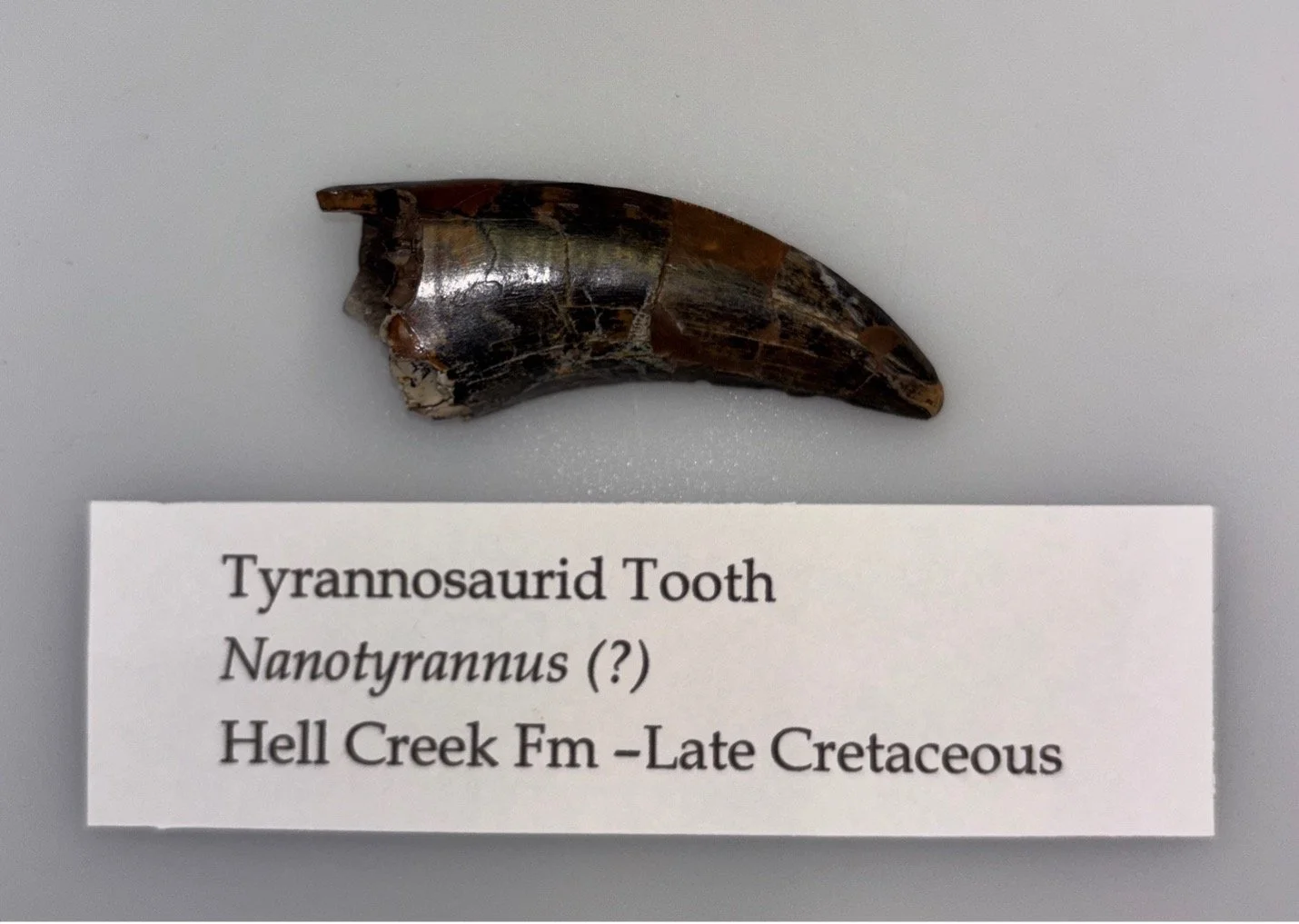
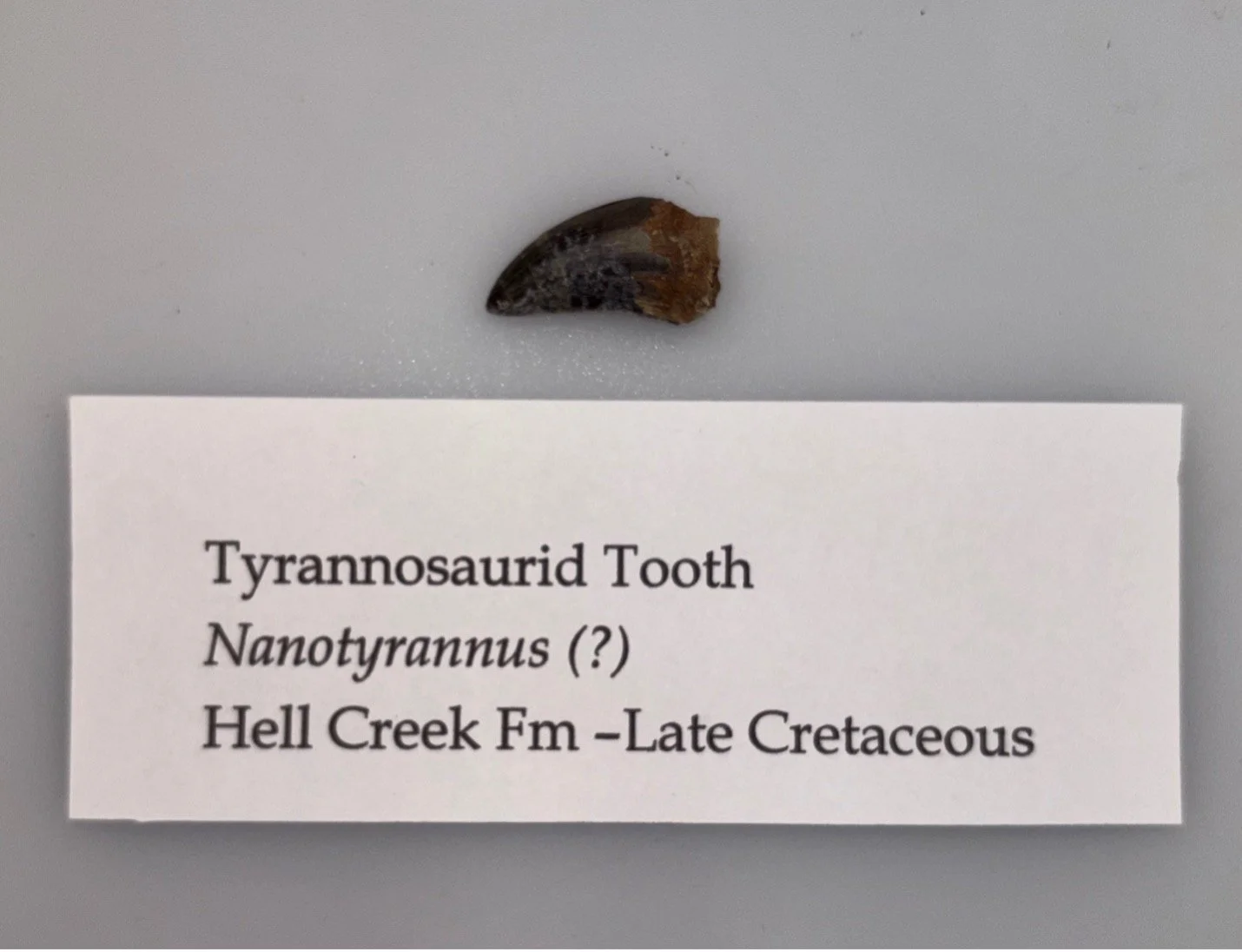
The Nanotyrannus is a newly confirmed genus of therapod dinosaur that lived alongside the Tyrannosaurus Rex at the end of the Cretaceous period. For years, scientists debated over whether this smaller was a teenage T. Rex or its own distinct species. In 2025, the researchers at North Carolina Museum of Natural Sciences determined that the theropod in their famous fossil “The Dueling Dinosaurs” was full grown at the time of death. This discovery settled the debate once and for all. Now that the two species are officially split, our understanding of both the Nanotyrannus and the T. Rex are forever changed.
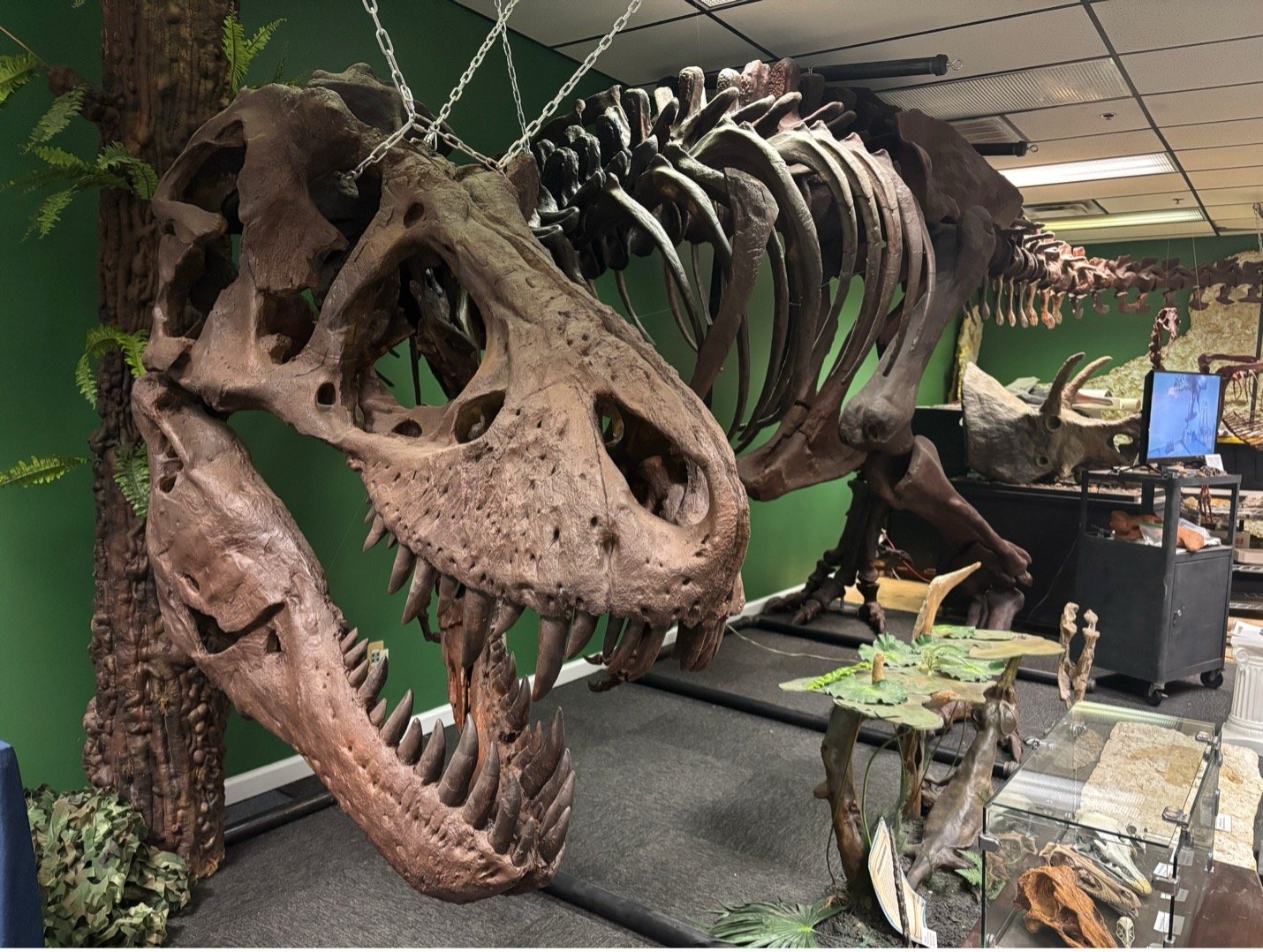
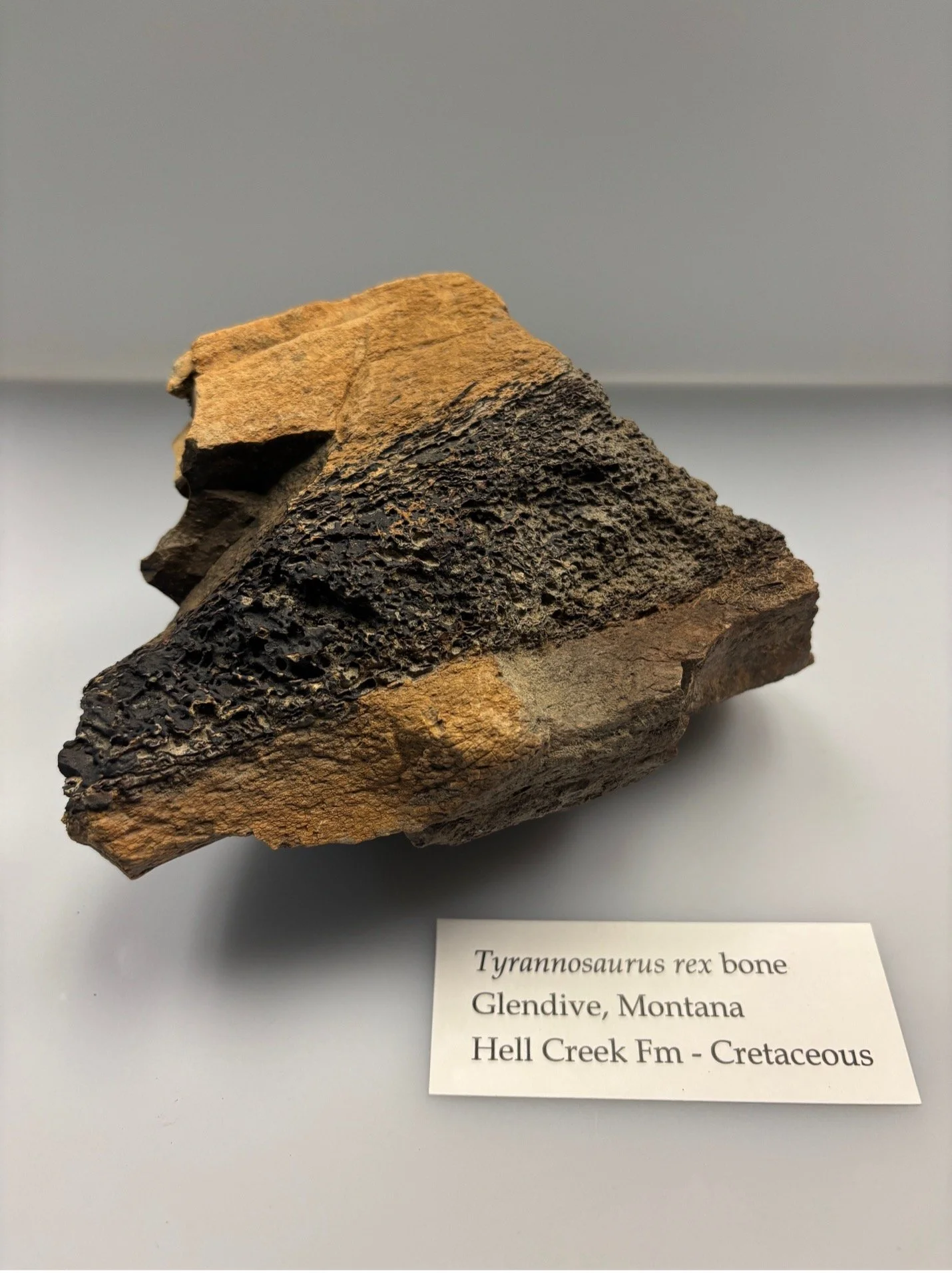
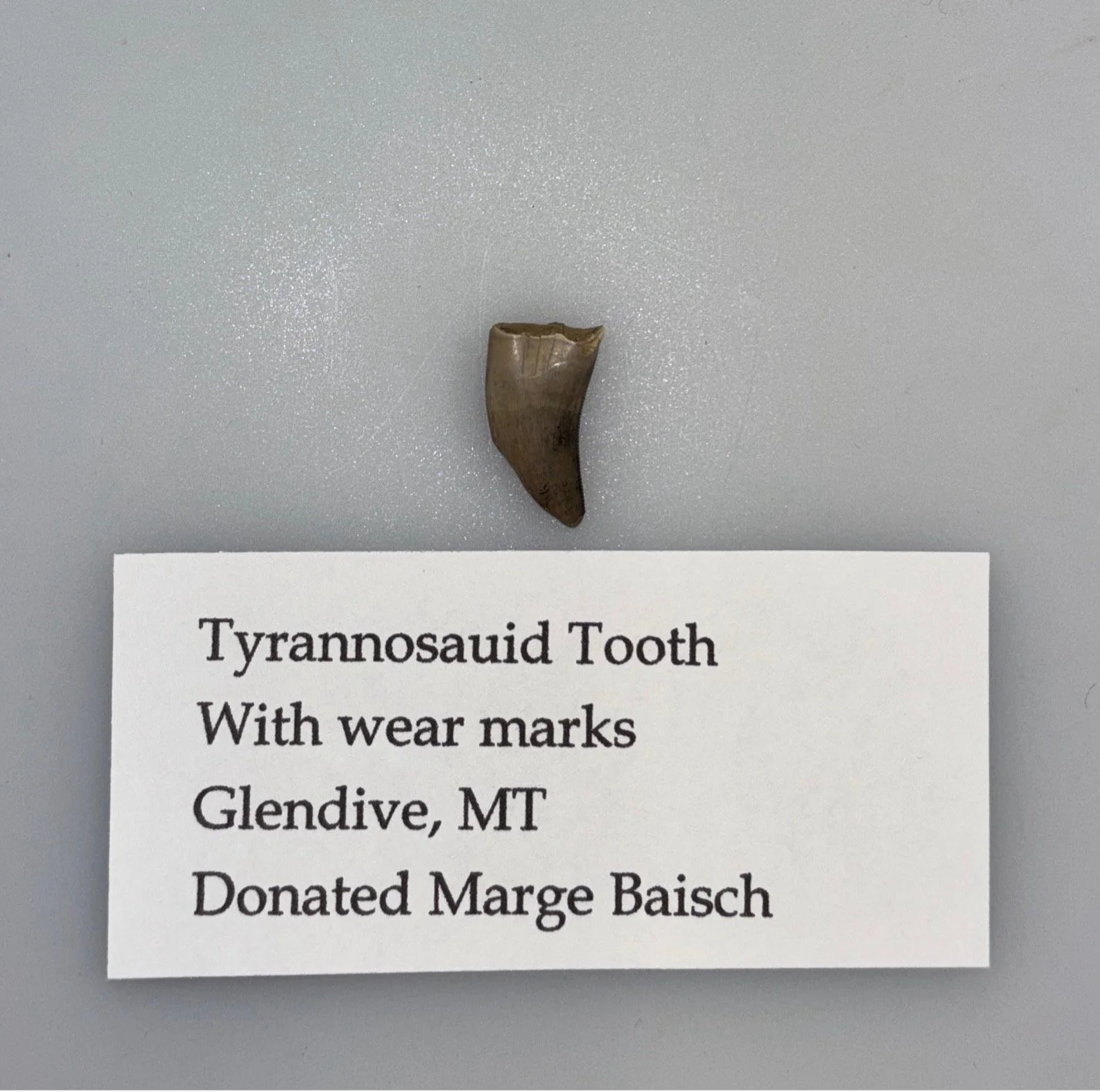
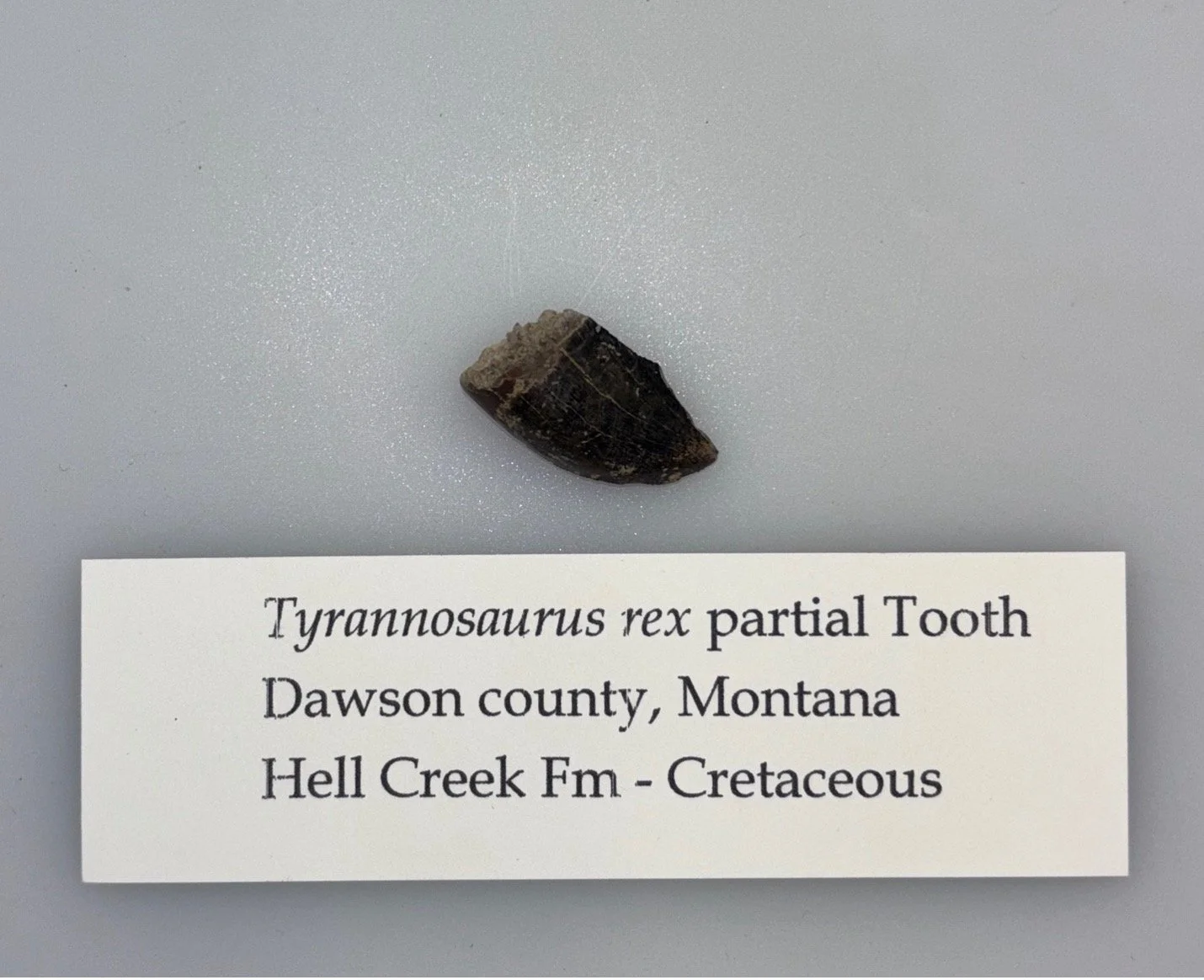
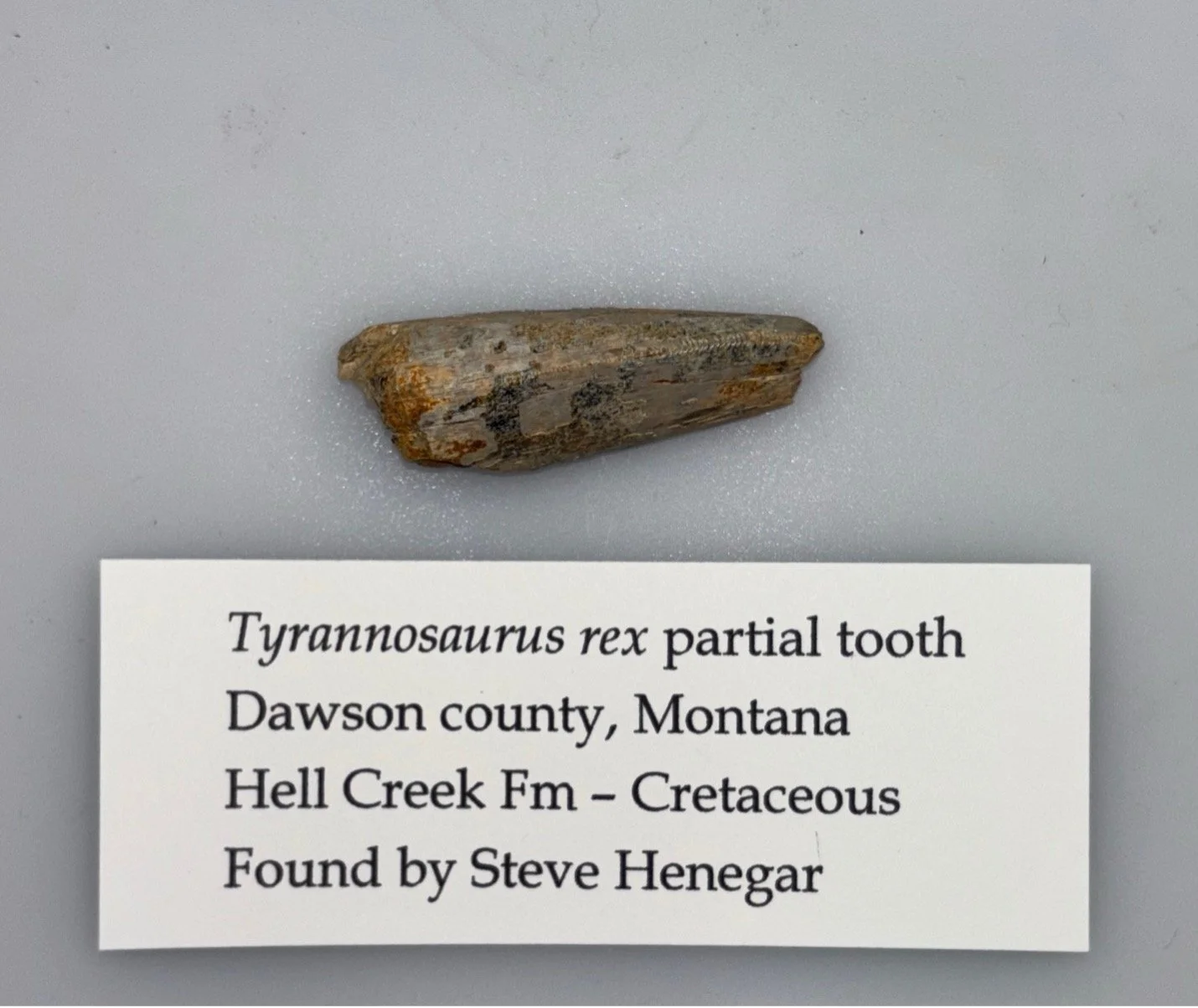
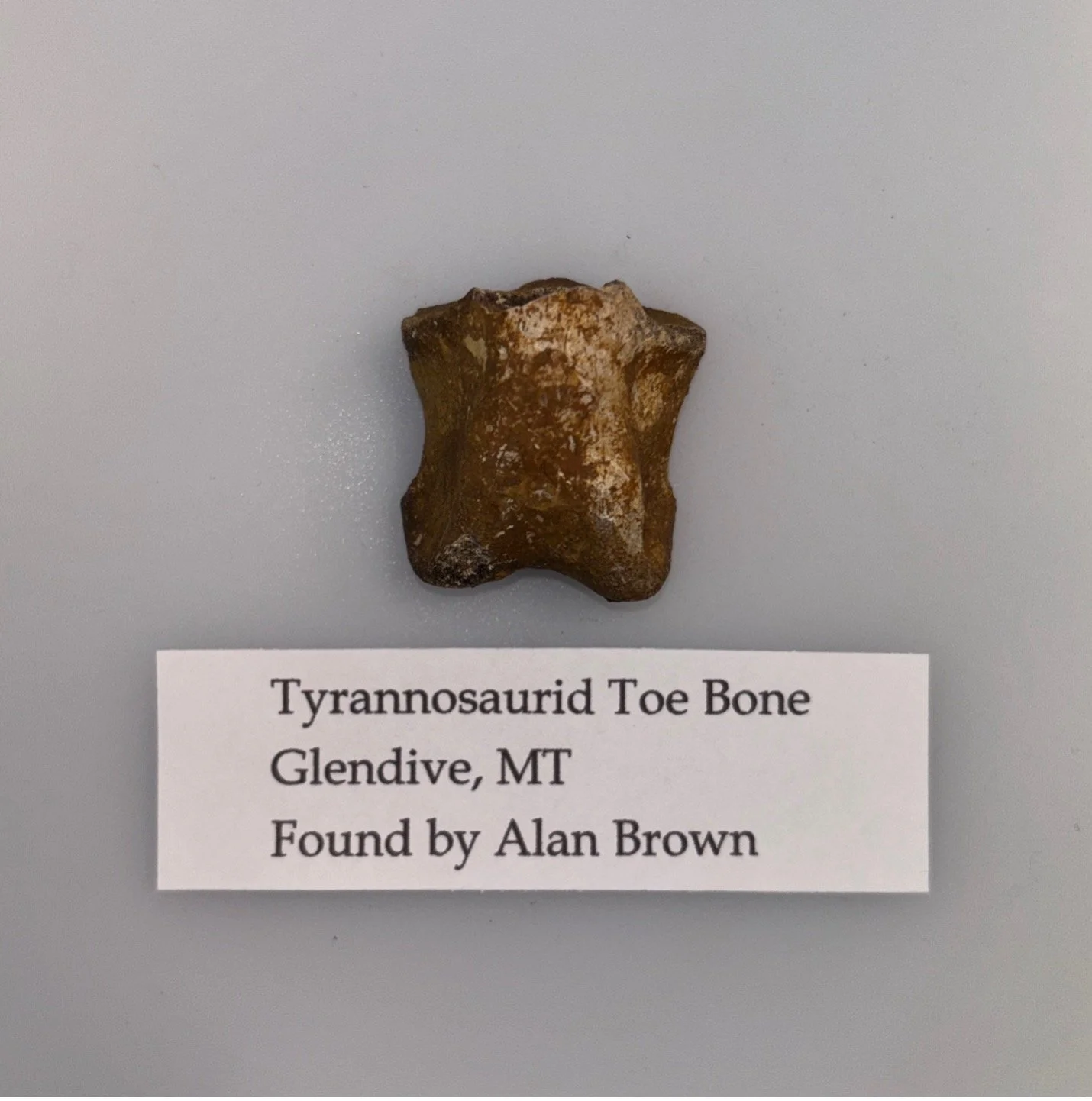
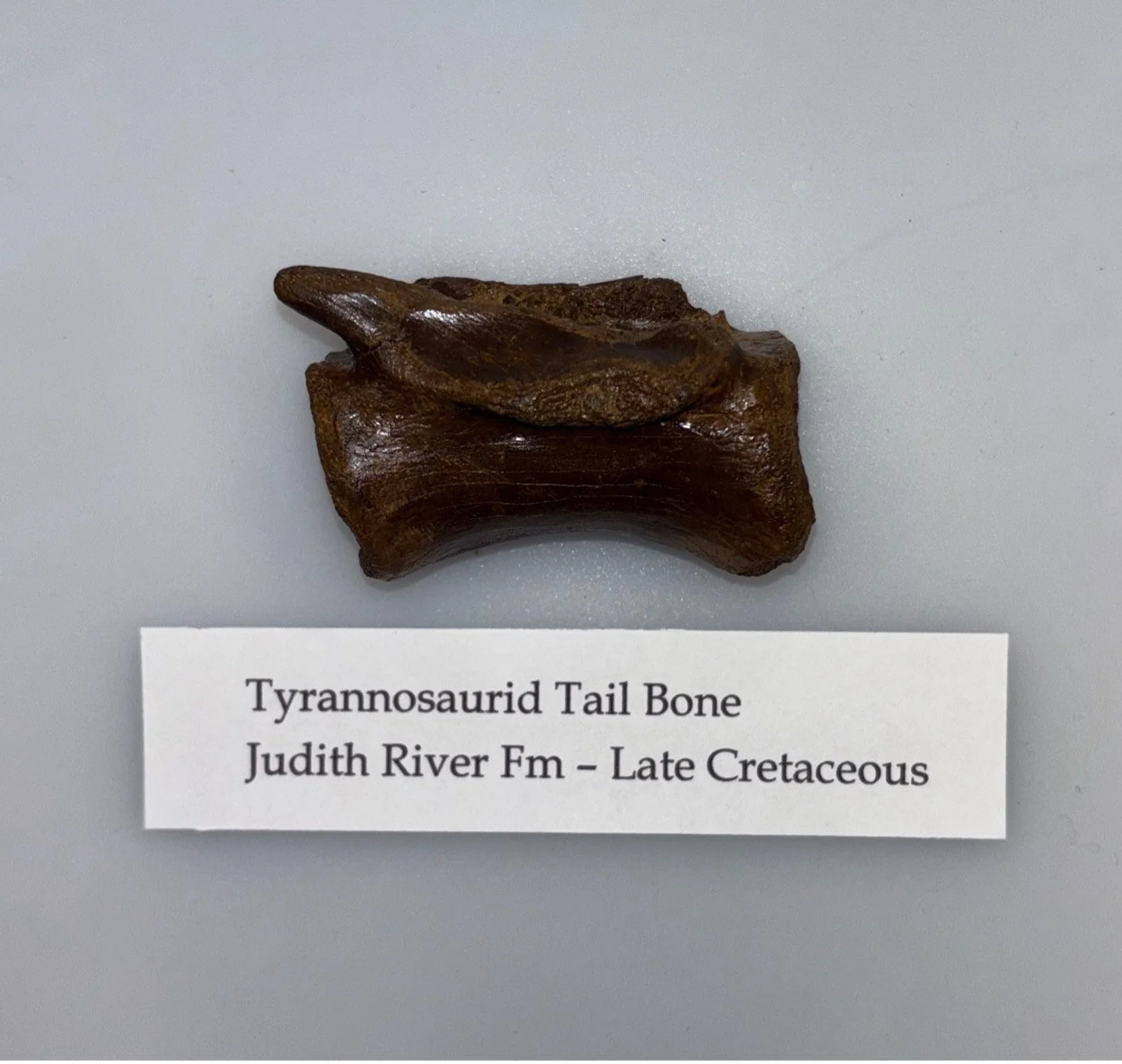
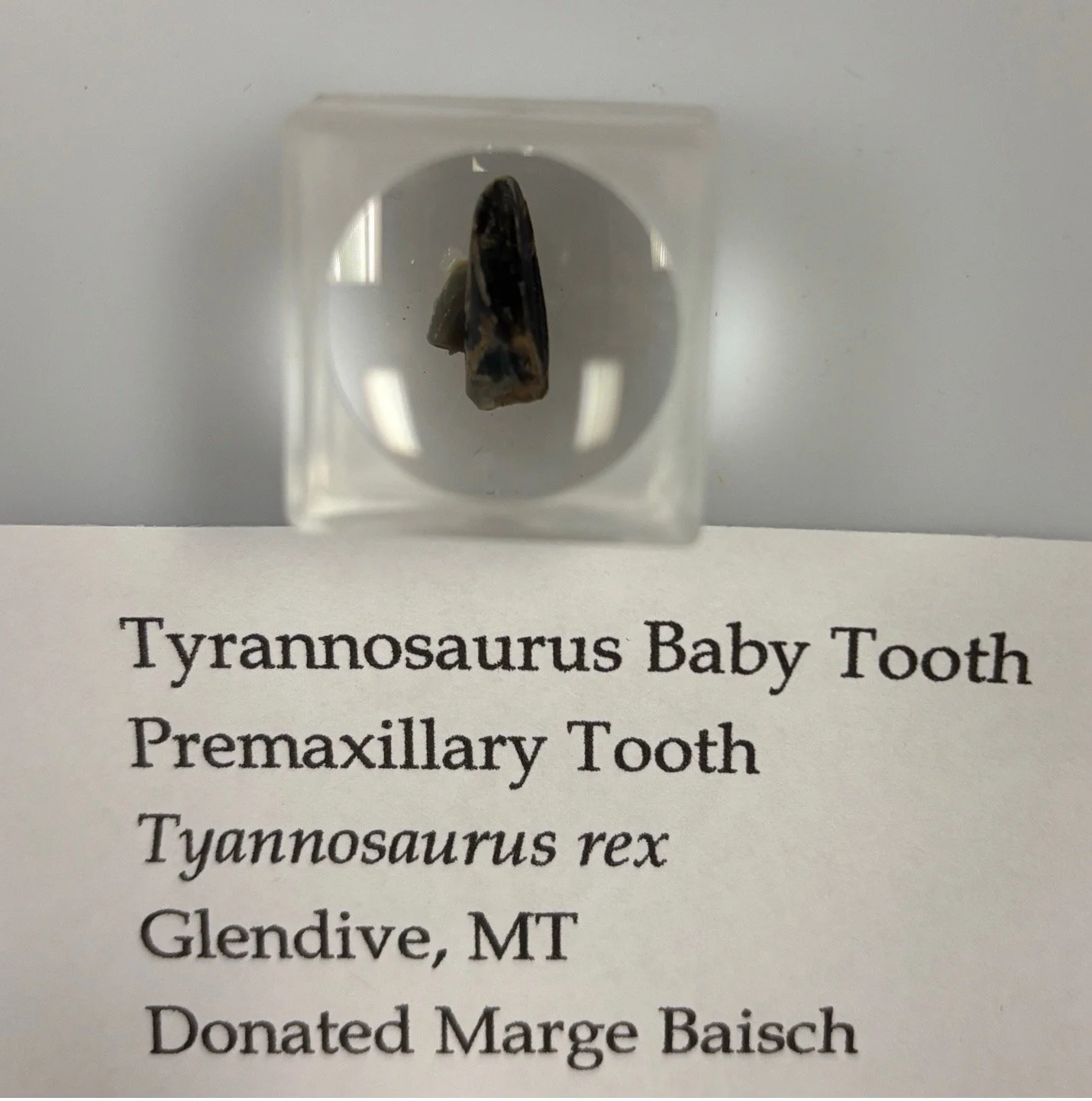
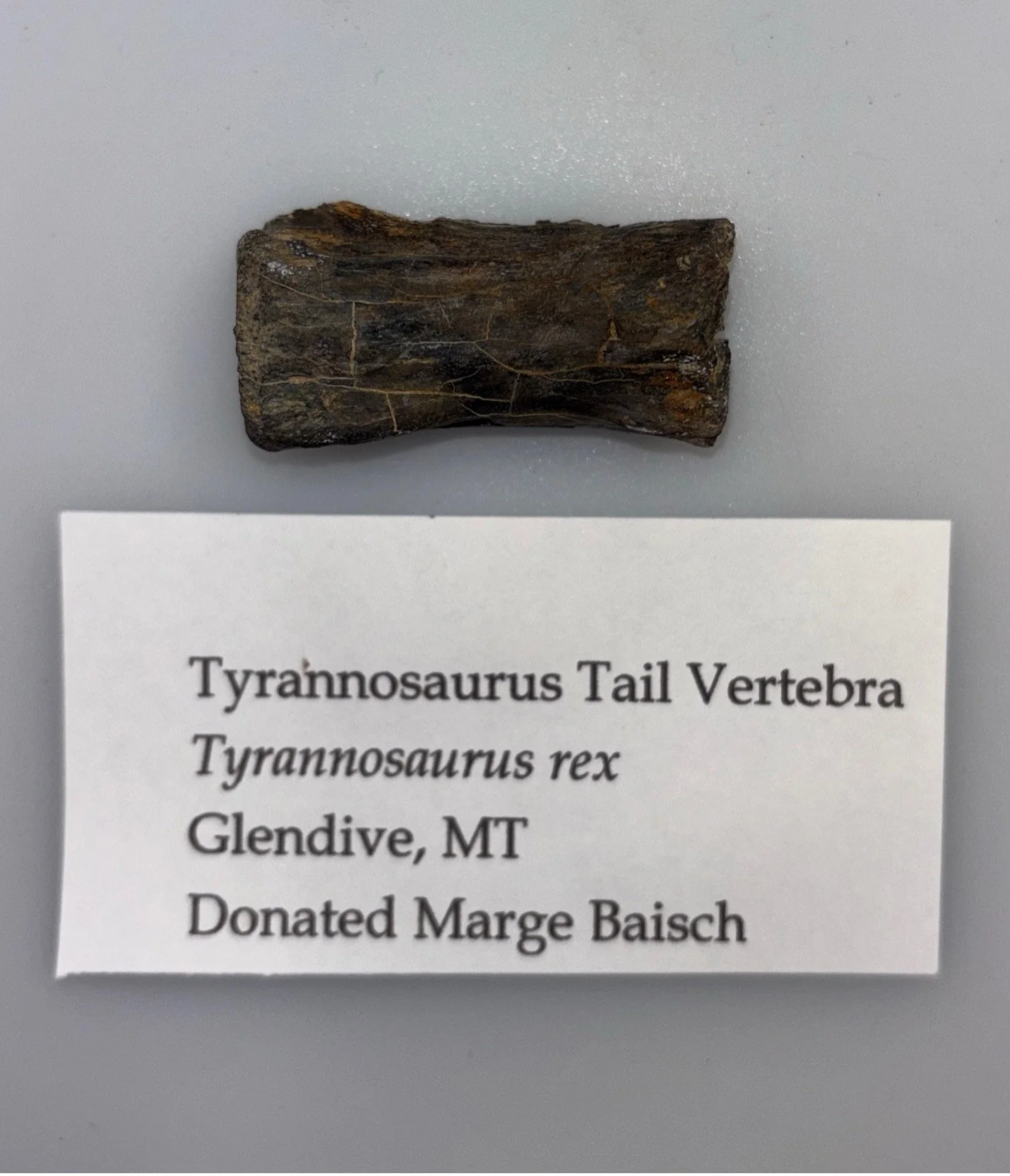
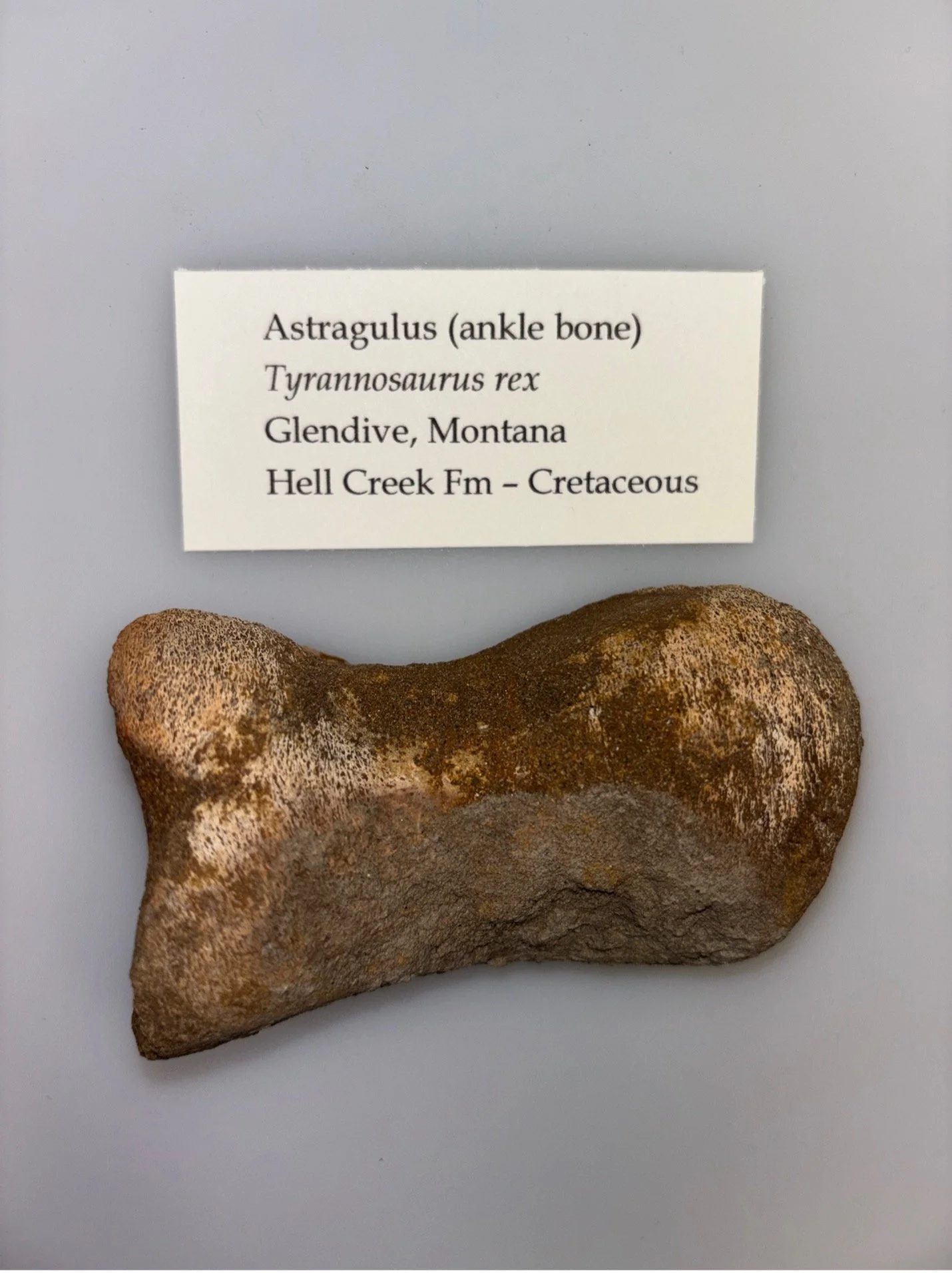
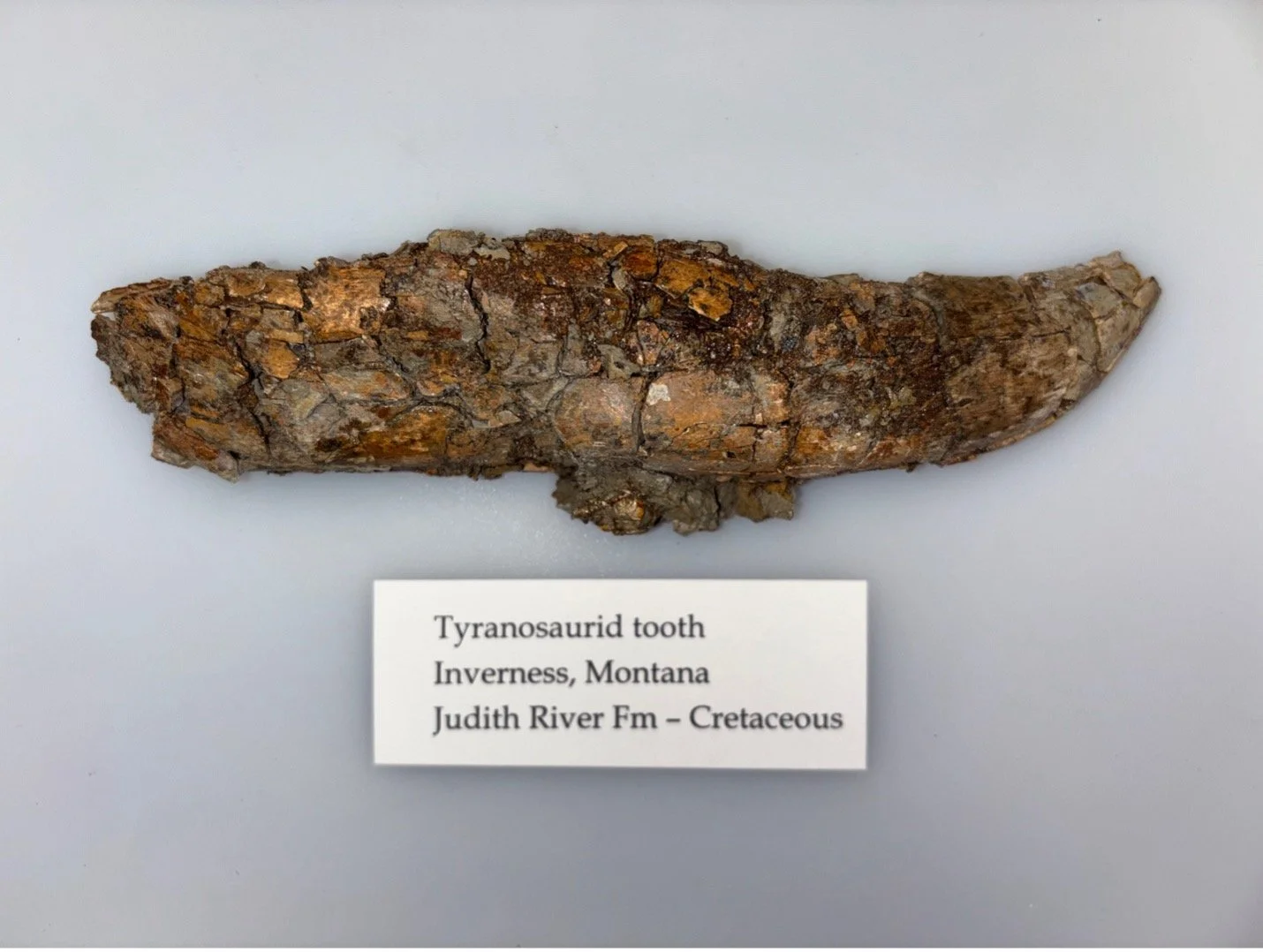
One of the most famous and beloved dinosaurs, the Tyrannosaurus Rex, was the king of Hell Creek back during the late Cretaceous. Its name translates to “king of the tyrant lizards”, which it earned by being the biggest theropod (12 feet tall and 40 feet long) and possessing the greatest bite force of any land animal ever (8,000 – 12,800 lbs. per square inch). The T. Rex is often noted for its large head full of long sharp teeth which was ideal for taking big bites out of its big prey like the Triceratops or Edmontosaurus. Its small arms are also cause for conversation; some scientists think their small (approx. 3 feet) arms were a trade off for its large head, which was much more useful than long arms would have been considering its very large prey items. It is also possible that T. Rexes simply ‘grew out’ of their arms, as younger T. Rex specimens have for more proportional limbs.
At Earth Experience, you can see a full-scale T. Rex model named Frank and get a feel for just how big these tyrants were.
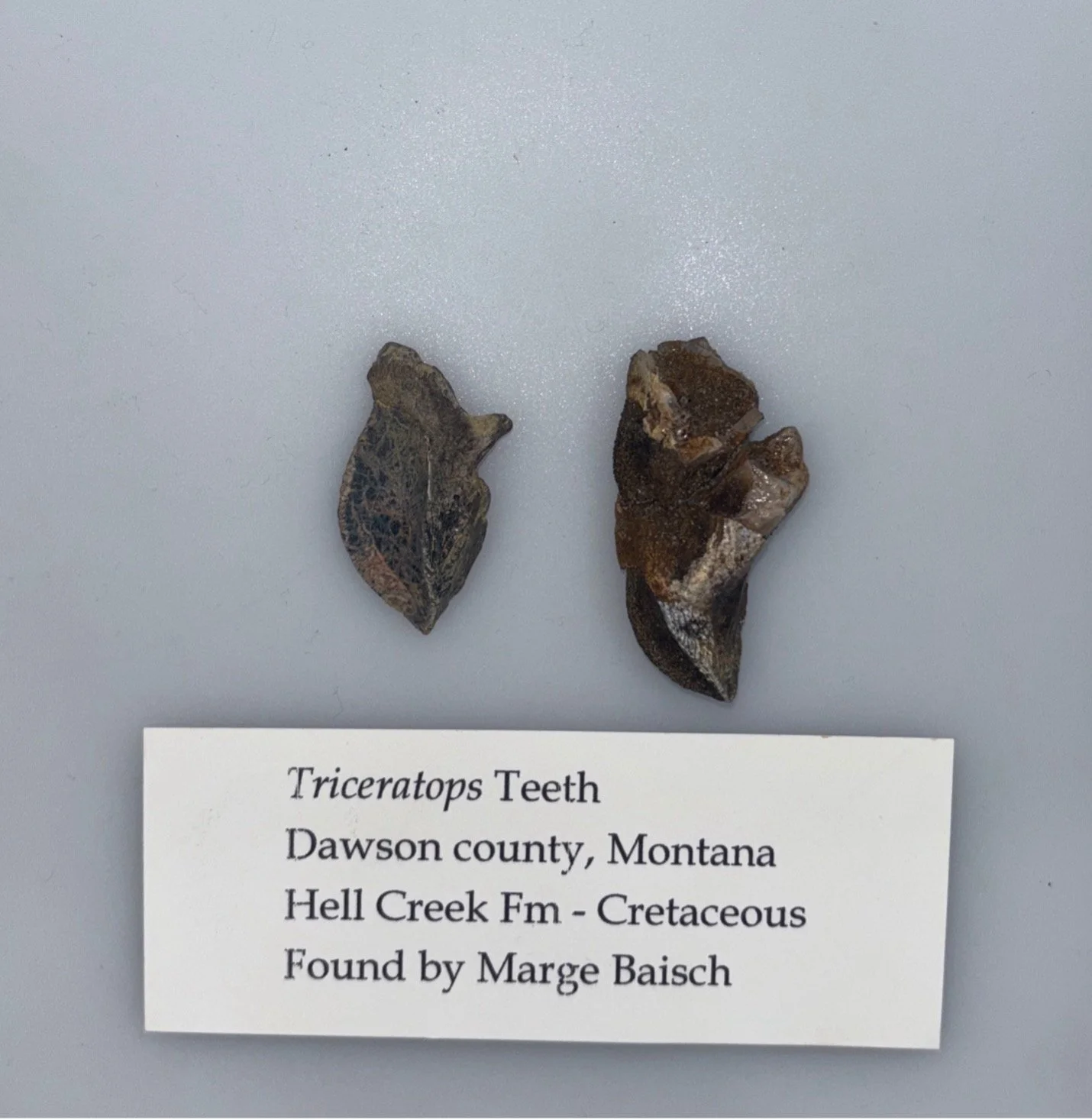
The Triceratops was a tank-sized herbivore that lived up to the end of the age of the dinosaurs. The Triceratops had several defining features like its three horns used to defend against T. Rex attacks and a beak it used to shear palm fronds to eat. The purpose of its large fan-like structure on the back of its head called the ‘frill’ is still a matter of debate. Some think the frill was a defensive measure to protect its neck from the devastating bite of a T.Rex, others think it likely displayed distinctive colors/patterns to attract mates or be recognizable to other Triceratops. There are even theories that it was used as thermoregulation, at the frill was full of veins that could have allowed the animal’s blood to cool.
At Earth Experience, we have been lucky enough to be able to work on a Triceratops skull from the Hell Creek Formation in Montana. Our specimen is likely a subadult, meaning that even with its size, full grown Triceratops would still be slightly bigger. Due to erosion, our skull is missing its horns, which is unfortunately common with Triceratops fossils. It does still have a lot of its frill still protected in its plaster jacket until more of the base skull is prepared and stabilized. Come see this work in progress in person!
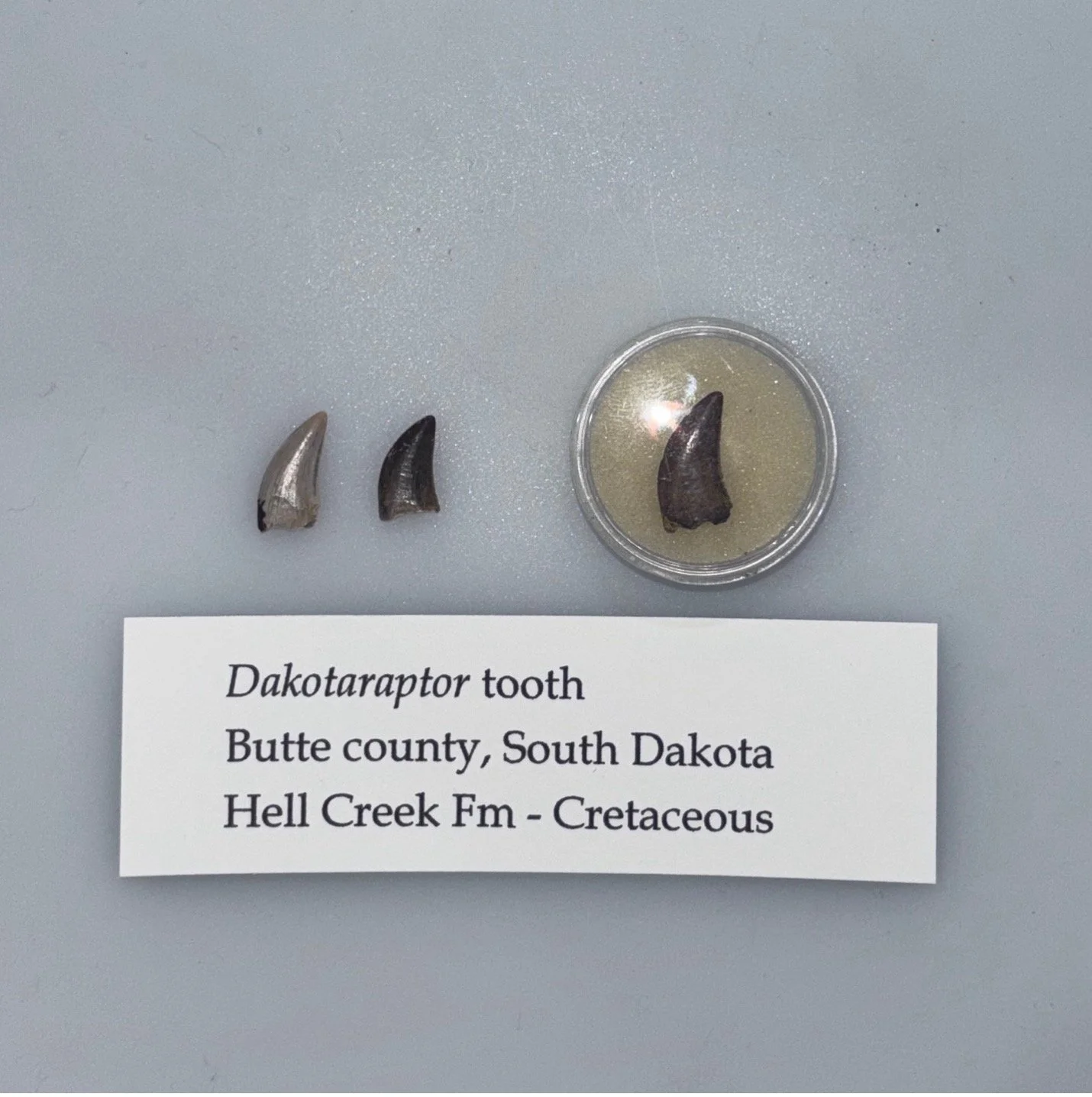
Dakotaraptor was a mid-sized carnivorous theropod dinosaur discovered in the South Dakota region of the Hell Creek Formation. At an estimated 16 feet in length from nose to long feathered tail, the Dakotaraptor bridges the gap between the gigantic tyrannosaurids like the T. Rex and smaller theropods like the Pectinodon. The Dakotaraptor is the second largest raptor species discovered, only dwarfed by the Utahraptor.
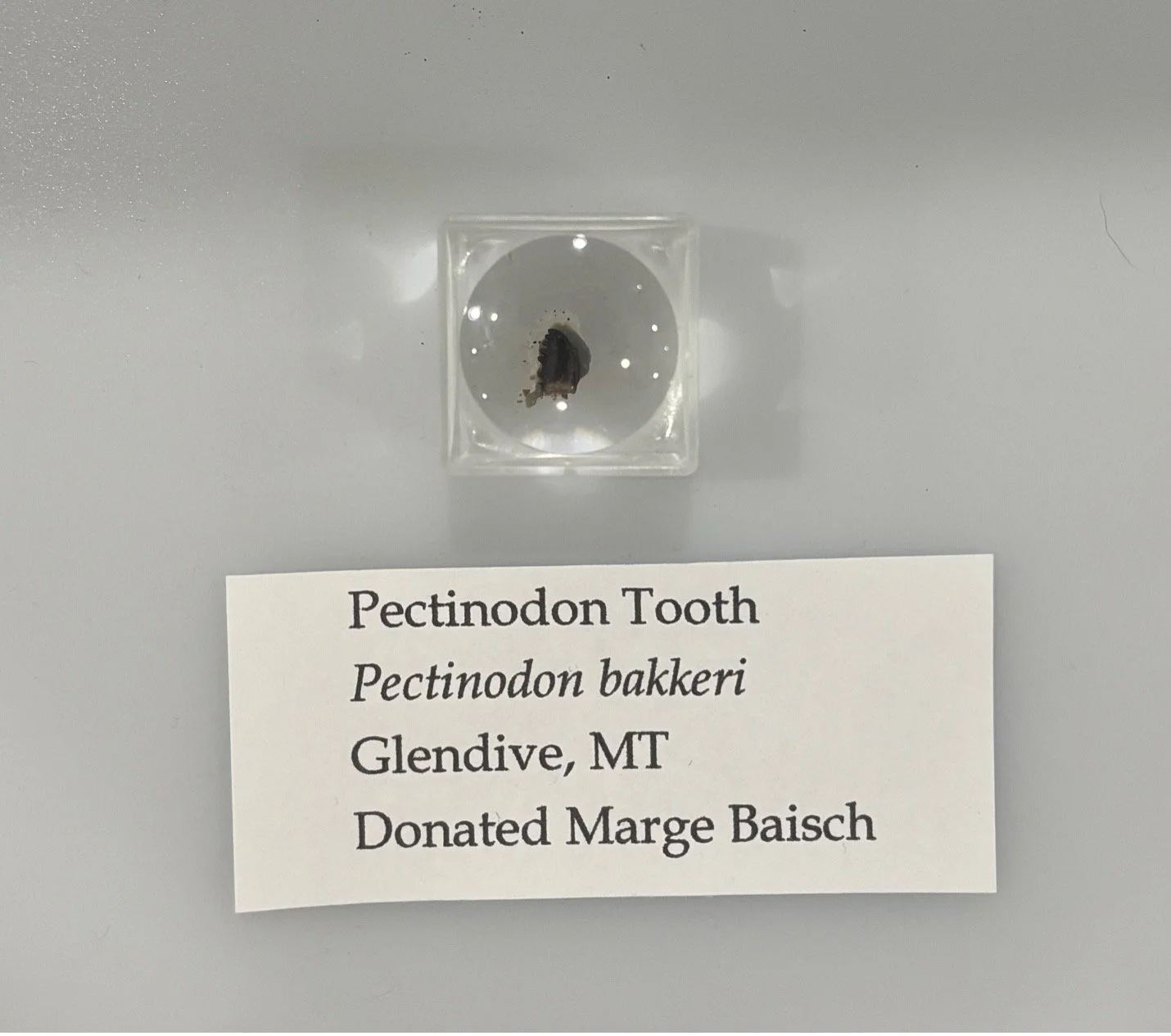
Pectinodon bakkeri was a small bird-like dinosaur in the theropod family. Little is known for certain about the Pectinodon due to scant fossil evidence aside from the animal’s comb-like teeth. By comparing the teeth to other small theropods, it is assumed that Pectinodons was a small, agile, feathered predator. Its few fossils have largely come from the Lance Formation in Wyoming.
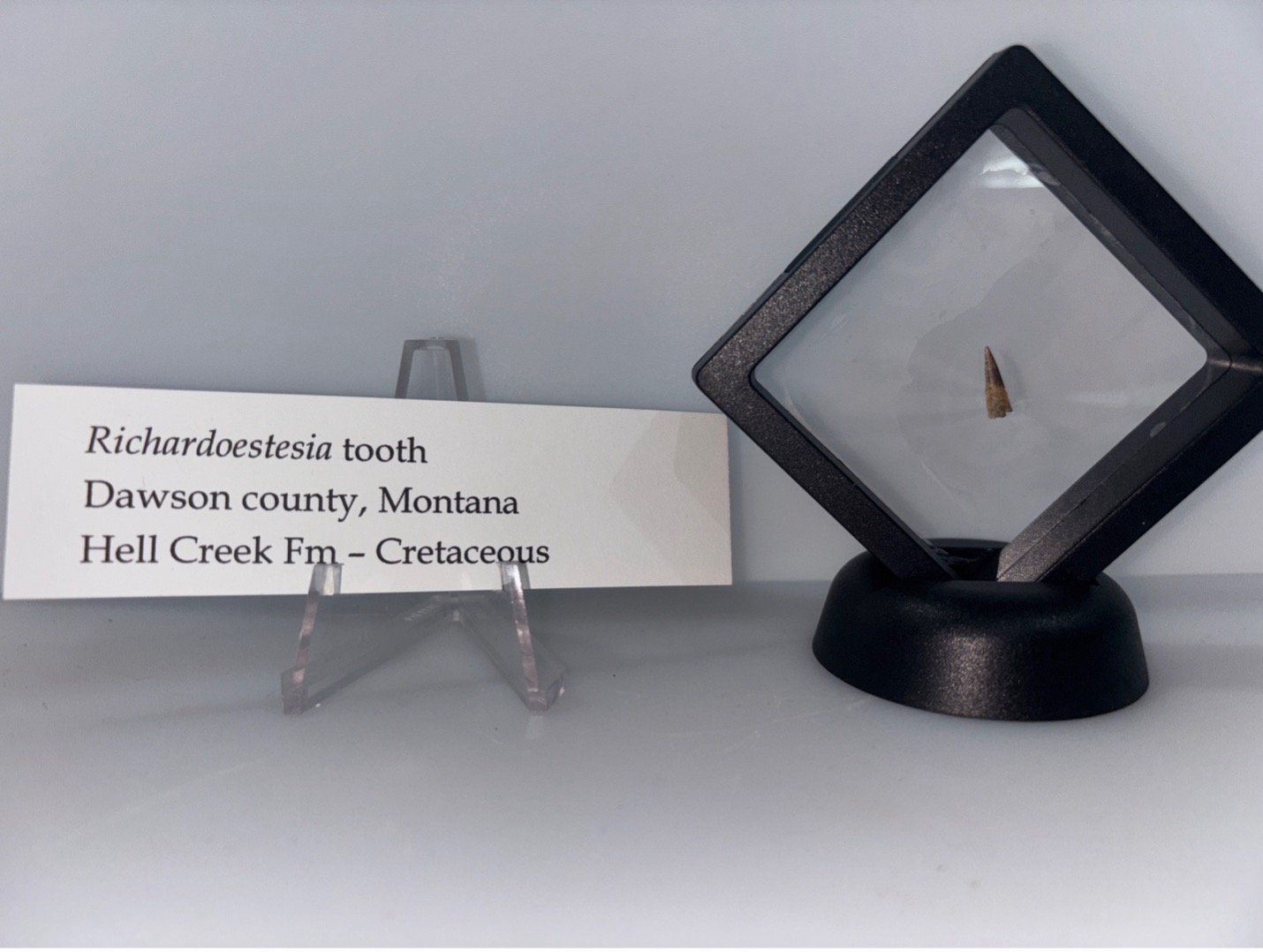
Little is known about the Richardoestesia because there has not been a lot of fossil evidence for this morphogenus. What is known about this group comes from fossil teeth like the one pictured here, which have been found in Southern Canada, Northwest United States, and even in some locations in Asia and Europe. From the teeth found, scientists believe this group of dinosaurs were therapods and carnivorous. More fossil evidence needs to be found before more conclusions can be drawn about this mysterious group.
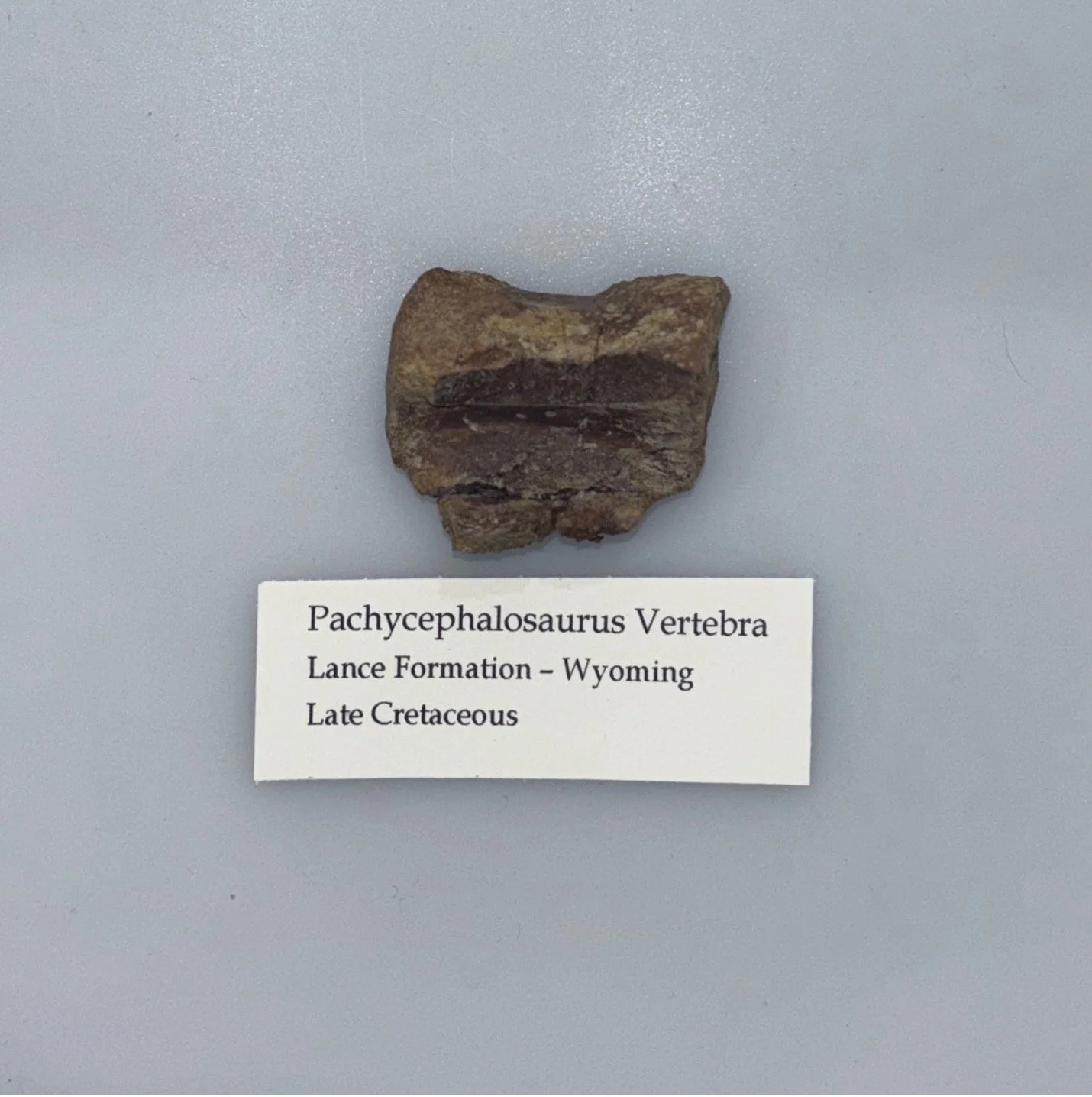
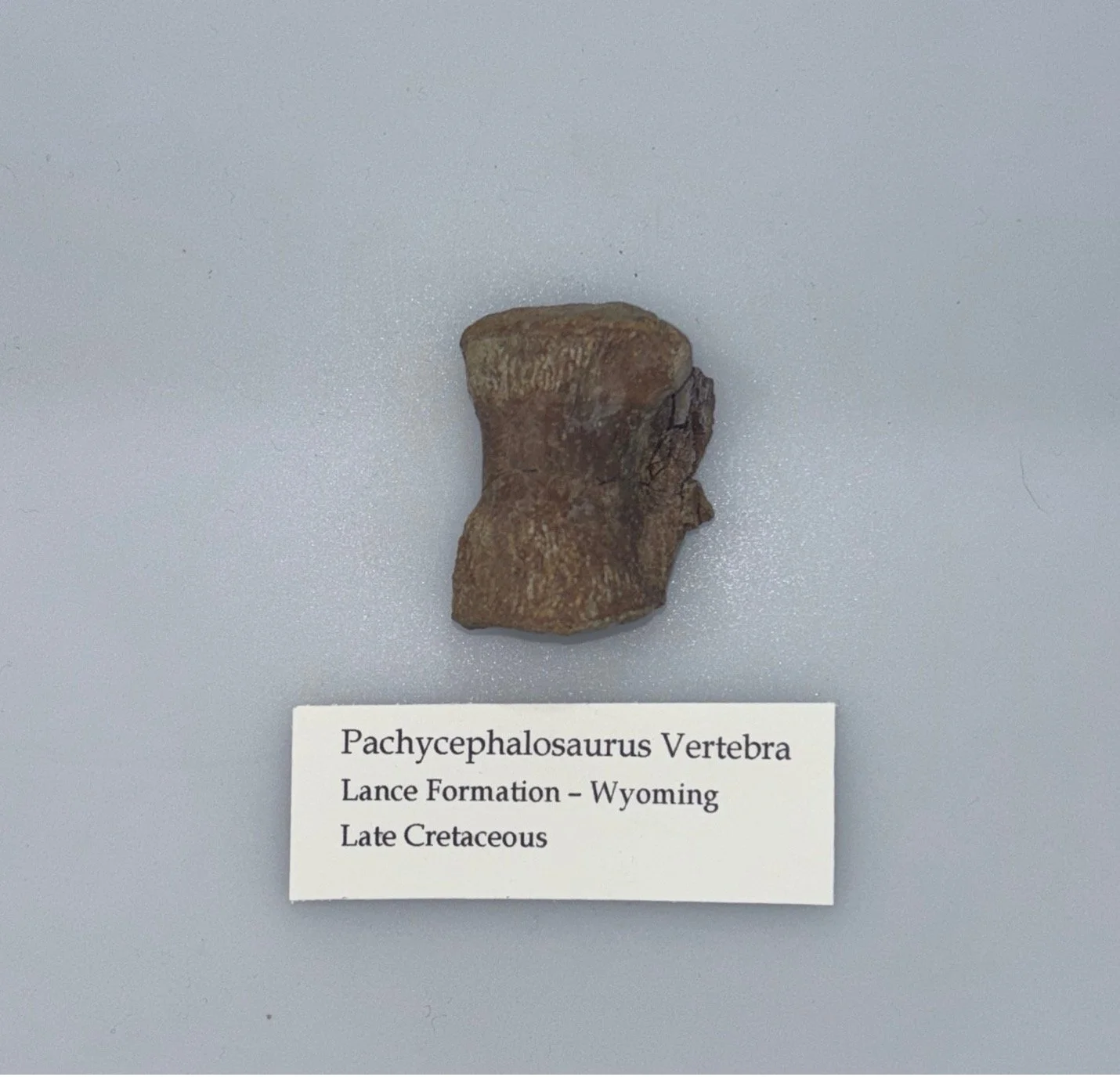
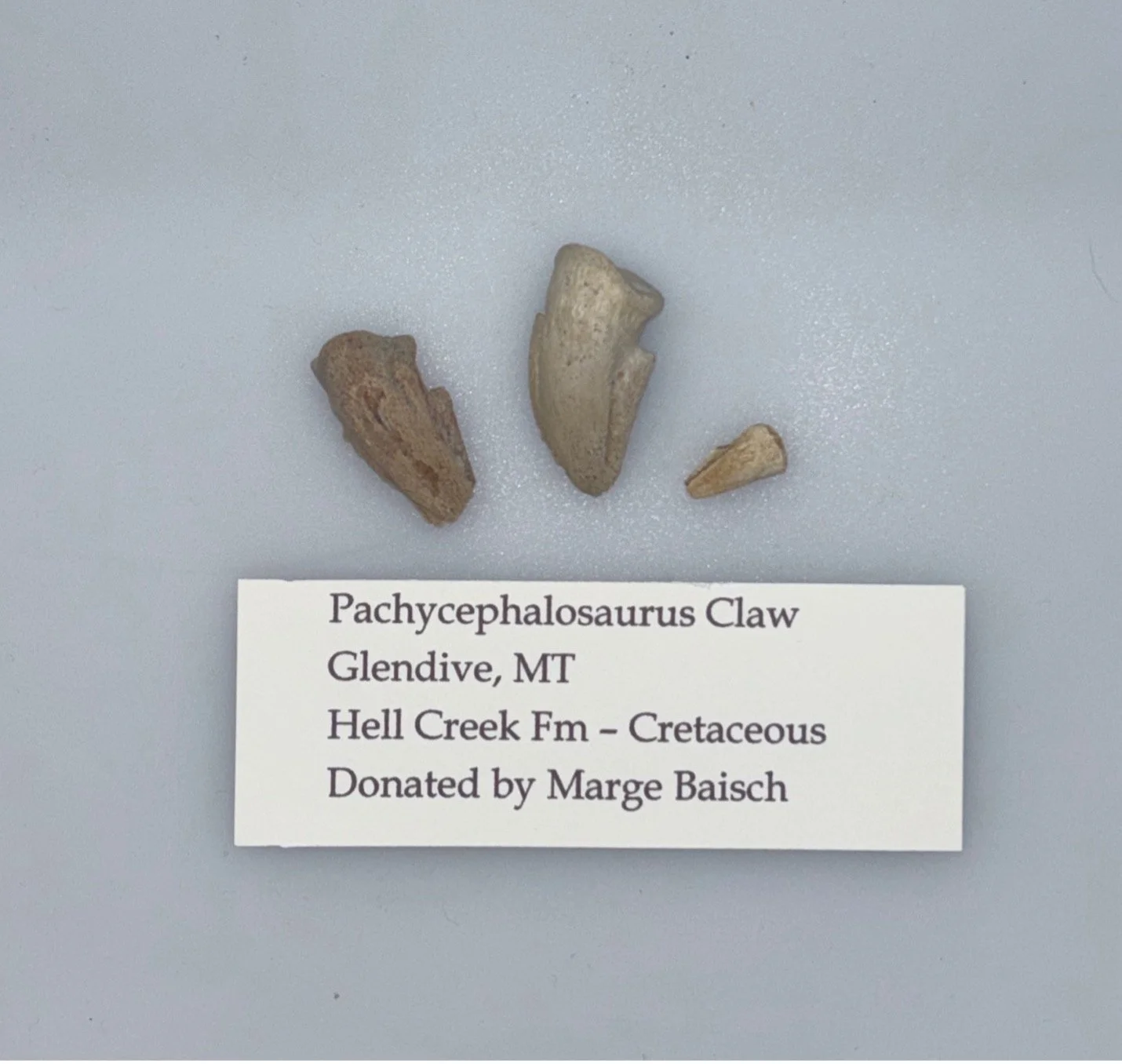
Pachycephalosaurus was a bipedal herbivorous dinosaur which is best known for its odd, dome-shaped plate on top of its head. Scientists have not yet come to an agreement on what their hard heads were used for; some think they may have used them to ram others of their species, while others think it was for display to impress potential mates. Others yet think their noggins were used for a combination of the two.
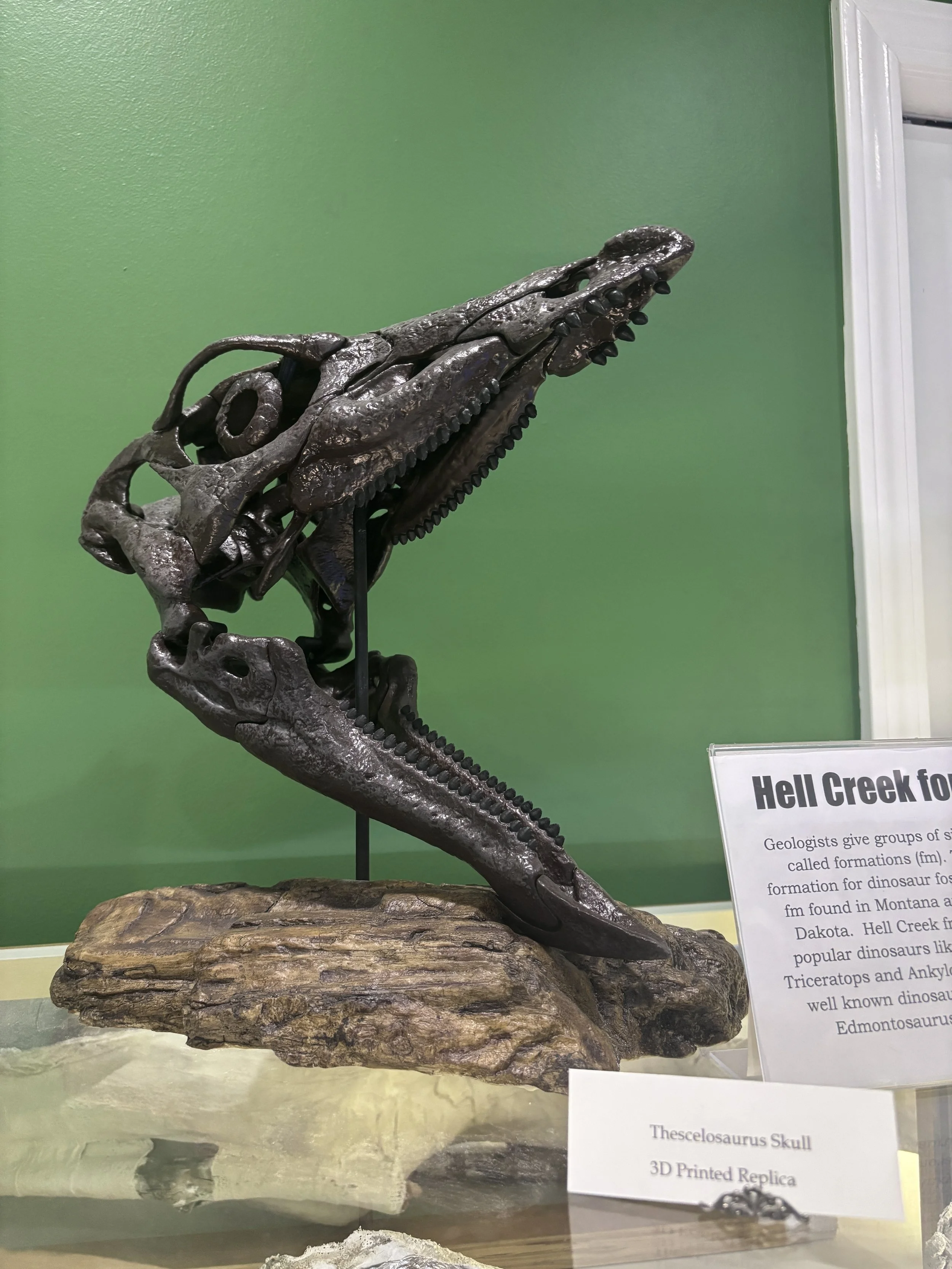
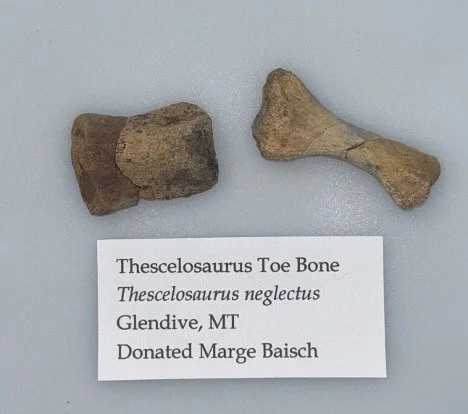
Thescelosaurus was a genus of ornithischian (bird-hipped) dinosaurs that made its home in North America. Thescelosaurs were beaked herbivores that grew to be 10-13 feet long. By studying its cranial structure, scientists have come to believe that the Thescelosaurus relied on a keen sense of smell to find buried roots and tubers to eat.
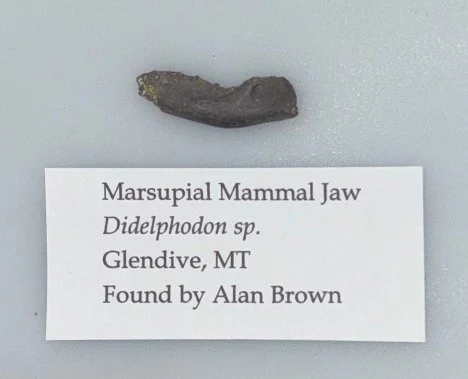
Didelphodon was an omnivorous and likely scavenging mammal that lived during the Cretaceous period. It was one of the largest mammals at the time, yet only grew about 3 feet long. It had sharp teeth and a strong bite force, which helped it crack the shells of turtles, clams, and snails. It also likely ate eggs, aquatic vegetation, and the carcasses of dinosaurs.
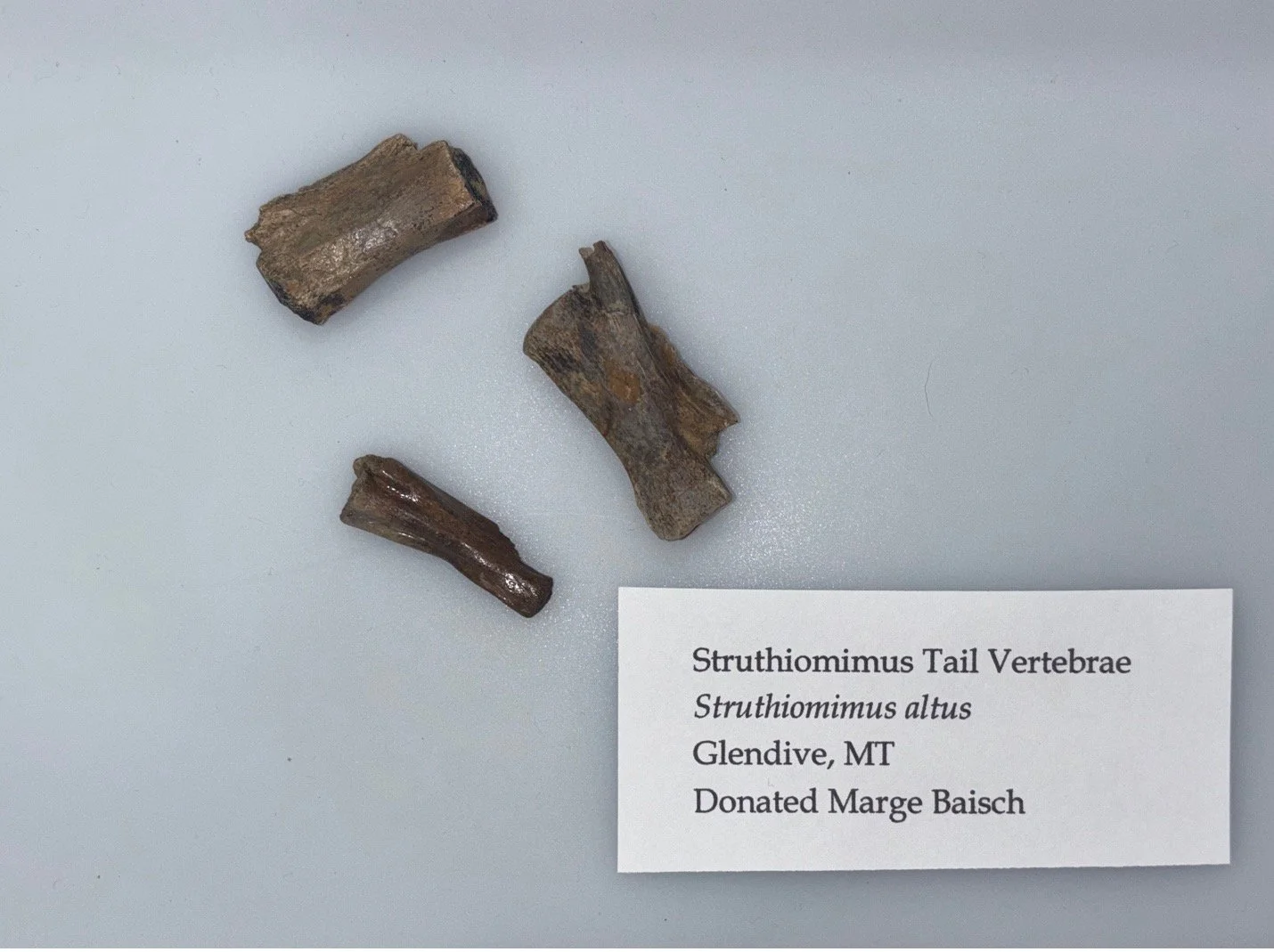
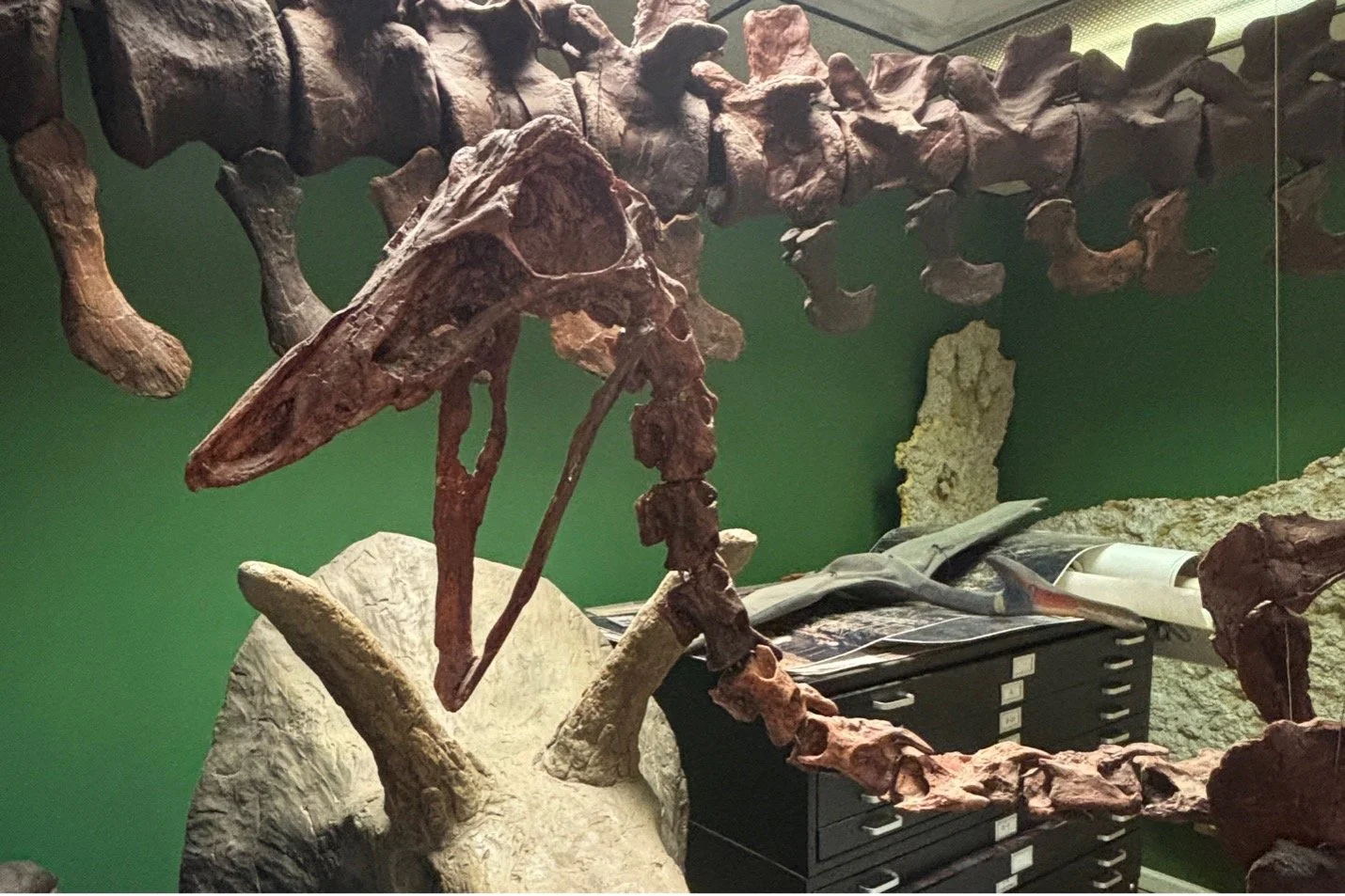
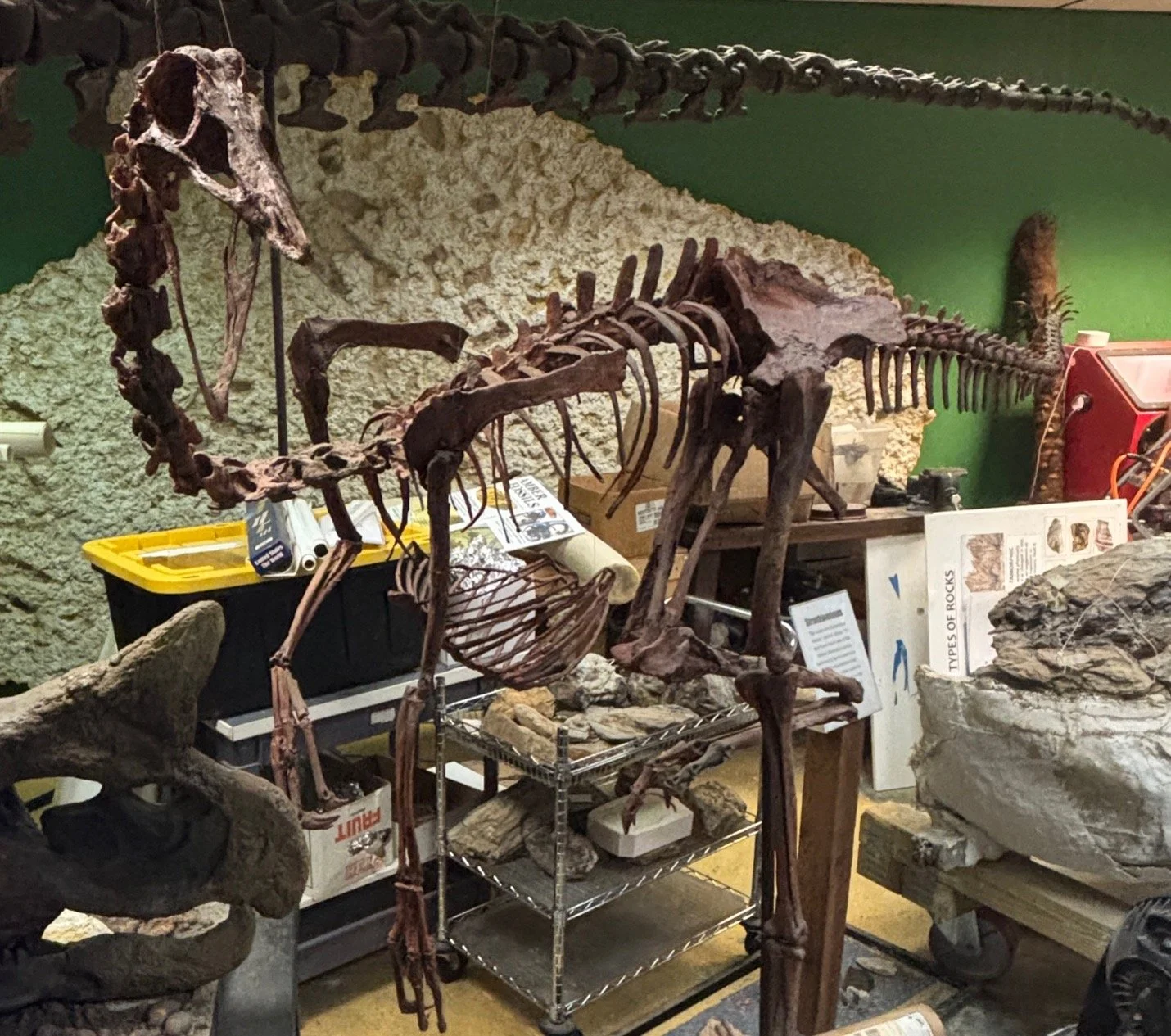
Struthiomimus was a mid-sized theropod dinosaur (about 13 feet from beak to tail). The name Struthiomimus literally translates to “ostrich mimic”, which is an apt name, as this dinosaur heavily resembles modern flightless birds. Besides its ostrich-like appearance, the Struthiomimus is perhaps best known for its estimated speed. Scientists think these animals could run 30-50 miles per hour, similar to modern Grizzly Bears, Lions, and conveniently, ostriches.
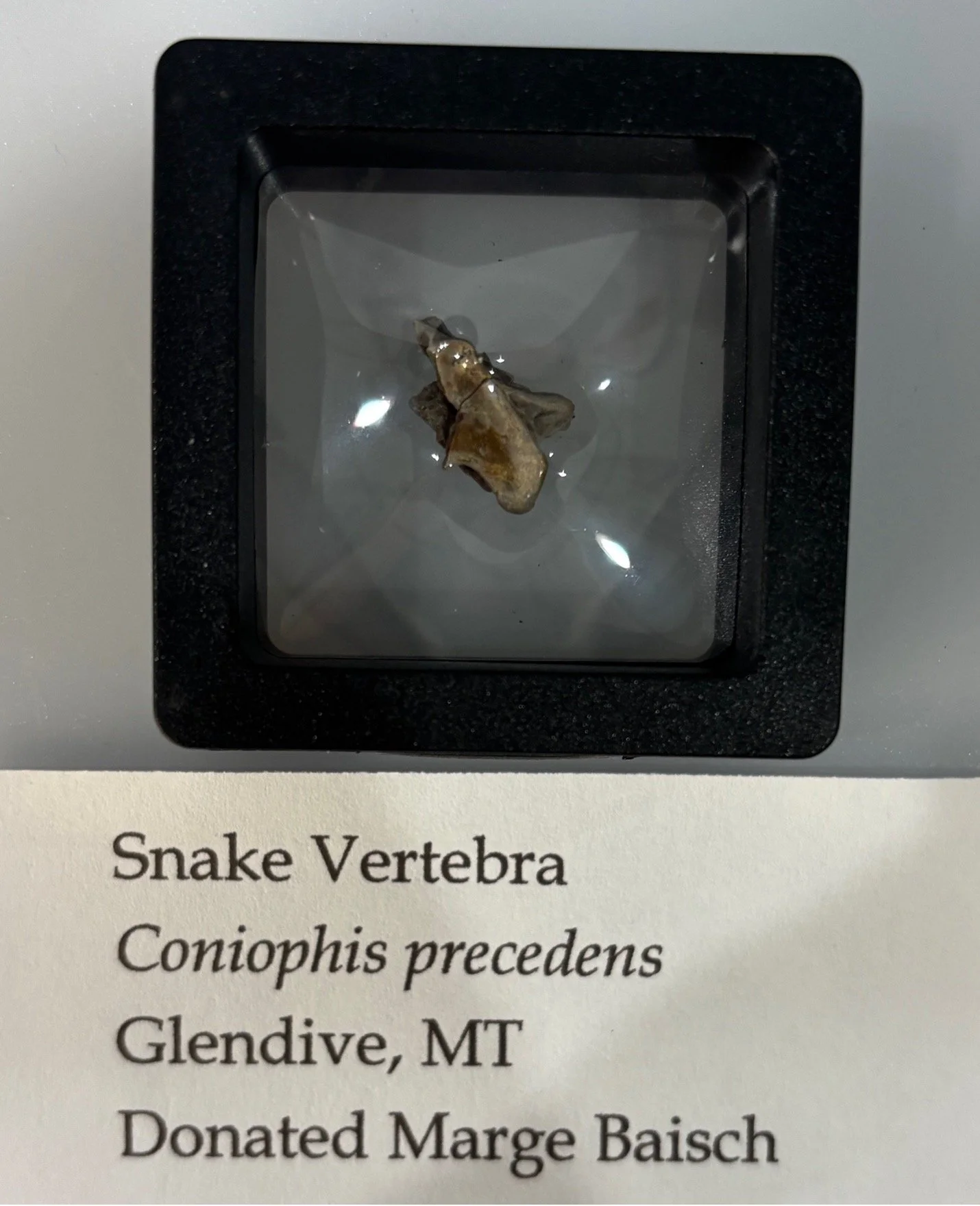
Coniophis precedens was roughly 7cm long and one of – if not the – first ever snake species. Coniophis precedens acts as a ‘missing-link’ species, demonstrating that snakes diverged from terrestrial lizards as opposed to marine reptiles. Like modern snakes, it had no limbs, but it had not yet developed the jaw structure found in modern snakes which allows them to eat larger prey. This means that Coniophis precedens would have had to eat smaller prey items like salamanders and lizards.
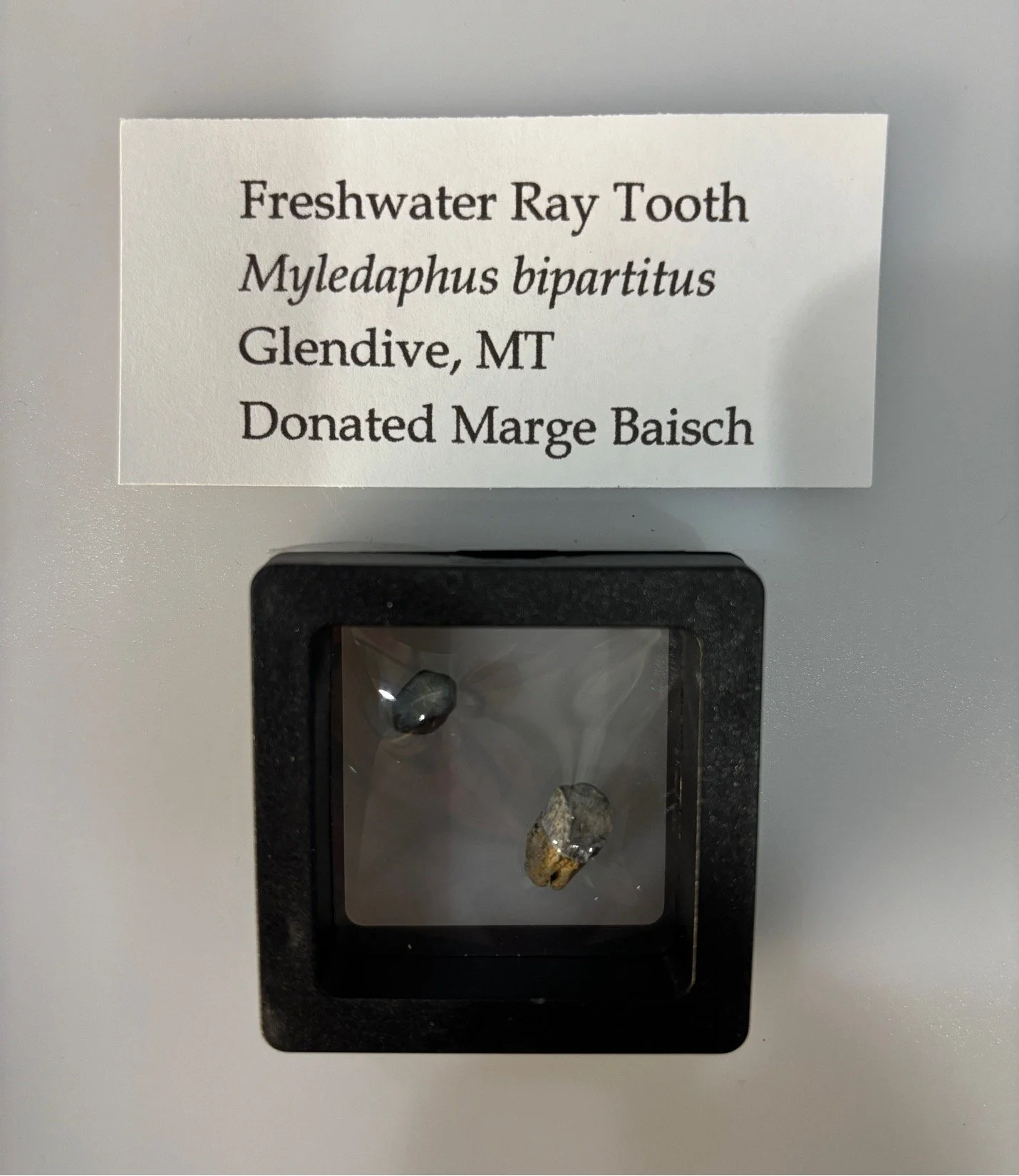
Myledaphus bipartitus was a freshwater ray whose fossils have been found in Western United States and Canada. Myledaphus bipartitus was related to modern rays and guitarfish. Most of the fossils found have been fossil teeth which were used to crush the shells of clams and other bivalves.
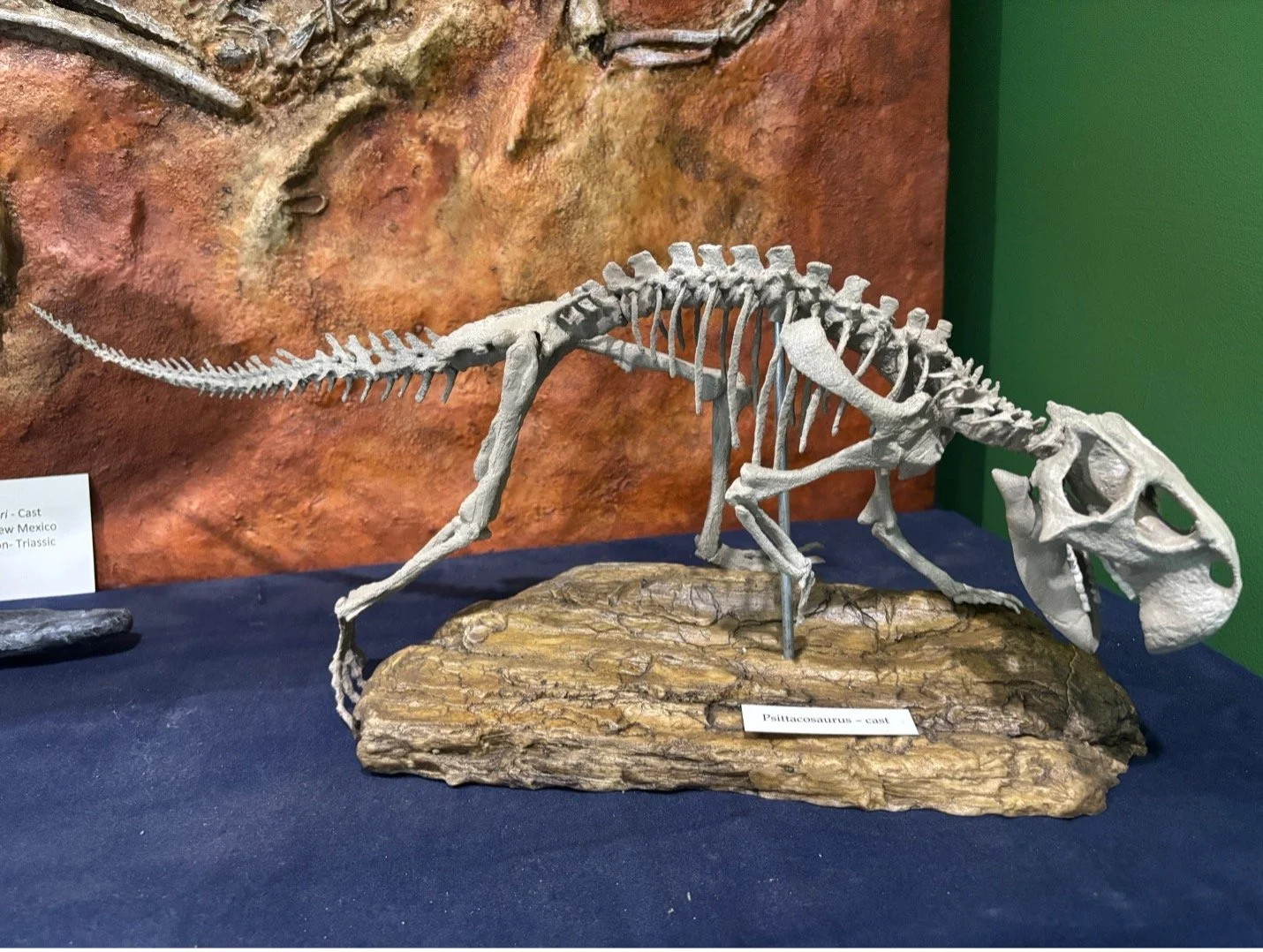
Psittacosaurus was a genus of small Ceratopsian dinosaurs from the Early Cretaceous. On average, members of the Psittacosaurus genus grew to about 6.5 feet long and walked on its hind legs similar to a Therapod dinosaur. The Psittacosaurus has been well preserved and studied, leading paleontologists to make conclusions about them and their behaviors. For example, fossils of congregated young Psittacosaurus hatchlings show that baby Psittacosaurs may have stayed in groups, similar to modern ducklings. One Psittacosaur specimen was so well preserved that it still possessed a cloaca, an anatomic structure shared by reptiles and birds which acts as the single opening for their urinary, digestion, and reproductive tracks.
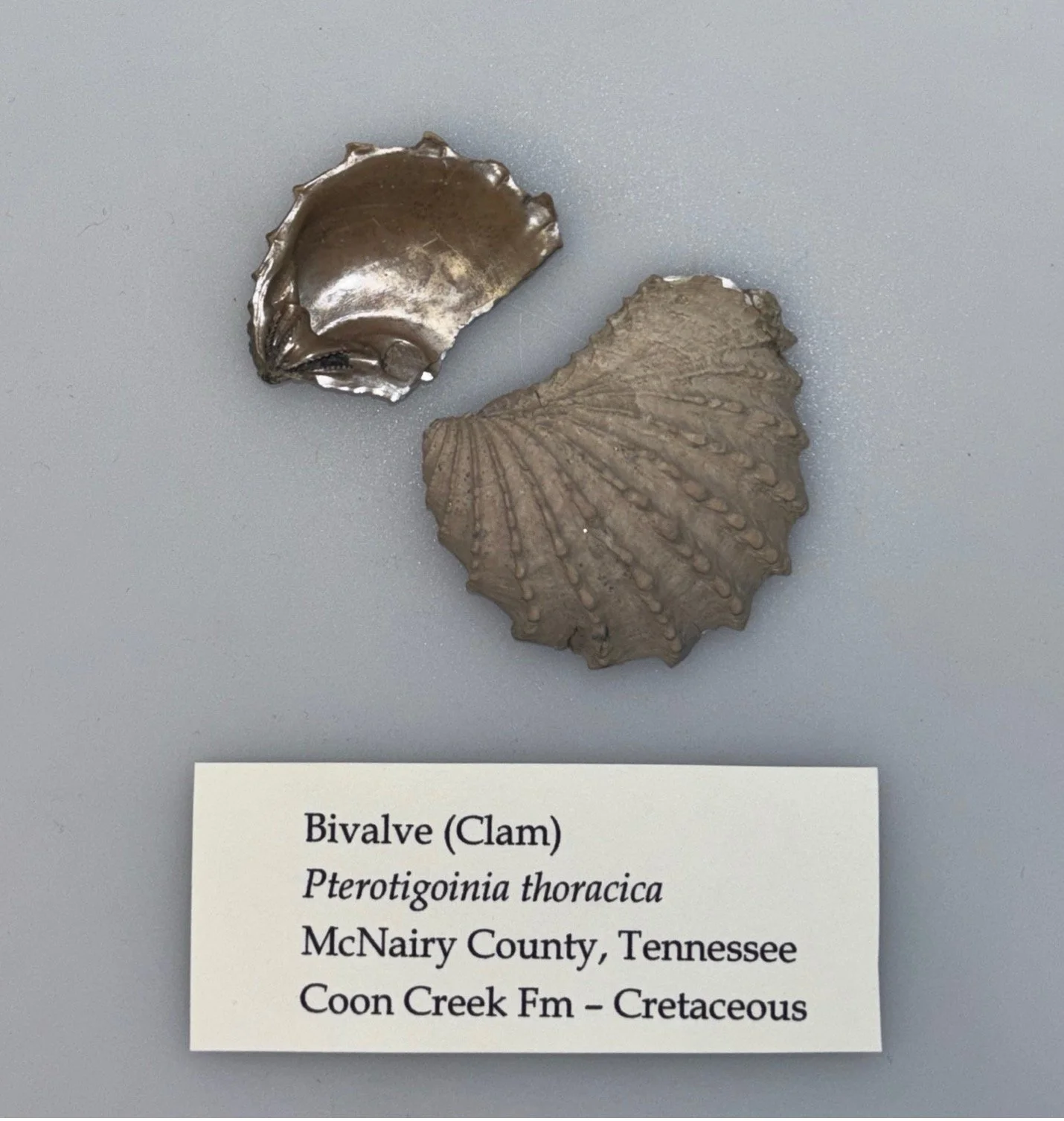
Did you know Tennessee has a state fossil? Pterotrigonia thoracica was a bivalve that lived in the shallow seas that covered much of the middle of North America during the Cretaceous (Western Interior Seaway). Pterotrigonia thoracica was chosen as the state fossil due to its abundant fossils found in the Coon Creek Formation in West Tennessee.
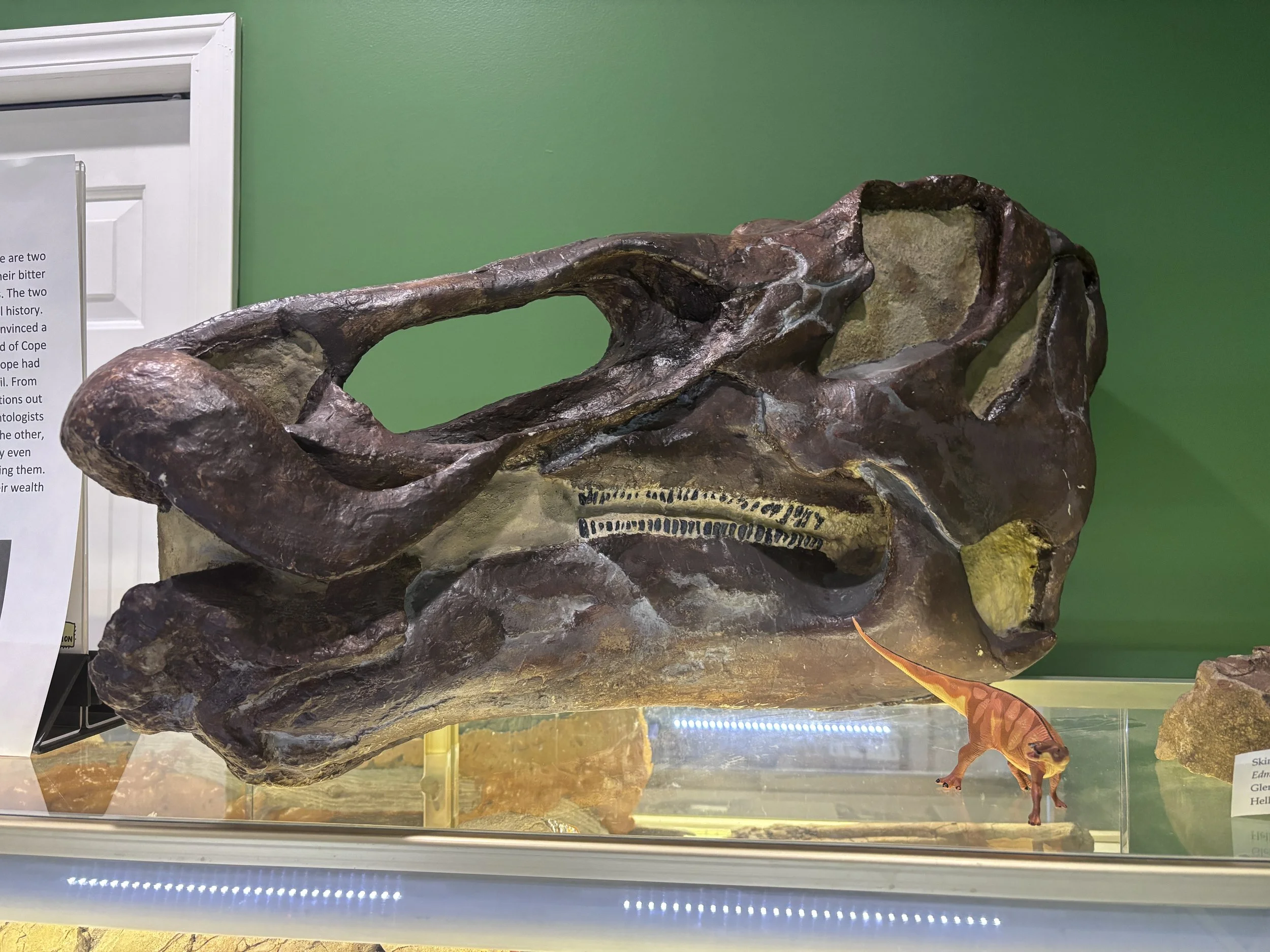
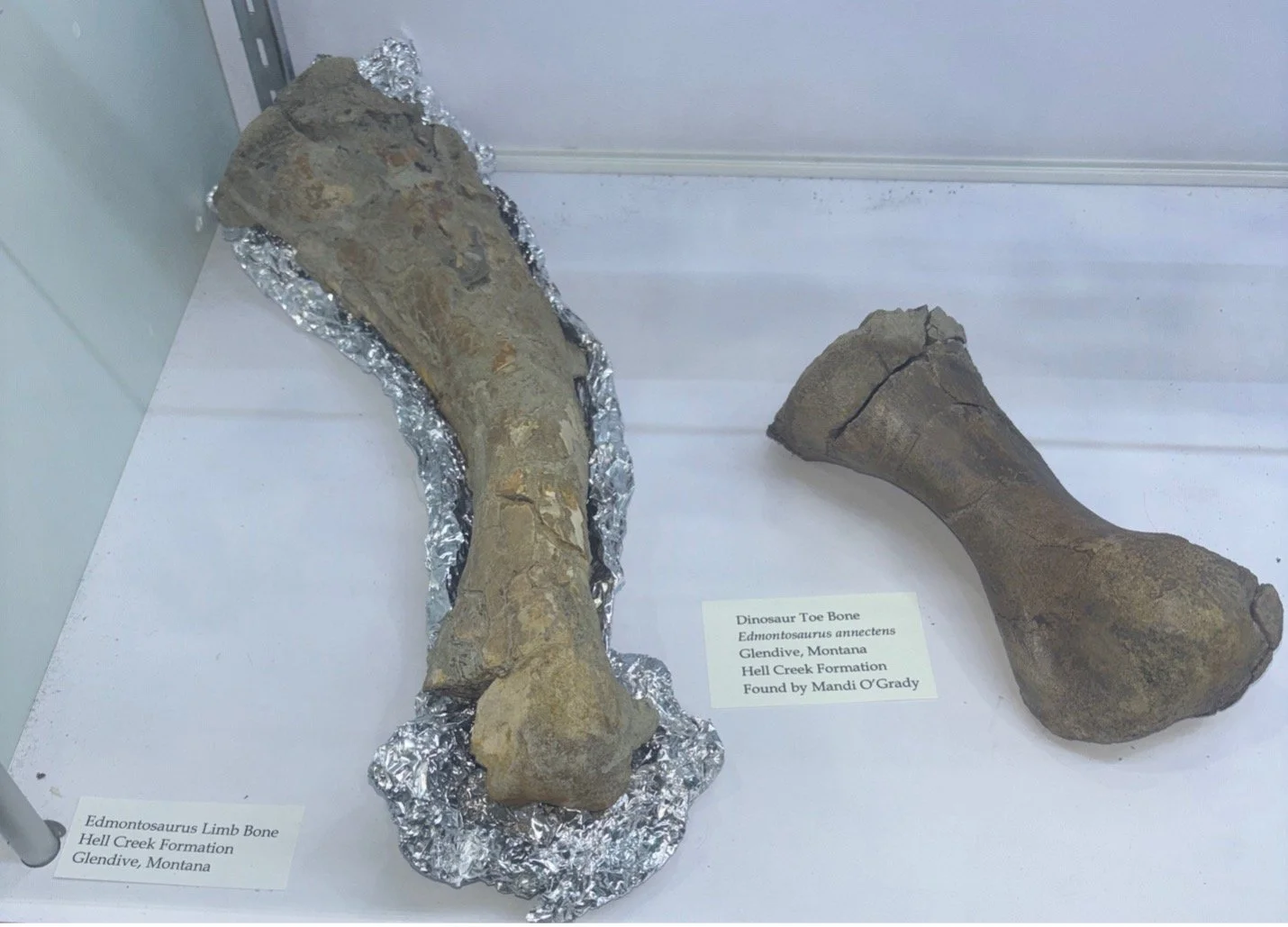
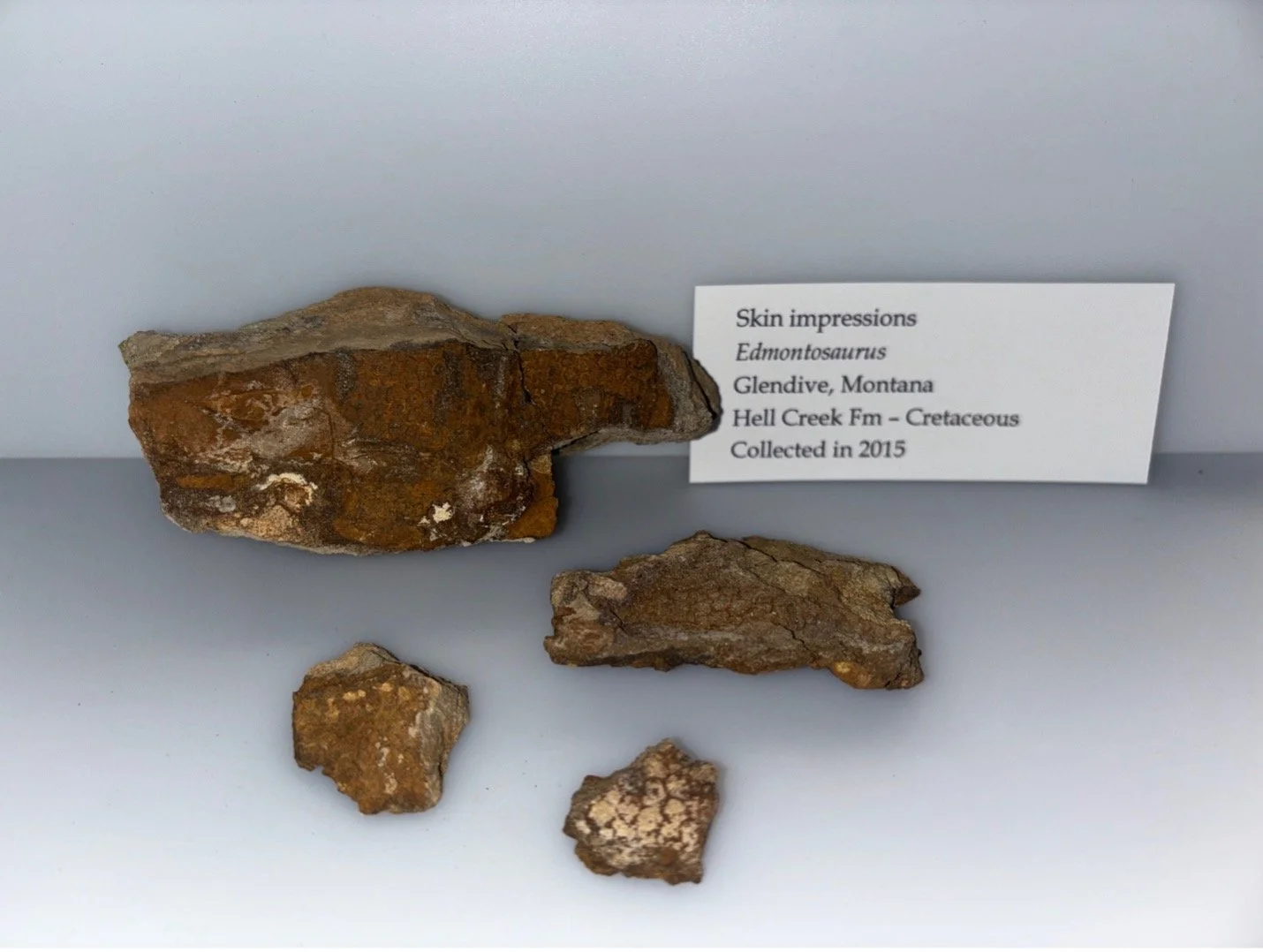
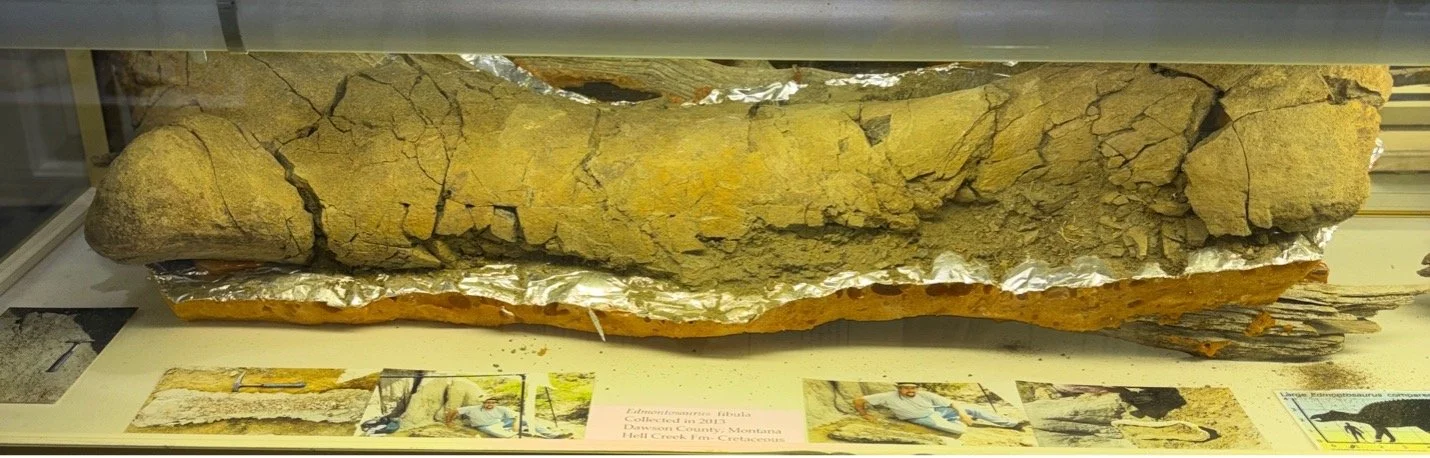
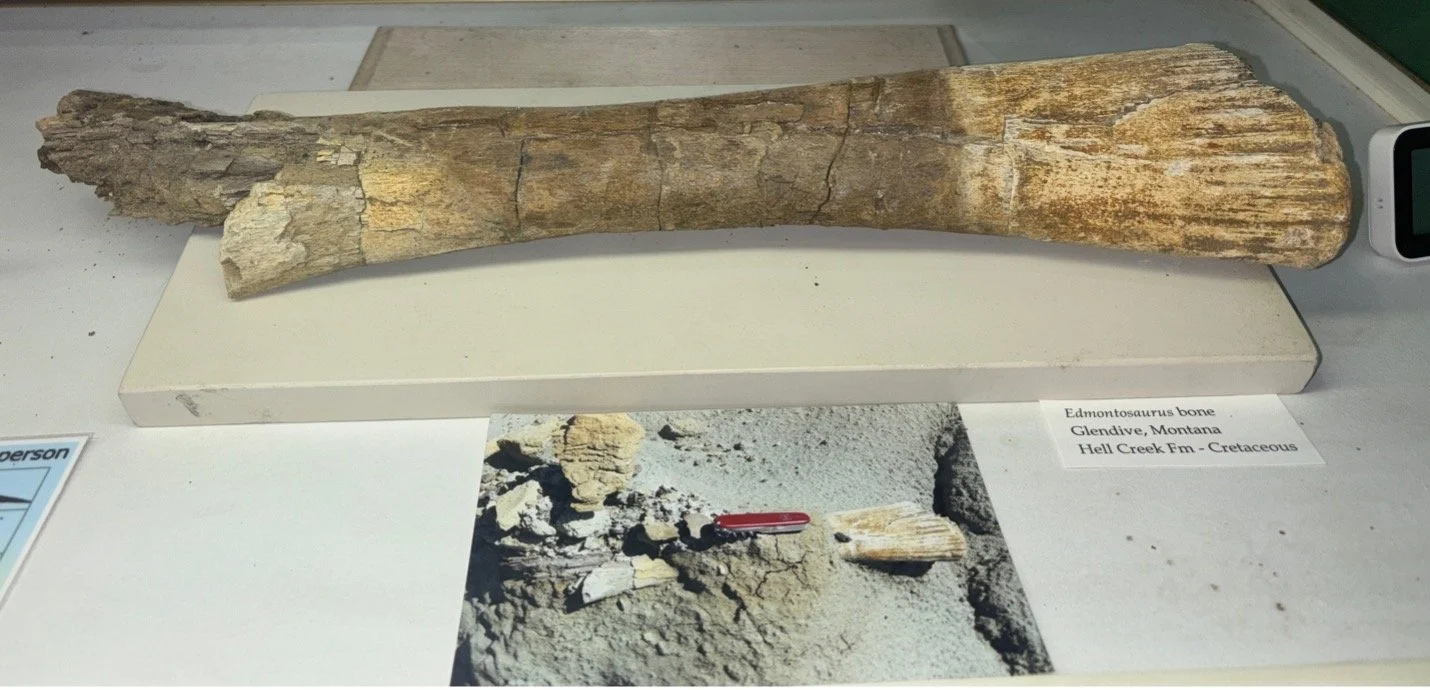
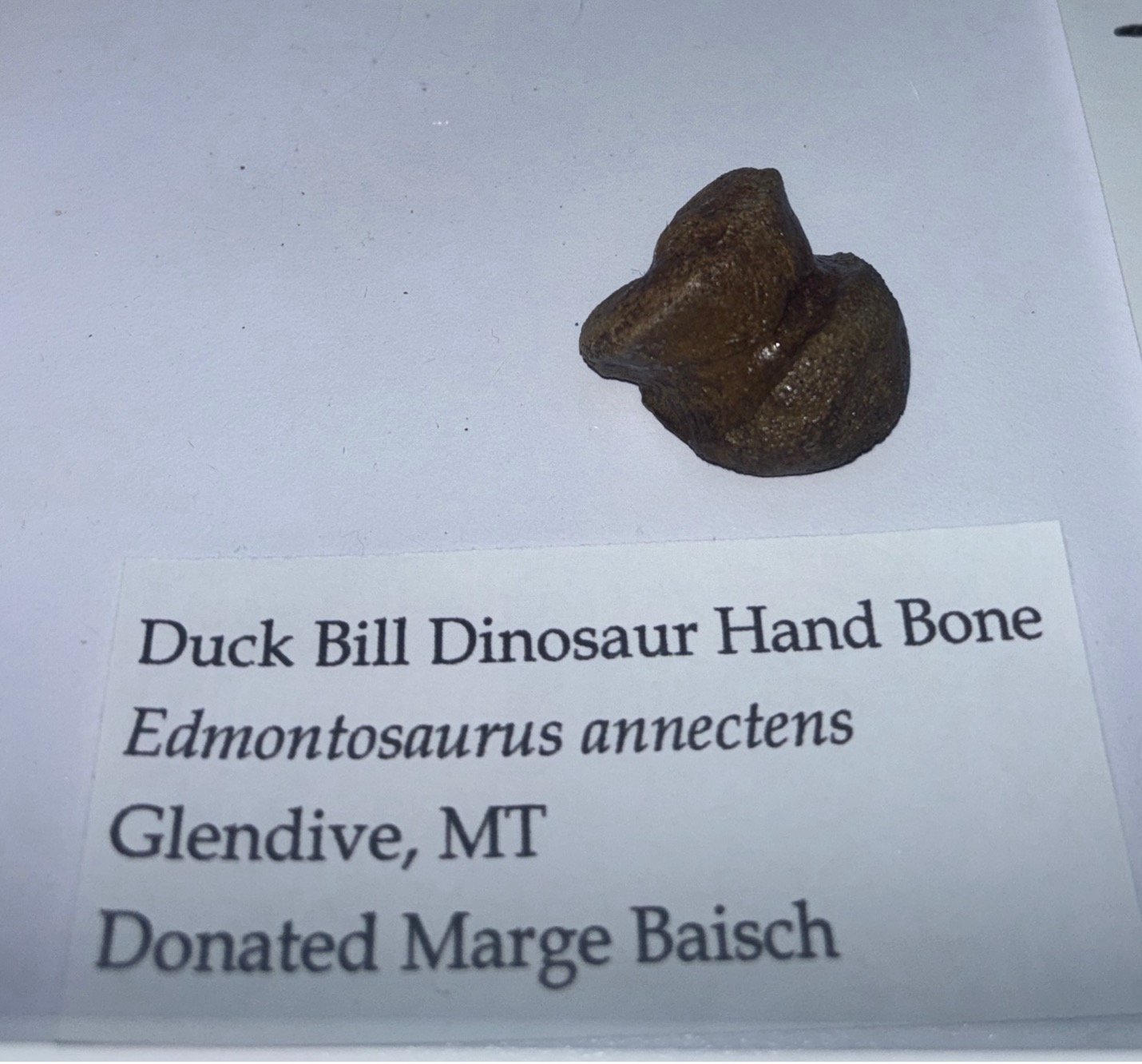
The Edmontosaurus annectens was a species of Hadrosaur that lived during the Cretaceous period in the modern US and Canada. Many Edmontosaurus annectens fossils come from the Hell Creek Formation, where they lived among Triceratops, T. Rexes, and other smaller ceratopsians and theropods.
One of the only dinosaur fossils ever found in Tennessee was a chevron (a part of the spine) from an Edmontosaurus annectens. It is thought that the animal had died near or in a river and was washed out into the Western Interior Seaway where it fossilized. You can see this chevron at Earth Experience Museum.
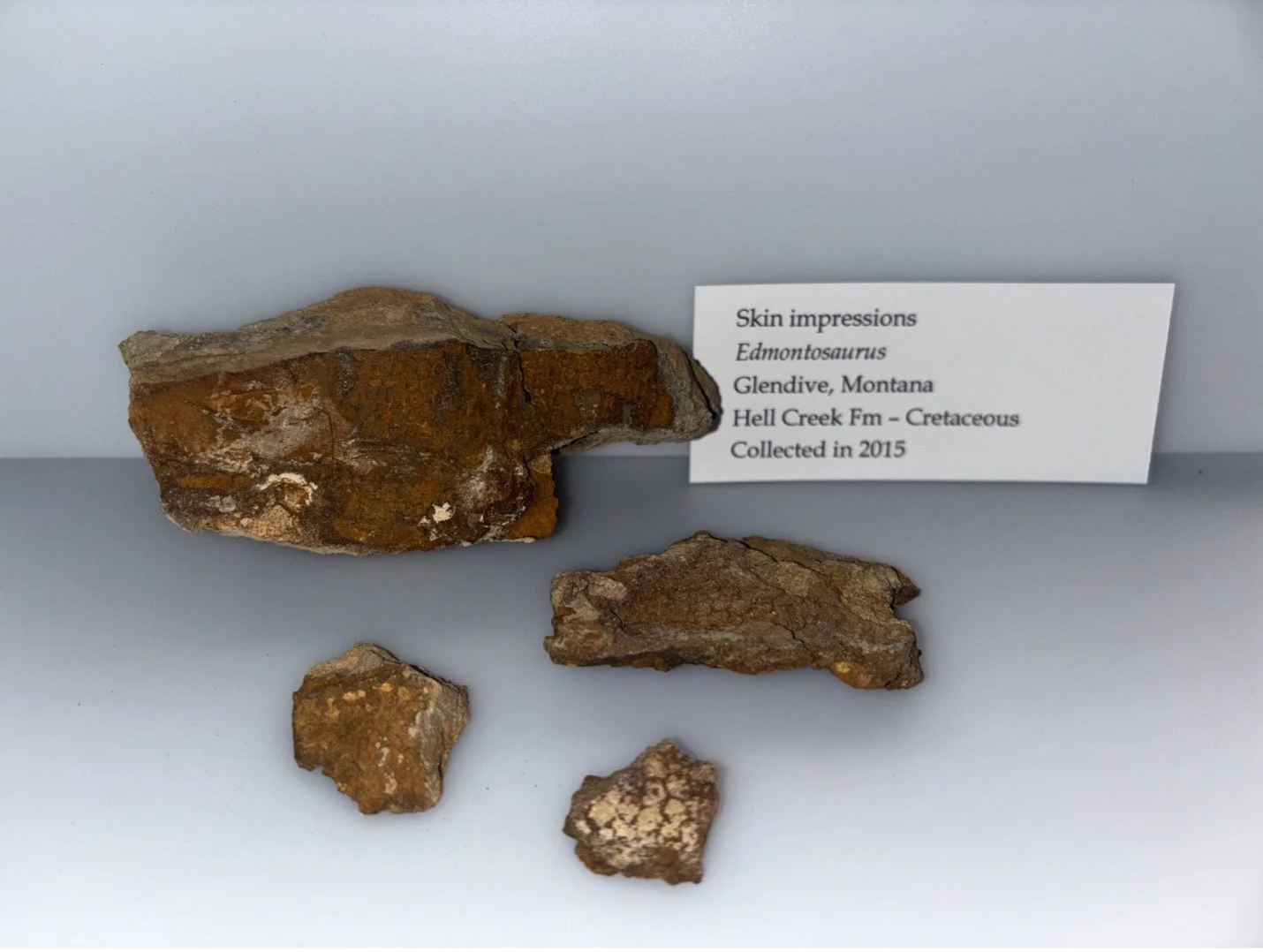
Hadrosaurs, often called “duck-billed dinosaurs”, were herbivorous herding dinosaurs that lived in North America, Europe, and Asia during the late Cretaceous period. Hadrosaurs were grazers and had ‘dental batteries’ or stores of new teeth that would replace the old ones as they wore down. Paleontologists have been able to study Hadrosaur skin impressions to descern that their skin was scaly and bumpy. Many hadrosaurs had large head crests, some of which having hollow chambers inside. Some scientists think that species like the Parasaurolophus used its hollow head crest to amplify verbalizations, creating a loud horn-like call. Hadrosaurs typically walked on all for legs, but they were able to stand up on the larger hind legs at will.
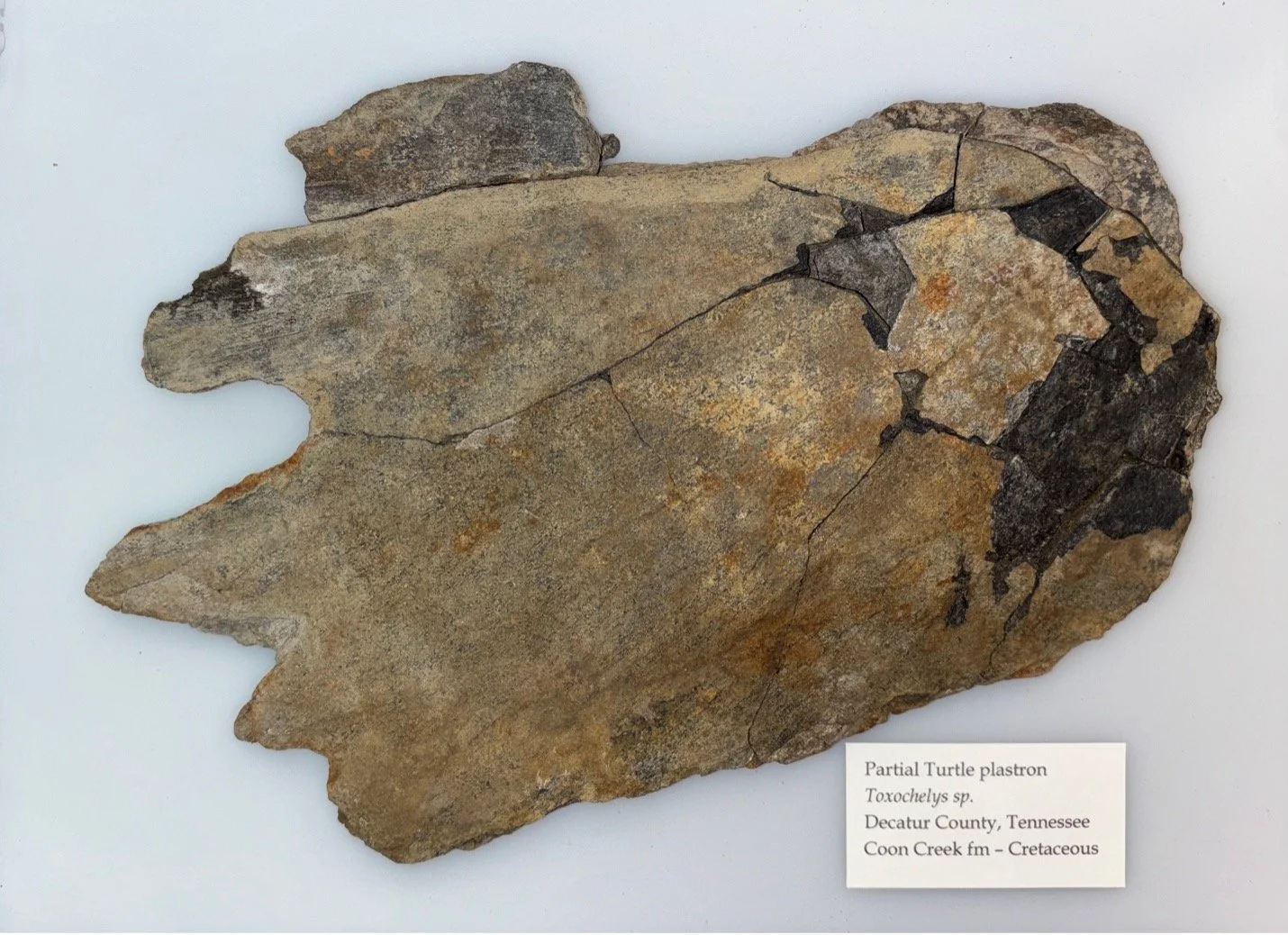
Toxochelys was a genus of sea turtle that live in the Western Interior Seaway, and its fossils are found in the United States and Canada. Toxochelys lived a similar life as modern sea turtles, feeding mostly on jellyfish, squids, mollusks, crustaceans, and marine vegetation. However, Toxochelys was larger, growing up to 6 feet in length.
This specimen was found by museum staff in the Coon Creek Formation in Tennessee.
(Late Cretaceous)
Velociraptors have been heavily featured in the Jurassic Park and Jurassic World sagas and are depicted as scaly, mid-sized terrors of the dinosaur world. This depiction is not strictly accurate, at least in regard to appearance. Velociraptors were considerably smaller than you might think (3 feet tall and 5 feet long) and possessed feathers much like their modern bird relatives. Velociraptors, like all raptors, had a large specialized tow claw on each foot which they would have used to hold down prey, similar to modern predator birds.
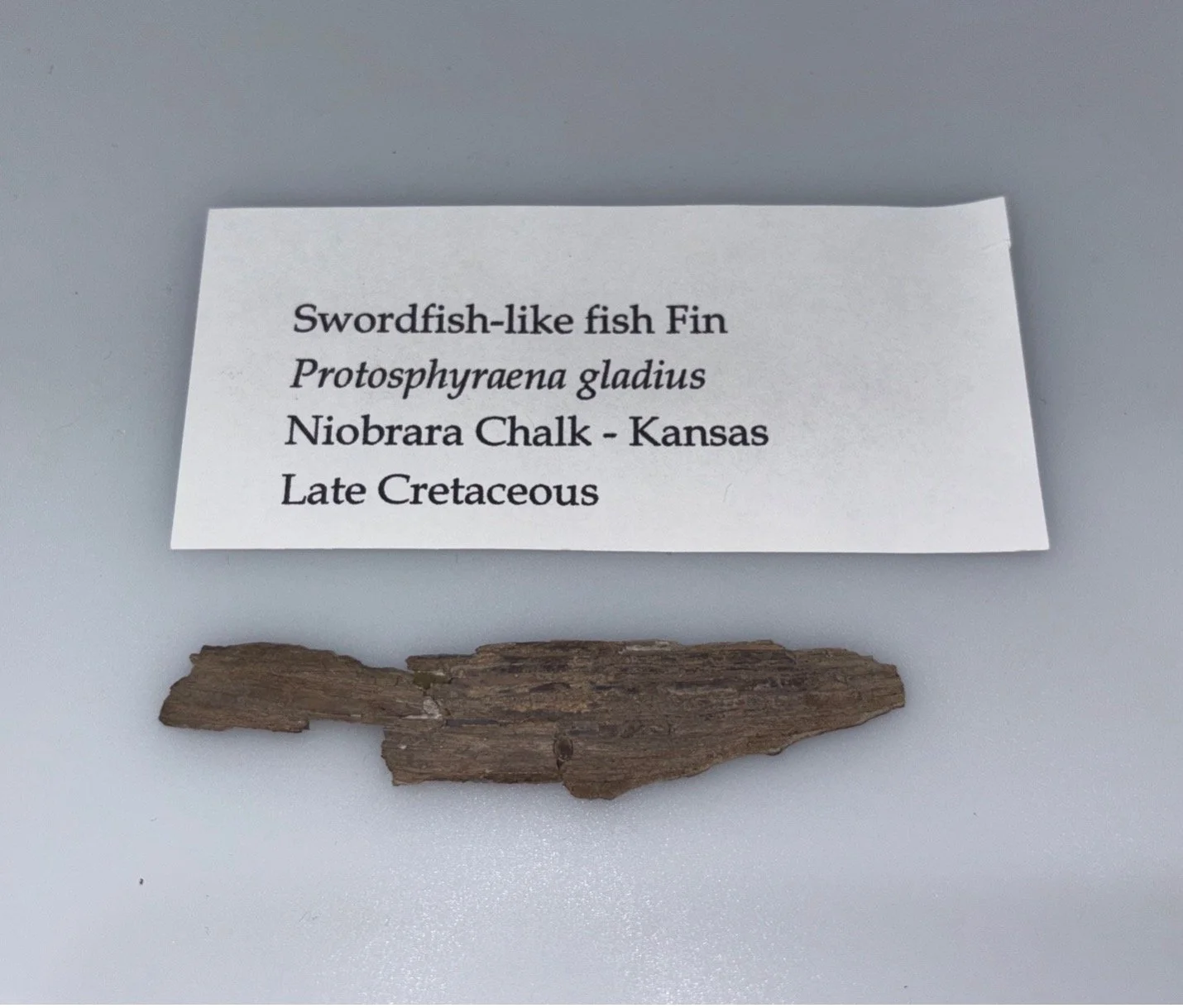
Protosphyraena gladius (Cretaceous)
Protosphyraena gladius was a giant, predatory fish that lived during the Cretaceous period. It grew to 6.5 to 10 feet in length and bore a resemblance to modern swordfish despite belonging to a different evolutionary lineage. The long rostrum (the sword-looking part) on its upper jaw was likely used to incapacitate prey.
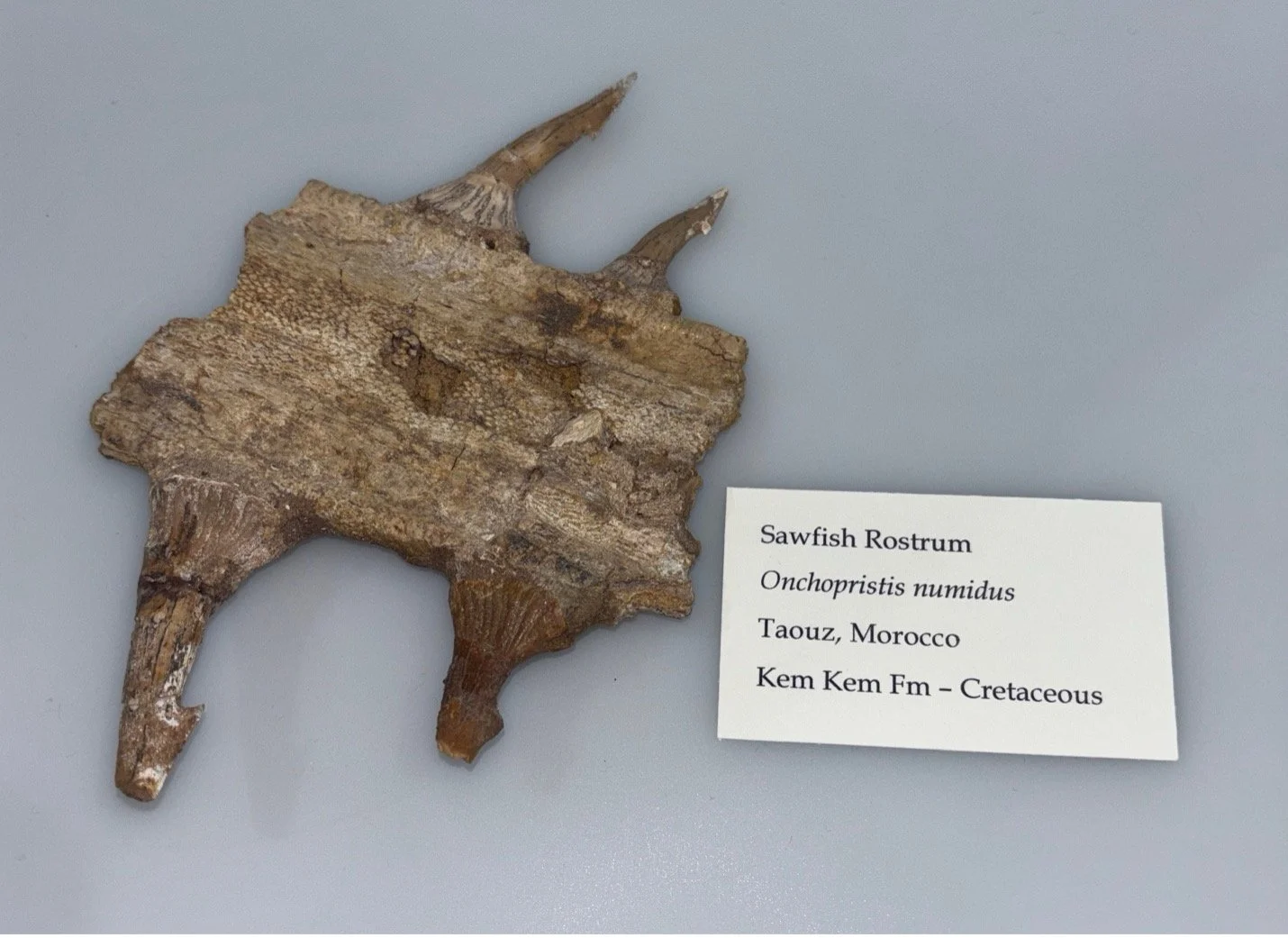
Onchopristis numidus, or the ancient sawfish, was a large, odd-looking fish with teeth all along a long protruding rostrum (or snout), resembling a chainsaw. To hunt, the sawfish would swipe its snout at prey, impaling fish along the bottom of the ocean floor. Though they resemble modern sawfish, they are not closely related. This is an example of convergent evolution, in which both animals adapt similar solutions to survive in their environment.
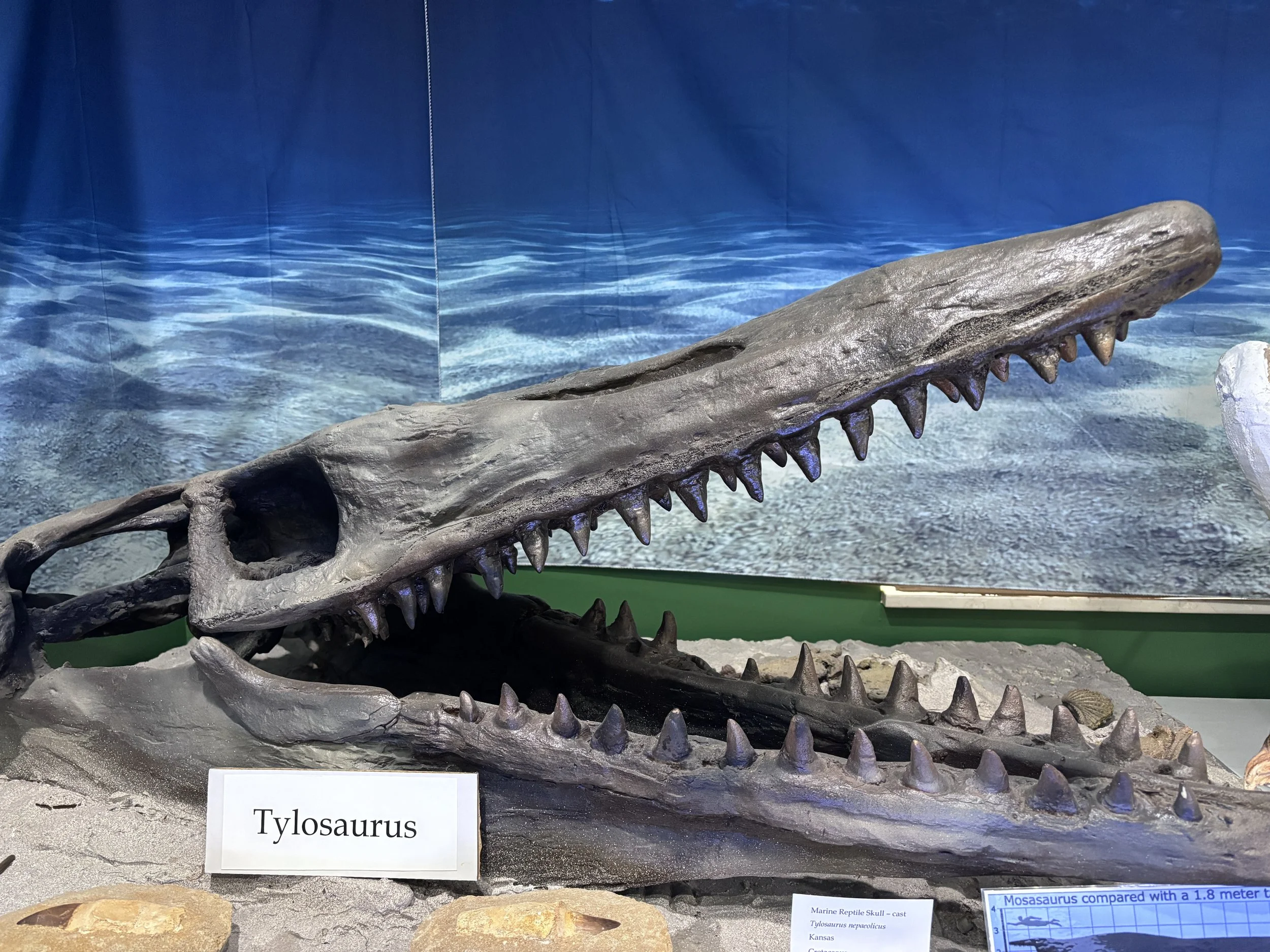
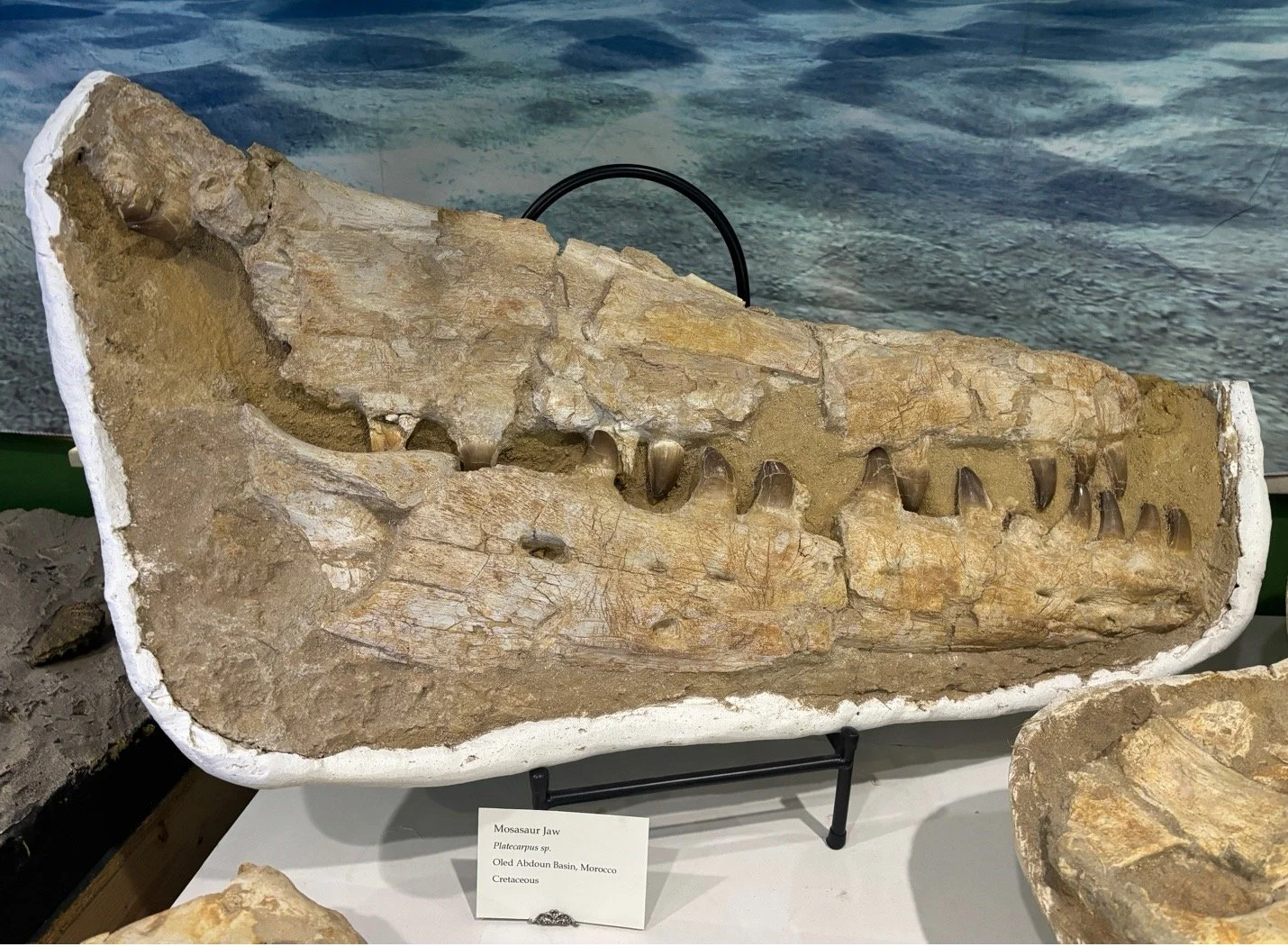
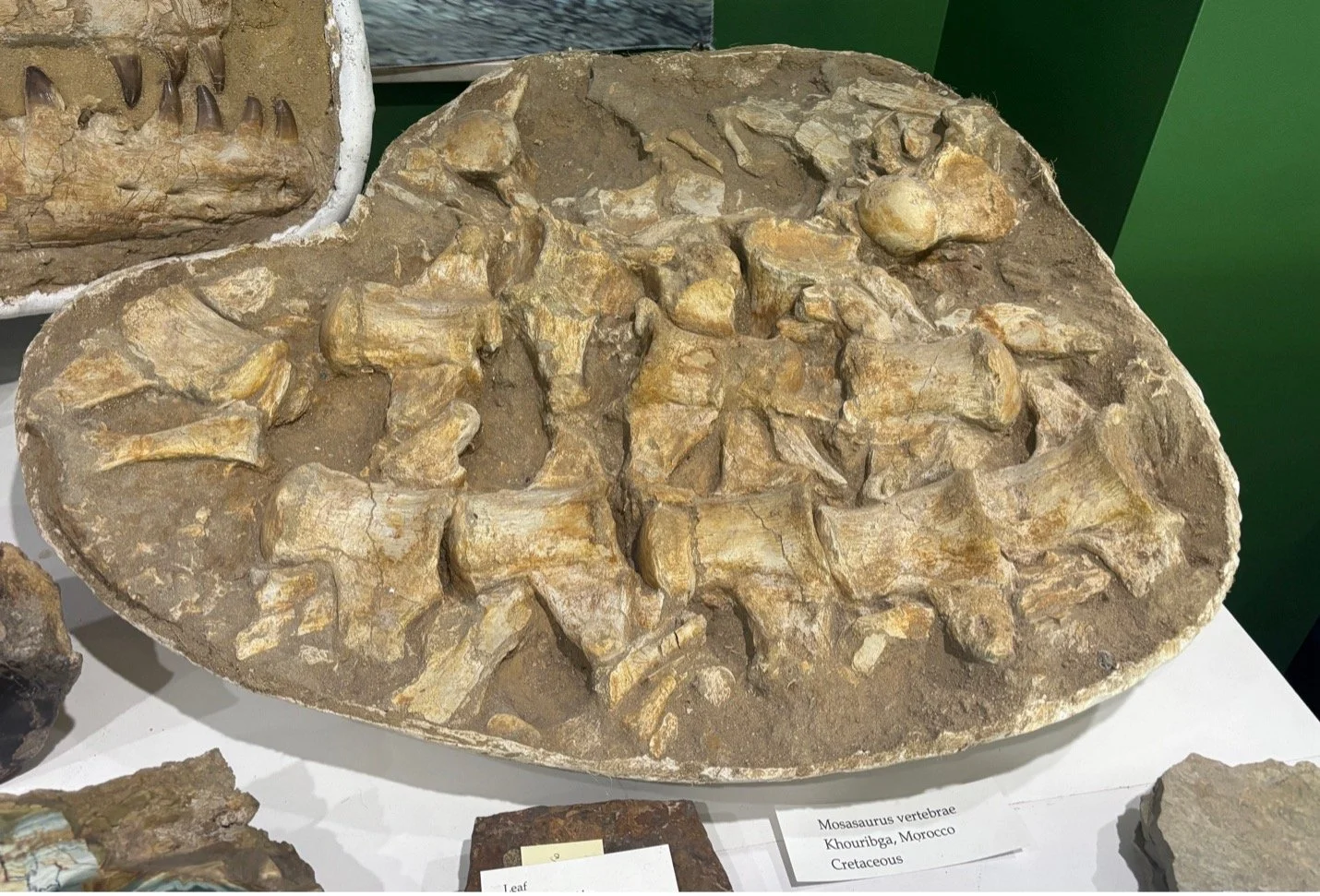
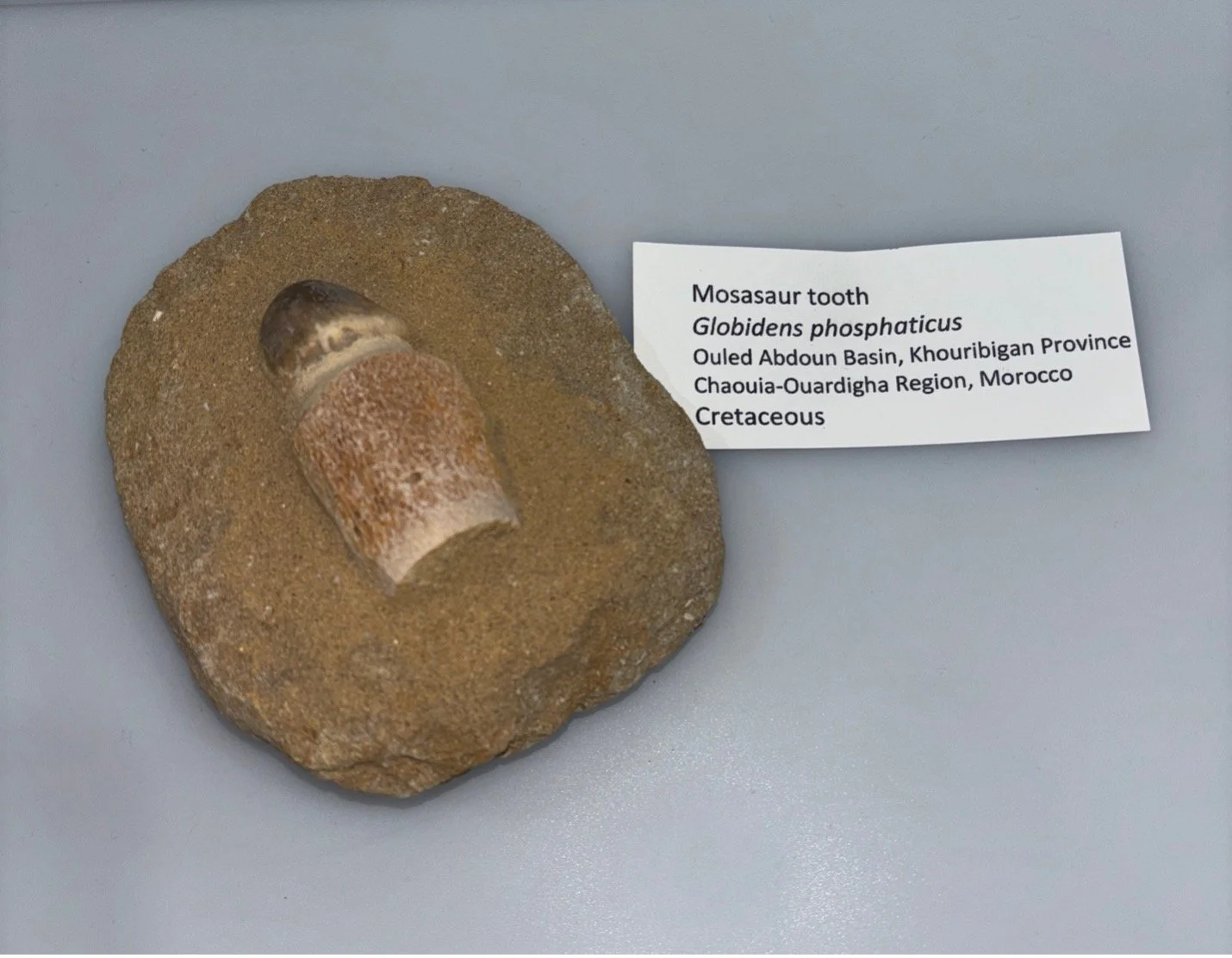
Mosasaurs were large marine reptiles that dominated the oceans of the Cretaceous period. Though they lived at the same time as many dinosaurs and have a name reminiscent of a dinosaur’s, Mosasaurs are not dinosaurs at all. In fact, they closest living relatives are monitor lizards and snakes. Mosasaurs gained popular fame with the release of Jurassic World (2015), which depicts them as gargantuan, bulky-bodied giants. However, Mosasaurs in reality were sleeker and generally far smaller than the film’s depiction. The longest type of Mosasaur was the Tylosaurus, which reached up to 45-50 feet in length.
As ocean dwellers, Mosasaur fossils are found throughout the world. One freshwater variation was even found in Hungary. They were formidable predators whose diet included all types of smaller marine creatures like ammonites, fish, smaller mosasaurs, and even sea birds. While Mosasaurs stalked the ocean similar to modern sharks, as reptiles they still had to breach the surface for air like whales or sea turtles. Also similar to whales, it is likely that Mosasaurs had live births.
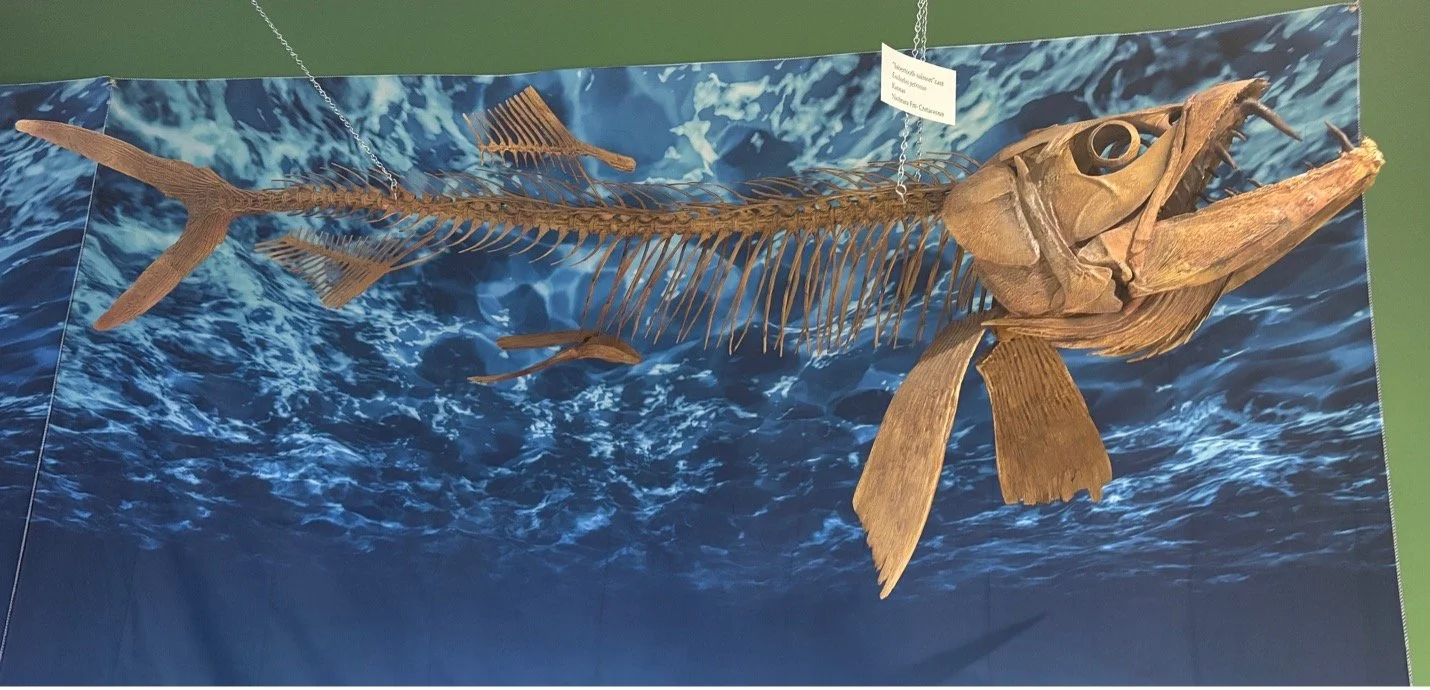
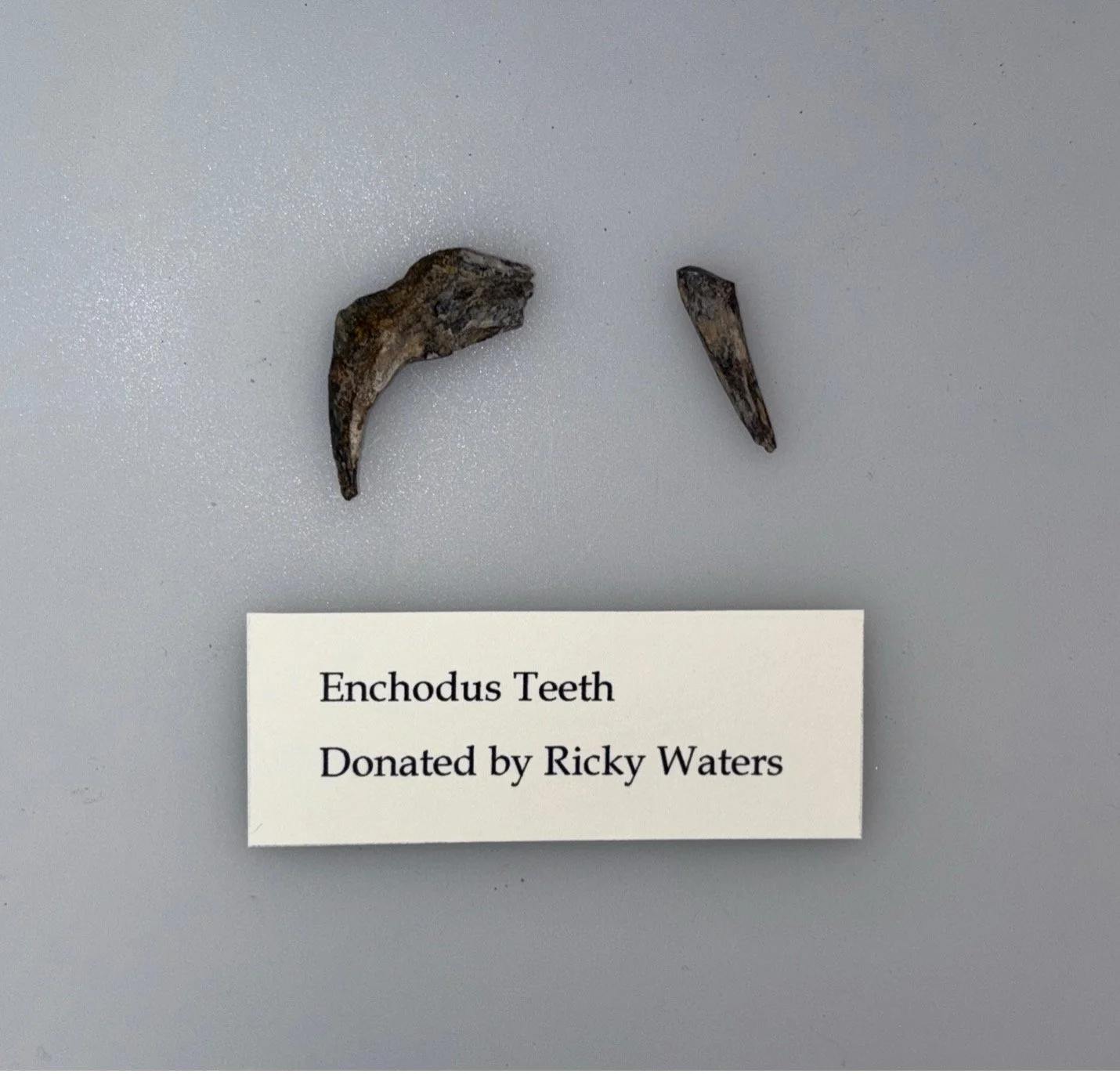
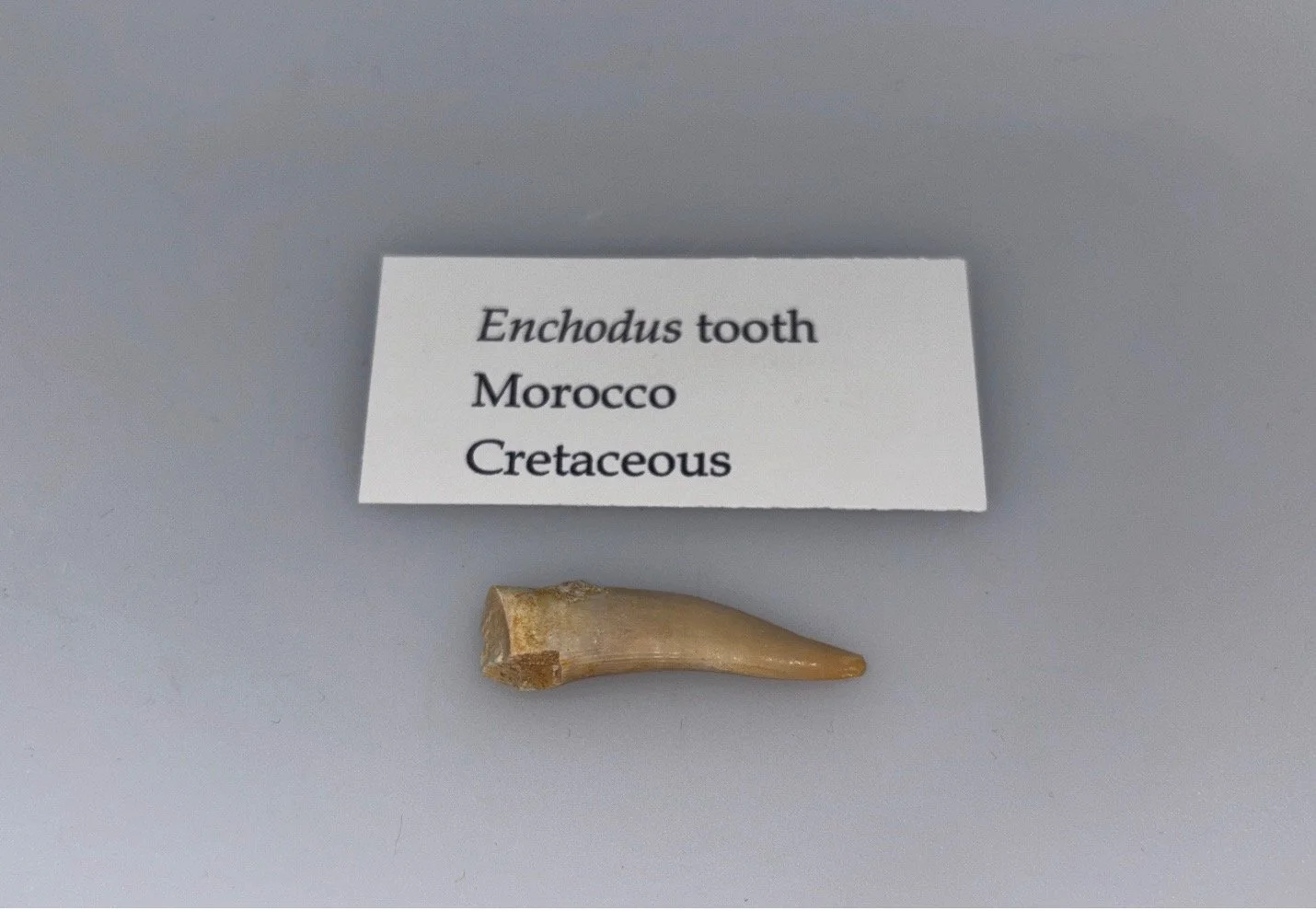
Enchodus was a genus of carnivorous fish that made the Cretaceous oceans their hunting ground. Different species in the Enchodus genus ranged in size, some adapting to hunt larger prey than other, but all had a mouth full of sharp teeth and a powerful bite. Enchodus petrosus was the largest species of its kind, growing to about 5 feet in length. Its diet included smaller fish, cephalopods like squids and mollusks, and crustaceans.
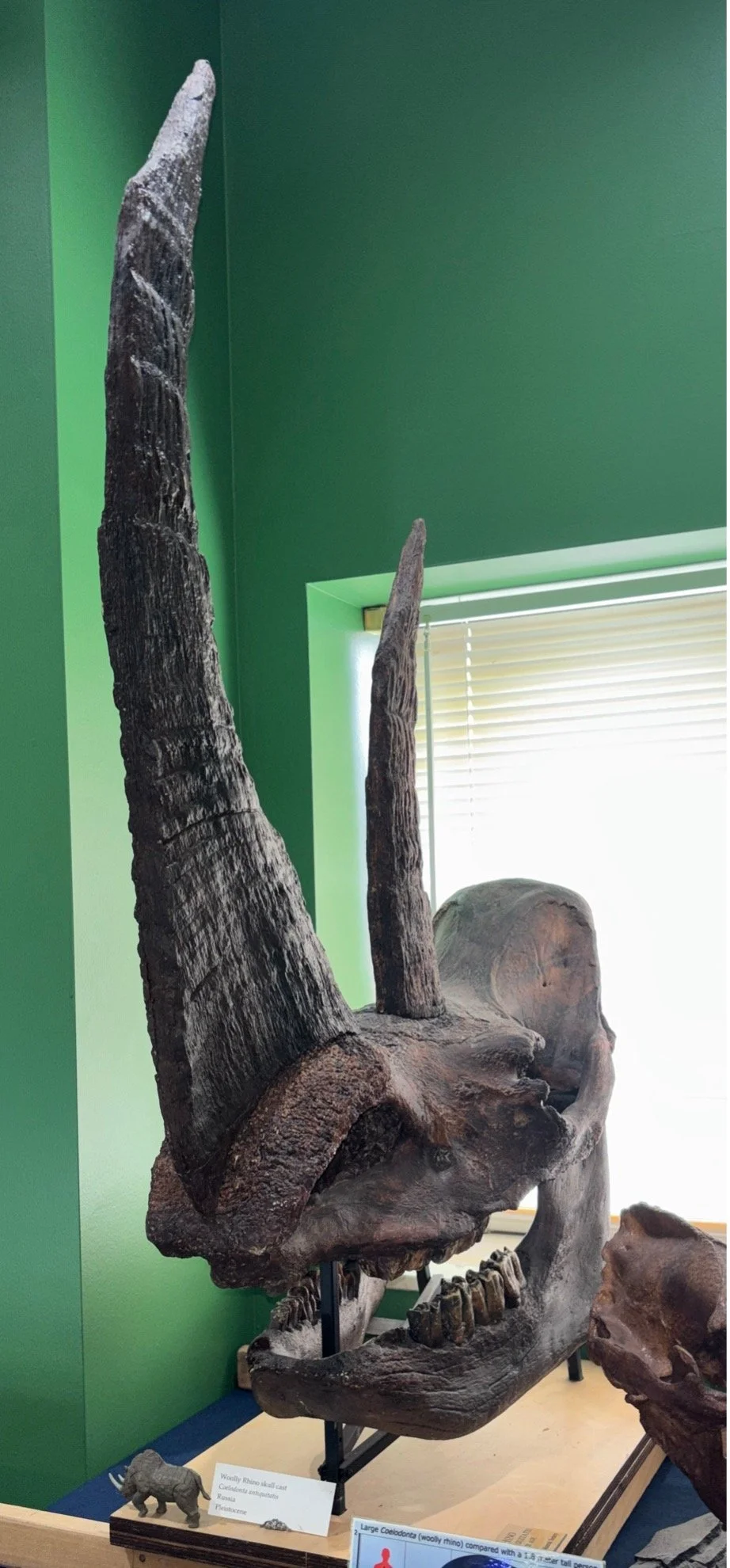
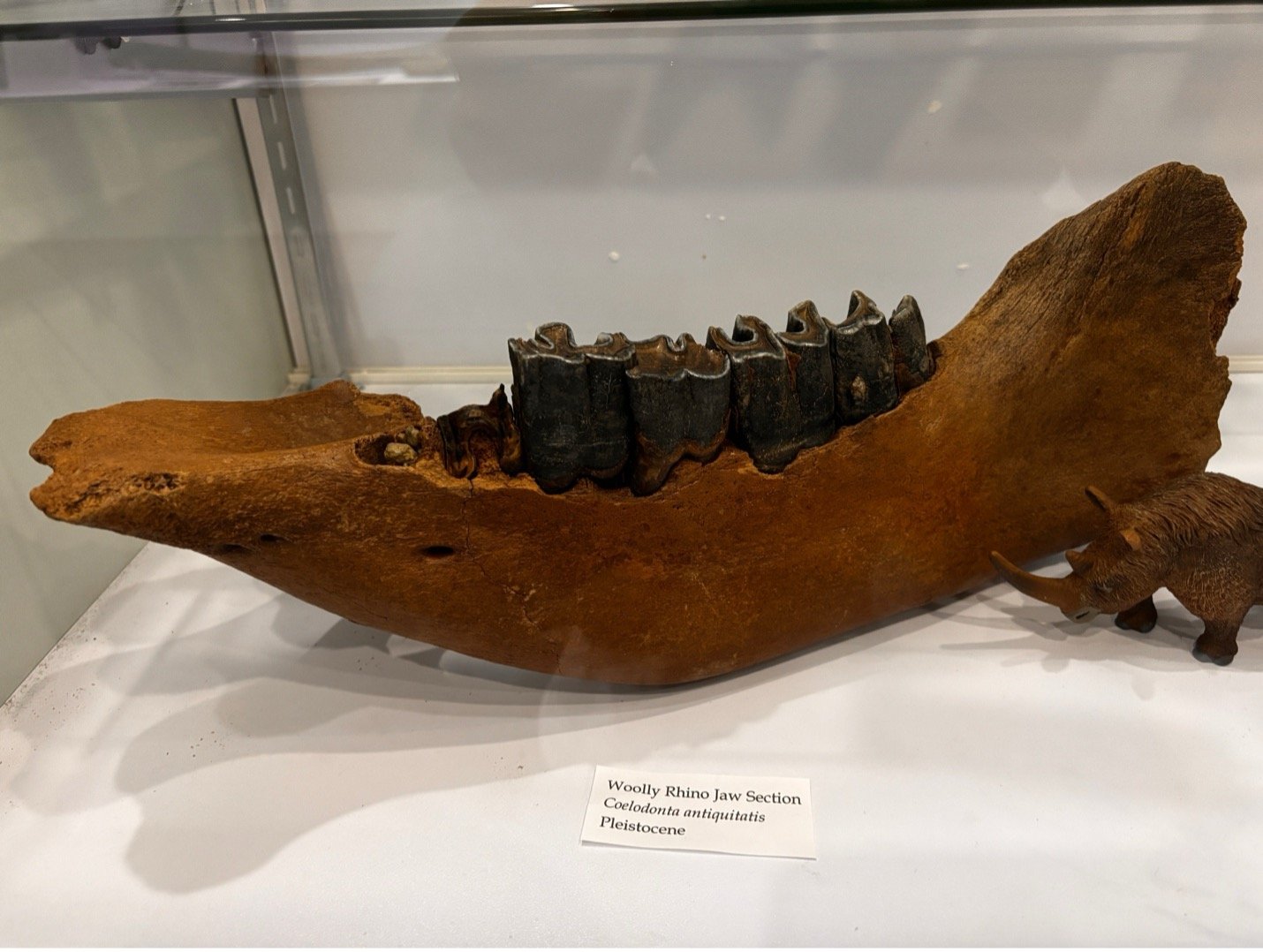
In the cold temperatures of the Pleistocene epoch, Woolly Rhinos kept warm with a layer of fur, similar to the Woolly Mammoth. The Woolly Rhinoceros lived in Eurasia, but unlike the Mammoth, never spread to the Americas. They had two horns, the foremost horn longer than the hindmost. They were similar in size to modern Rhinoceroses, and grazed on grasses and other plants.
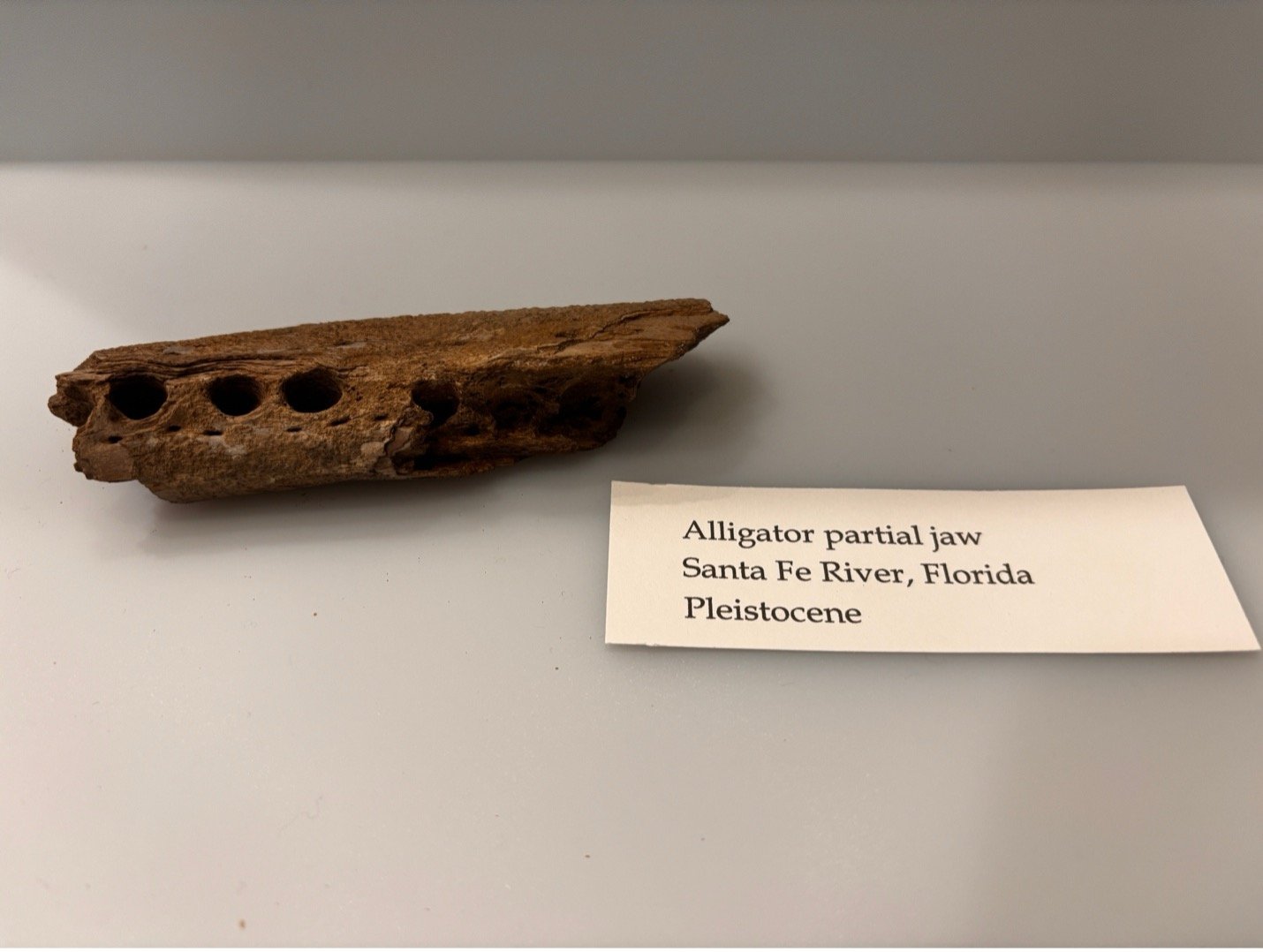
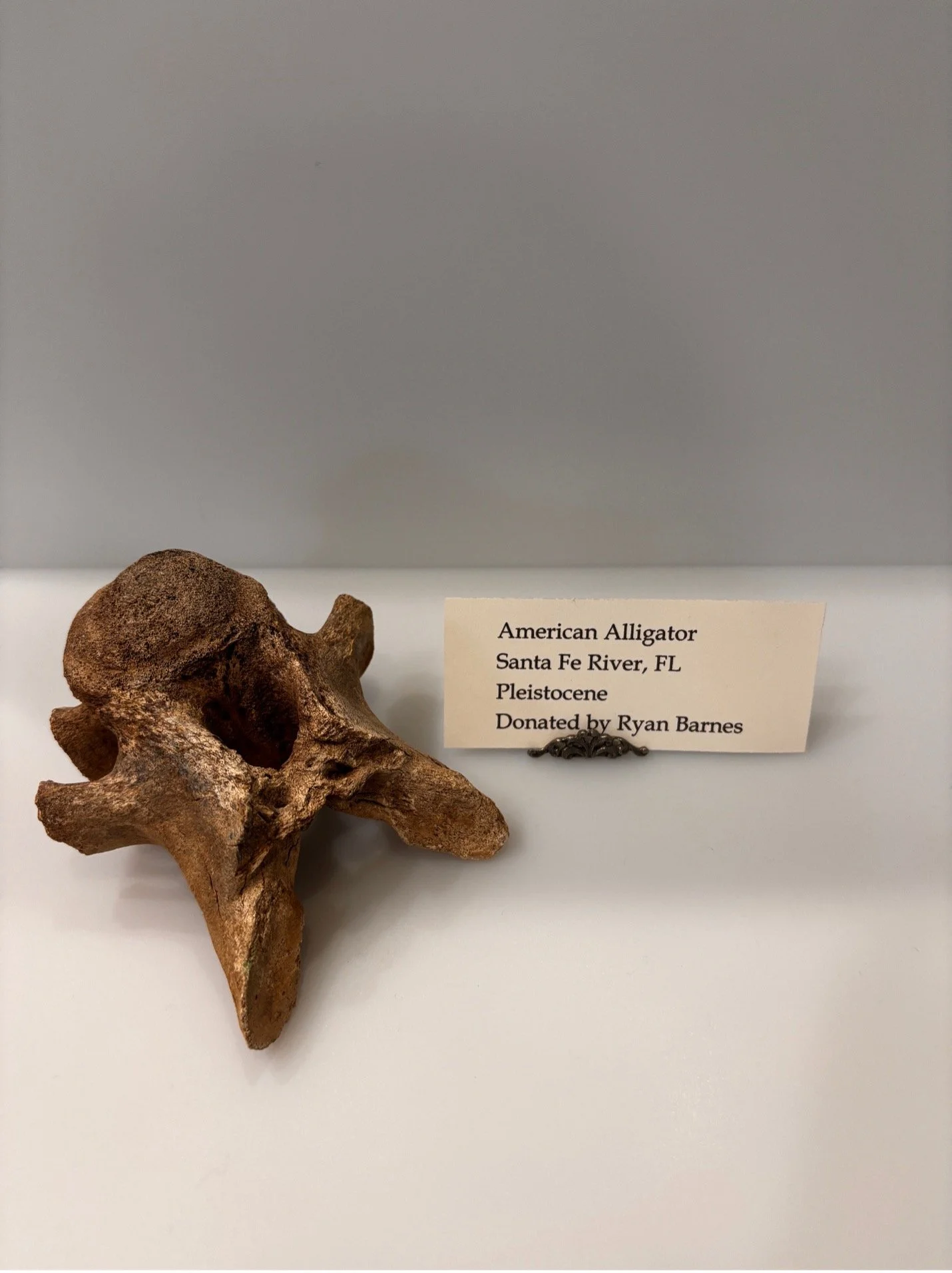
Crocodilians have been around for around 80 million years and have successfully survived several mass extinction events relatively unchanged. The modern American Alligator first developed during the Pliocene period (23-5 million years ago) and has changed very little since then. Their tough scales, efficient hunting techniques, and relatively low demand for food makes them incredibly good at surviving whatever comes their way. Today, American Alligators are found in the American Southeast, predominately in Florida and Louisiana.
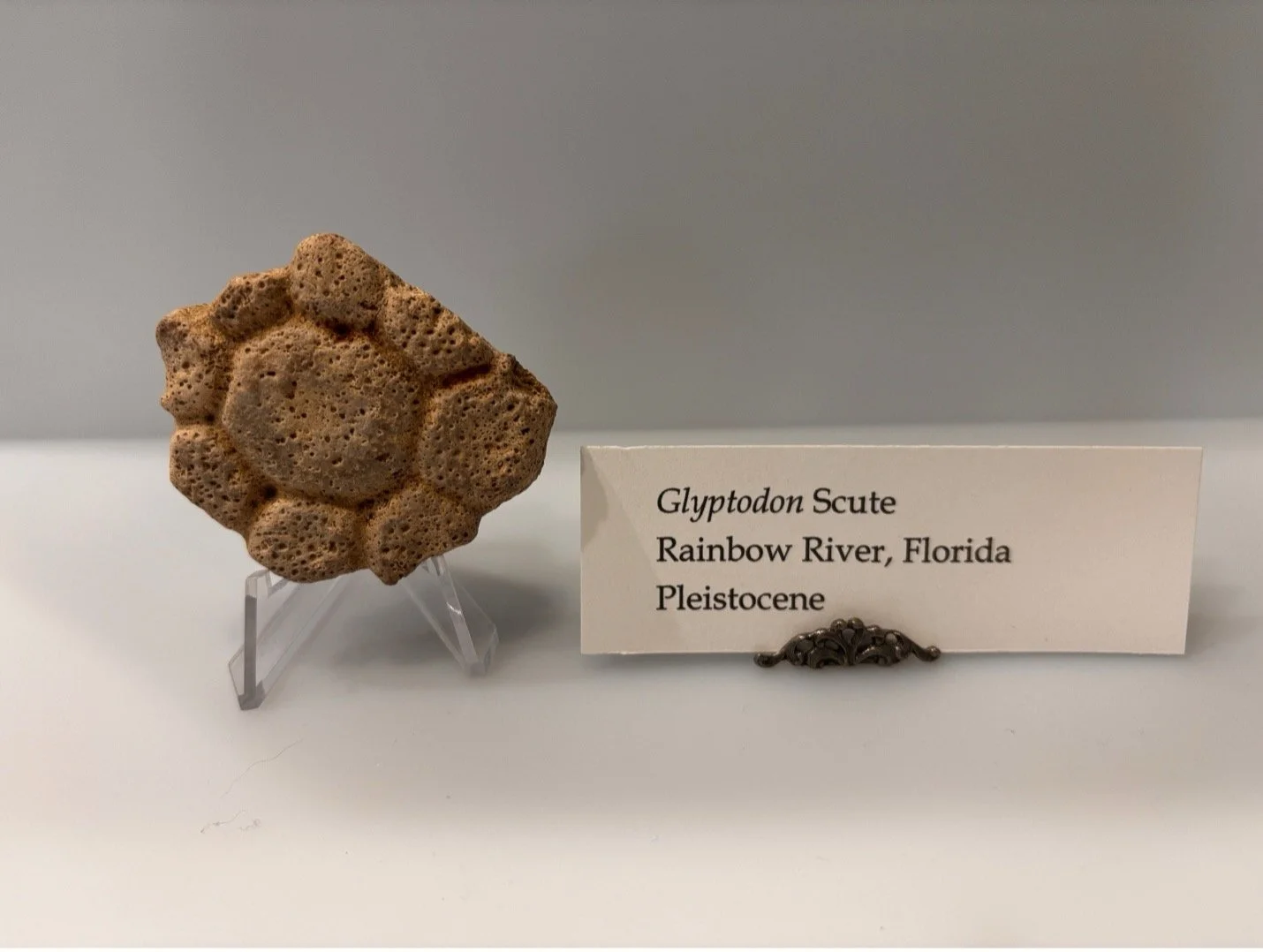
Glyptodons were herbivores who protected themselves with bony armor plating, similar to their modern relative, the armadillo. However, Glyptodons were much larger than armadillos (about the size of a small car) and defended themselves with their spiked club tails.
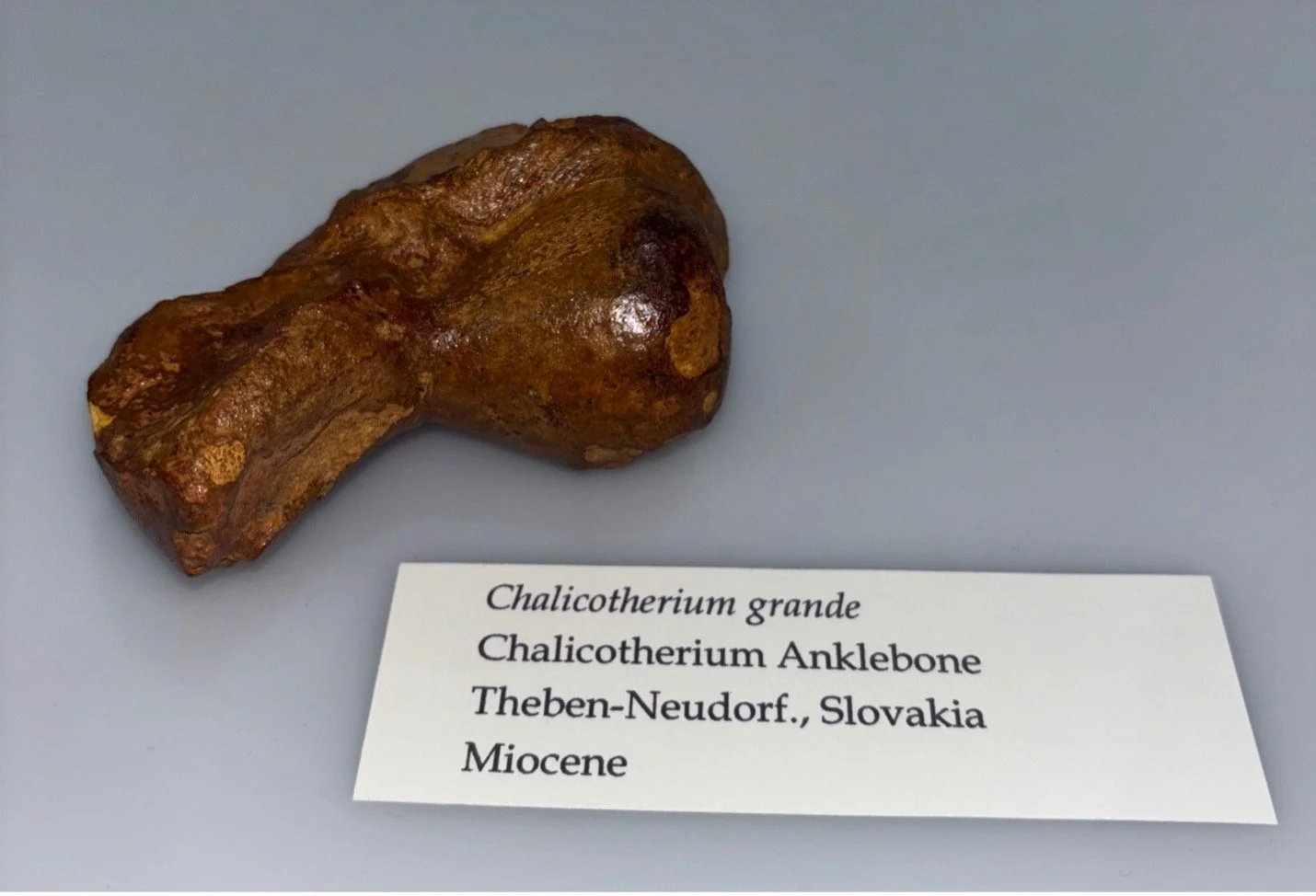
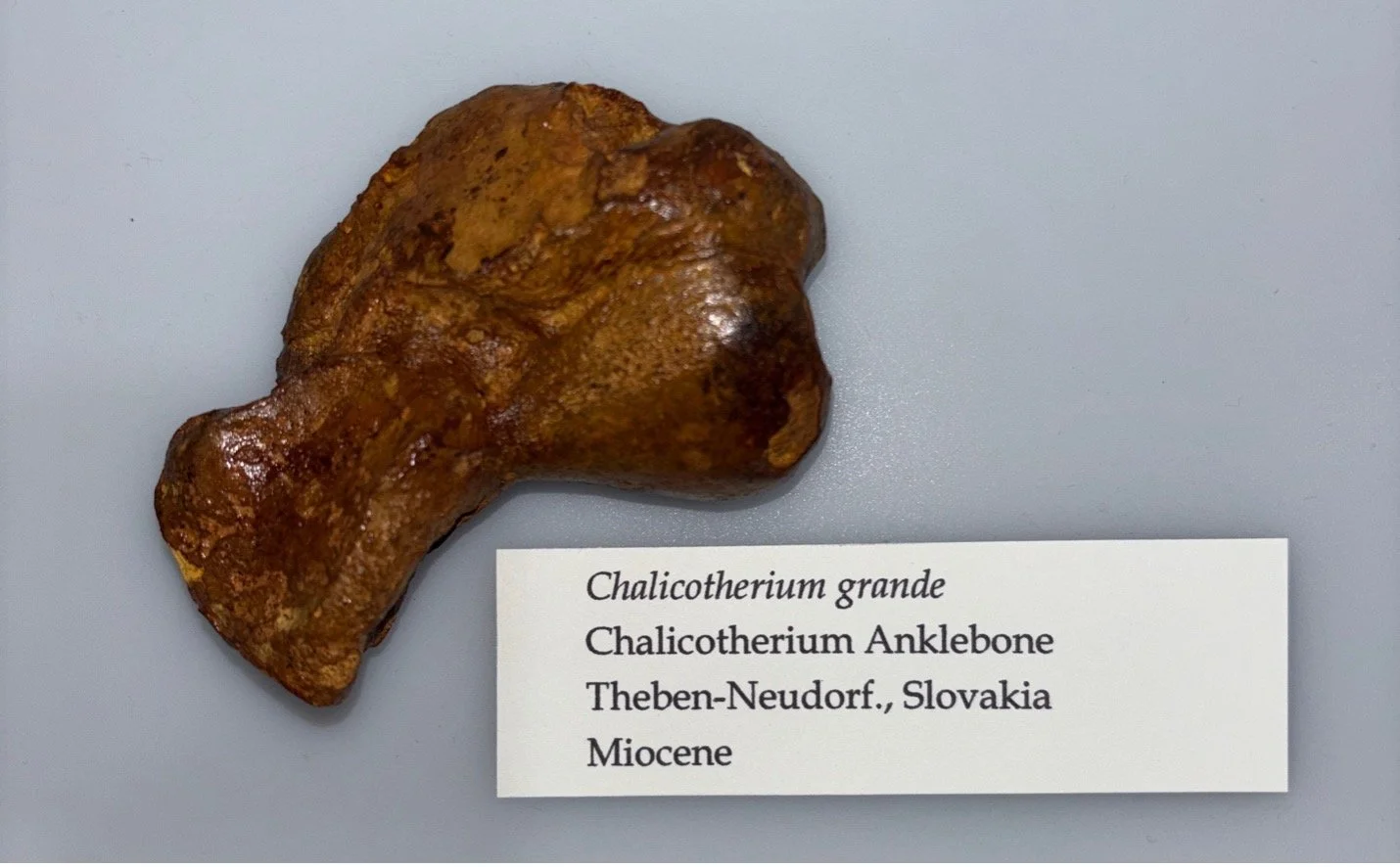
Chalicotherium were large herbivores that lived during the Miocene epoch. They had a distinct body plan that somehow resembled both a modern horse and an ape. It had long, arms that they would use for both walking and reaching for foliage from trees. It is believed that they would sit back on their haunches, like modern primates. Despite this, they were most closely related to modern horses, rhinoceroses, and tapirs.
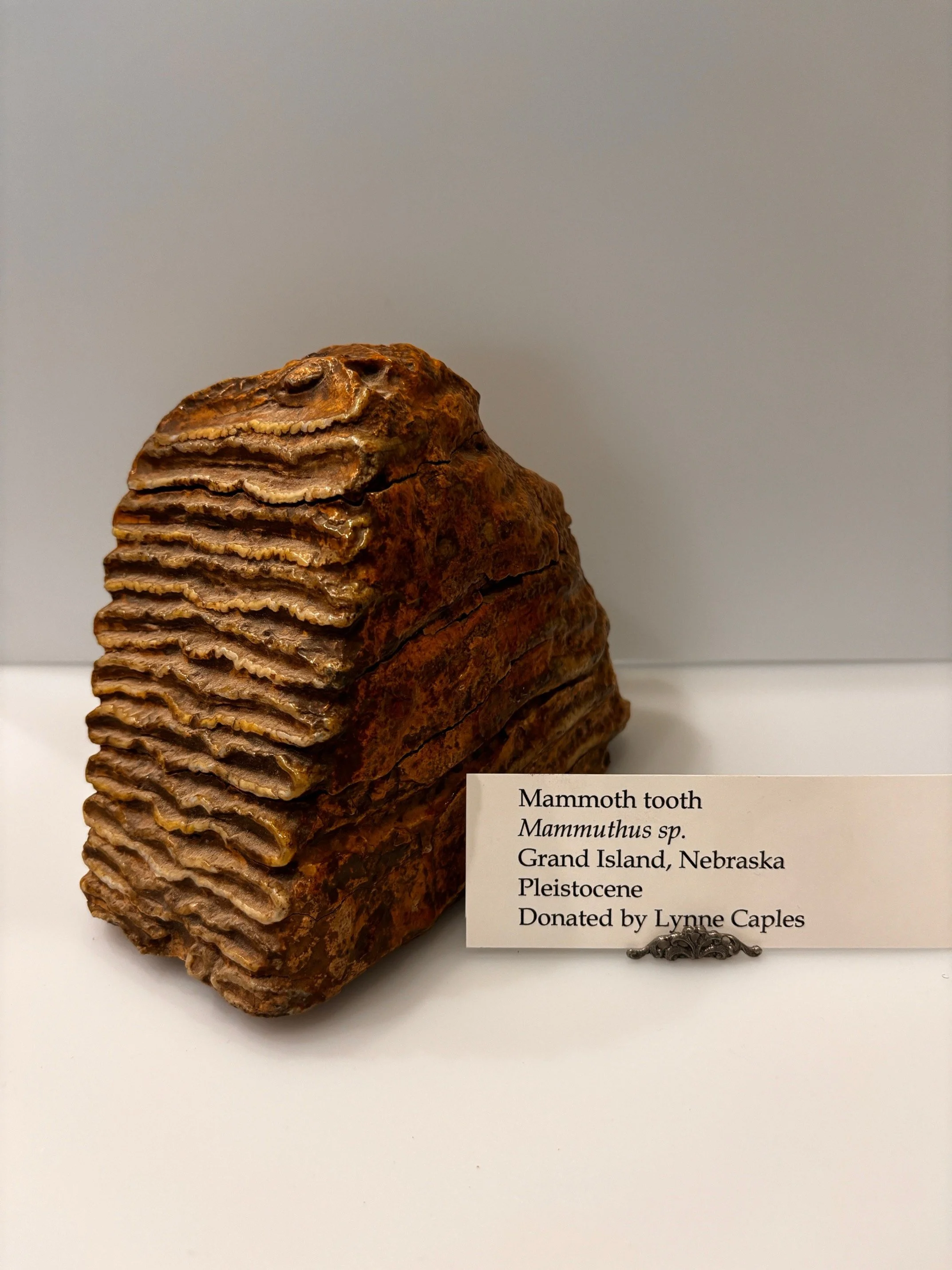
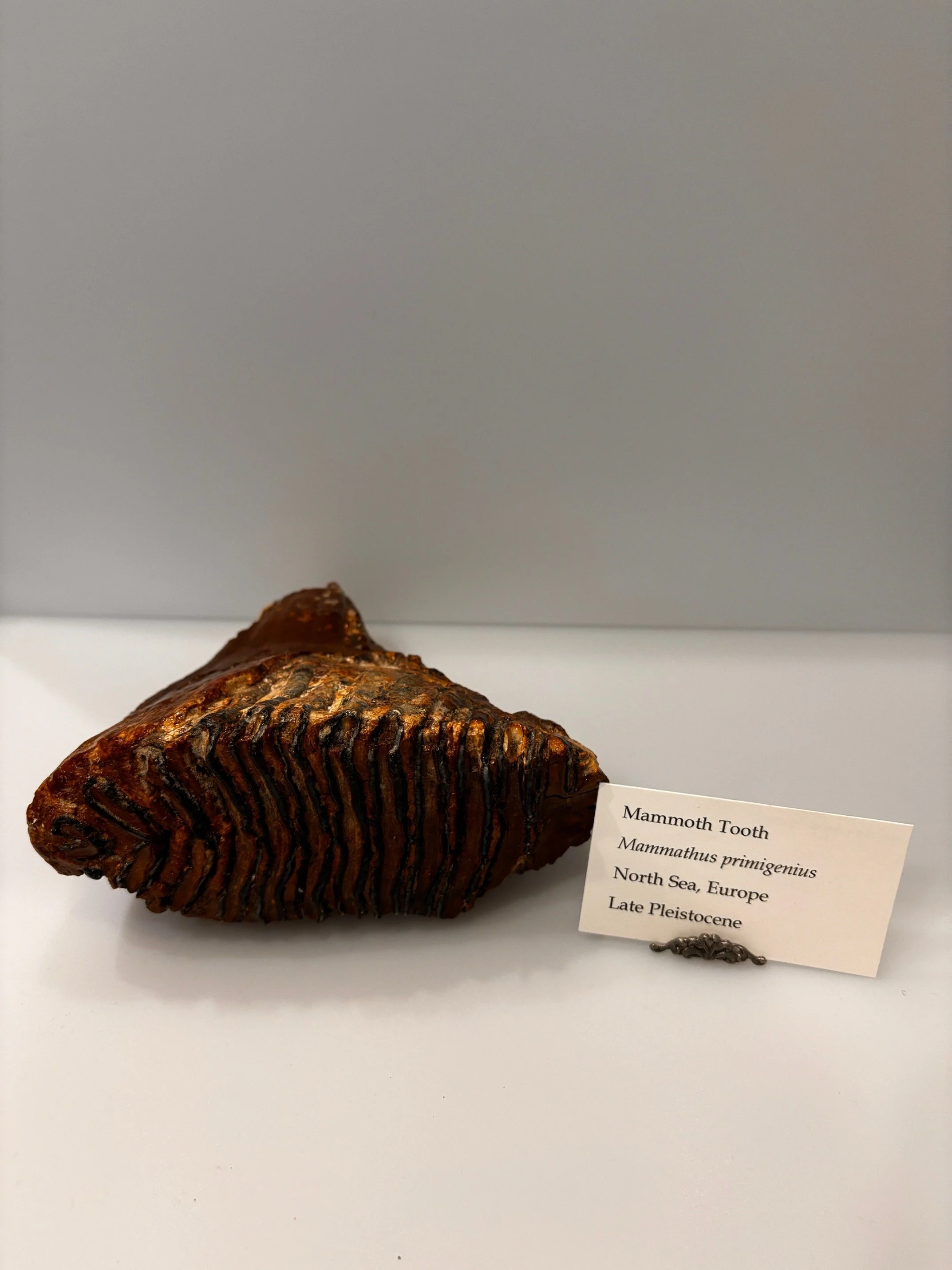
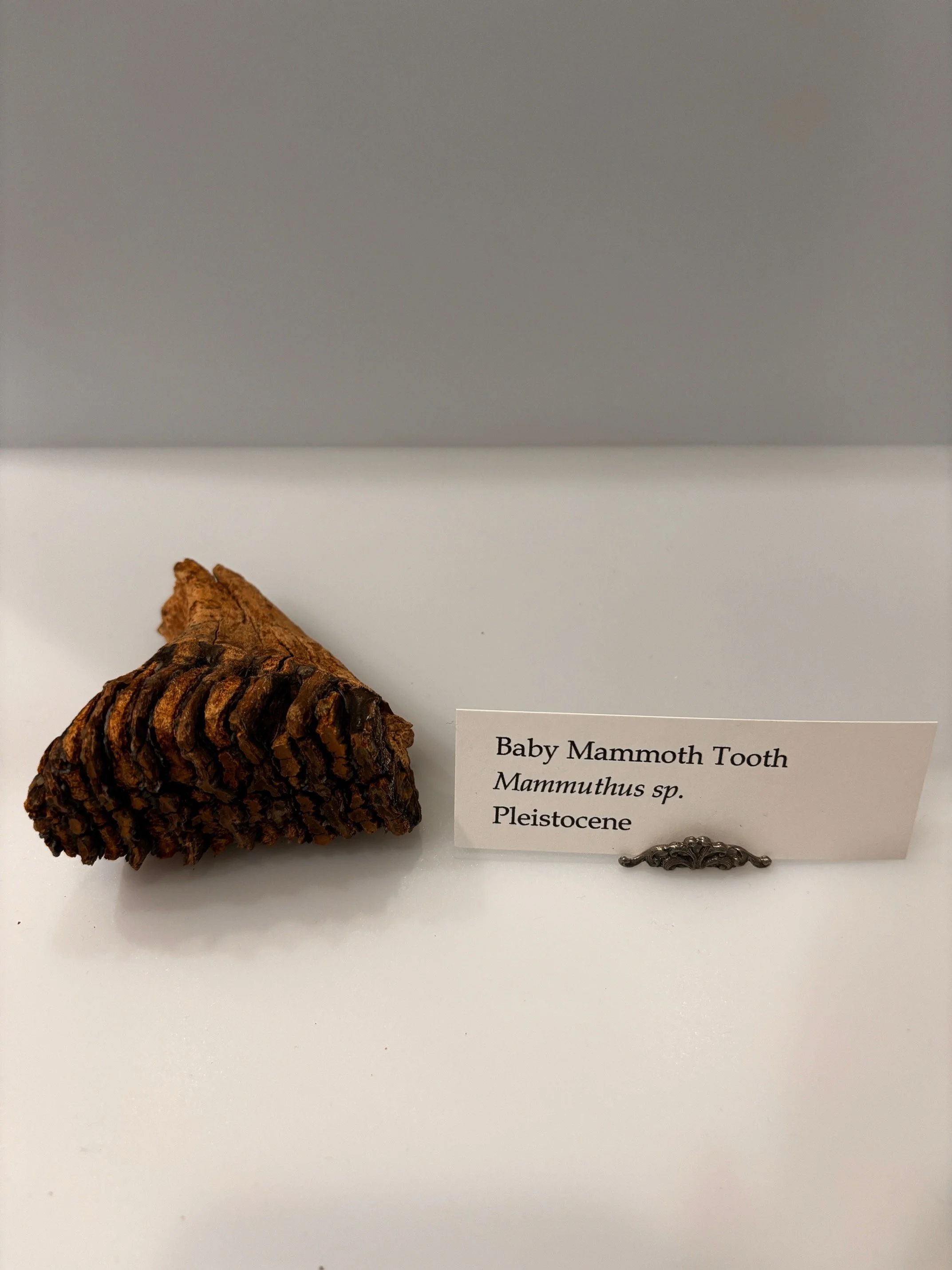
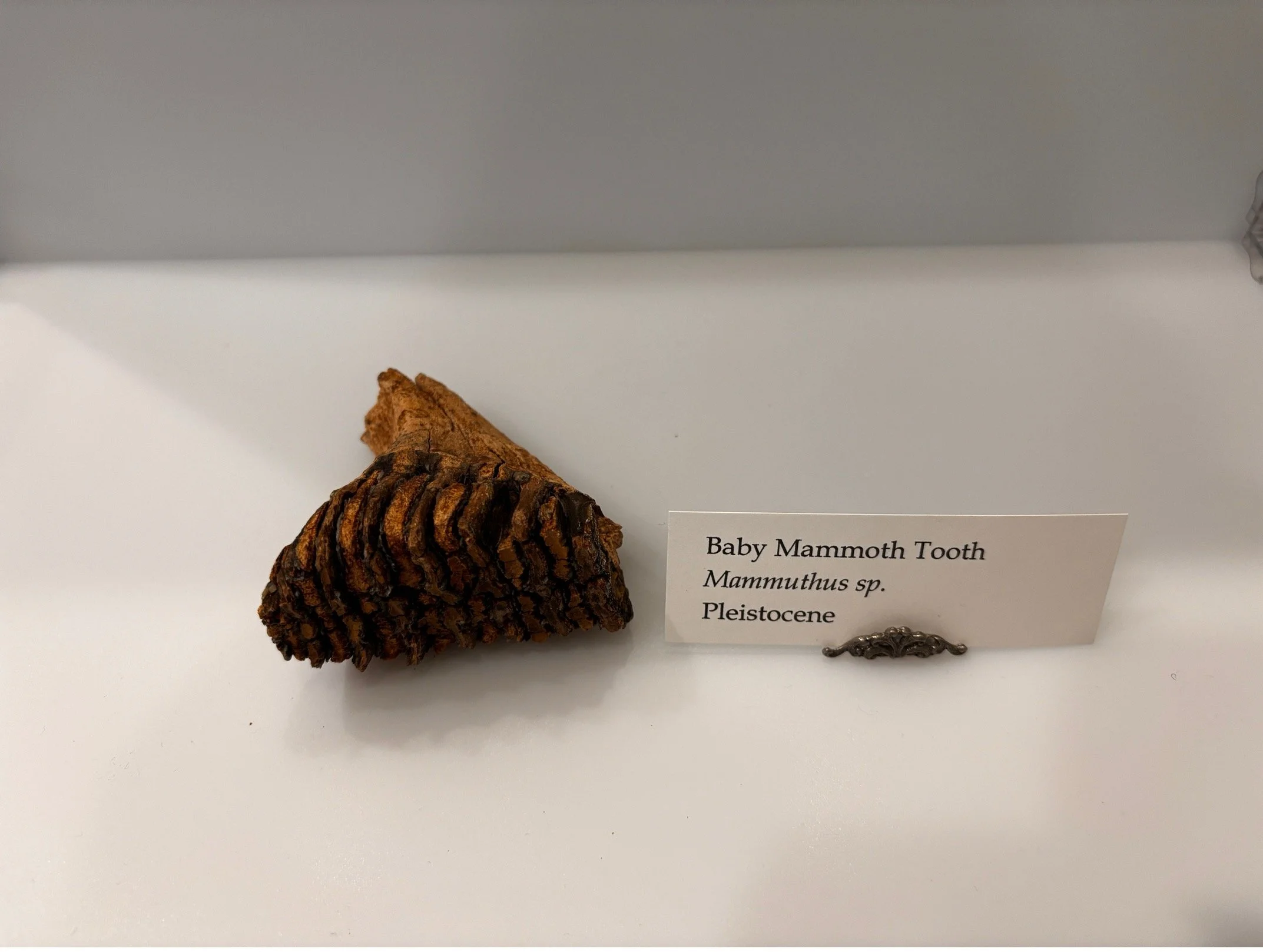
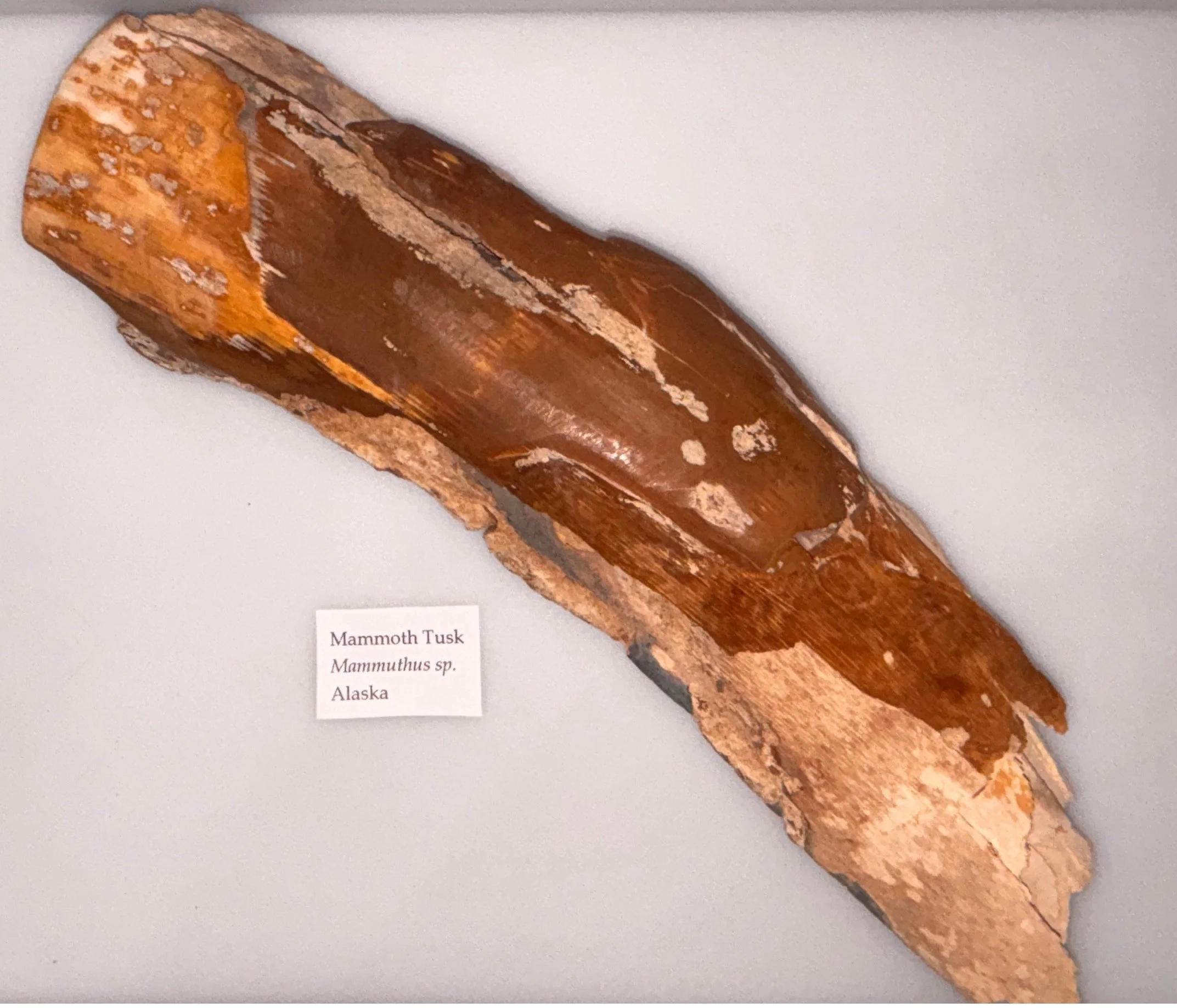
Woolly Mammoths were large, furry, herbivorous members of the family Elephantidae, and were relatives to Mastodons and the modern African and Asian Elephants. Their thick fur protected them from the extreme colds of the Ice Age, while modern elephants need to stay mostly naked to protect from high heat. Different species of Woolly Mammoths lived during the Pleistocene, making their homes in both Eurasia and the Americas. Mammoths went extinct from a combination of rising global temperatures and human hunting practices.
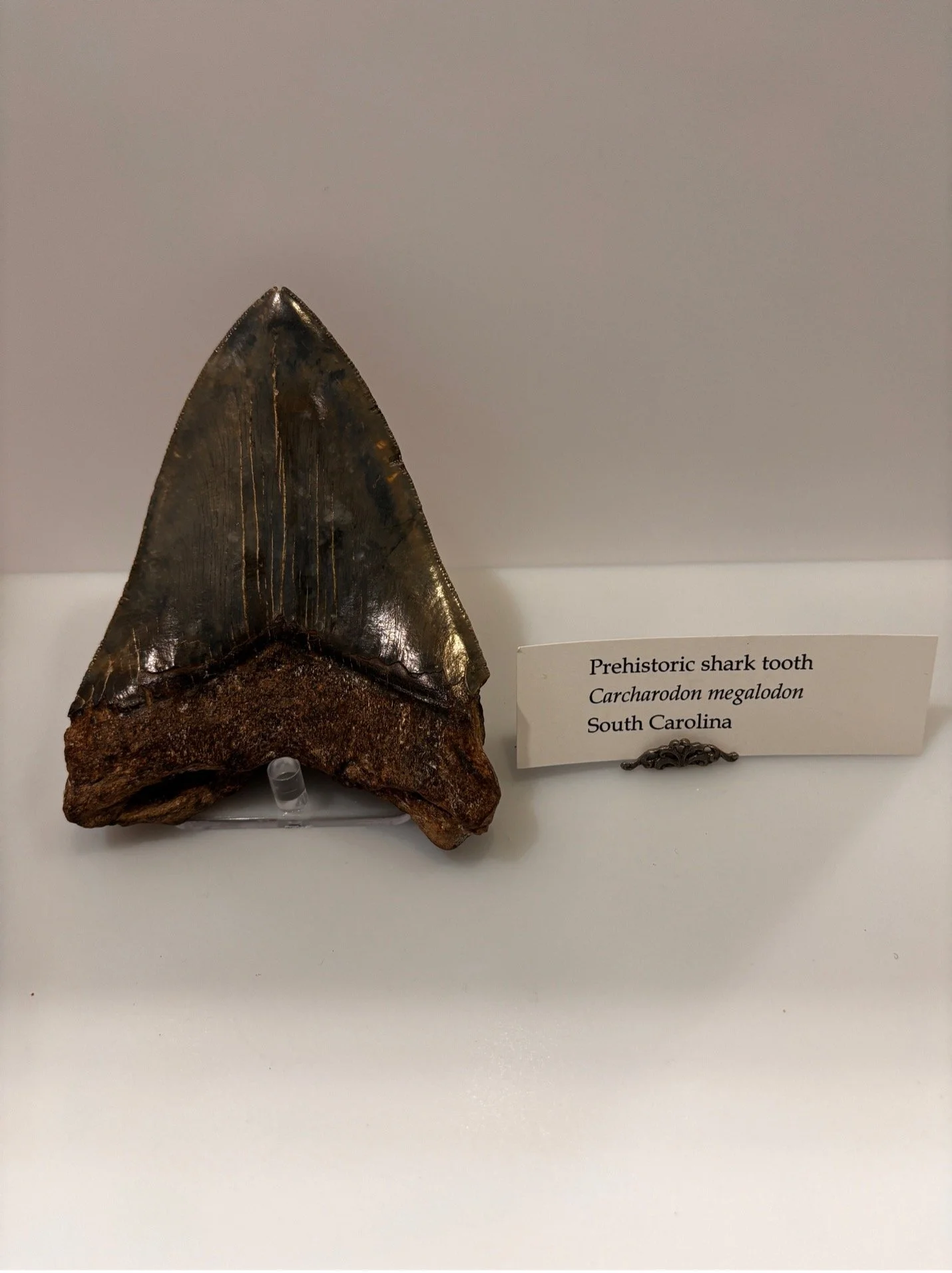
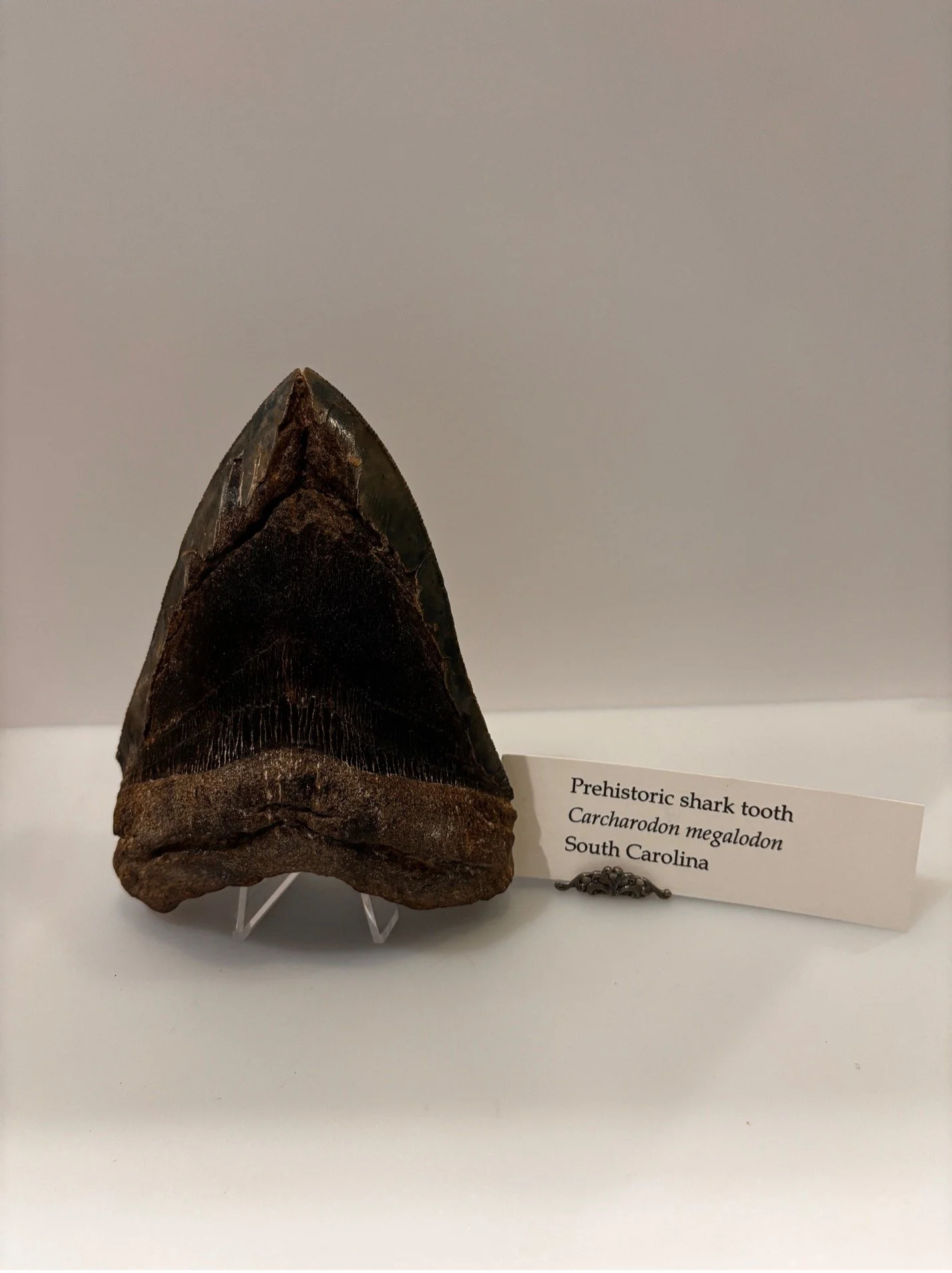
Megalodons were the largest shark to ever live, and one of the largest fishes. Our understanding of the Megalodon is limited, as most of its cartilaginous skeleton does not preserve like normal bone, therefore most size estimations come from comparing their tooth size with modern sharks. The current estimation places Megalodons at about 80 feet long (for reference, that’s about an entire lane at the bowling alley). Megalodons were wide spread across the planet’s oceans, and their teeth have been found washed up on every continent but Antarctica.
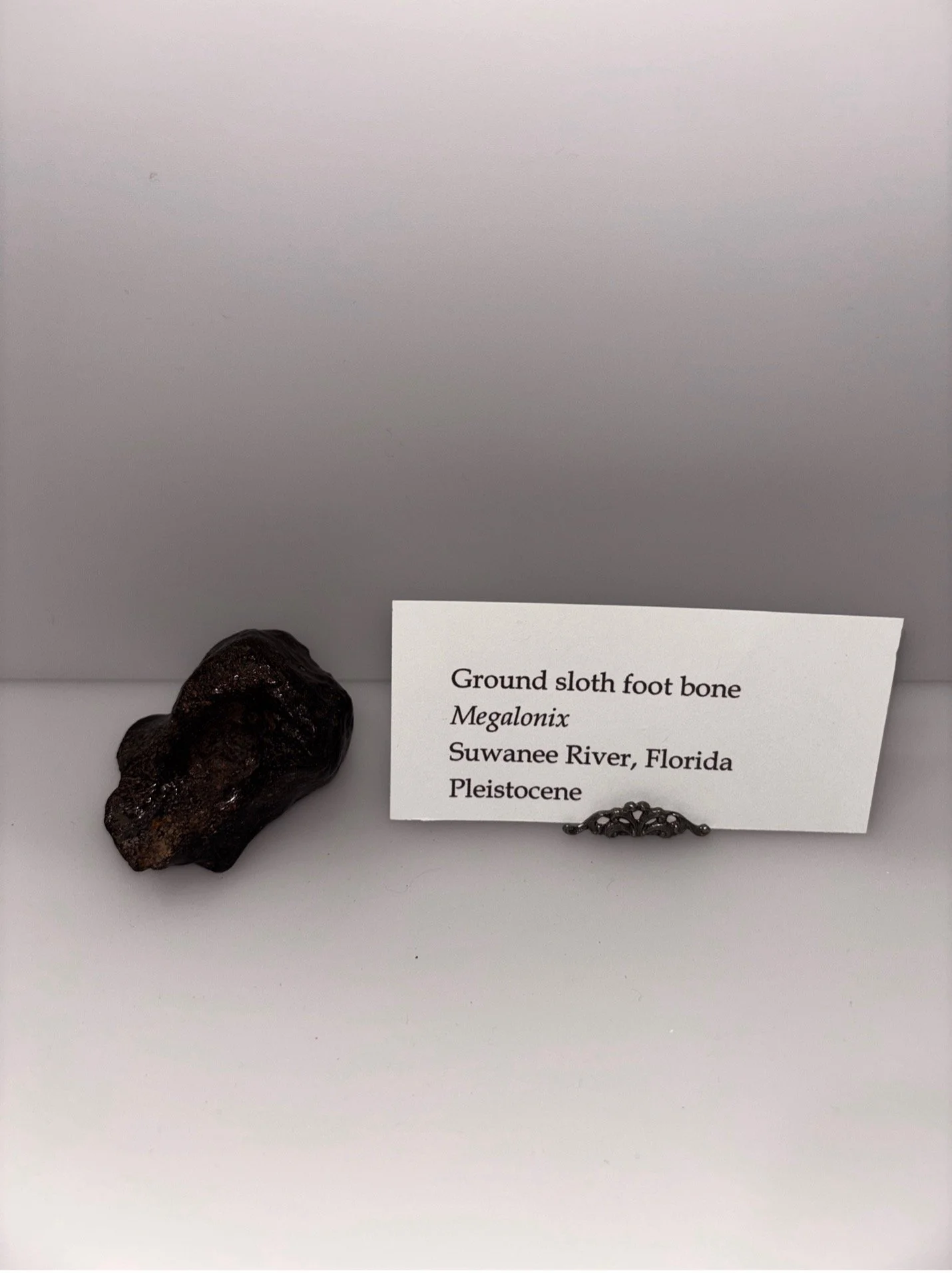
The Giant Ground Sloths lived across North and South America. Unlike their modern relatives, Giant Ground Sloths did not live in trees, and instead stuck mostly to grasslands where they ate plants like yucca and agave. There were many different species of the Giant Ground Sloths, the largest reaching up to 20 feet in length. Megalonyx jeffersoni was a smaller species, but still reached nearly 10 feet in length and weighed about 2200 lbs.
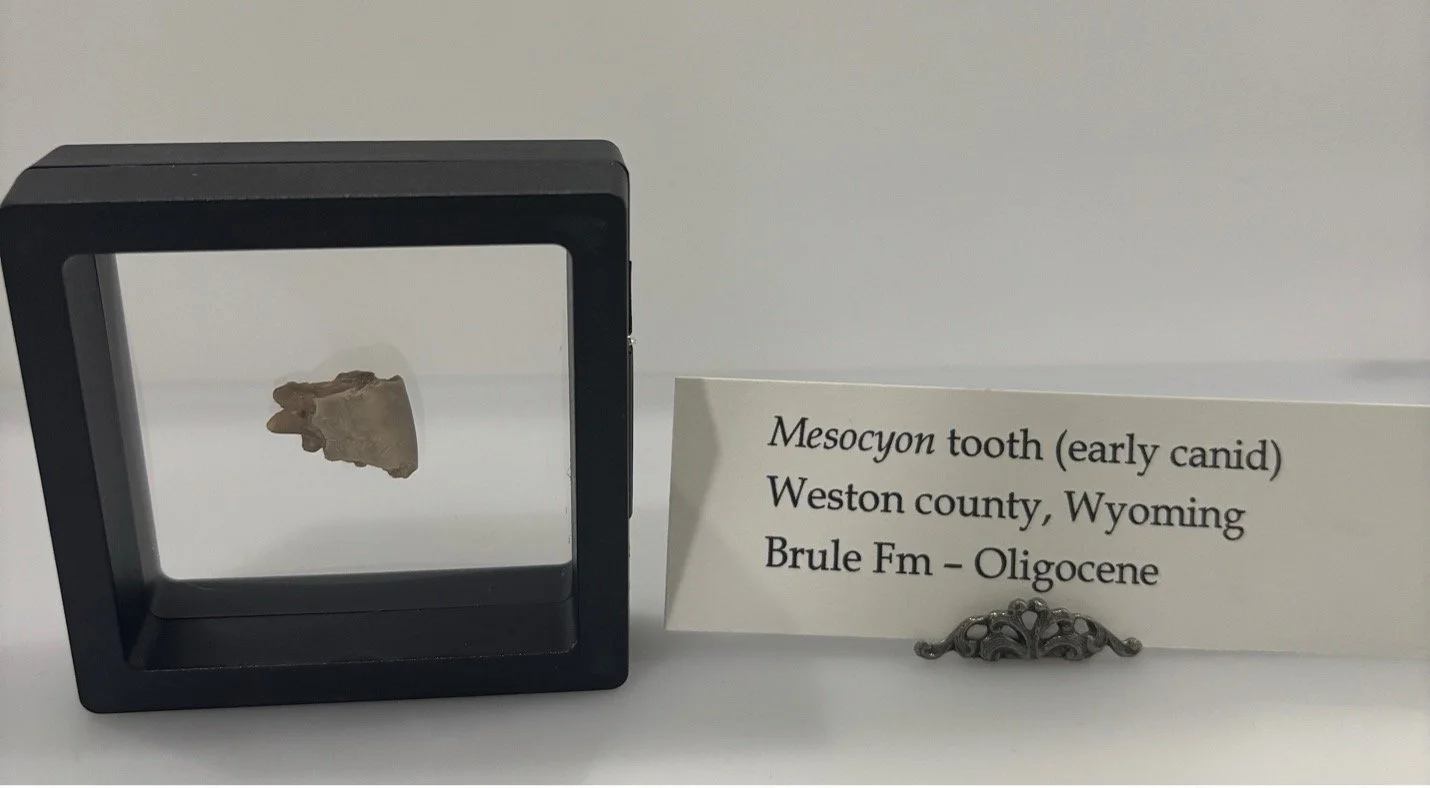
Canid species within the Mesocyon genus, sometimes called the “middle dog” or “short-faced dog”, were part of a now extinct genus of canids and are therefore not ancestors to modern dogs. However, it is believed the Mesocyon canids hunted in packs in open spaces like modern canids, likely relied on a strong sense of smell and sharp hearing and were about the size of a modern coyote. The major difference between Mesocyon lifestyle and modern canids is their diets: Mesocyons were carnivorous while modern dogs are omnivorous.
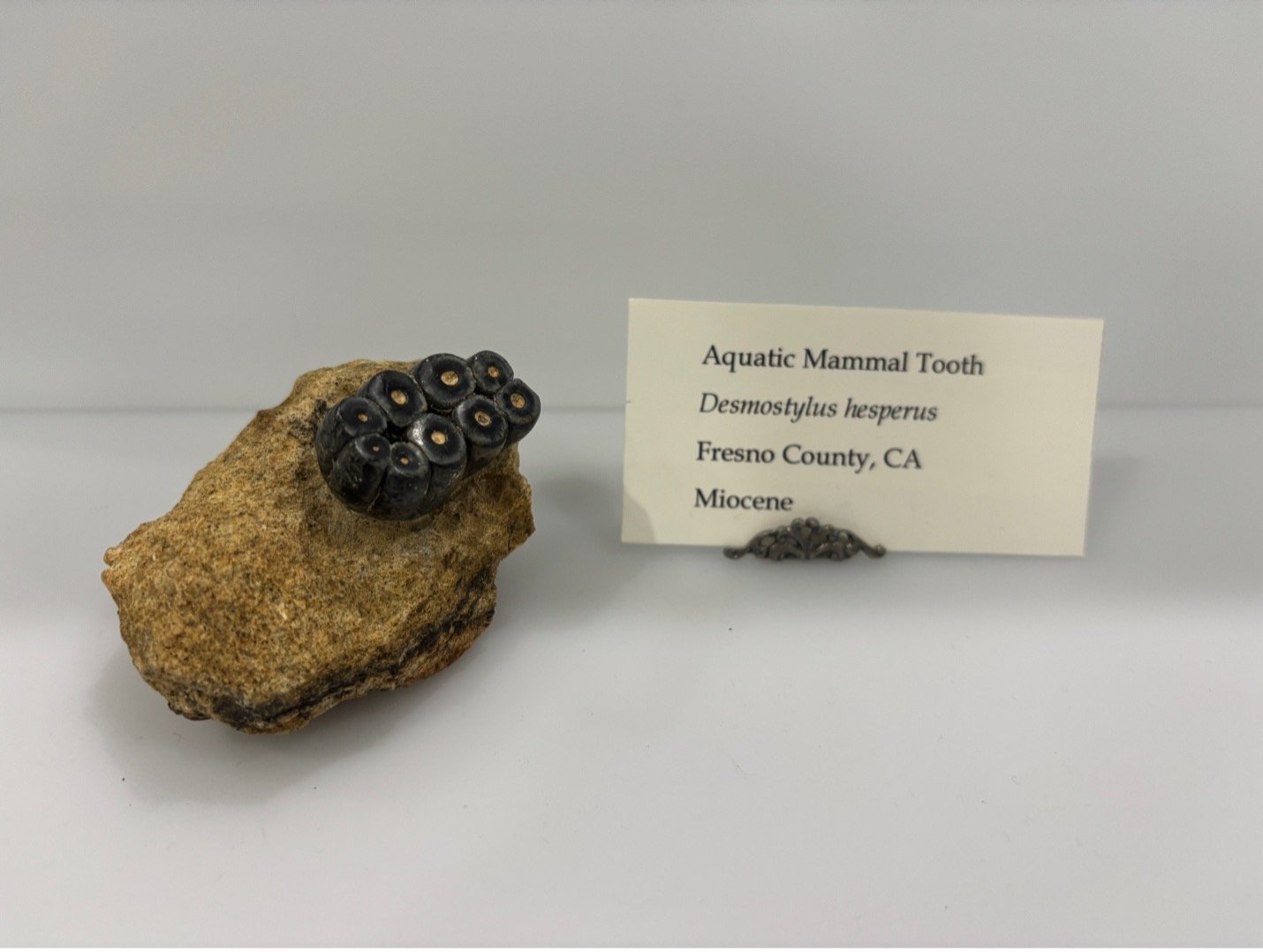
Desmostylus herspersus was bit like a hippopotamus, living all along the North Pacific Rim. They were herbivores who ate aquatic vegetation like seaweed. The Desmostylus is not a direct ancestor to any current living species, but they are distantly related to manatees, dugongs, and elephants.
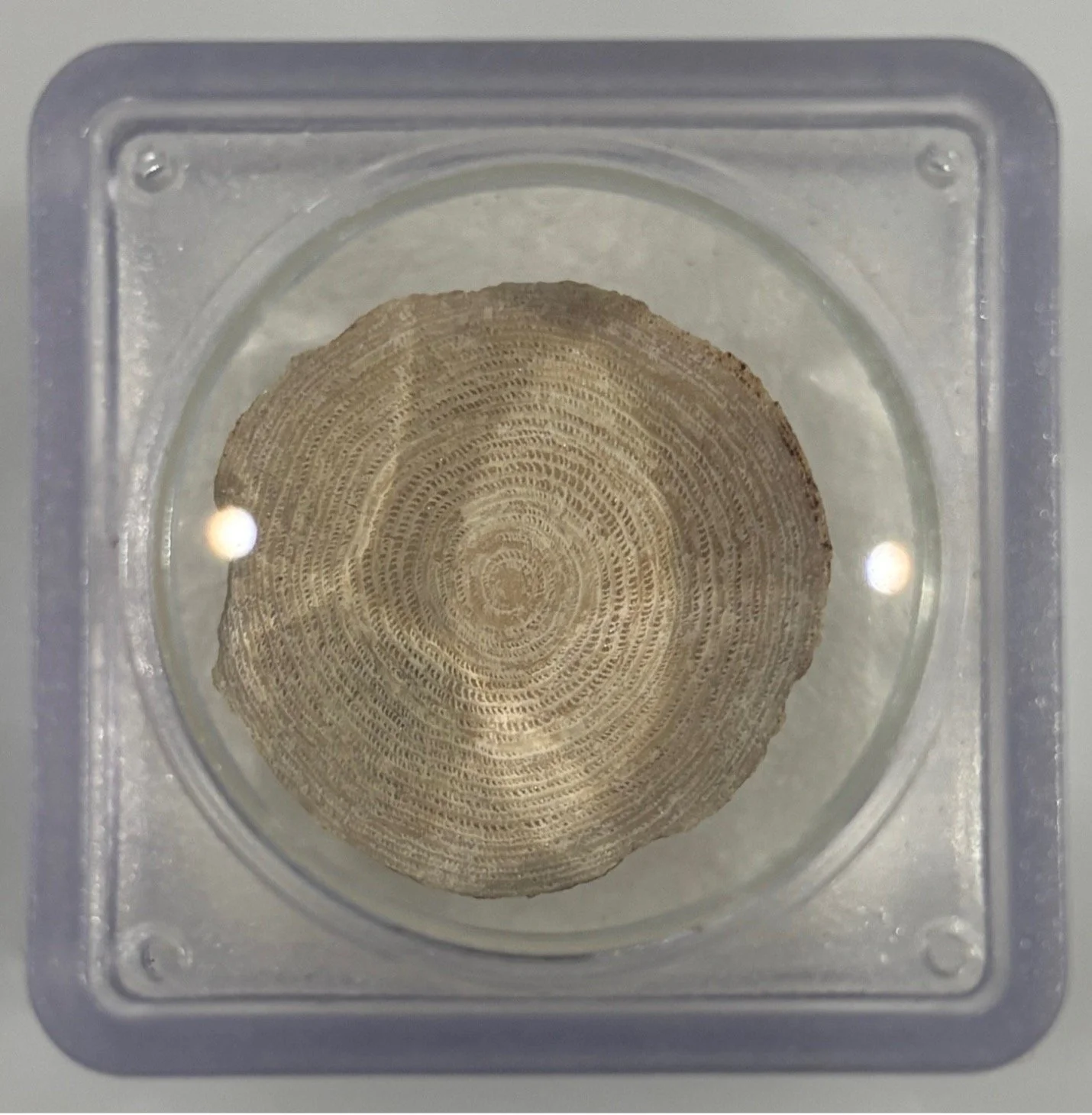
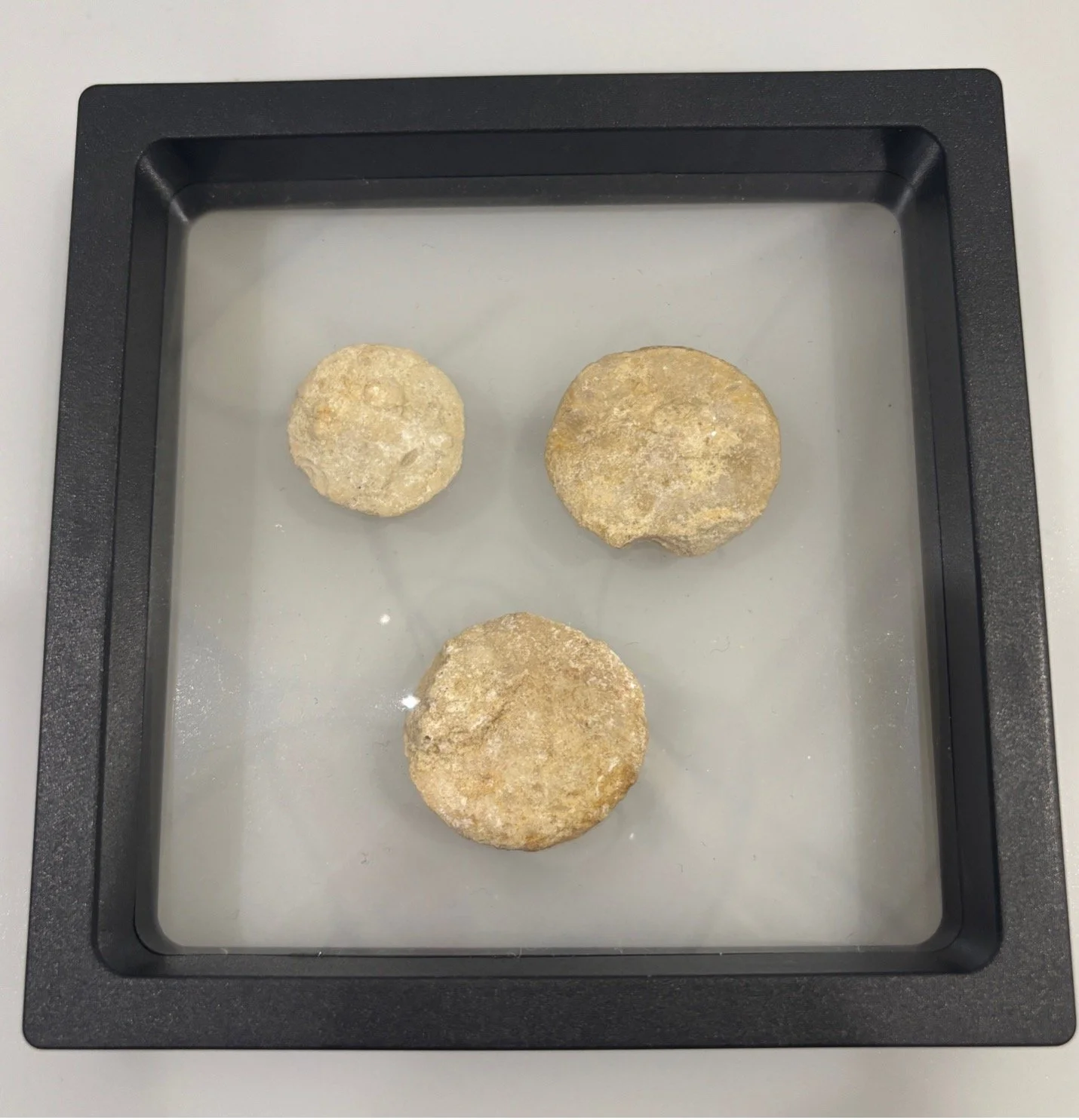
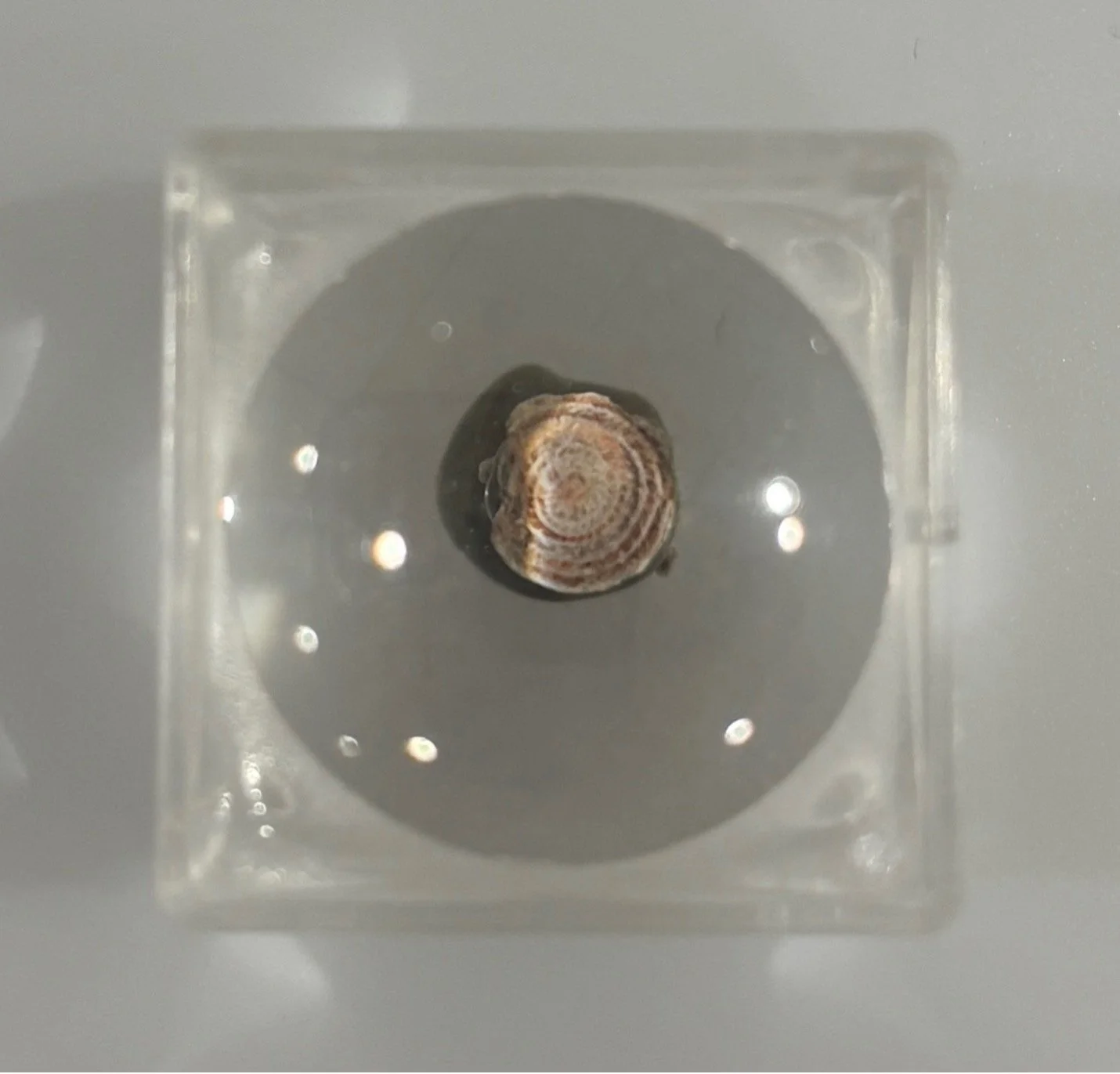
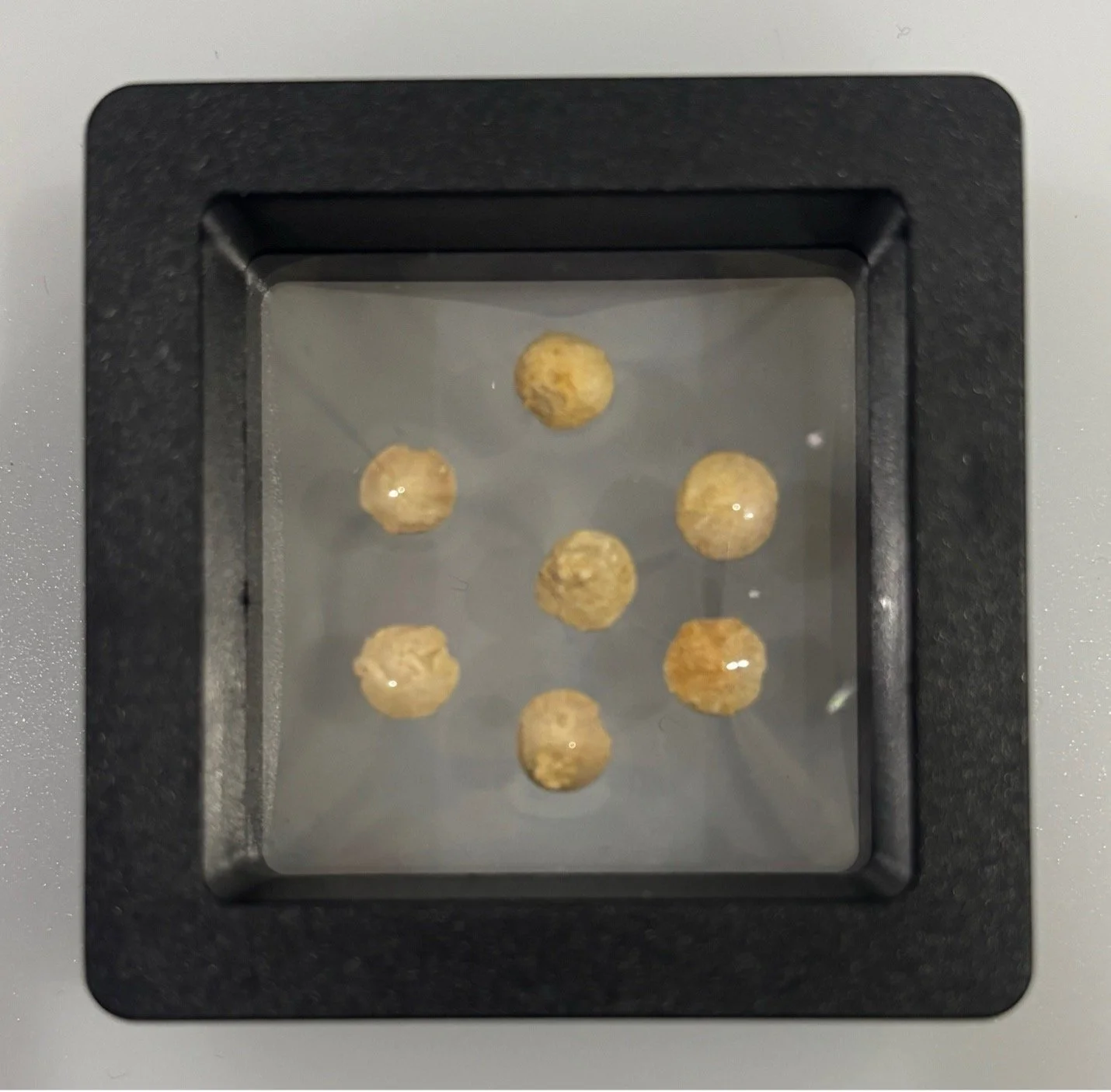
Nummulites are a type of foraminiferan (a type of single-celled organism) that develop disc shaped tests (shells) made up of connected chambers in a spiral arrangement. This species, Nummulites gizehensis, lived during the Eocene epoch and dwelled at the bottom of a shallow ocean around what is now Northern Africa and Southern Europe. The fossils of nummulites can be seen in the very stones that make up the Pyramids of Giza, hence their name.
Nummulites have an ‘alternation of generations’ life cycle, making both the large, coin shaped specimens, and the small, lentil shaped specimens, the same species. The large, coin shaped forms reproduced asexually after reaching maturity, producing the smaller form. The small, lentil shaped forms reproduced sexually after reaching maturity, producing the larger form.
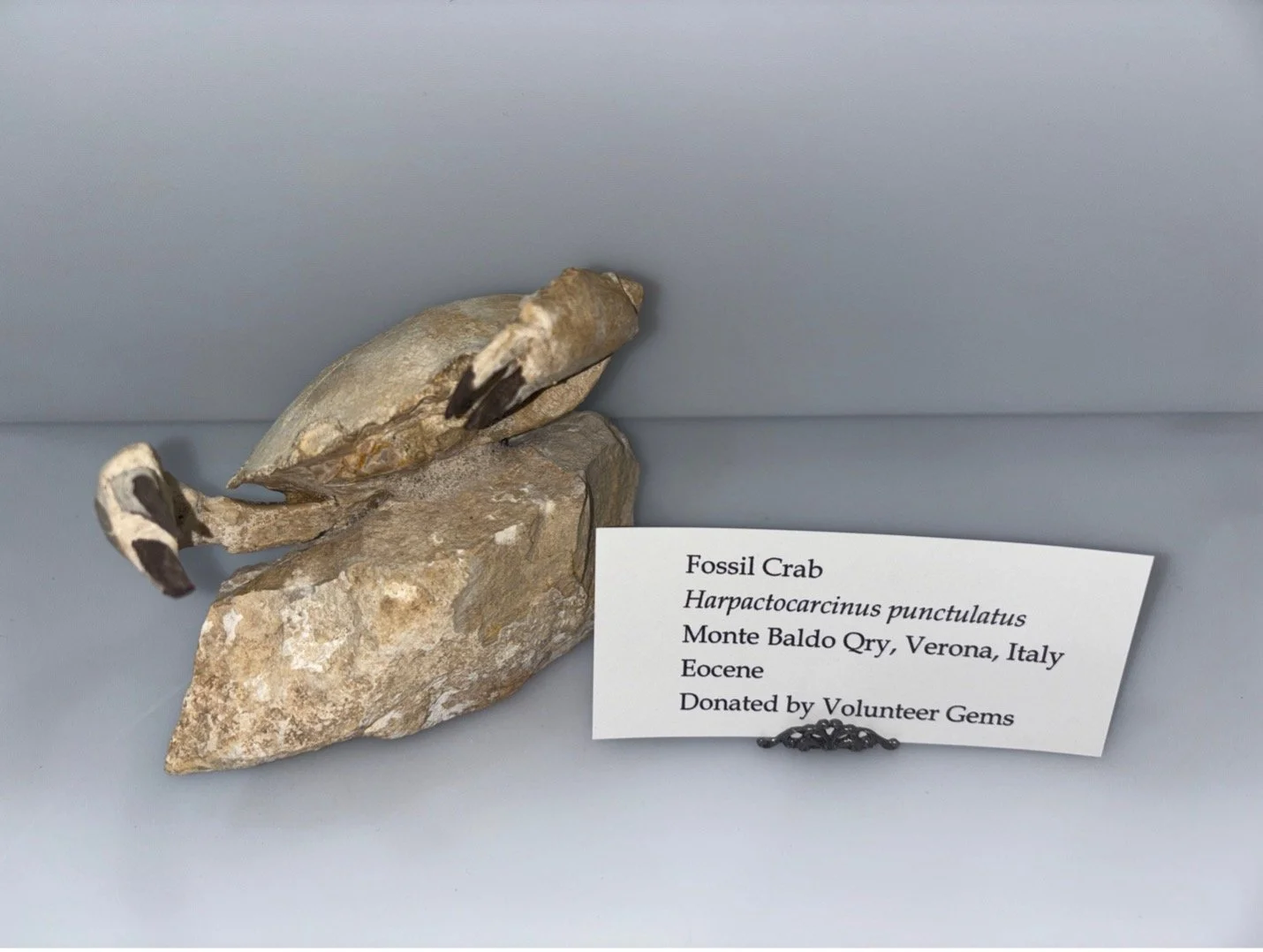
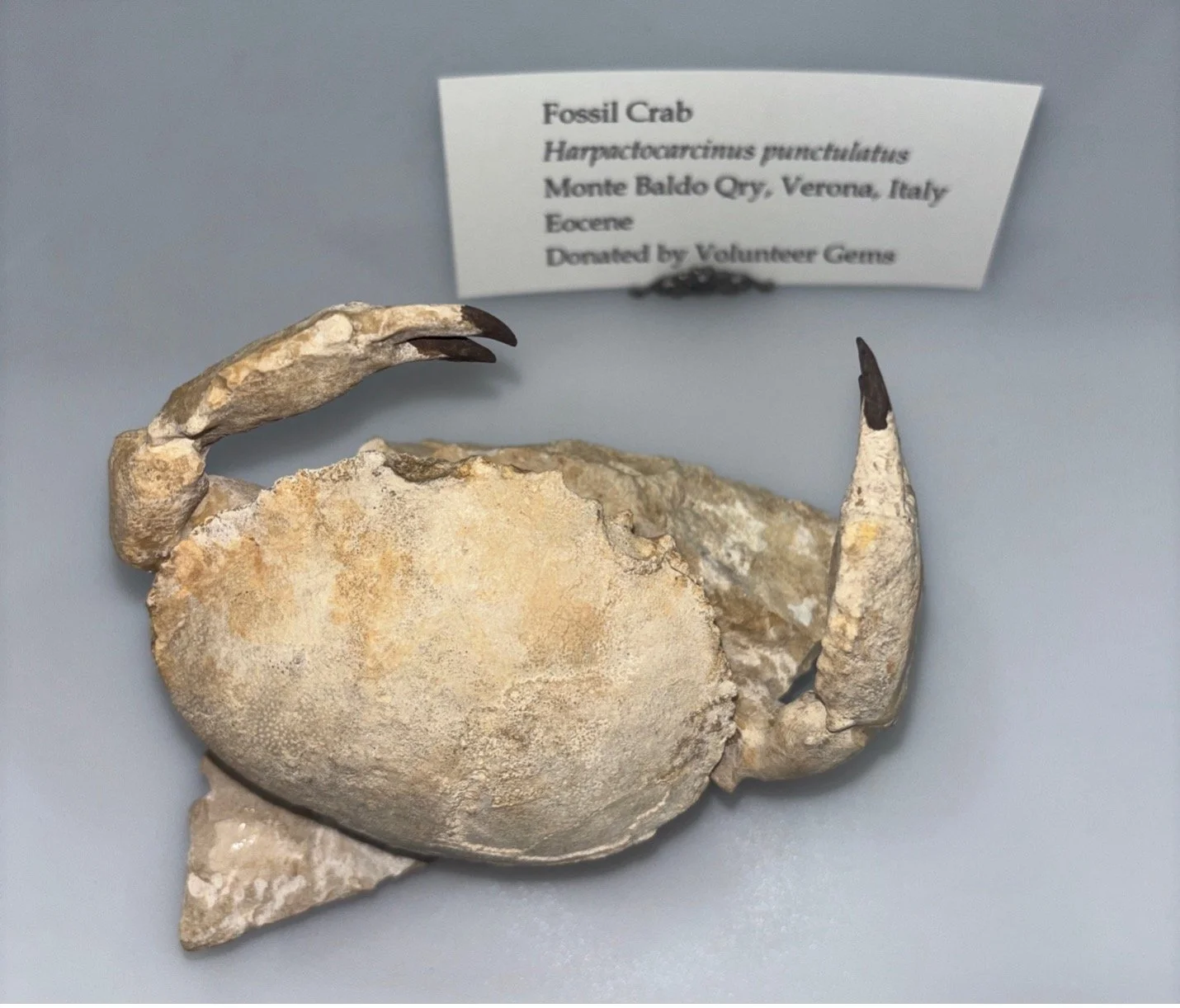
Harpactocarcinus punctulatus was a type of mud crab whose incredibly well-preserved fossils can be found in Europe and North America. These crabs fossilize astoundingly well because of their hard carapaces, which make their remains look a bit like statues instead of fossils.
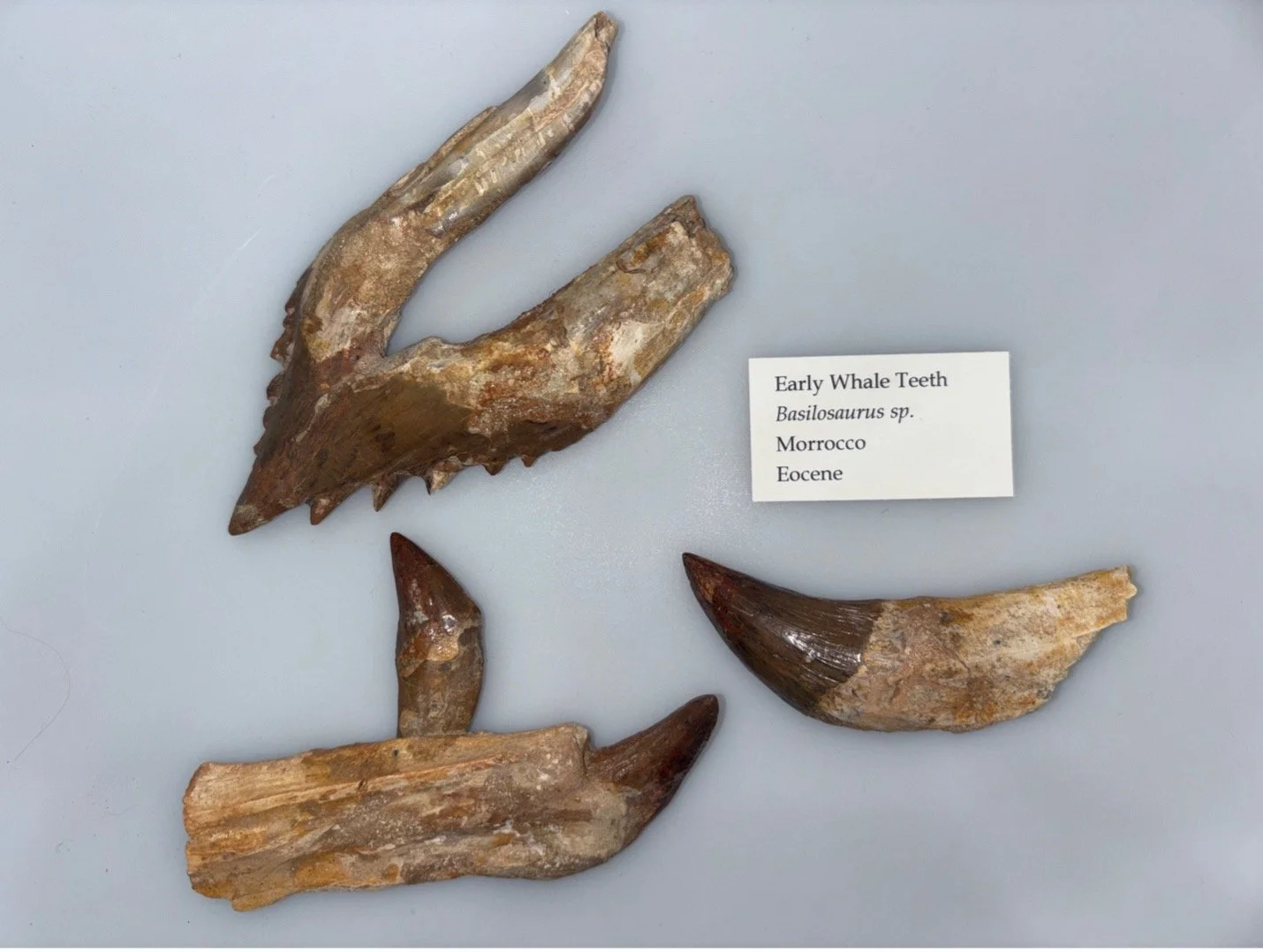
The Basilosaurus was an apex predator of the Eocene seas. It is known for its prominent and intimidating teeth, which it used to hunt fish, sharks, and likely marine mammals. The Basilosaurus was long and slender, ranging between about 50-65 feet full grown. An interesting feature of their anatomy was their vestigial hind legs, which were not even attached to the skeleton and completely useless to the whale itself. Those legs do however tell paleontologists more about whale evolution, proving that whales’ ancestors once walked on land before returning to the water.
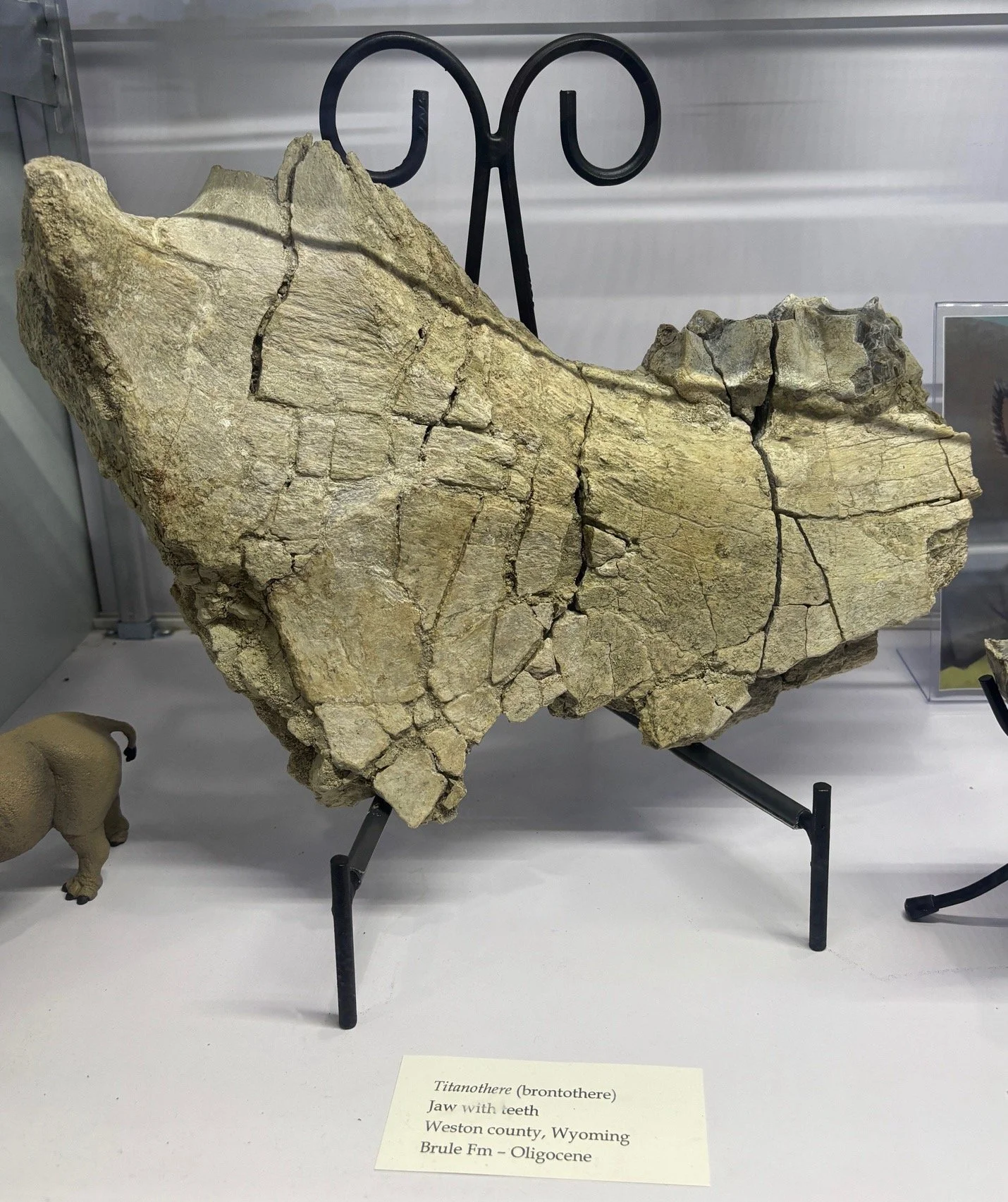
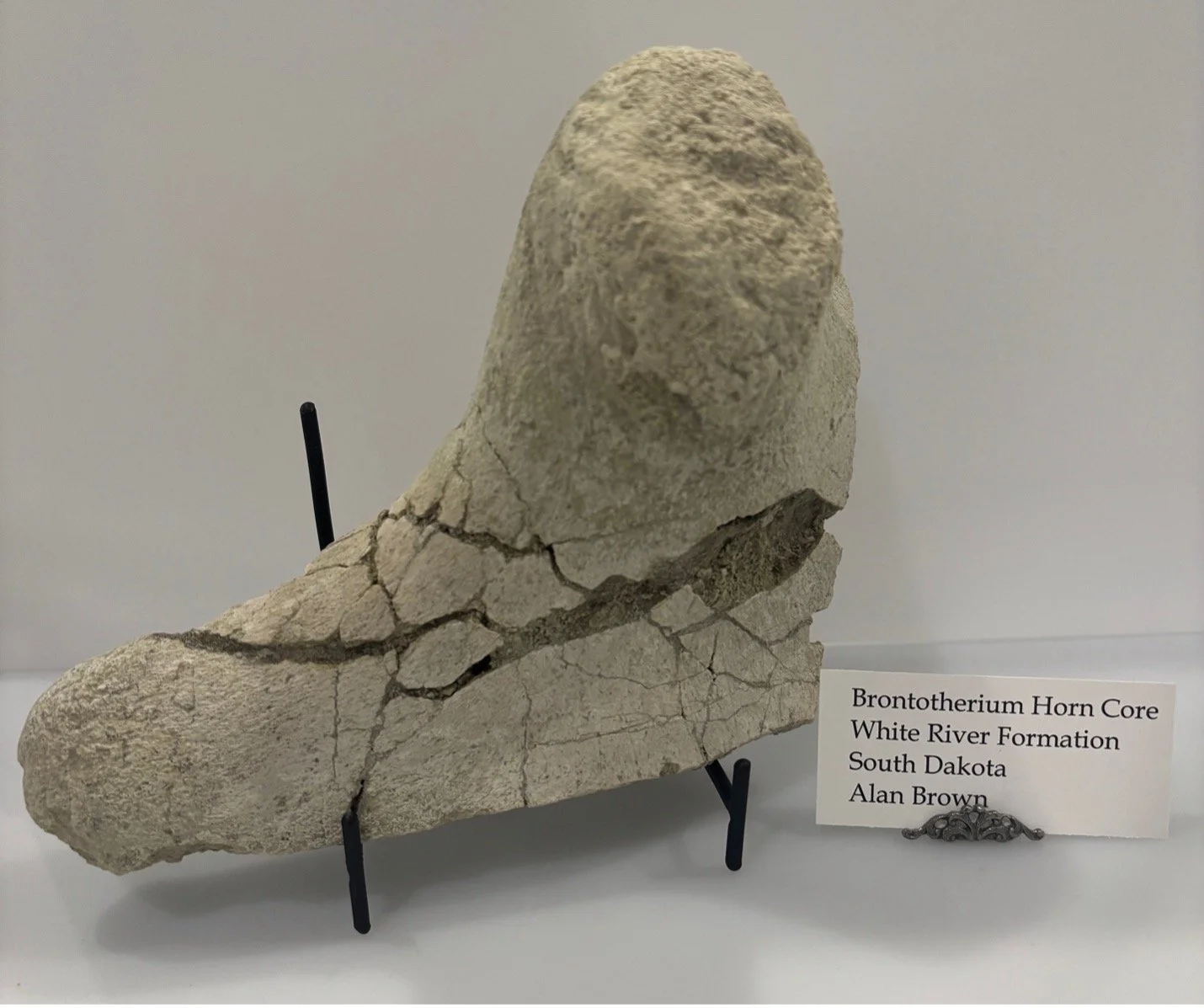
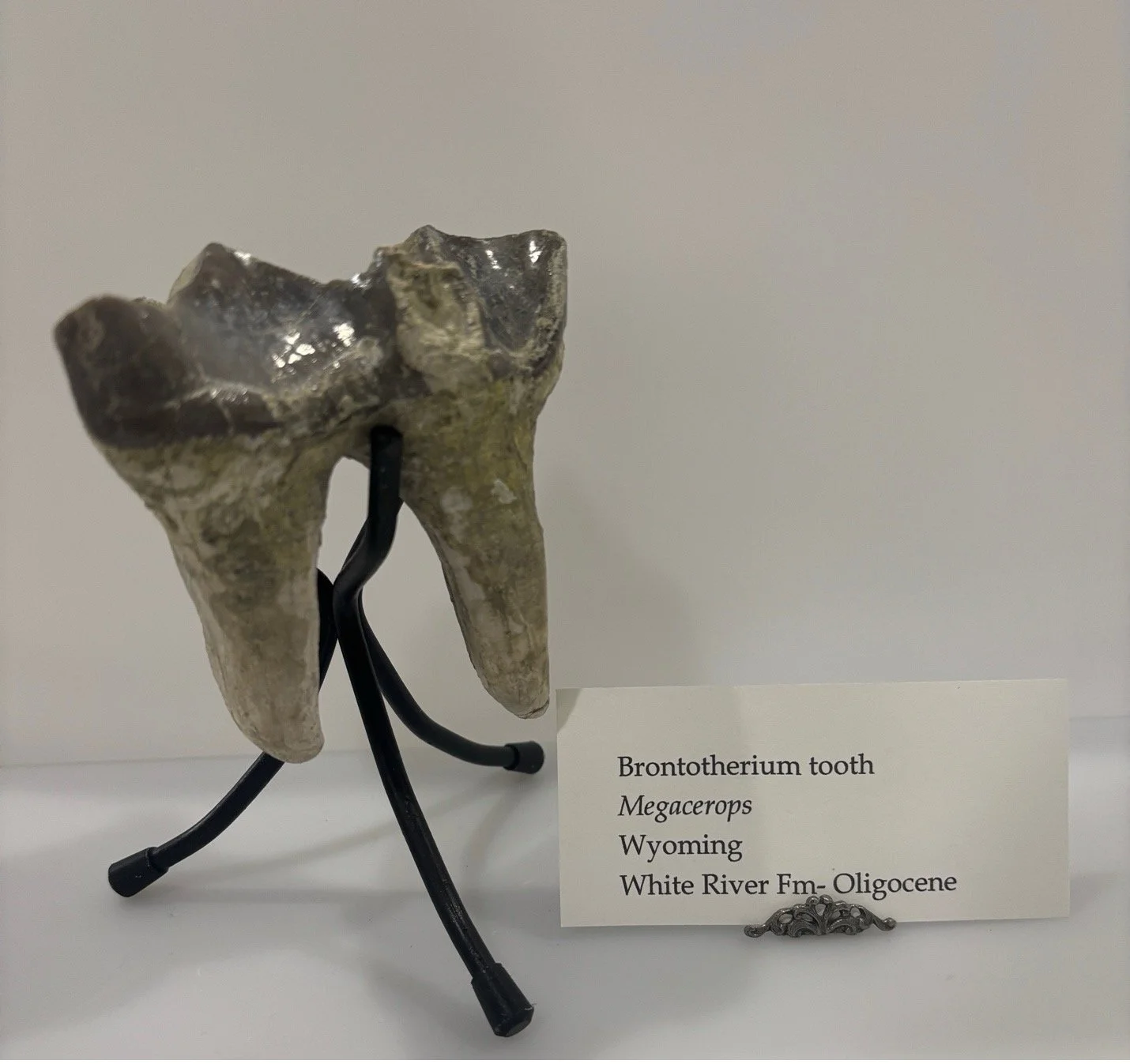
The group Brontotherium is a family of large megafauna of rhinoceros-like mammals. By the end of the Eocene, Brontotheres evolved to be very large (about 8 feet tall and 16 feet long) and would have traveled in herds. Like their distant relatives rhinoceroses, Brontotheres sported large horns; unlike rhinos, their horns were made entirely of bone instead of keratin. They were herbivorous and grazed on soft vegetation, which ultimately lead to their extinction at the end of the Eocene. During a shift in climate, the warm verdant lands of the Eocene dried out and became much colder, which effectively destroyed the Brontheres’ food source.
This group of animals goes by many names, but the two most popular are Brontothere which means “thunder beast” and Megacerops, meaning “large-horned face”.
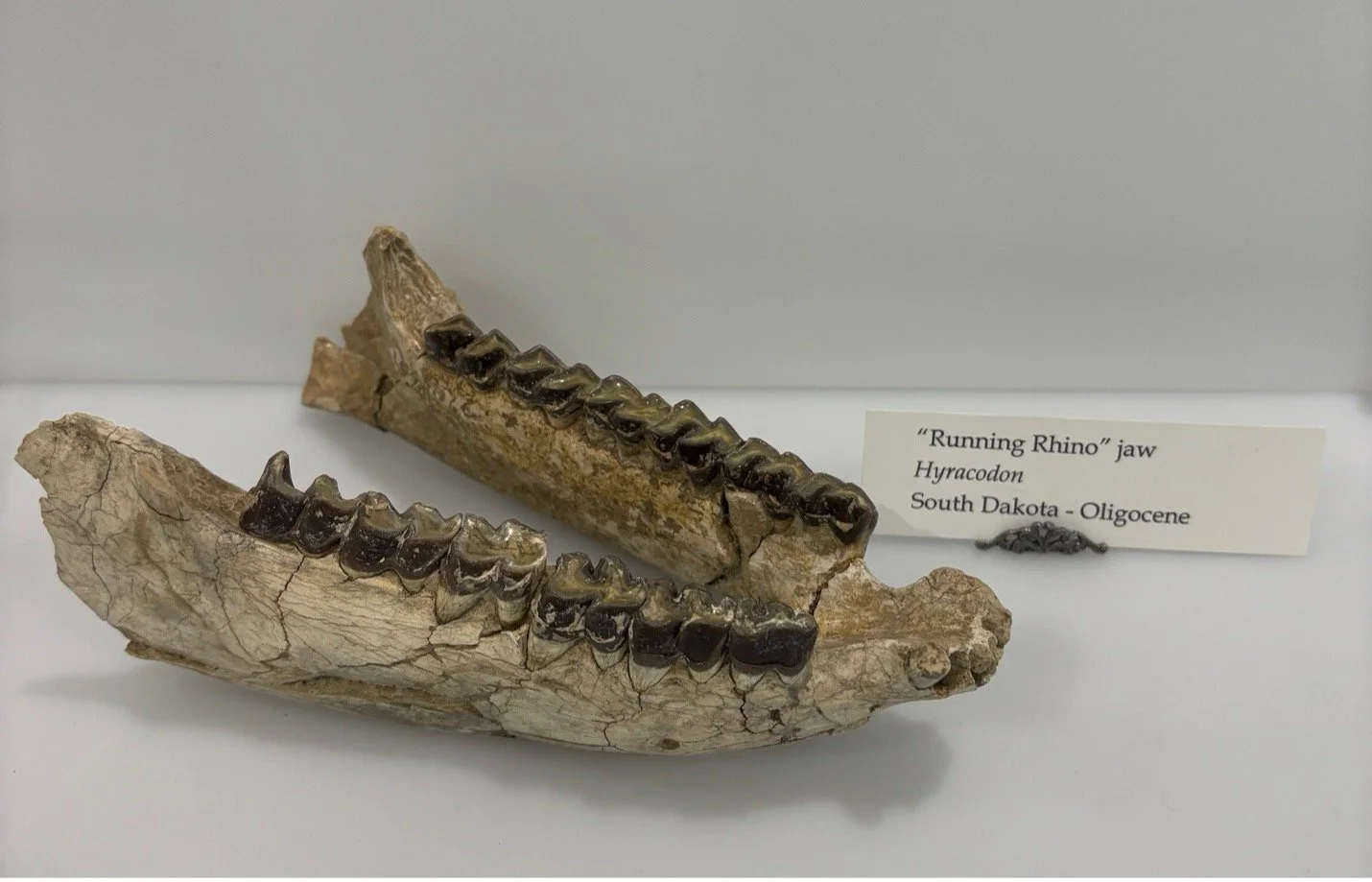
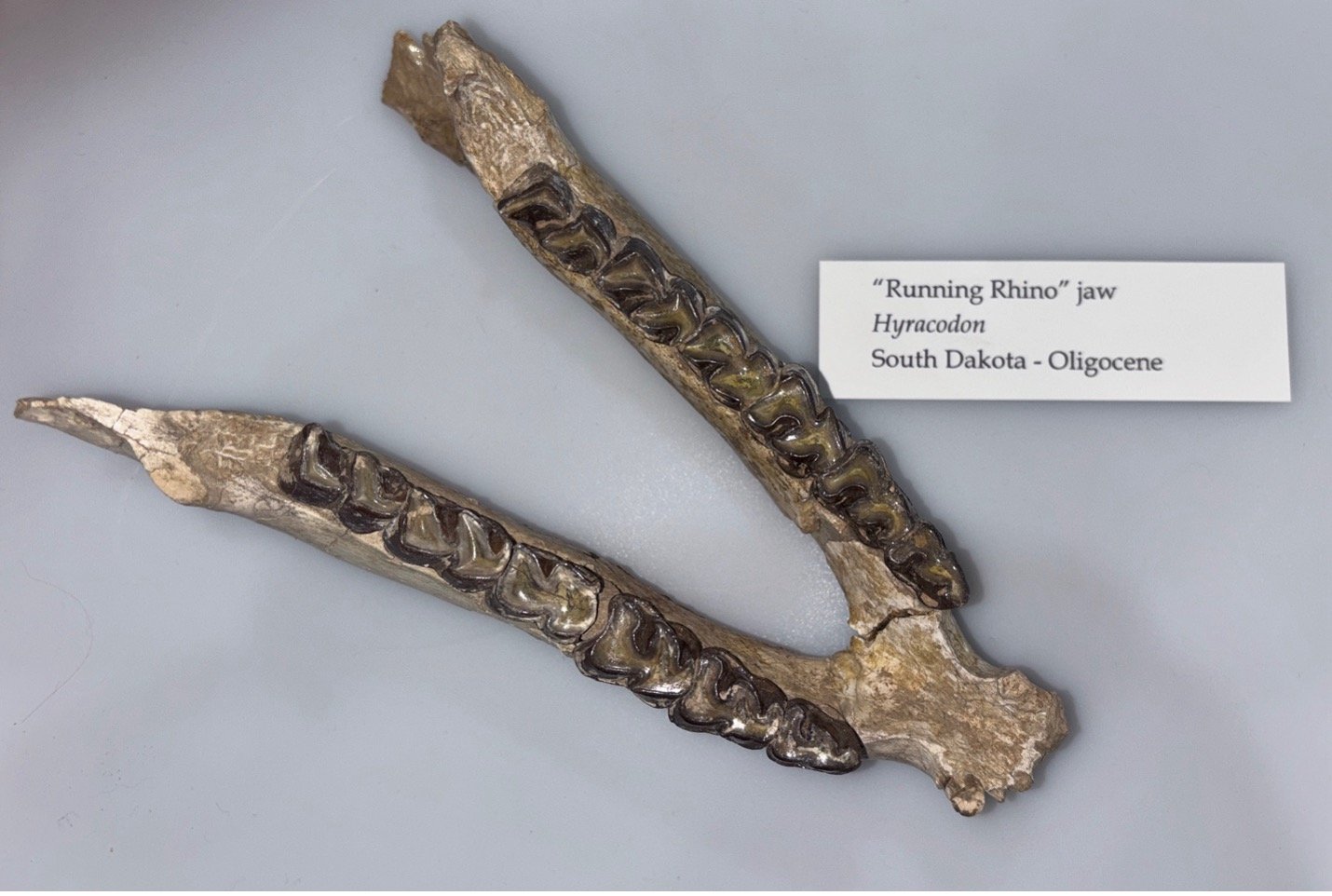
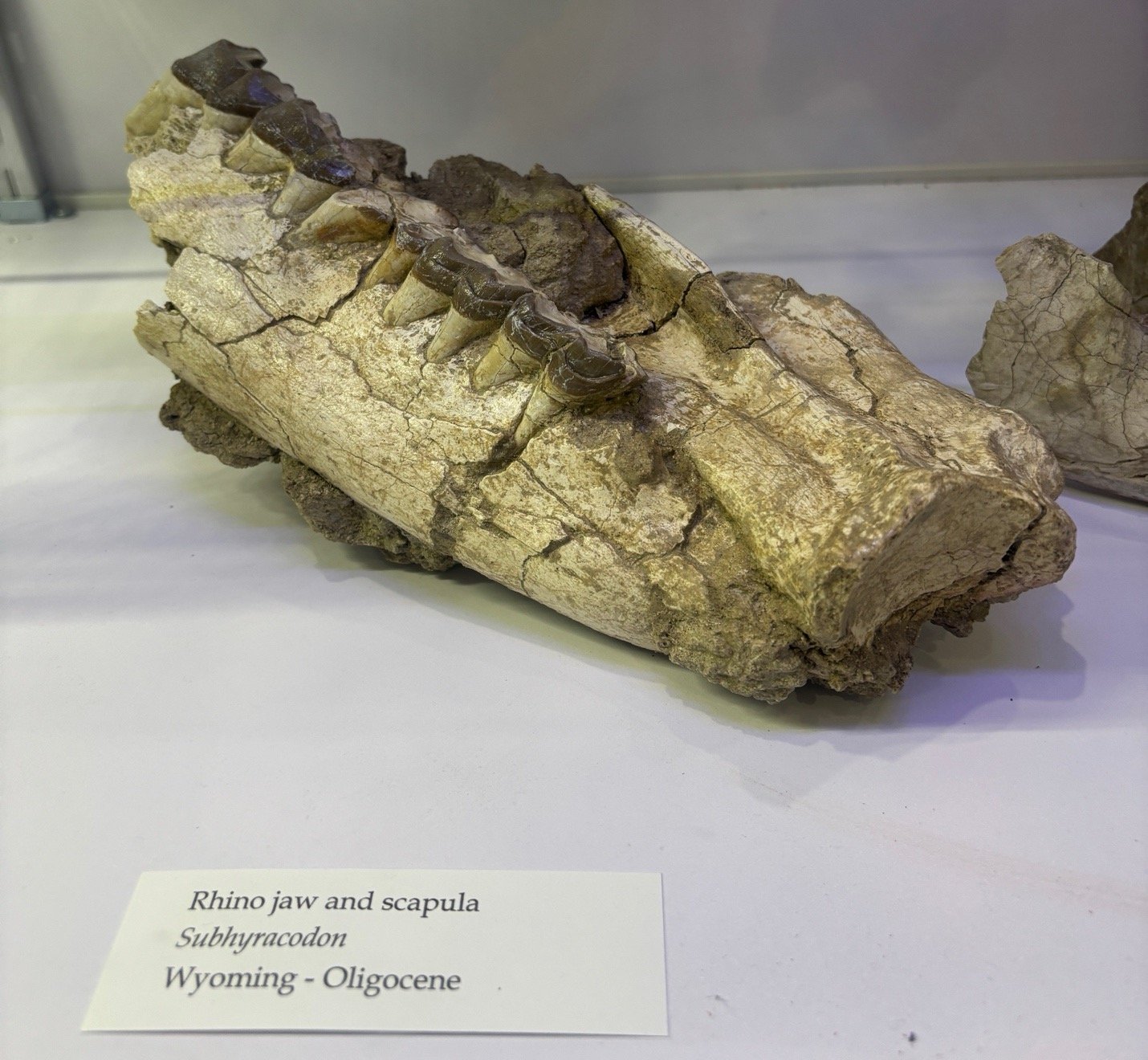
Hyracodon, or the Running Rhino, was a small and graceful member of the rhino family. They functioned more like horses than their modern rhino counterparts, as they were hornless with long, slender legs. They were about the size of a pony, and likely used their agility to flee from predators rather than fight them. Hyracodons lived throughout North America and Asia, only going extinct from climate change and loss of habitat.
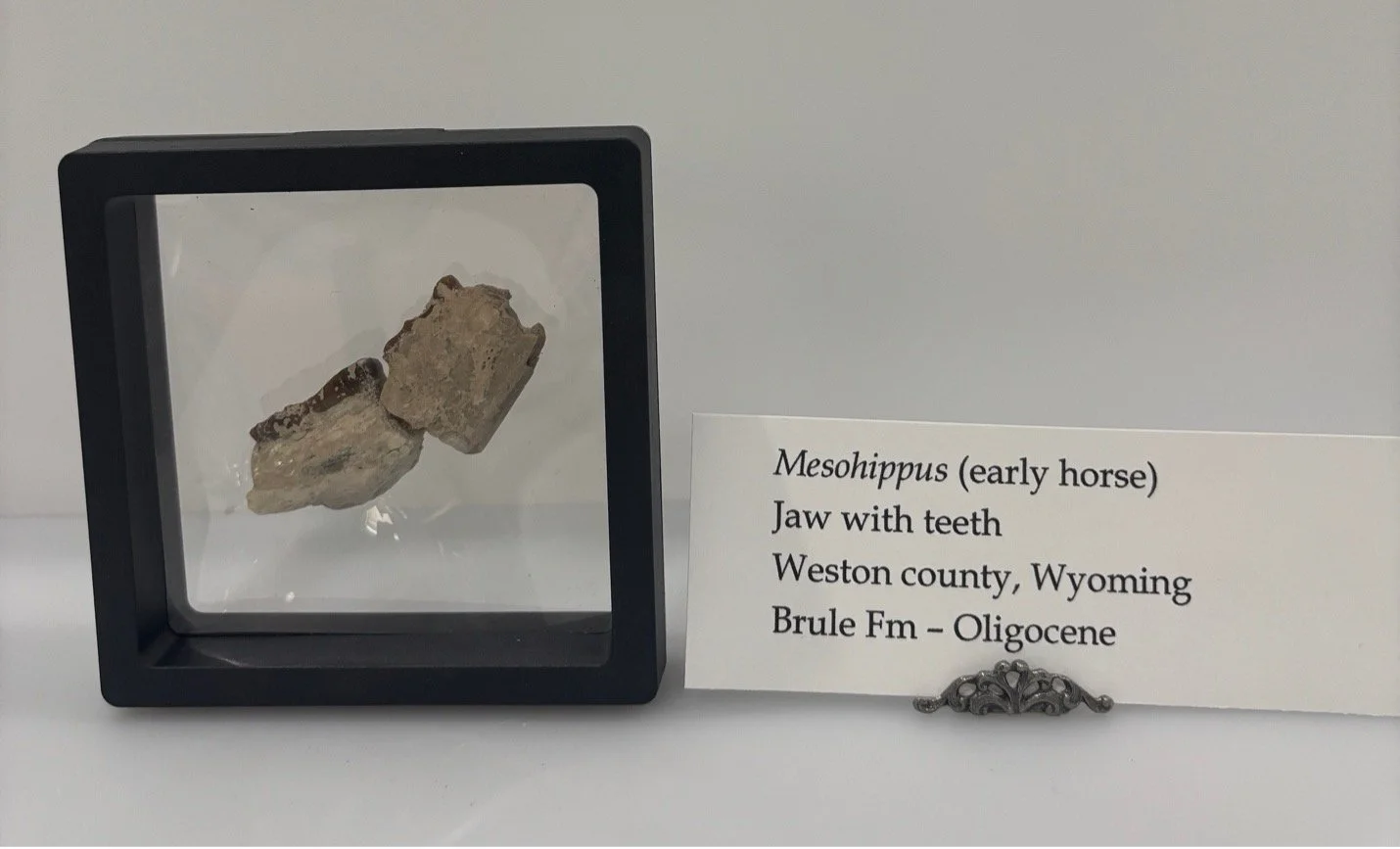
An ancestor of modern horses, Mesohippus was an important developmental stage in horses’ family line. Mesohippus was a small, primitive horse that was about the size of a labrador retriever. These early horses were grazers that lived in North America and had to contend with predators like the cat-like nimvarids and other large carnivorous mammals called Hyenadons.
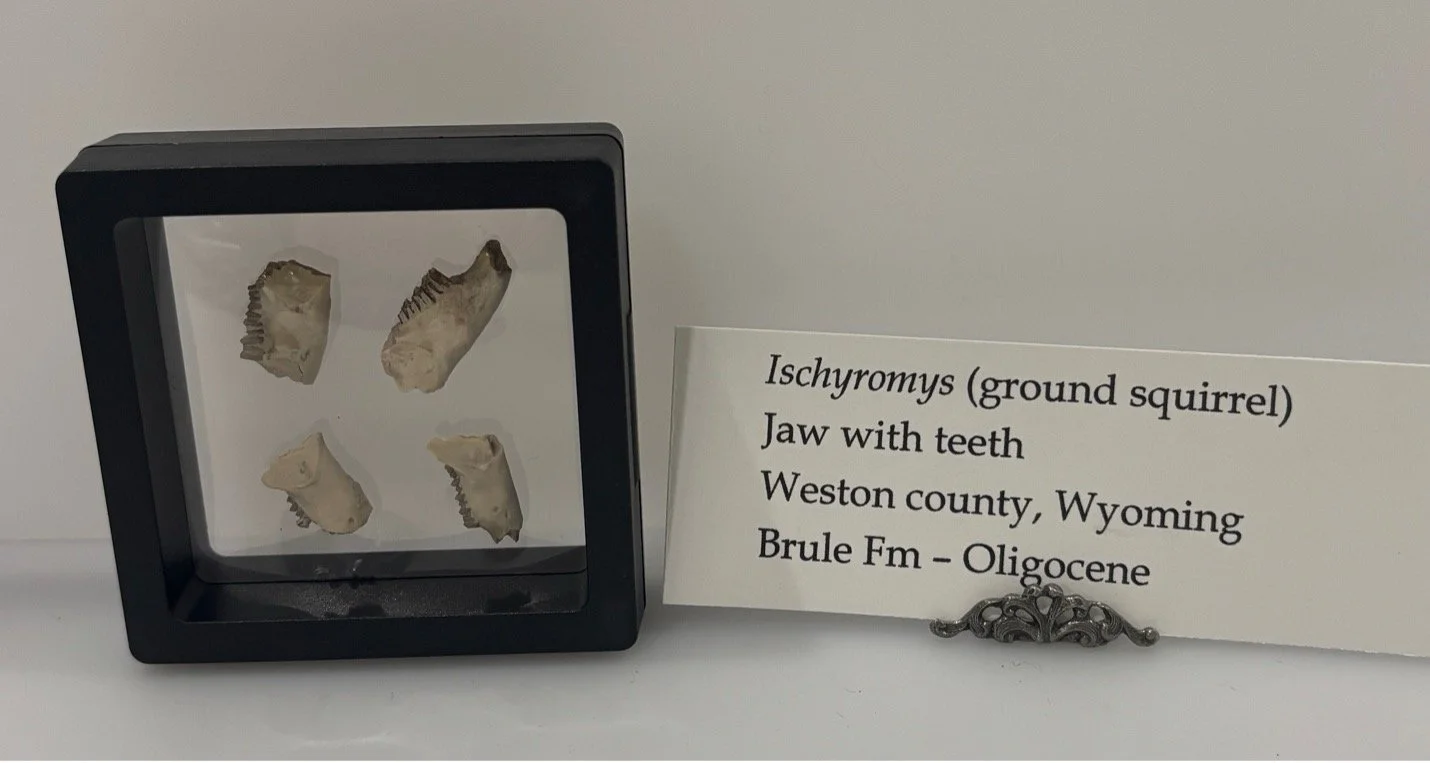
Ischyromys was a small, tree climbing mammal and was among the first true rodents to ever exist. It shared many visual traits with modern squirrels, like its long tail and long incisors, but is actually more closely related to the Mountain Beaver, a small rodent that lives in the Pacific Northwest.
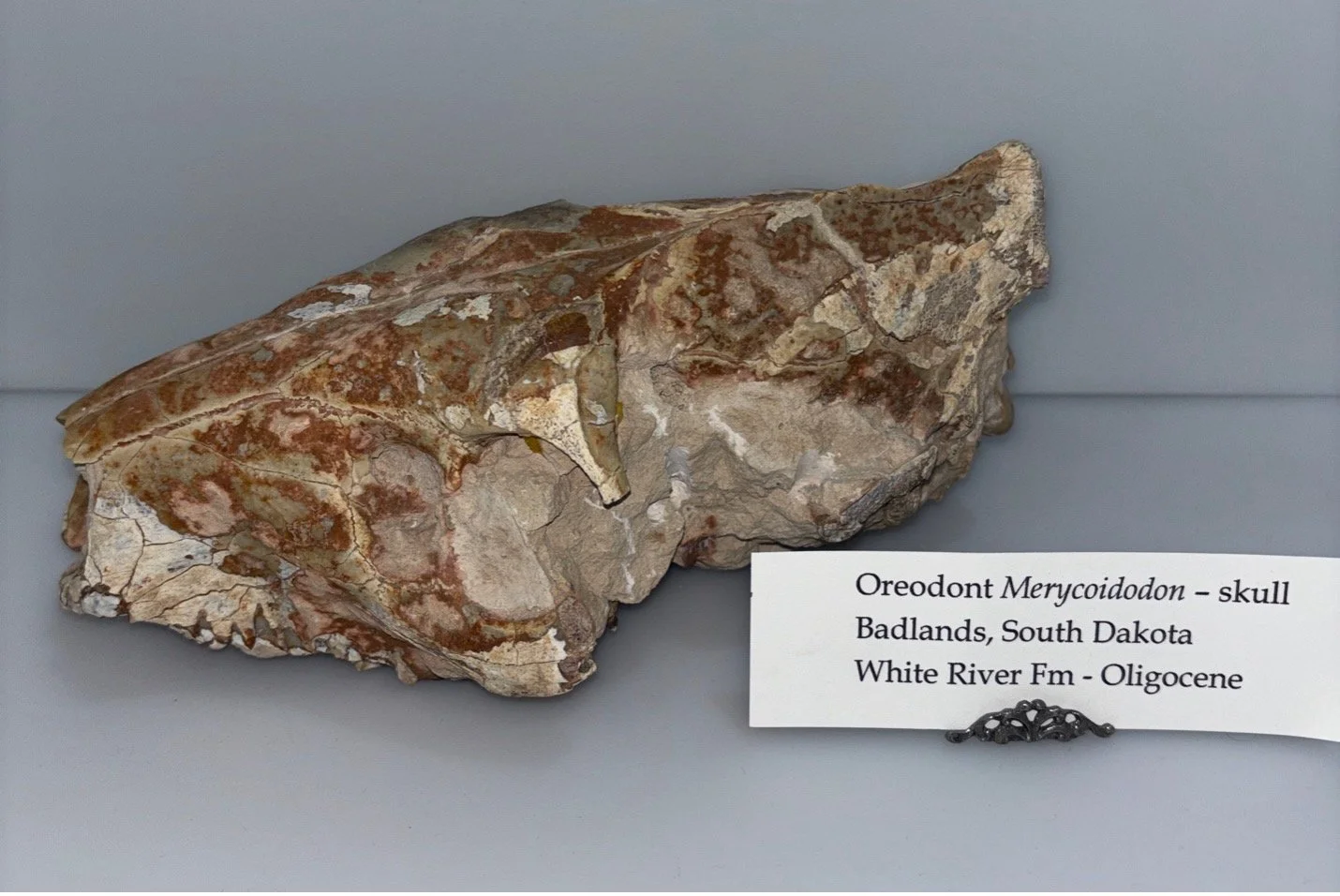
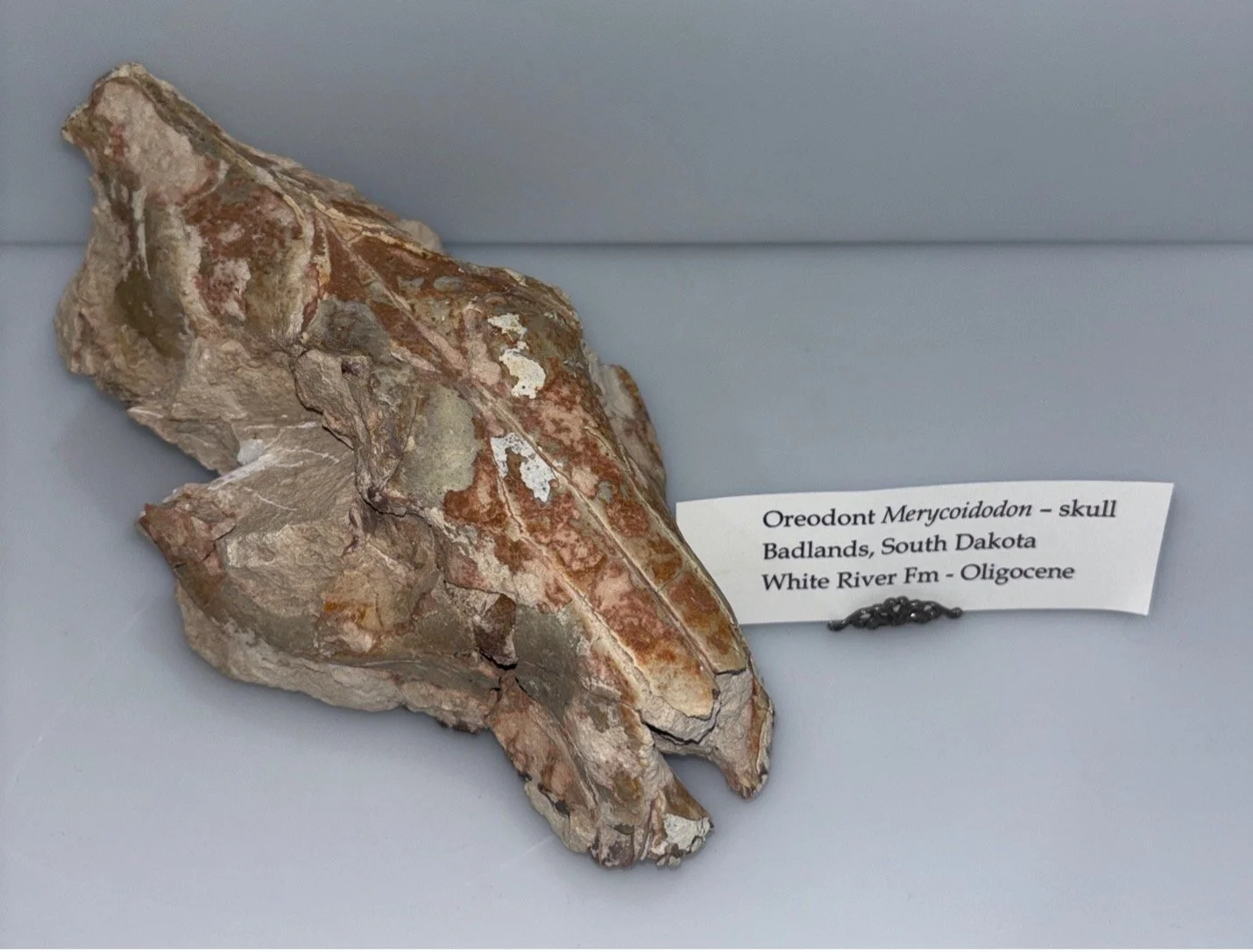
Merycoidodon, or more commonly known as Oreodonts, were grazing mammals that resembled pigs or sheep. They are famous both for their teeth (the name Oreodont translates to “mountain teeth”) and the sheer number of their fossils people have found. Oreodonts populations were outlandishly abundant, so much so that their fossils are a common find in places like Badlands National Park. They moved in herds, which protected them from predators like saber-tooth cats. Despite their numbers, they were not adaptable to changes in food availability and went extinct as a result of major climate change and being outcompeted by other foraging species.
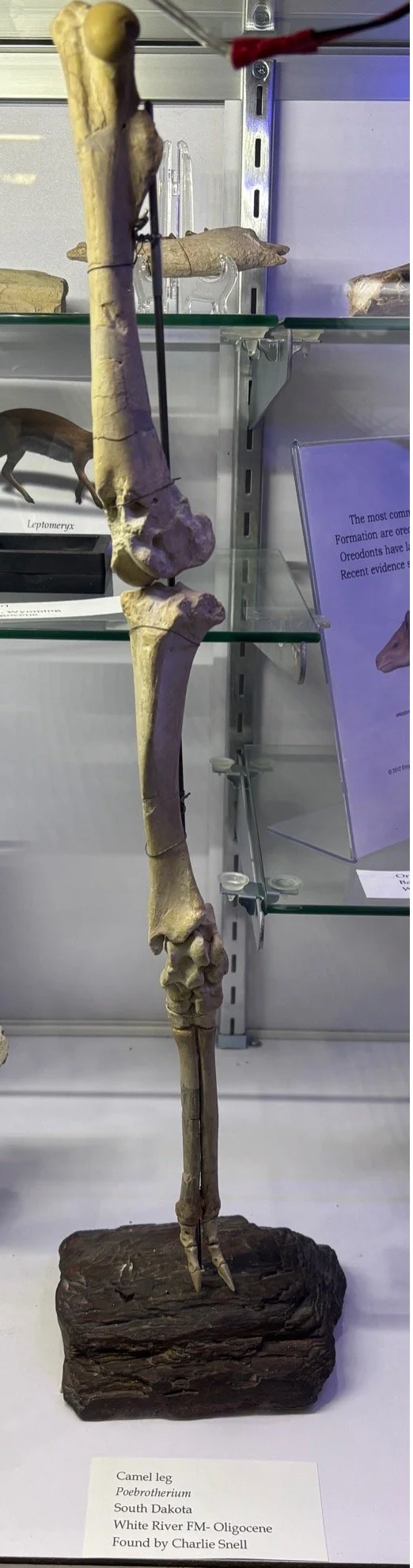
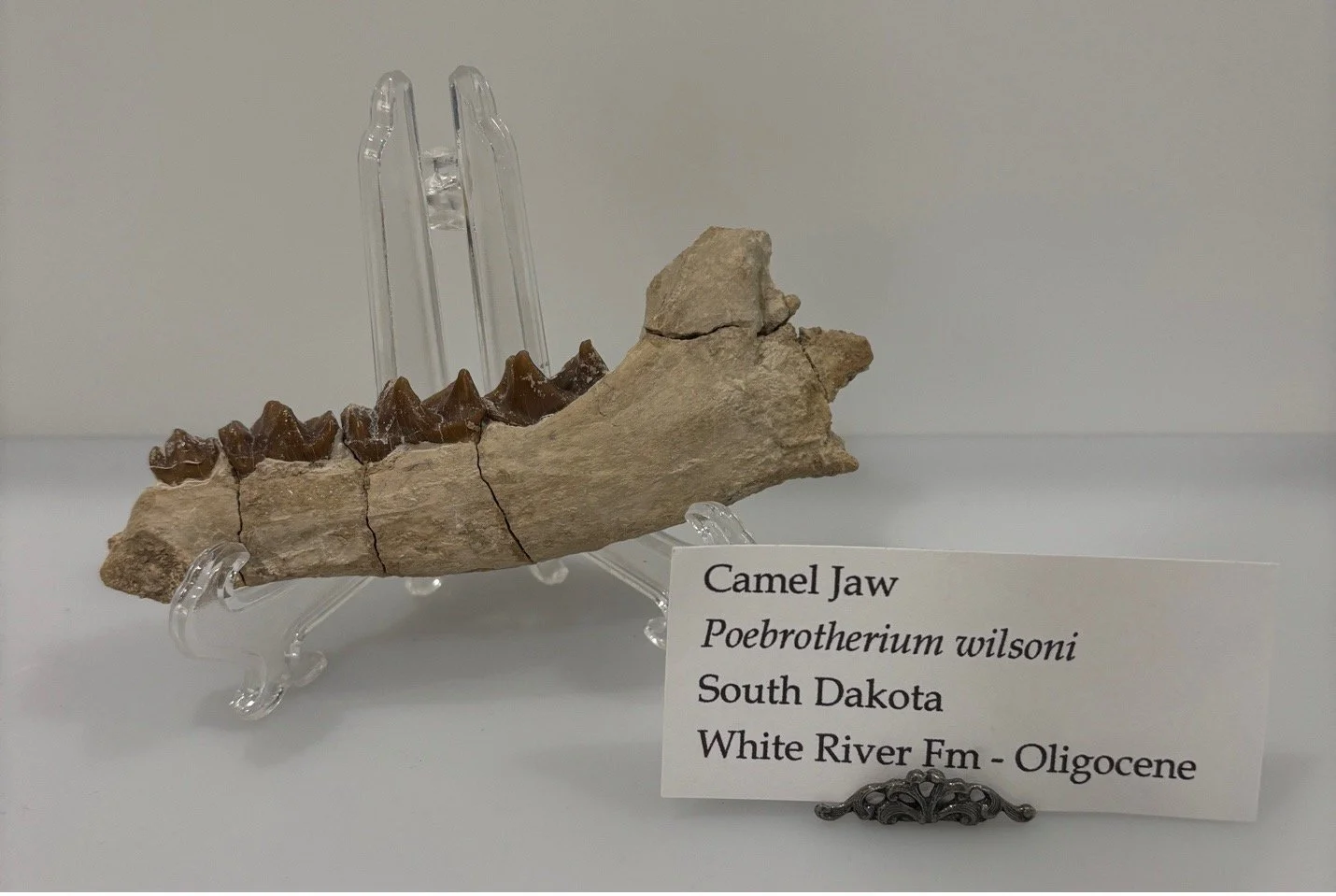
The ancestors of modern camels originated in North America during a dry period of Eocene epoch, yet Poebrotherium were visually distinct from their modern relatives. These early camels were small, standing at only two feet, and weighed about 50 lbs. Eventually, camels would spread to Asia and Africa, and the North American populations would go extinct (approx. 10,000 to 13,000 years ago).
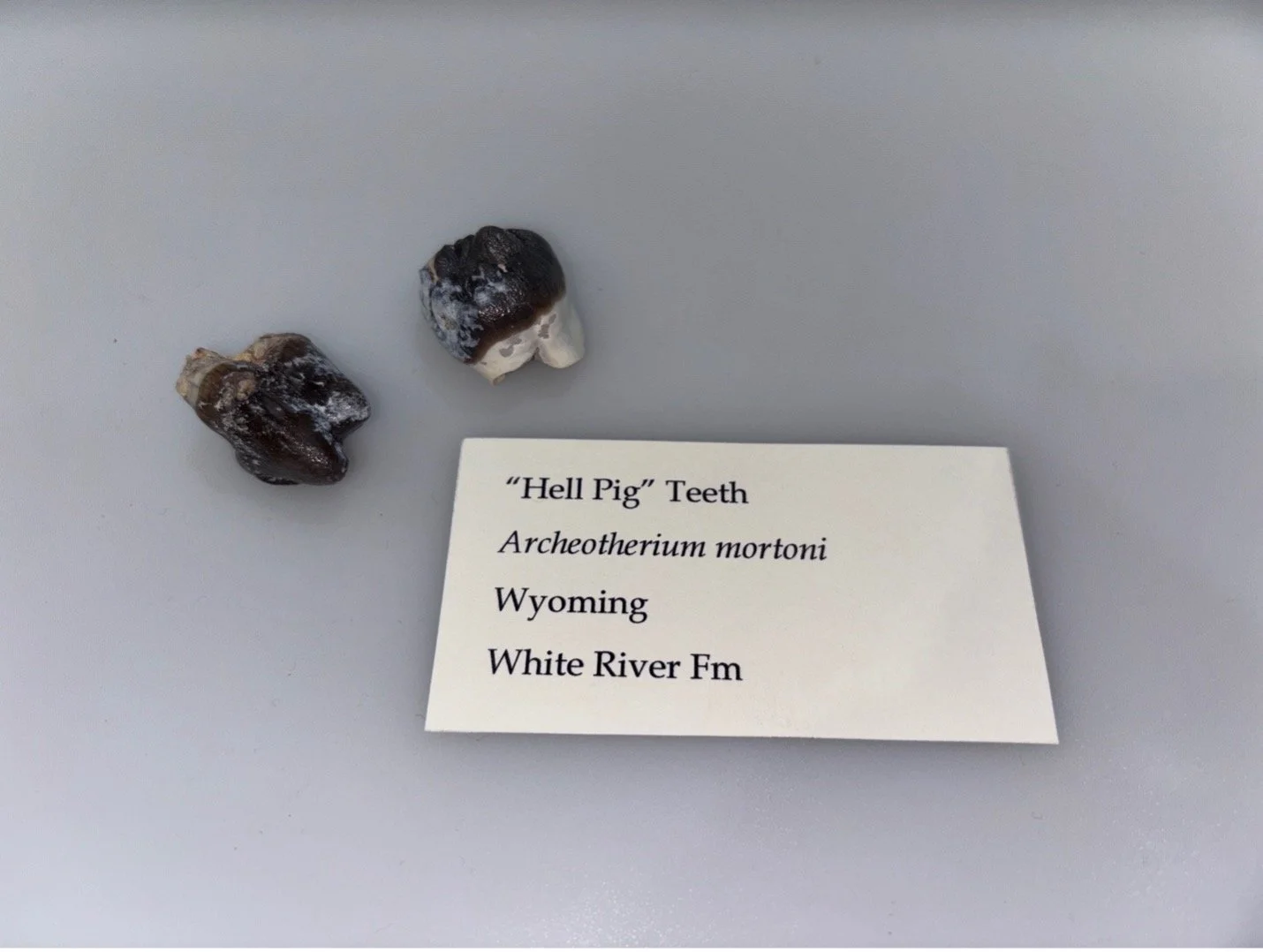
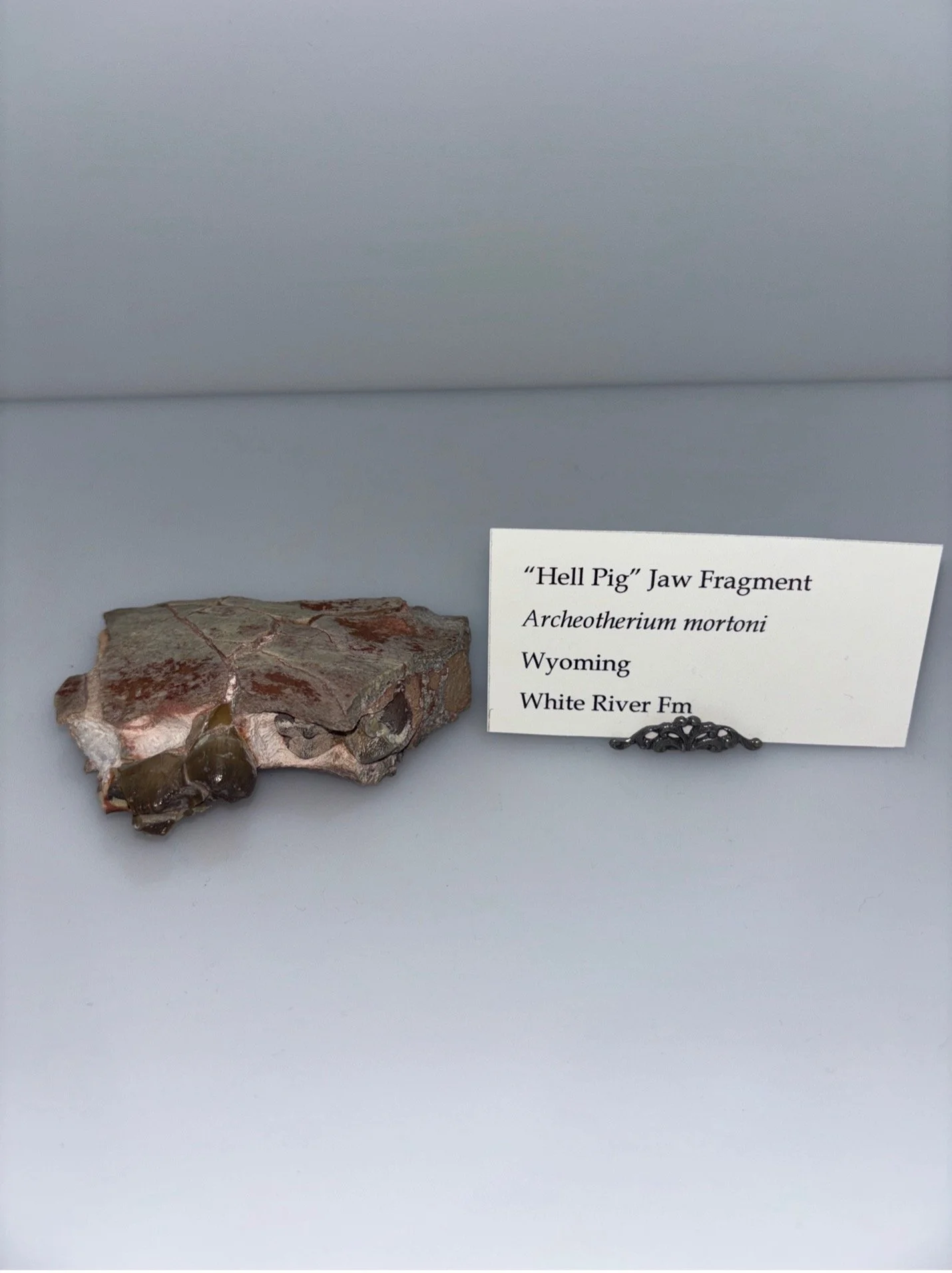
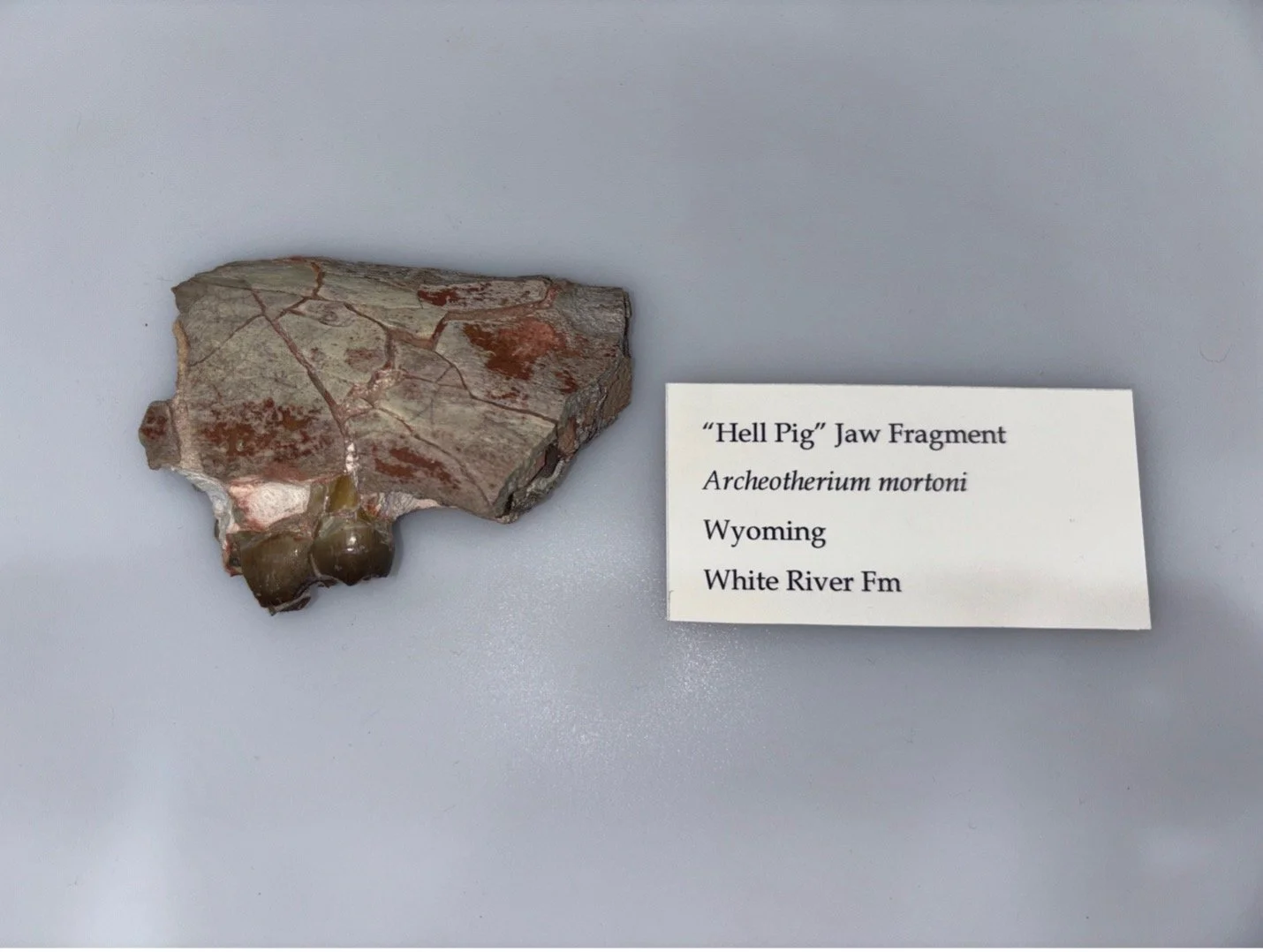
Archaeotherium were large, and likely aggressive beasts that once roamed North America and Eurasia. They stood about six foot tall and weighed around 2000 lbs. They had snouts and tusks, and fossil evidence suggests that they used these tusks to ram others of their species for dominance. Despite their common name and appearance, Hell Pigs were not true pigs but were more closely related to hippopotamuses and whales than modern pigs.
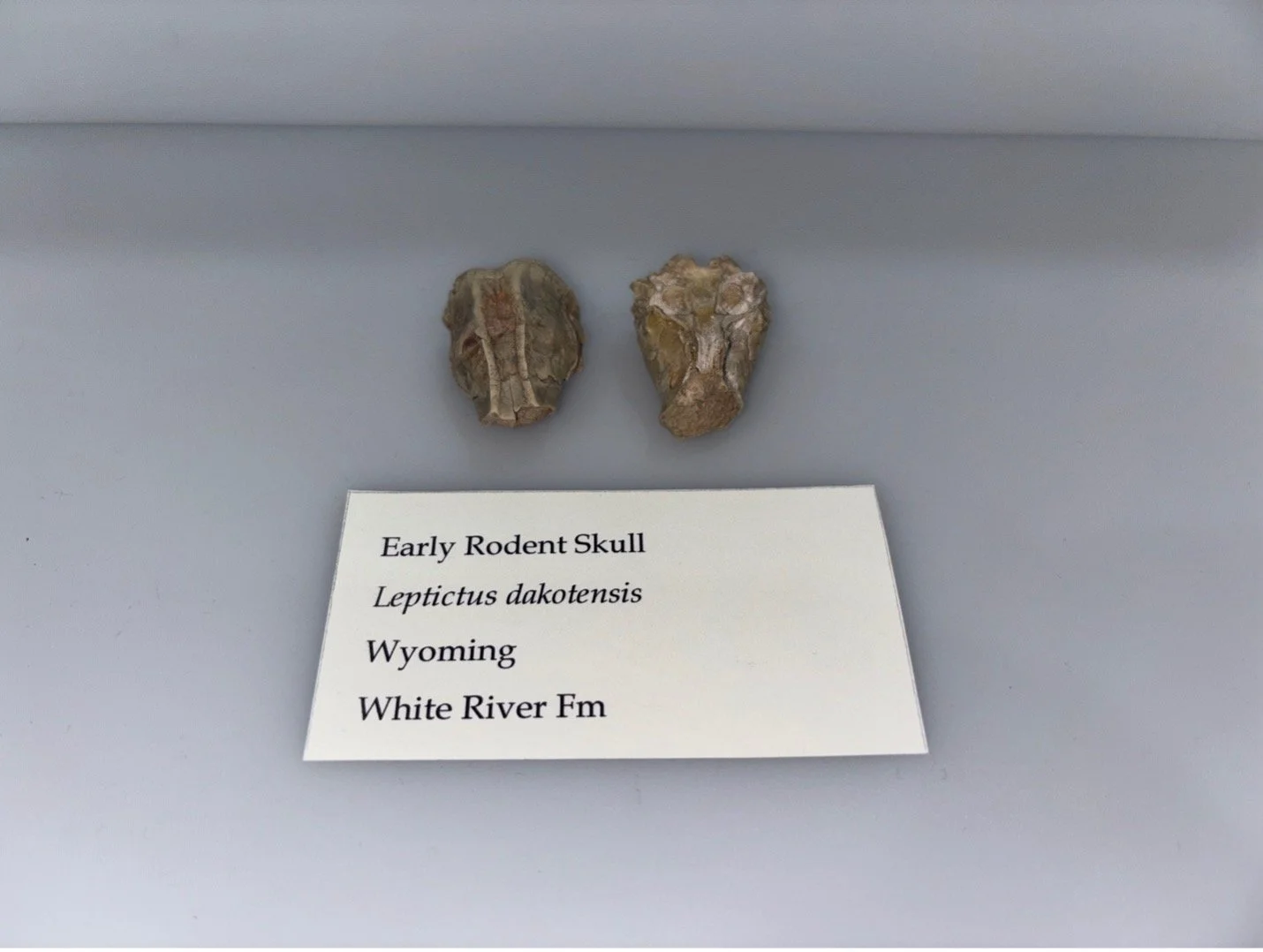
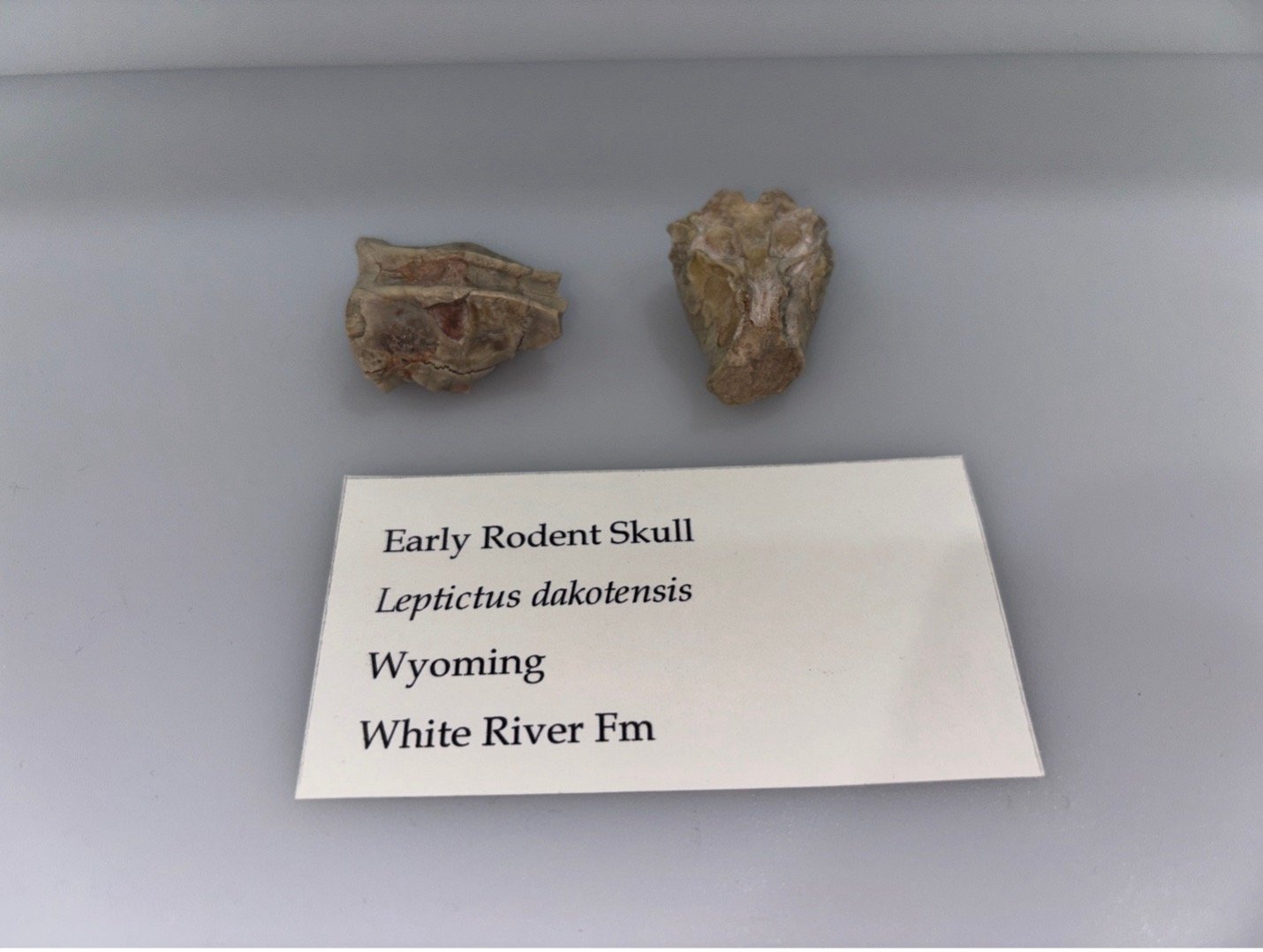
Lepictus dakotensis was a small omnivorous mammal that resembled a modern shrew, but it actually belonged to its own now extinct order called Leptictida. Lepictus dakotensis is a good example of convergent evolution in that it exhibited a rodent-like body plan despite not being a true rodent. Its fossils are found in North America, predominately the American West.
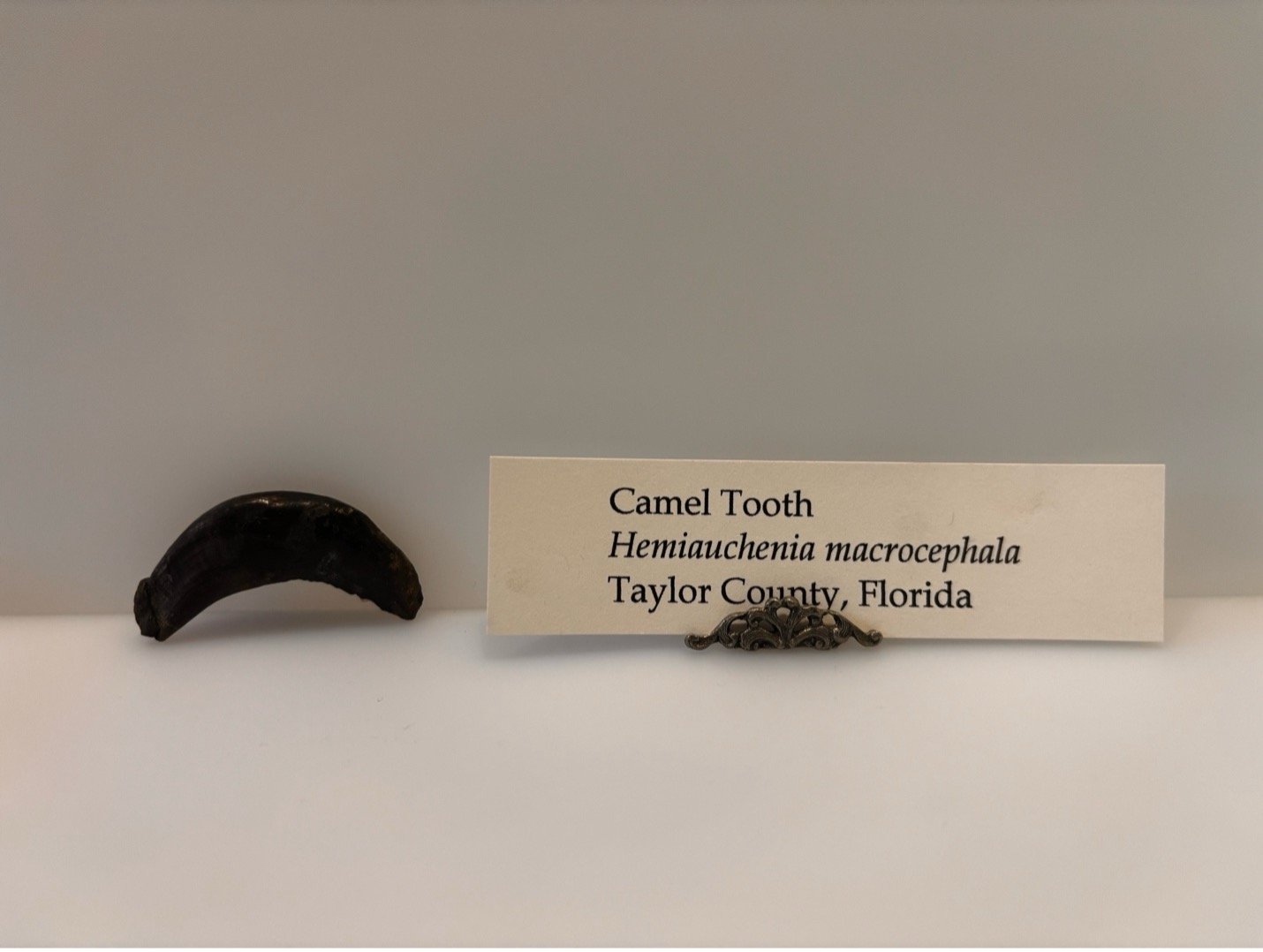
A small, sheep-sized member of the camelids family which contains modern camels, llamas, and alpacas. Like modern camels, Hemiauchenia macrocephalus was able to survive in dry conditions across the Great Plains region of the modern United States and some places in South America. Hemiauchenia macrocephalus was likely an ancestor to the modern South American llamas.
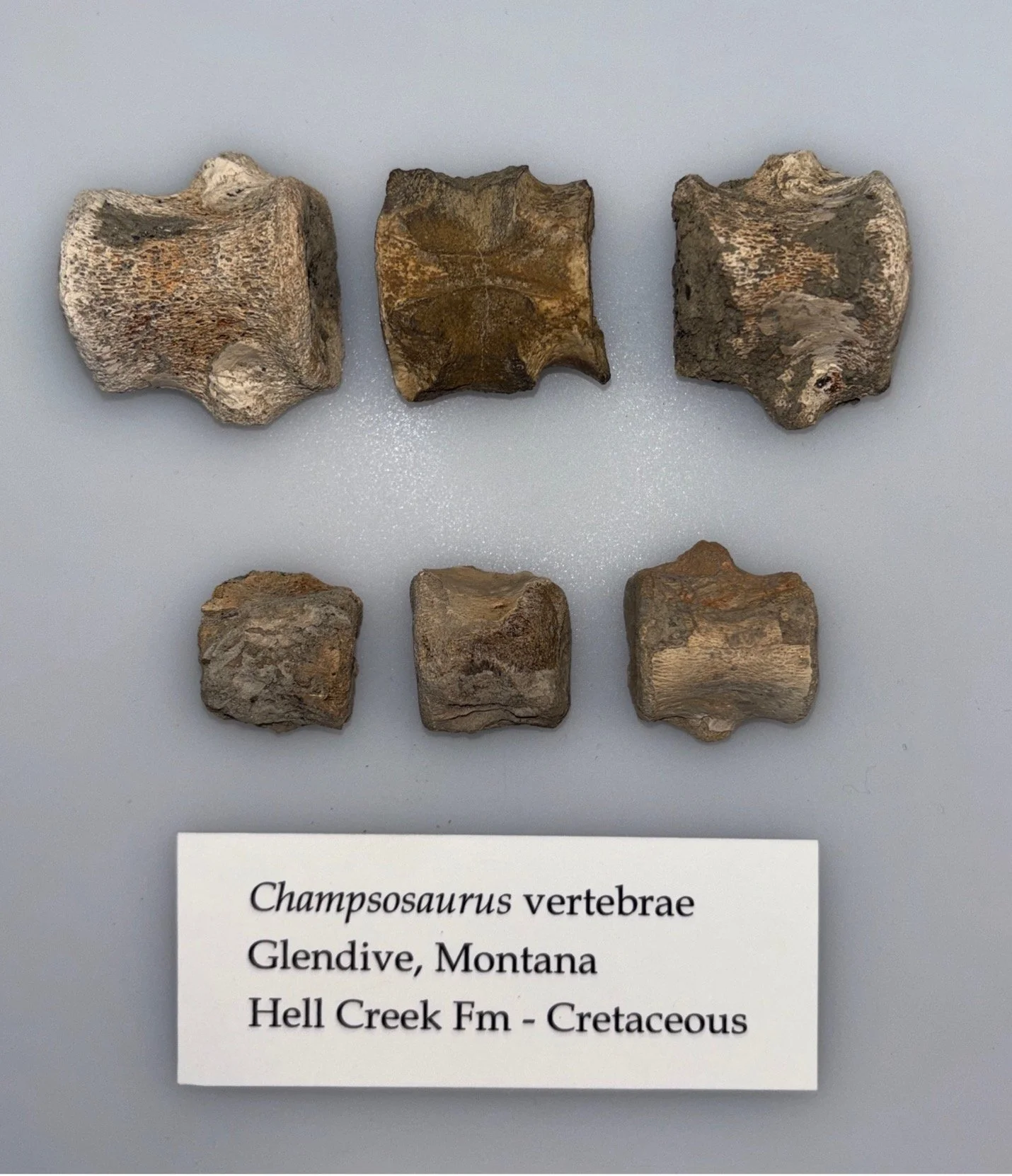
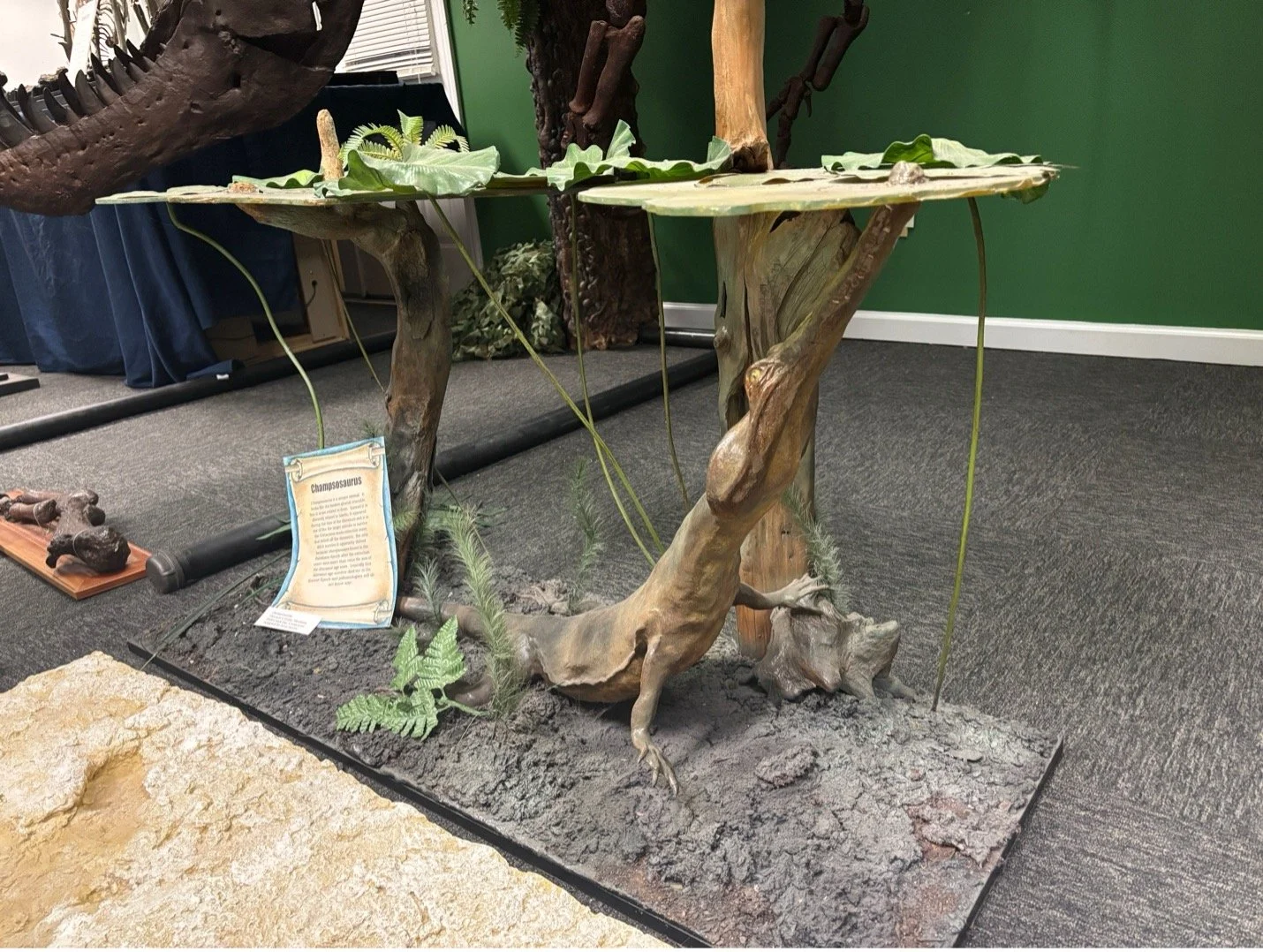
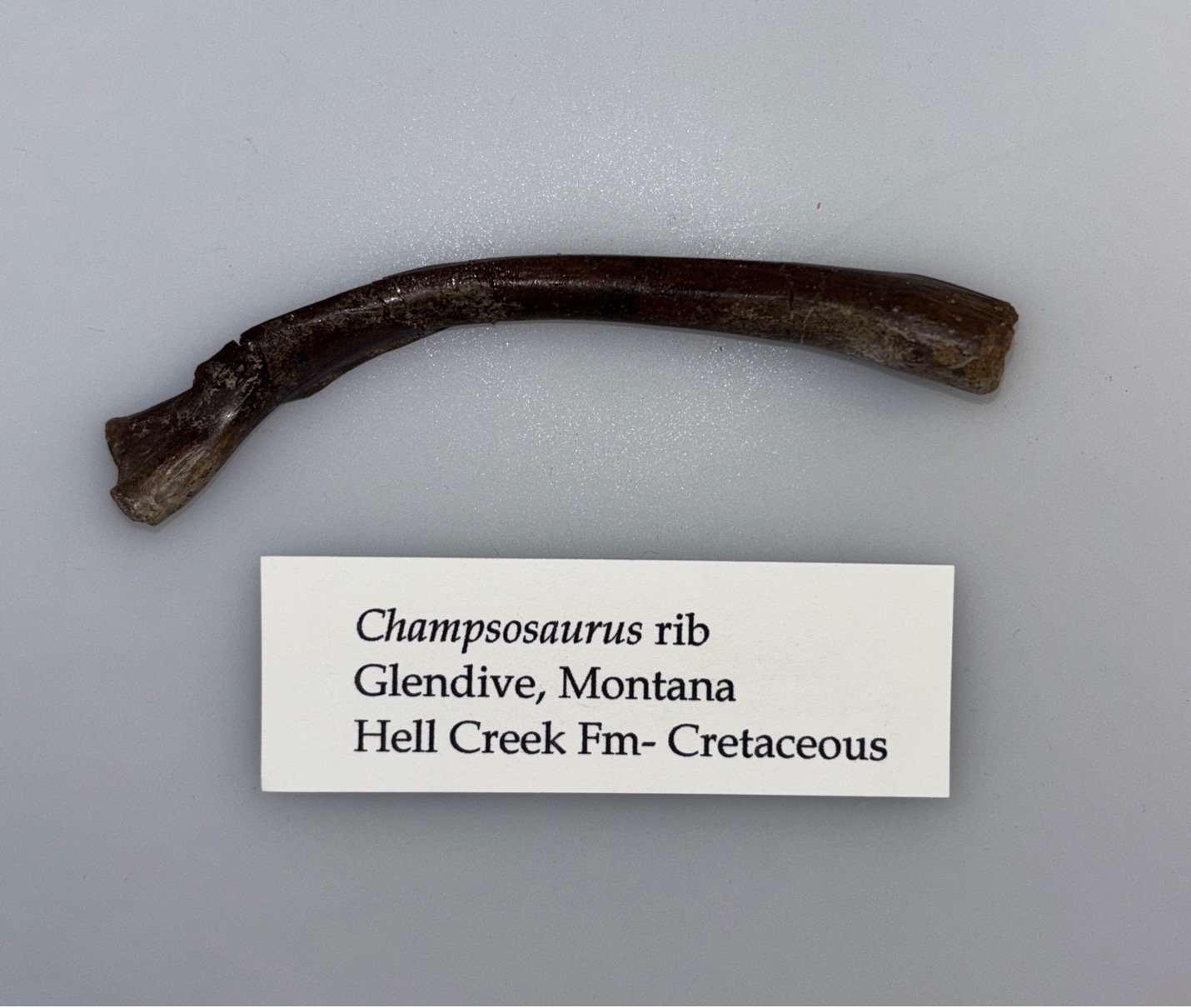
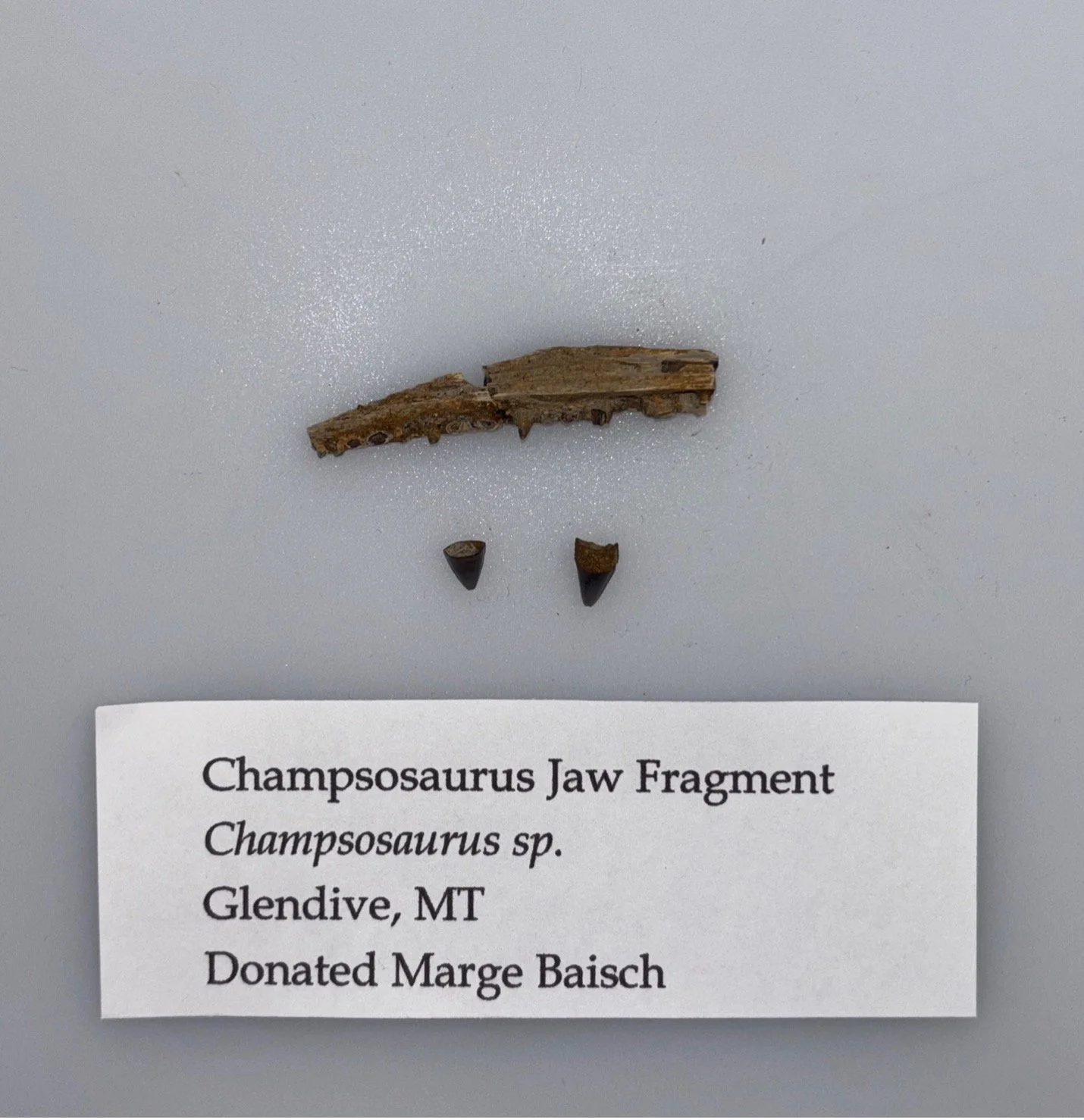
The Champsosaurus was a large aquatic reptile that lived in slow-moving freshwater rivers, swamps, and ponds during the Cretaceous period and into the Paleogene epoch. Champsosaurus was an odd-looking animal, with a crocodile-like body and an elongated snout which was useful in ambush hunting for fish. Despite their similarities to crocodilians, they are not closely related in the slightest.
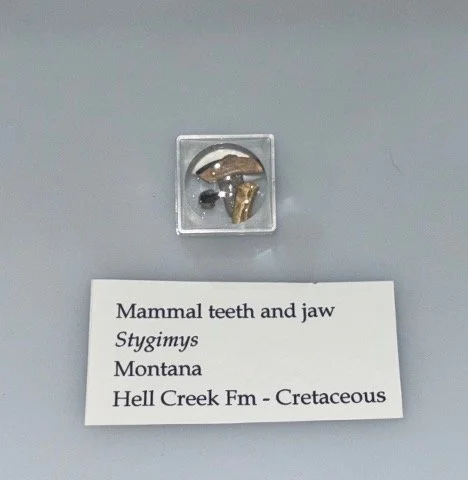
Stygimys is a genus of extinct mammals that originated in the Late-Cretaceous and lived in North America and Northeastern Asia. Like most mammals of the time, they were rodent-like in nature and belonged to the multituberculates, which is a now extinct order of mammals defined by their unique, knobby teeth.
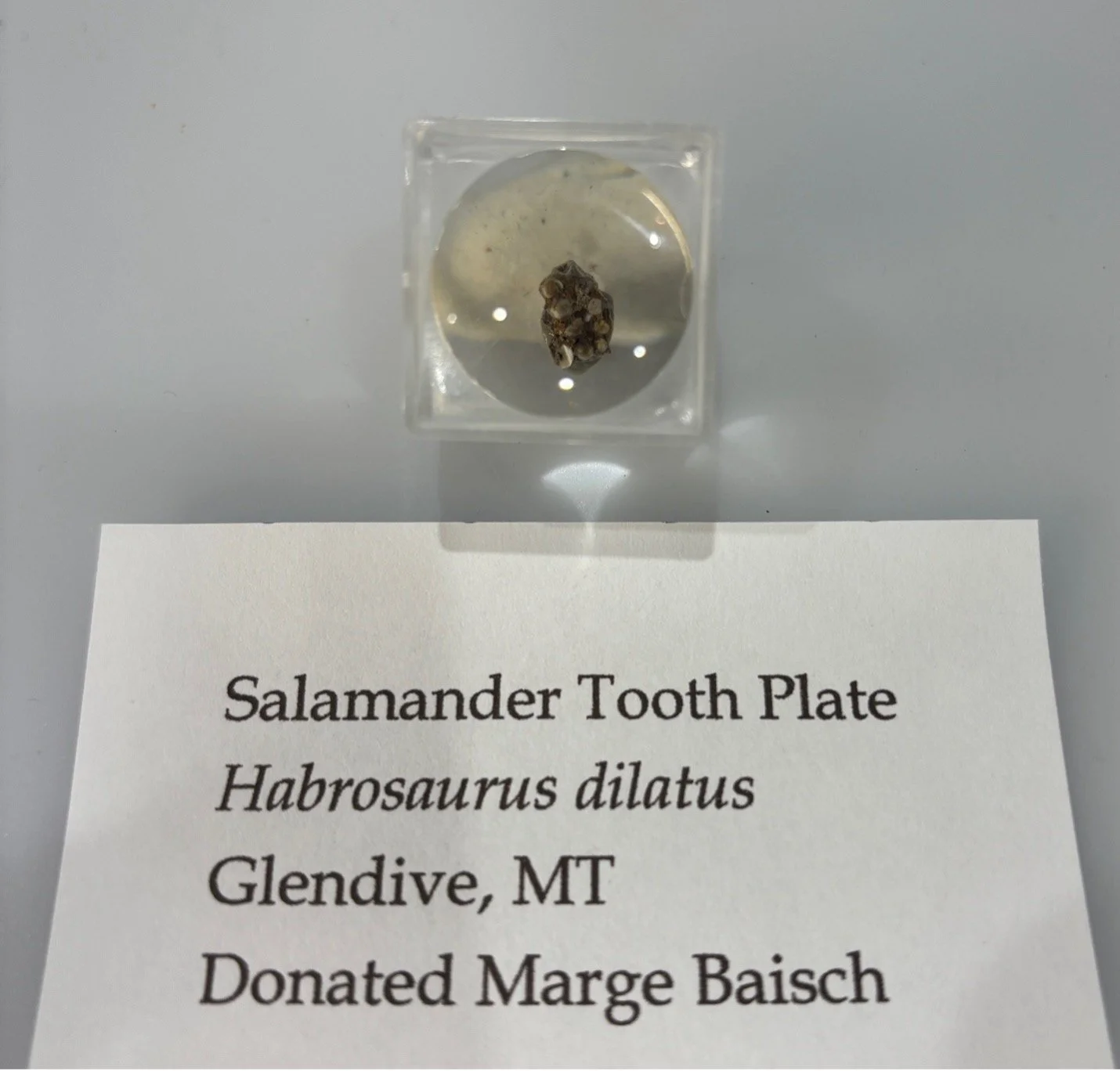
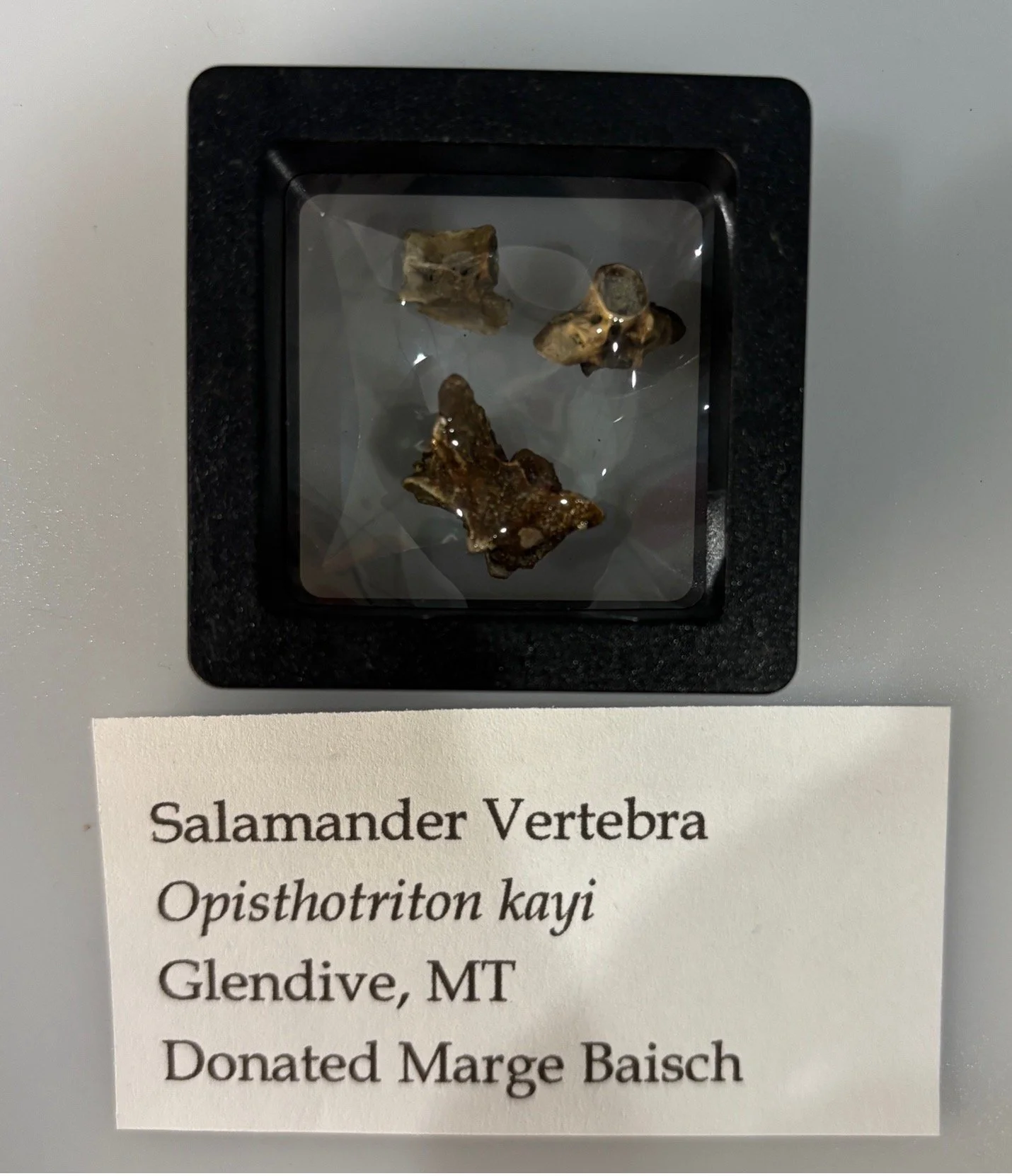
Habrosaurus dilates is an extinct type of salamander whose fossils are commonly found in the Lance and Hell Creek Formations in the Western United States and Southern Part of Canada. It was about the size of a modern Hellbender salamander and munched on small, shelled animals like crayfish or snails. Habrosaurus dilates was one of the lucky species that survived the K-pg Impact extinction event.
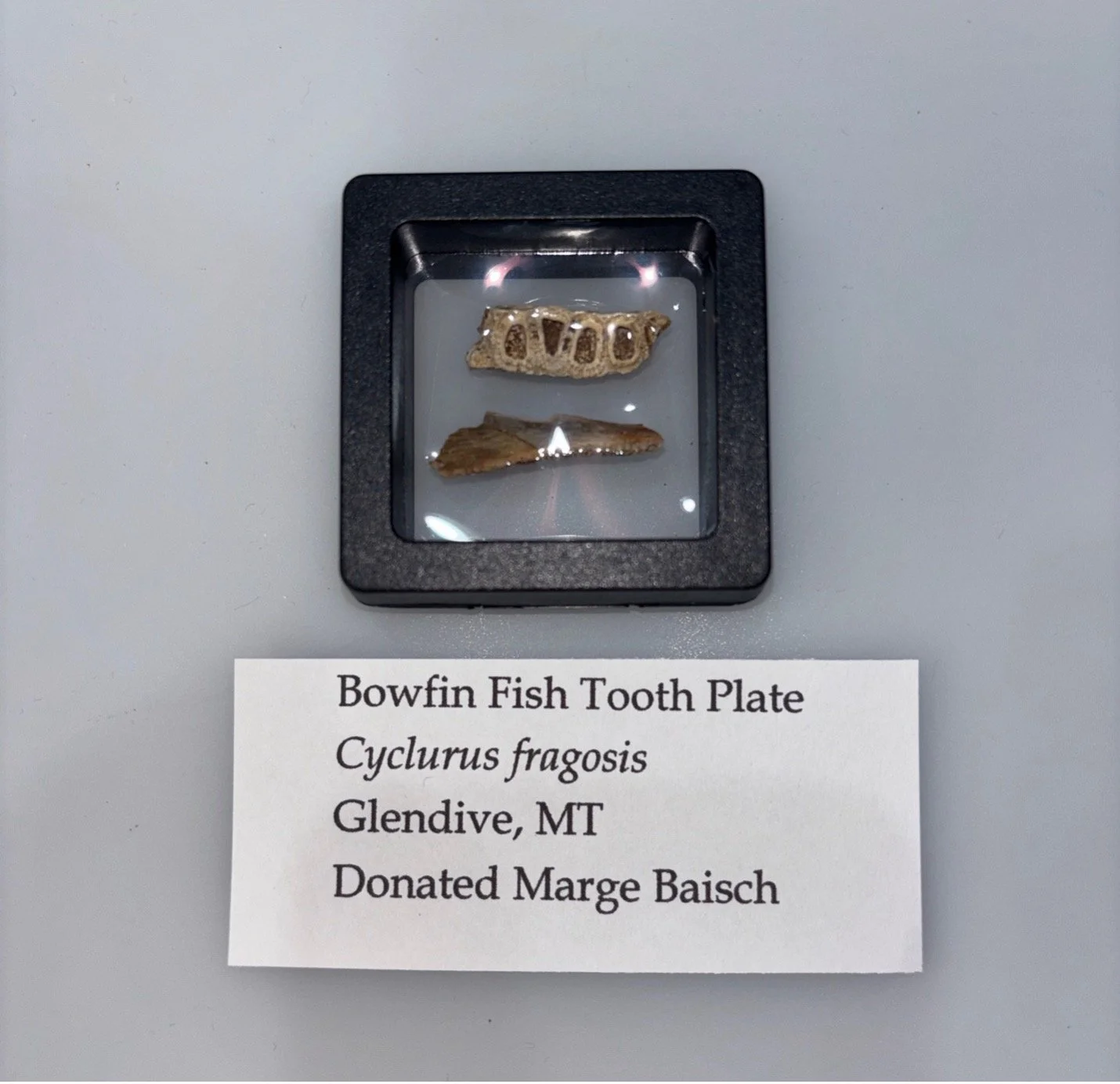
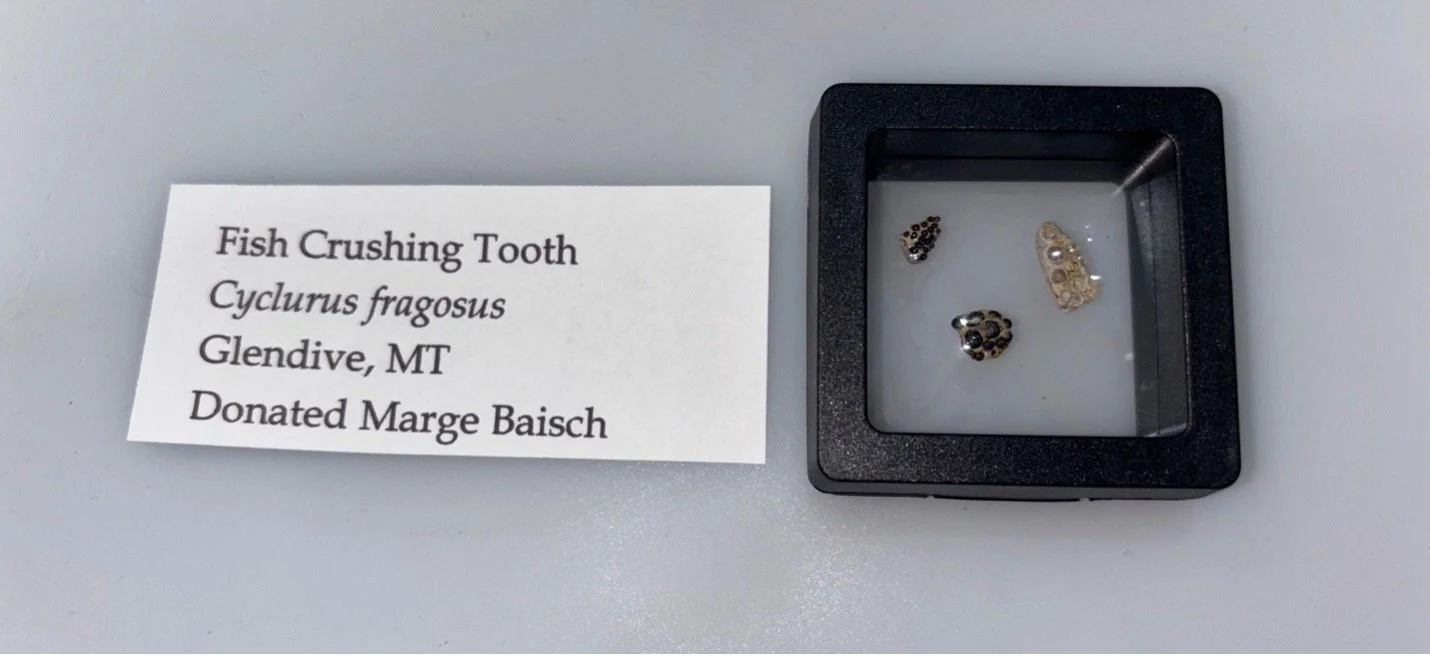
Cyclurus fragosus was a species of bowfin fish that is most often found in the Hell Creek Formation. Cyclurus are thought to be the closest relatives of modern bowfins, but much smaller than their extant counterparts, only growing between 4 and 12 inches long.
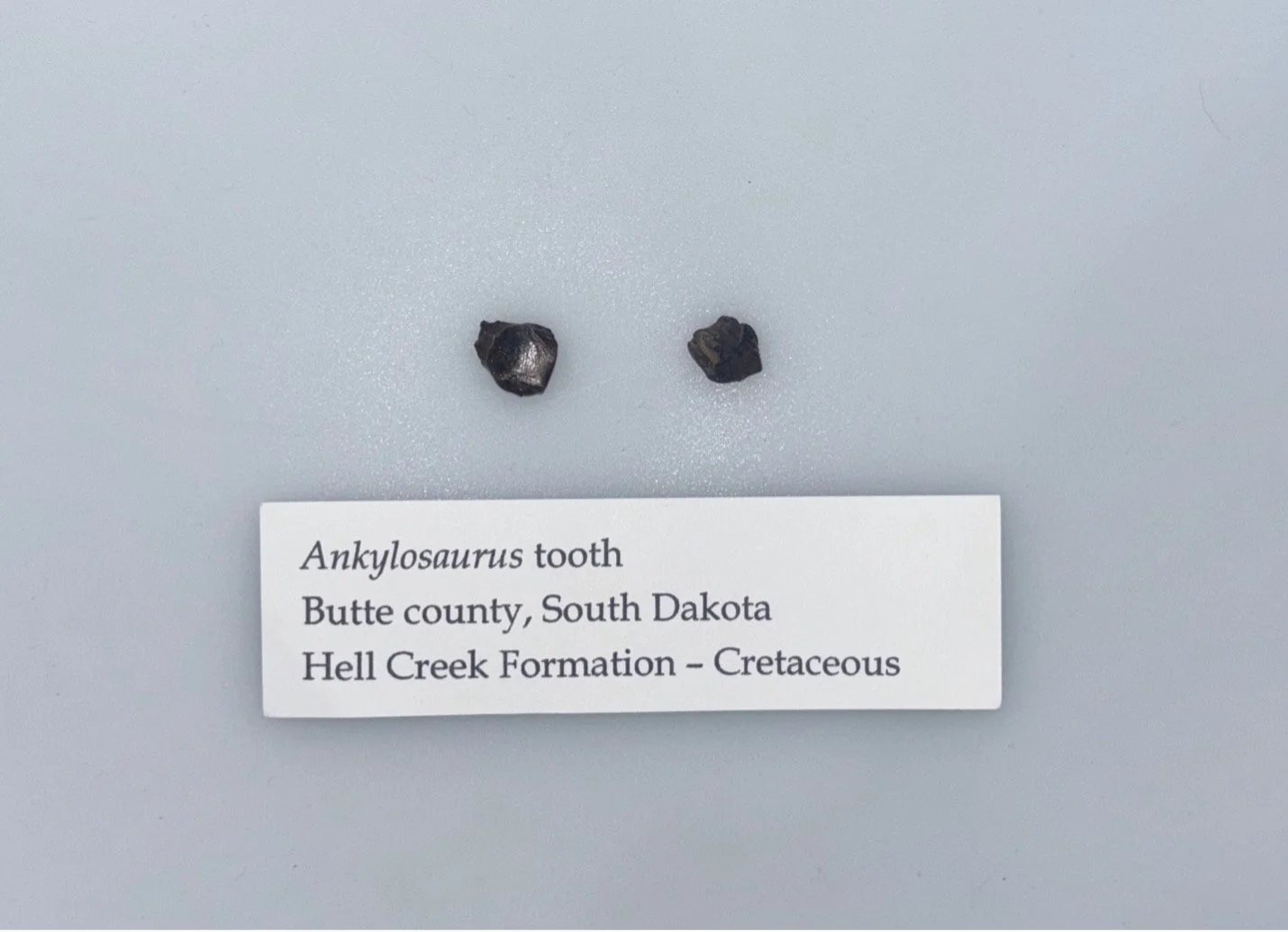
The Ankylosaurus was a large, armored dinosaur that lived in North American during the Cretaceous period. The Ankylosaurus was like a living tank, covered in spikey osteoderms (bony-plates) which protected it from large predators like the T. Rex, and had a large club tail which they would use as a weapon against predators or fellow Ankylosaurs. Ankylosaurs were herbivores and ate low growing vegetation like ferns, horsetails, and fallen fruit.
One of the best-preserved dinosaur specimens ever found was a Borealopelta, another genus of Ankylosaur, which still has the osteoderms, some skin, and even the stomach contents of its last meal preserved. You can learn more about this specimen and even see it in person at the Royal Tyrell Museum in Alberta, Canada.
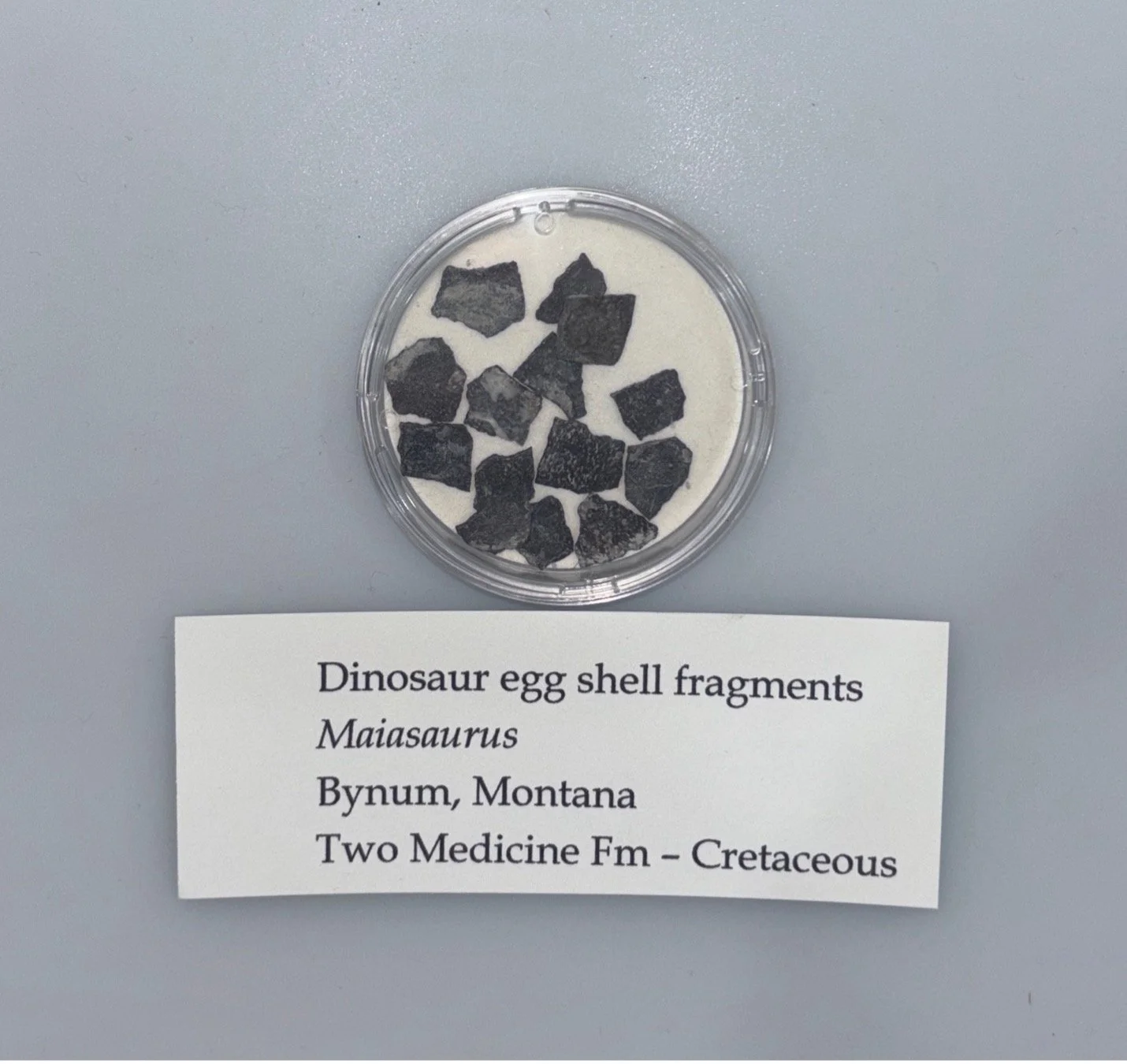
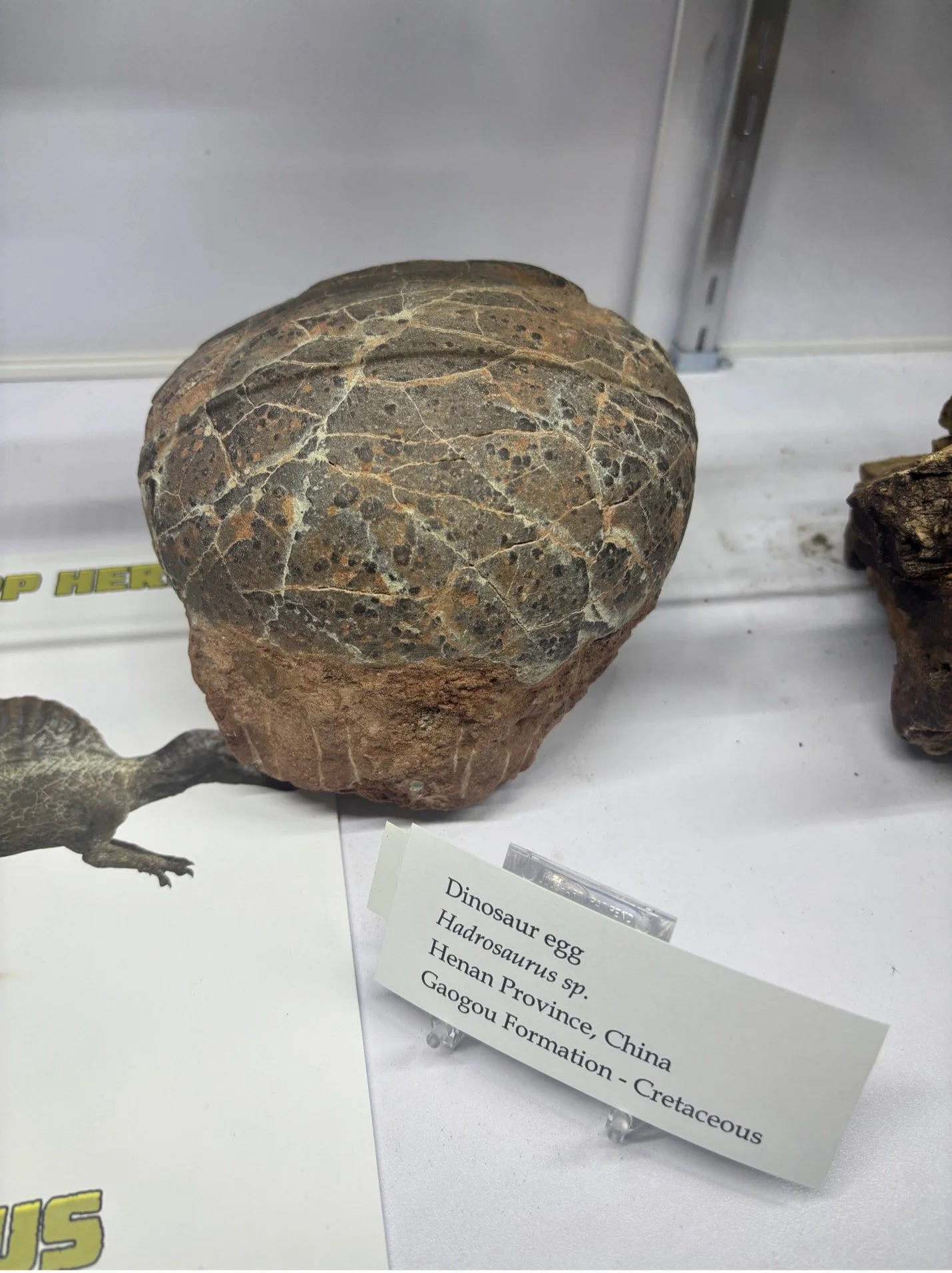
Amongst the fossil bones and teeth of dinosaurs, paleontologists occasionally find fossilized dinosaur egg material. As you might expect, dinosaur eggs are rarely found due to their delicate nature, and it is generally hard to determine what type of dinosaur may have once been inside. However, finding the eggs, or better yet, the nests tell us a lot about dinosaur behavior. Some fossils of Oviraptor dinosaurs have been found on top of their eggs, indicating that they cared for their eggs like modern birds. Other larger species buried their eggs rather than brood as their weight would have done more harm than good.
With modern technology, our understanding of dinosaur eggs has improved further. It is possible to perform a CT scan on dinosaur eggs, which makes it possible for scientists to learn more about dinosaur embryos and their development.
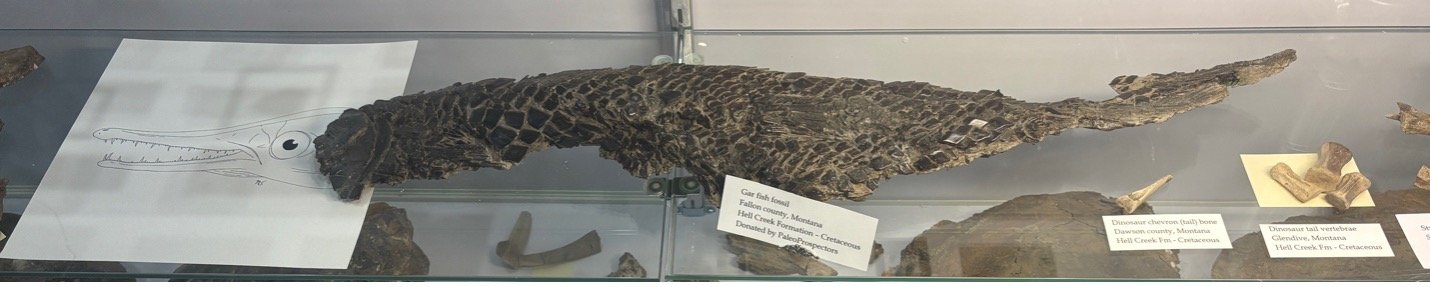
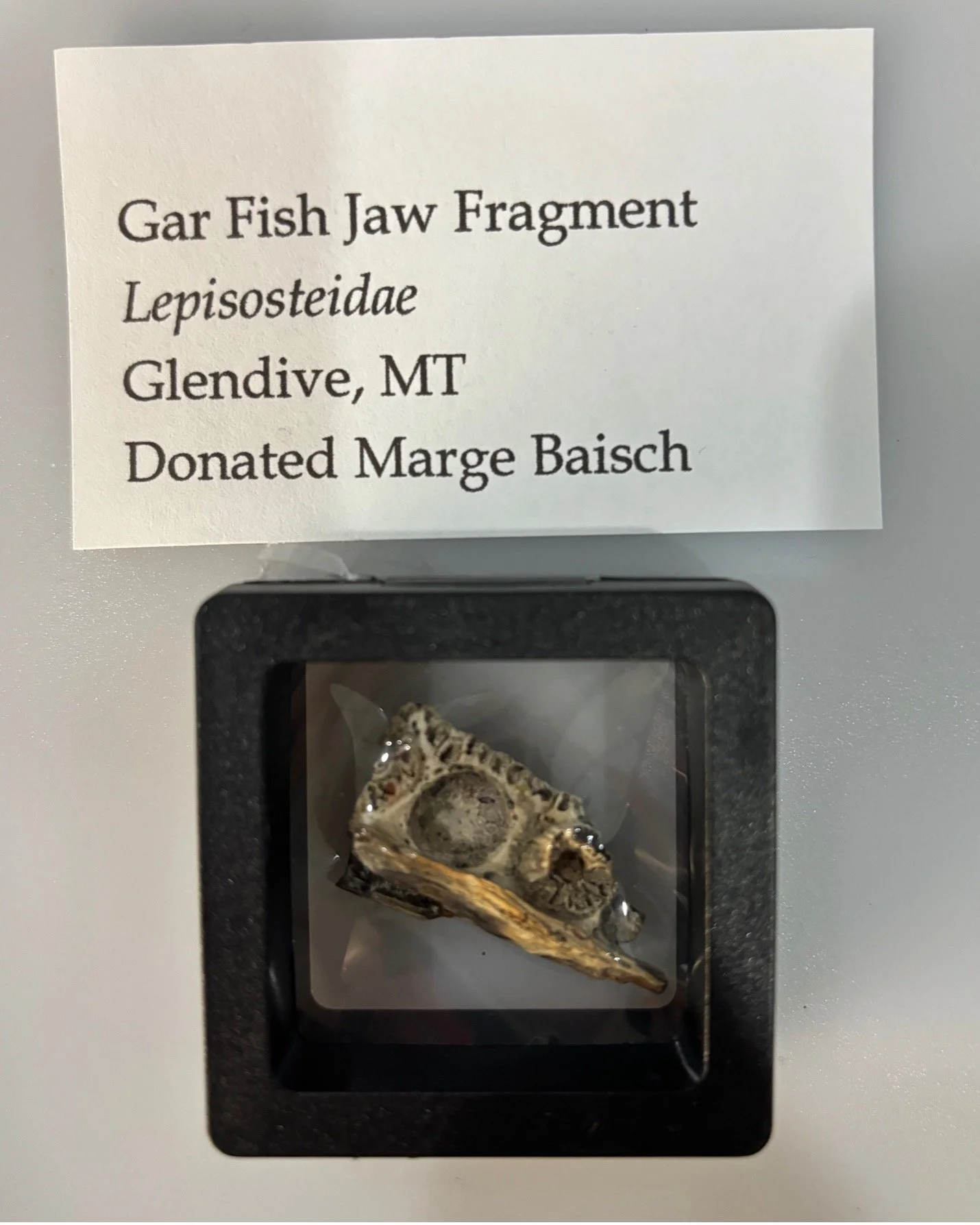
Gar fish are long-bodied freshwater fish who possess armored scales along their bodies. Gars belonging to Lepisosteidae first developed in the early Cretaceous, but ancestors to these Gar first show up in the fossil record during the Jurassic Period. Gars are often called ‘living fossils’ as they have gone virtually unchanged over the last 100 million years. There is plenty of fossil evidence for the Gar in the Hell Creek Formation; their armored scales fossilize very well and appear a bit like shards of obsidian among the dirt.
(Late Triassic – End Cretaceous)
During the age of the dinosaurs, flying reptiles called Pterosaurs ruled skies. Some mistakenly lump pterosaurs like the famous Pterodactyl in with dinosaurs, but pterosaurs belonged to their own order Pterosauria. Pterosauria and Dinosauria belong to the same clade called Archosauria, whose only two groups still living are birds and crocodilians.
Pterosaurs came in a wide range of sizes. The smallest pterosaur species was Nemicolopterus crypticus, which was about the size of a modern American Robin, and the largest was the colossal Quetzalcoatlus northropi, who was about as tall as a giraffe (but lot more viscous).
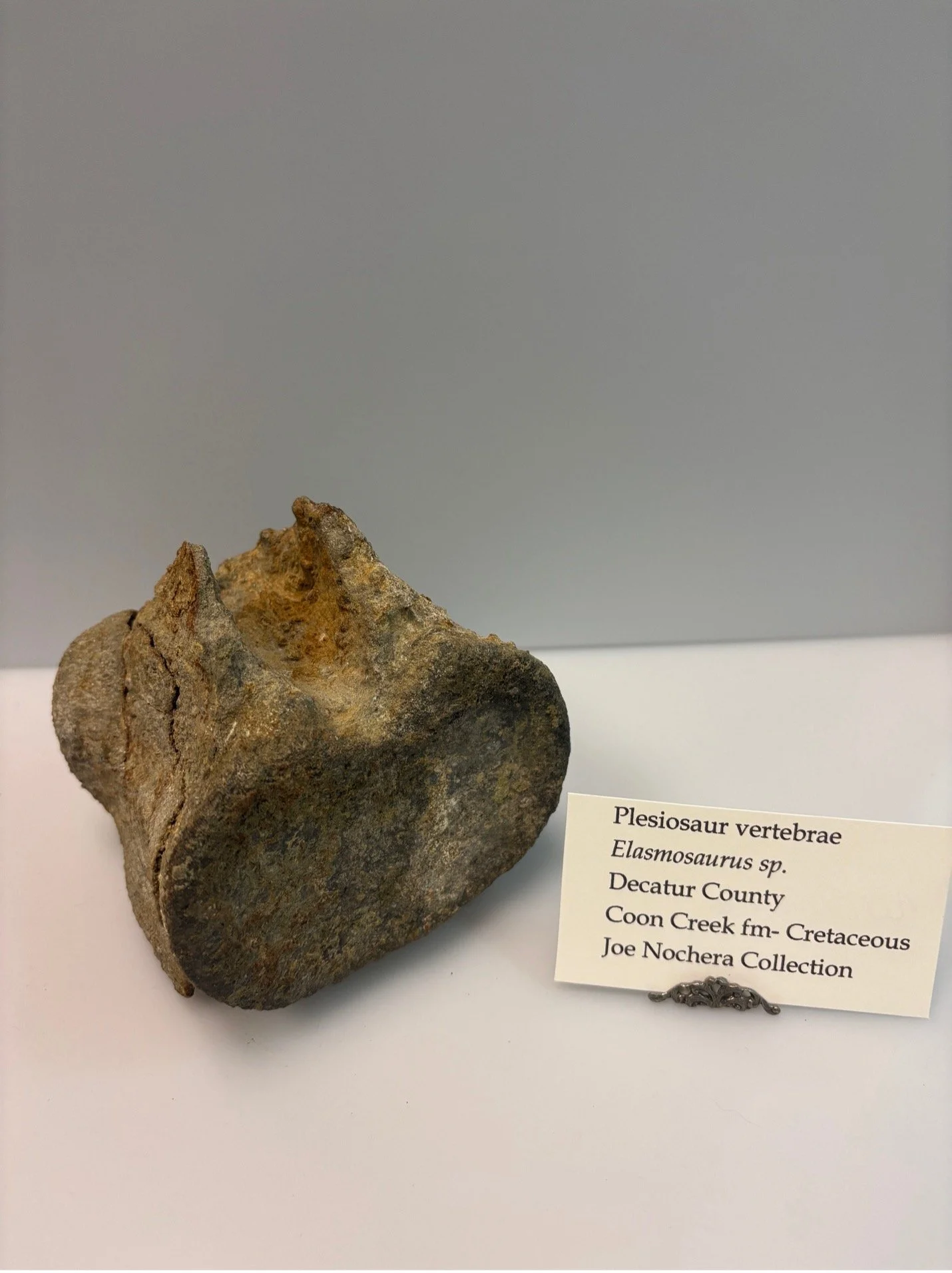
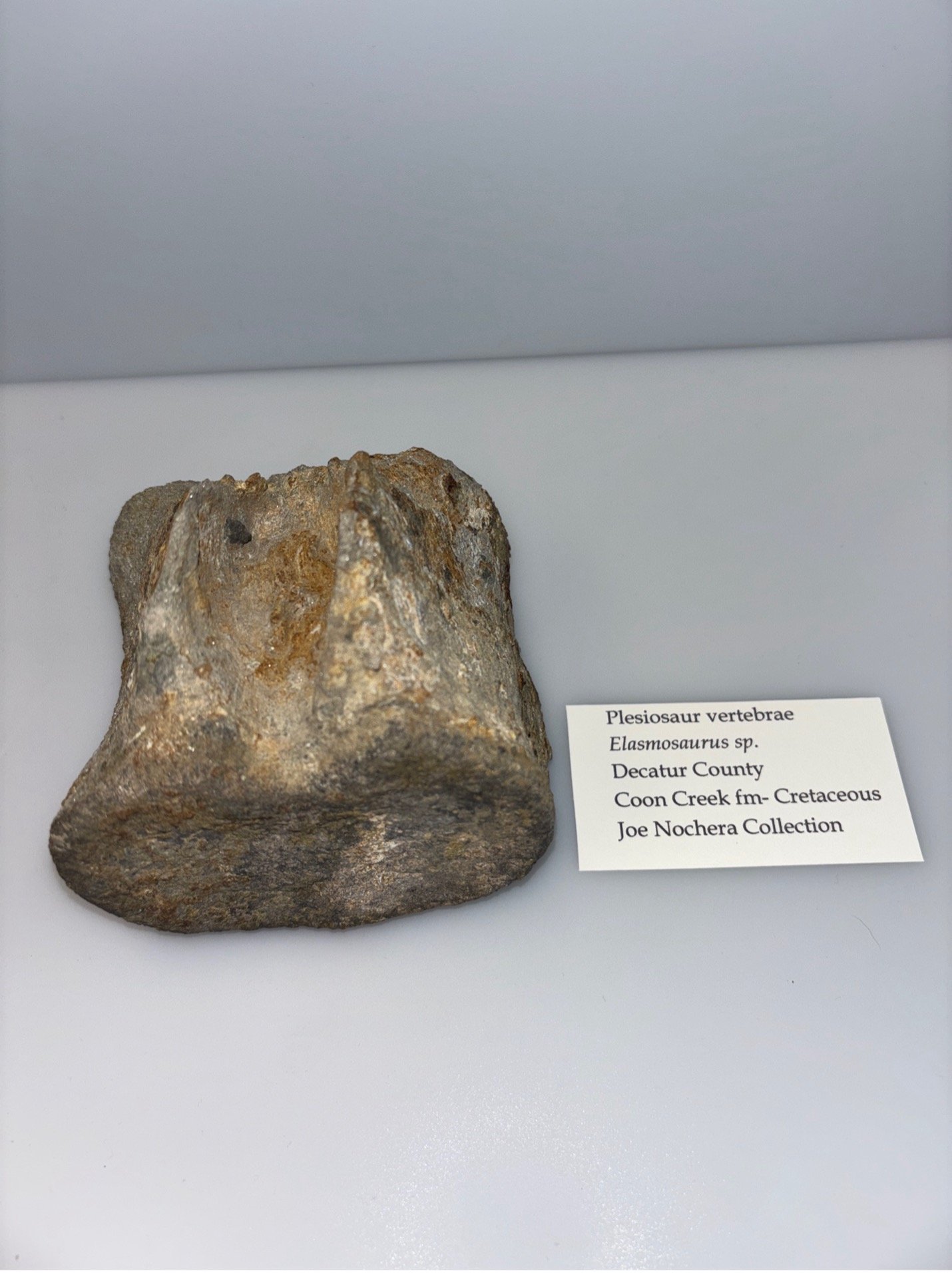
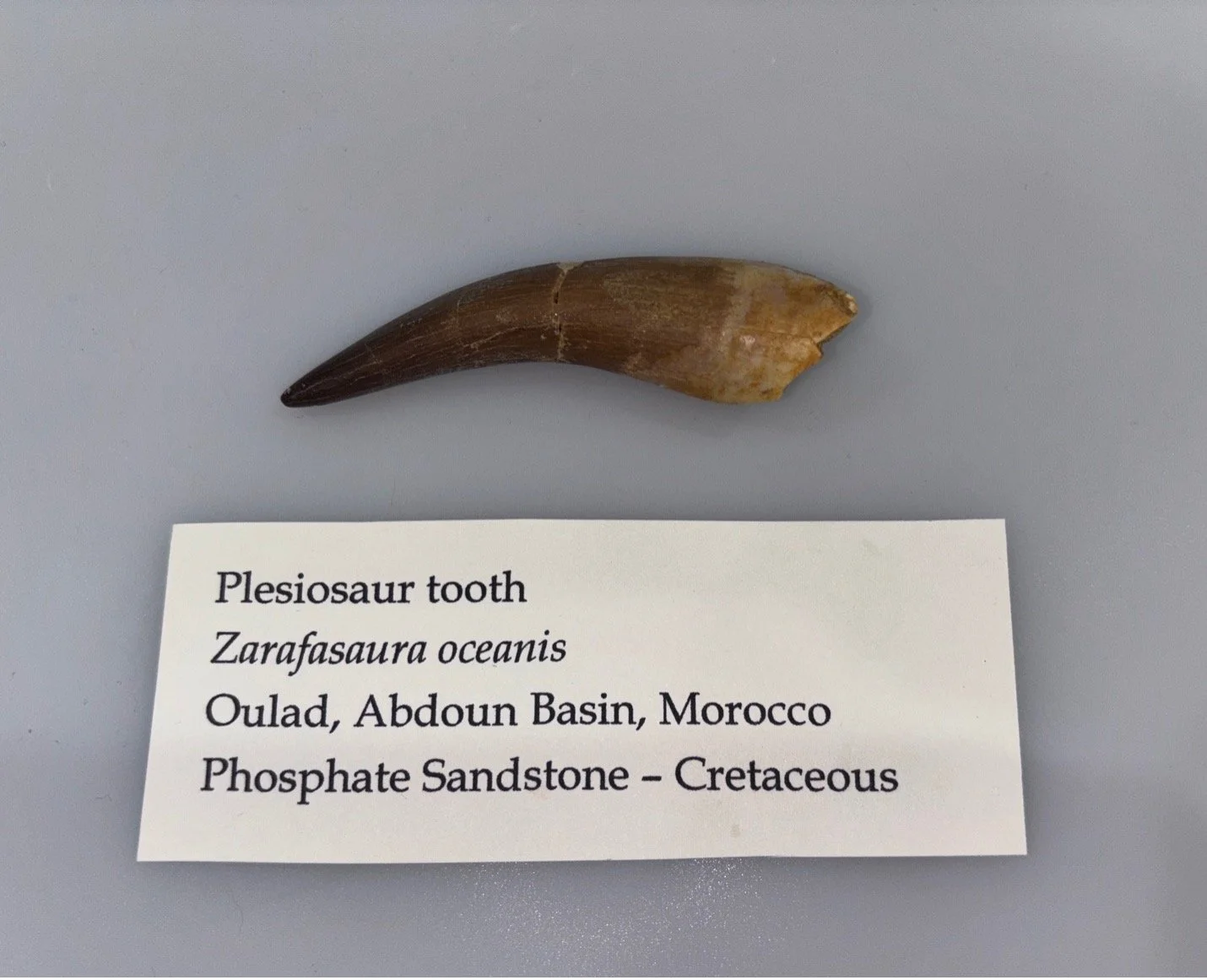
Plesiosaurs (Late Triassic – Late Cretaceous)
Plesiosaurs were marine reptiles that lived during the age of the dinosaurs. Though not a dinosaur itself, Plesiosaurs are well-known for their distinctive body shape which inspired the famous cryptid, the Loch Ness Monster. While many believers argue that a Plesiosaur could still be in Loch Ness in Scotland, they unfortunately all went extinct at the same time at the non-avian dinosaurs following the K-Pg Impact. Their diet was comprised of fish and cephalopods. Plesiosaurs came in different shapes and sizes; some where large and long-necked like the Zarafasaurus oceanis who were generally pacifistic and solitary animals, while some like the Pliosaurus had short necks and large heads and were much more aggressive hunters.
The first complete Plesiosaur fossil was found by famous female paleontologist Mary Anning in 1823.
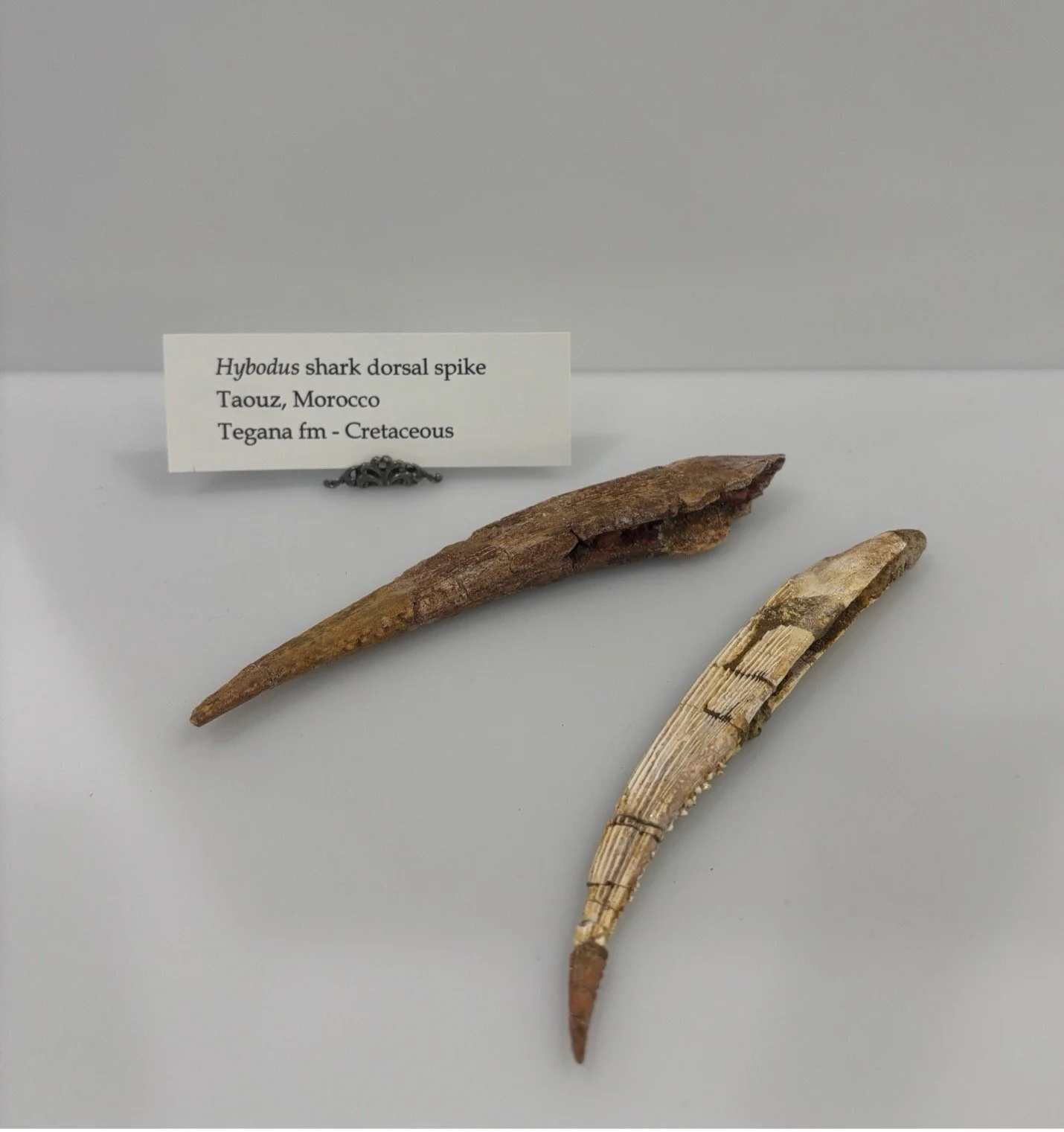
Hybodus (Permian – Cretaceous)
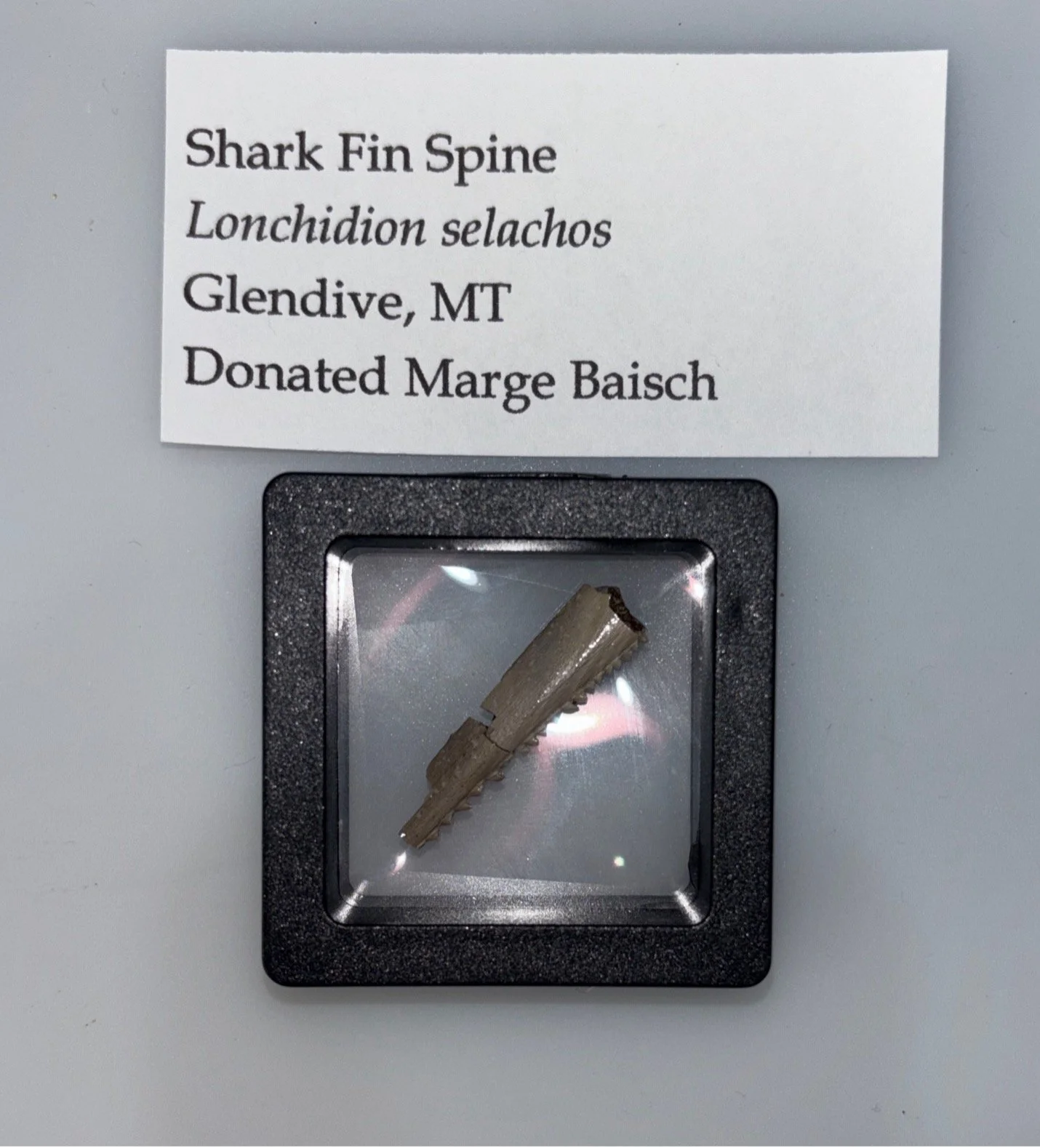
Hybodus was a genus of shark that had great success in the ancient oceans. It was about 6 feet long and had small crown of spikes on its head and two more larger spikes by its dorsal fins. These spikes would have protected the shark from bigger predators, which partly contributed to its success. Another trait Hybodus had was two types of teeth for two types of prey. The teeth at the front of its mouth were sharp, used to bite down on prey, while the teeth in the back of its mouth were flat and could crush and break down hard shells and bones—a little like your own molars.
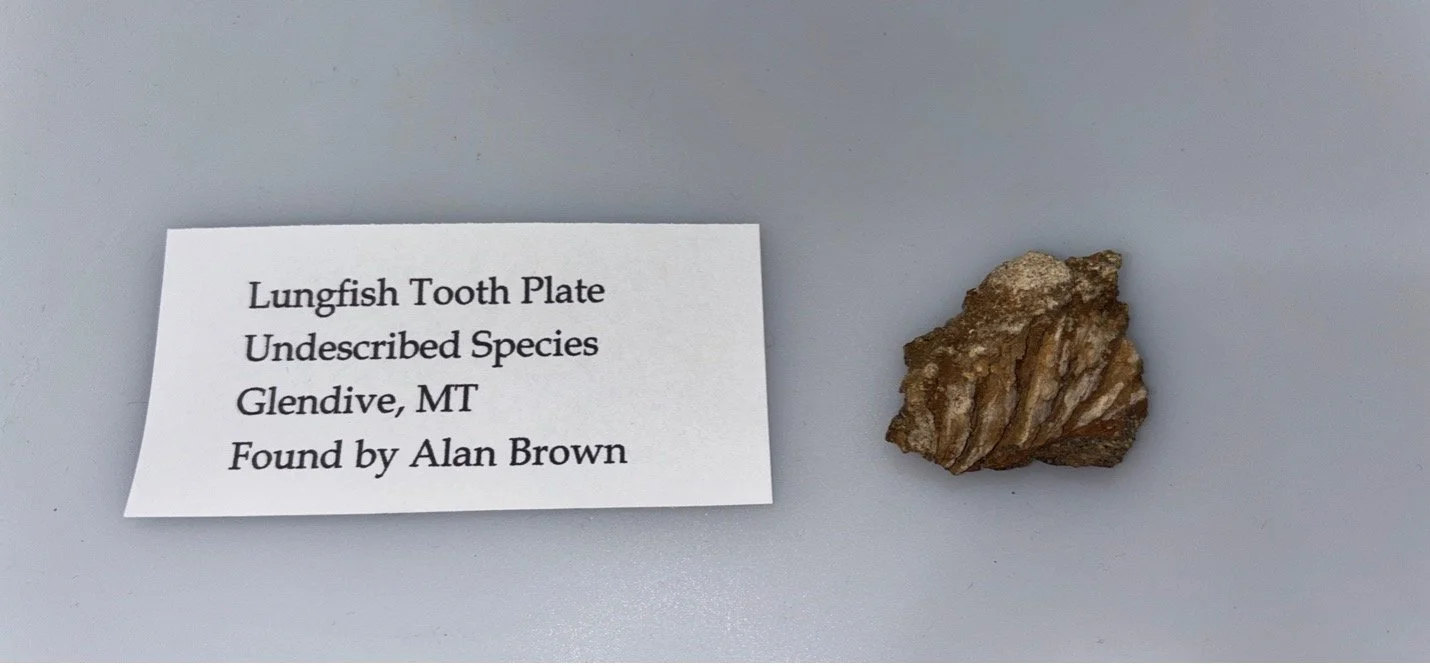
(Early Devonian – Present)
Lungfish are long, eel-shaped fish that can breathe air. While some species of lungfish possess both lungs and gills, they have an advantage over gill-exclusive fish types because they are able to survive in oxygen poor waters and withstand droughts, which may explain why they have managed to stay relatively unchanged over the last 400 million years. Lungfish are considered a “missing link” in the evolution of mammals, reptiles, amphibians, and birds as they are the closest relative to early tetrapods (or all vertebrate animals with four limbs).
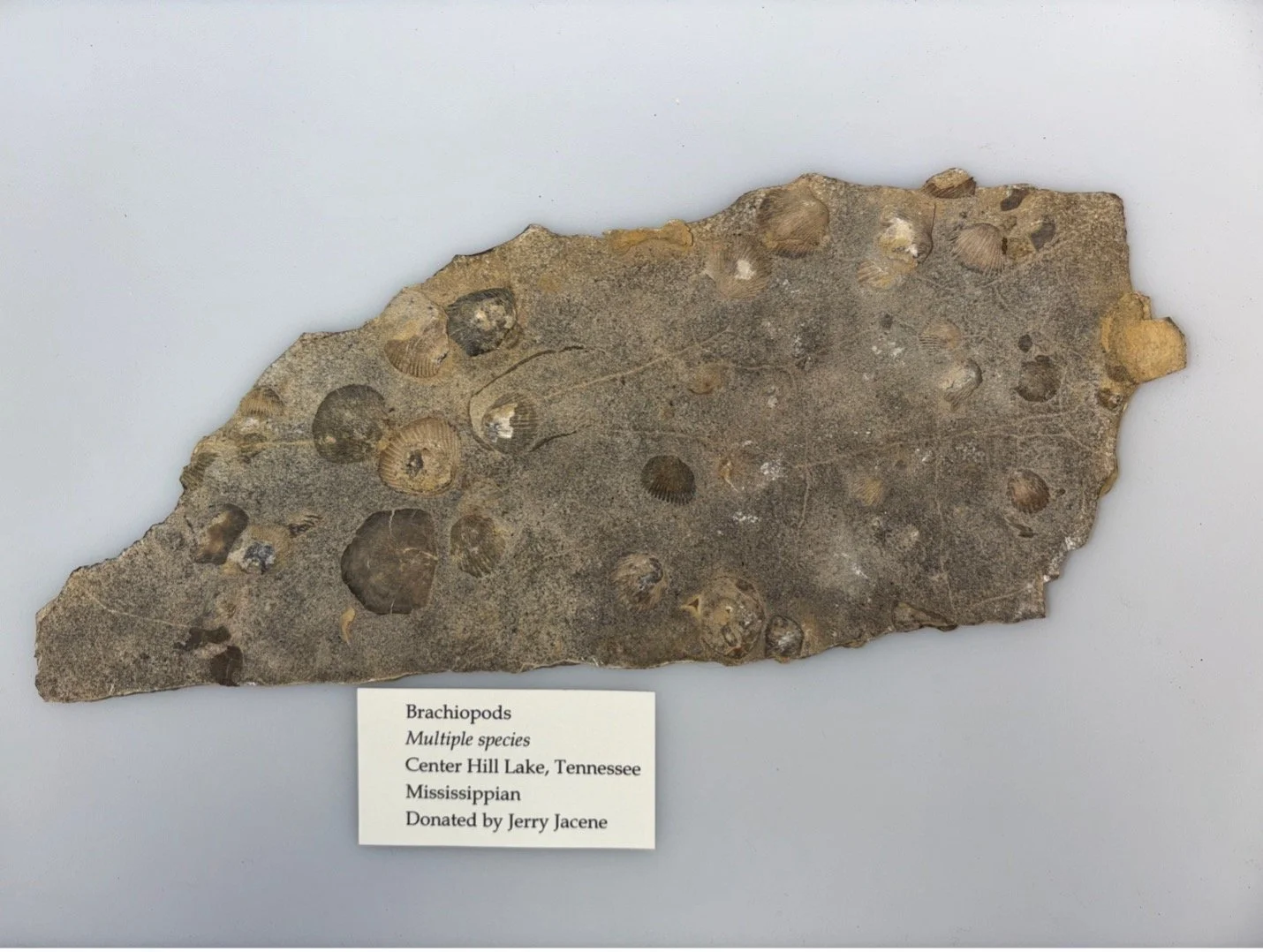
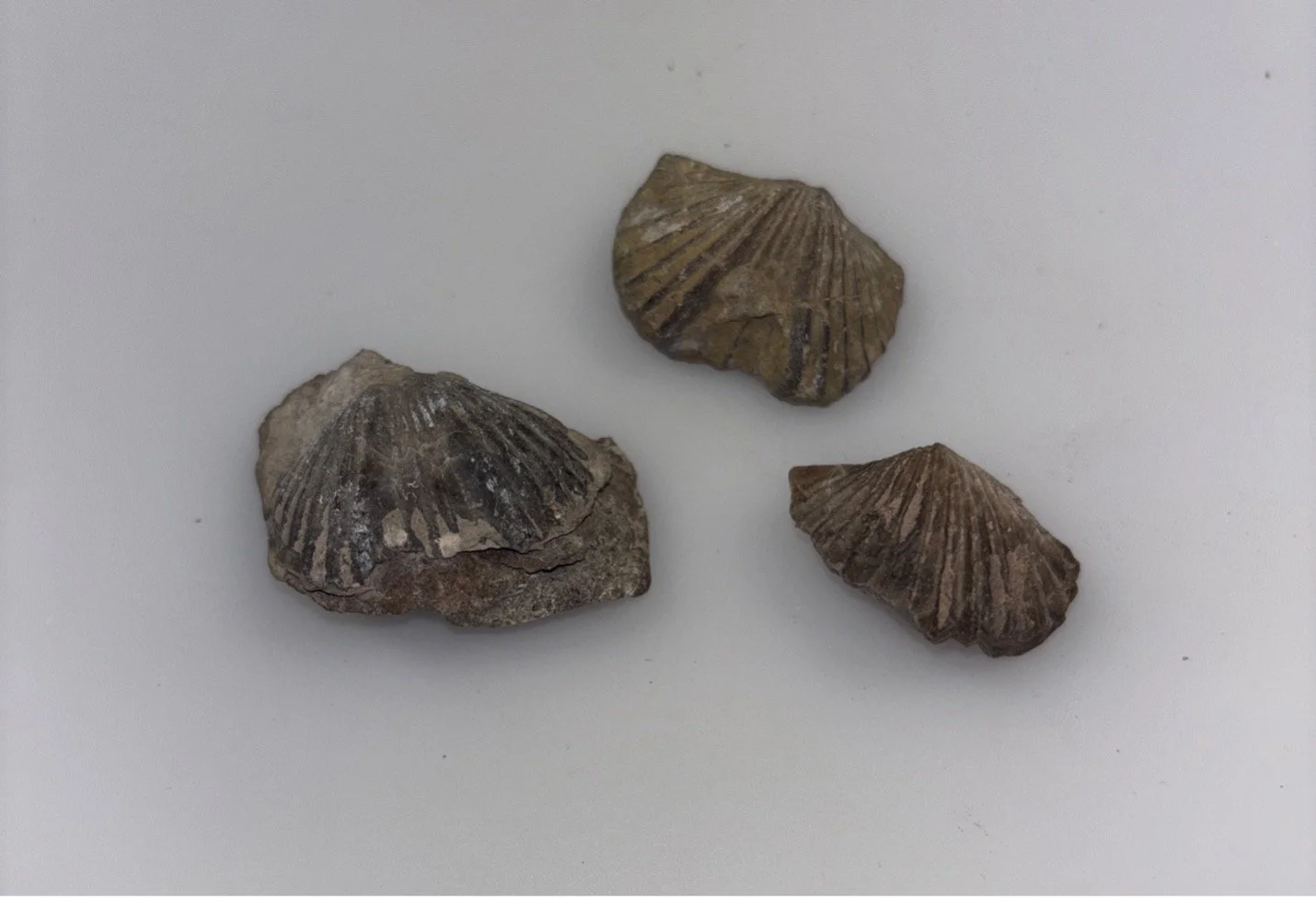
Brachiopods (Cambrian – Present)
Brachiopods are aquatic soft-bodied invertebrates who typically live inside a symmetrical two-halved shell. Though similar to bivalves in design, Brachiopods are deceptively unique, belonging to their own phylum, Brachiopoda. Brachiopods are generally stationary and are typically anchored in one spot, relying on filter feeding.
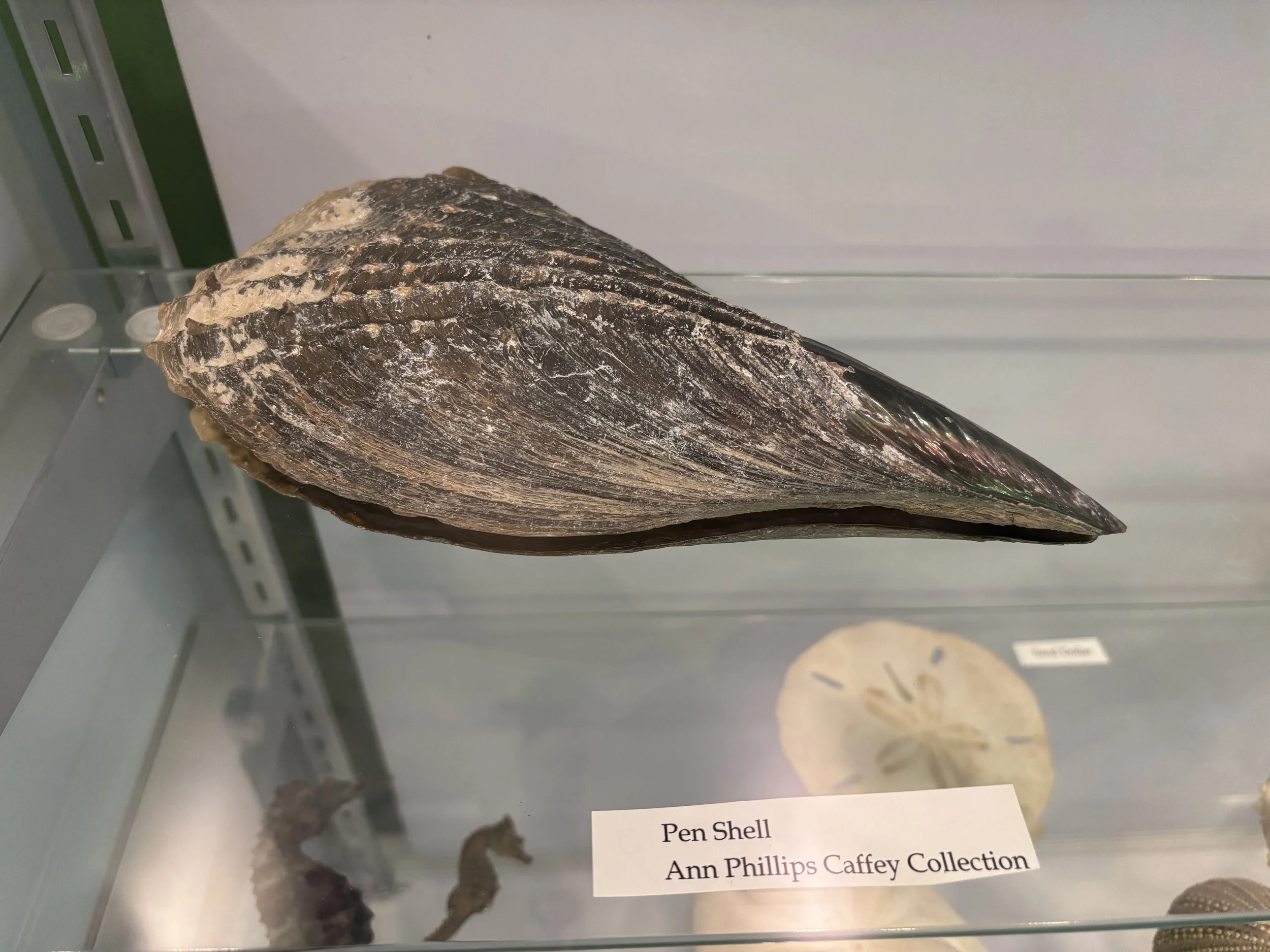
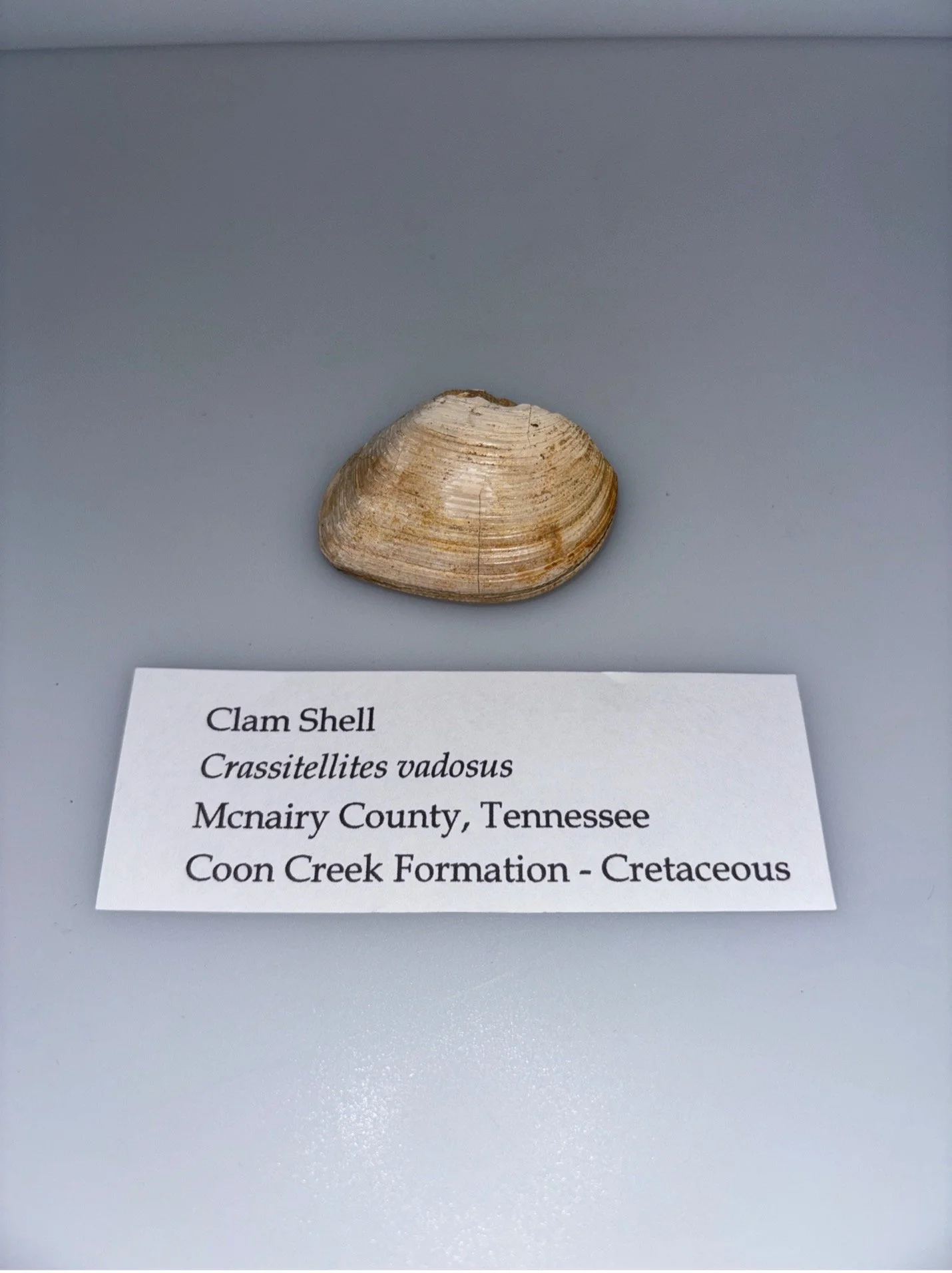
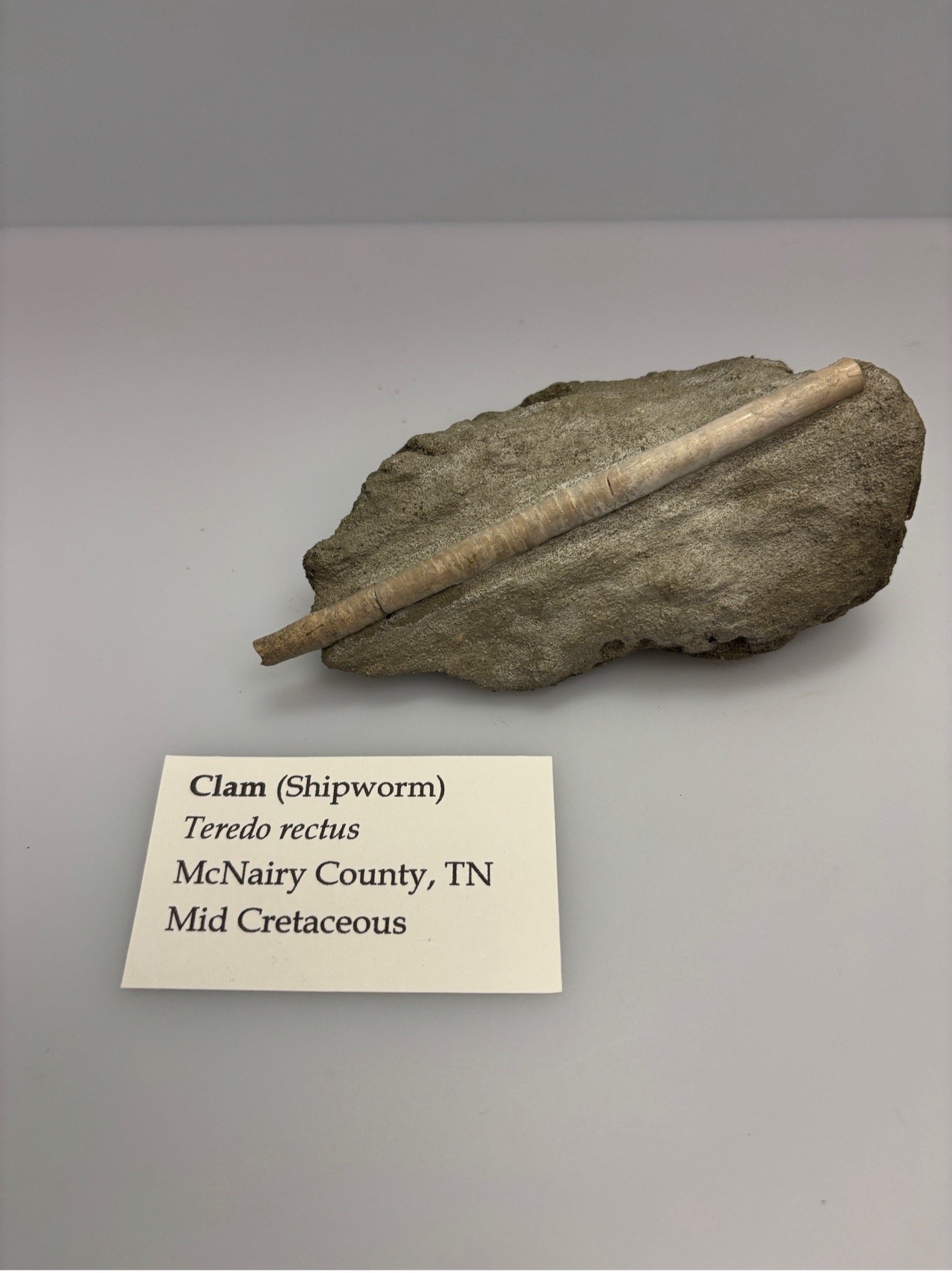
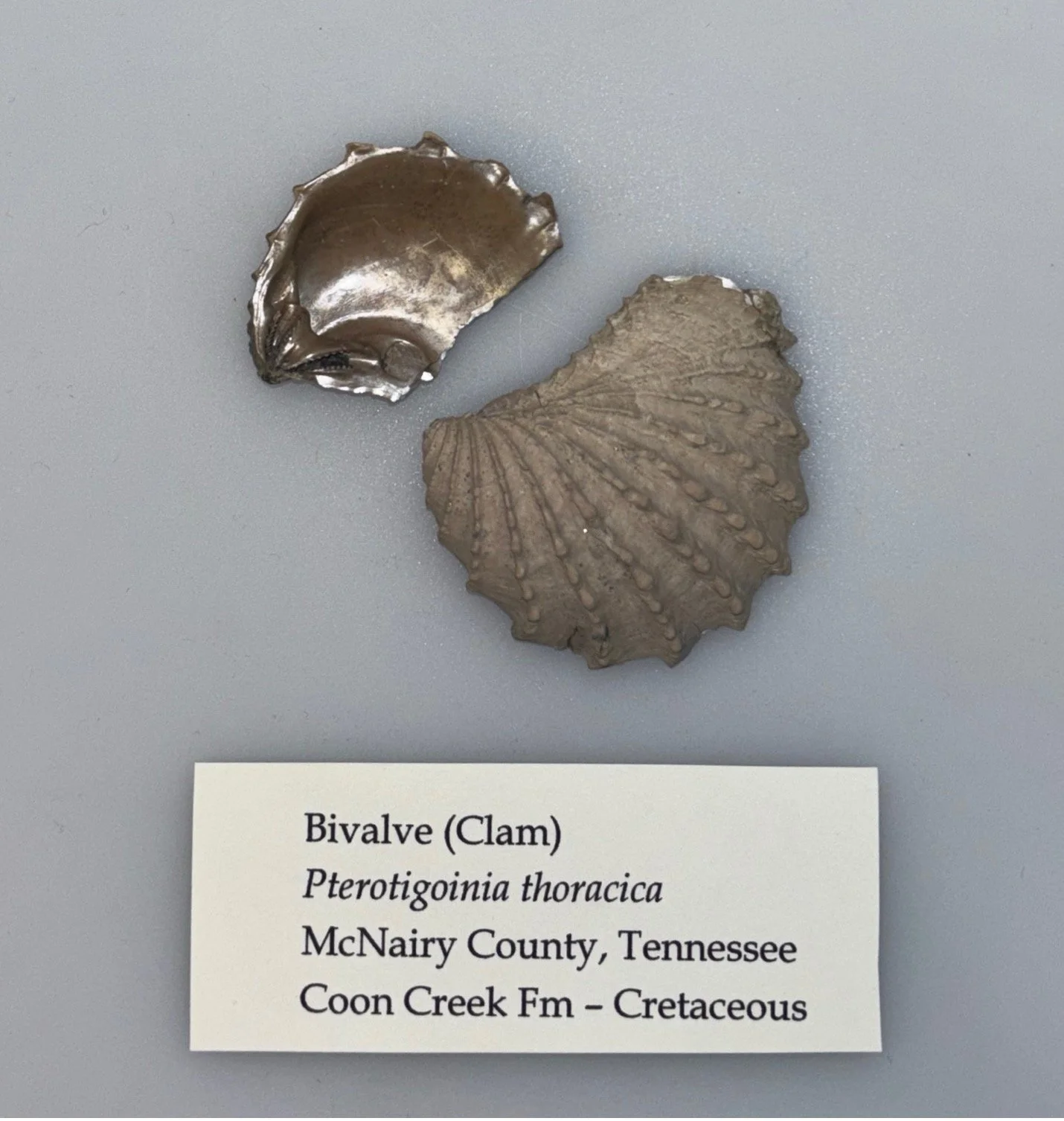
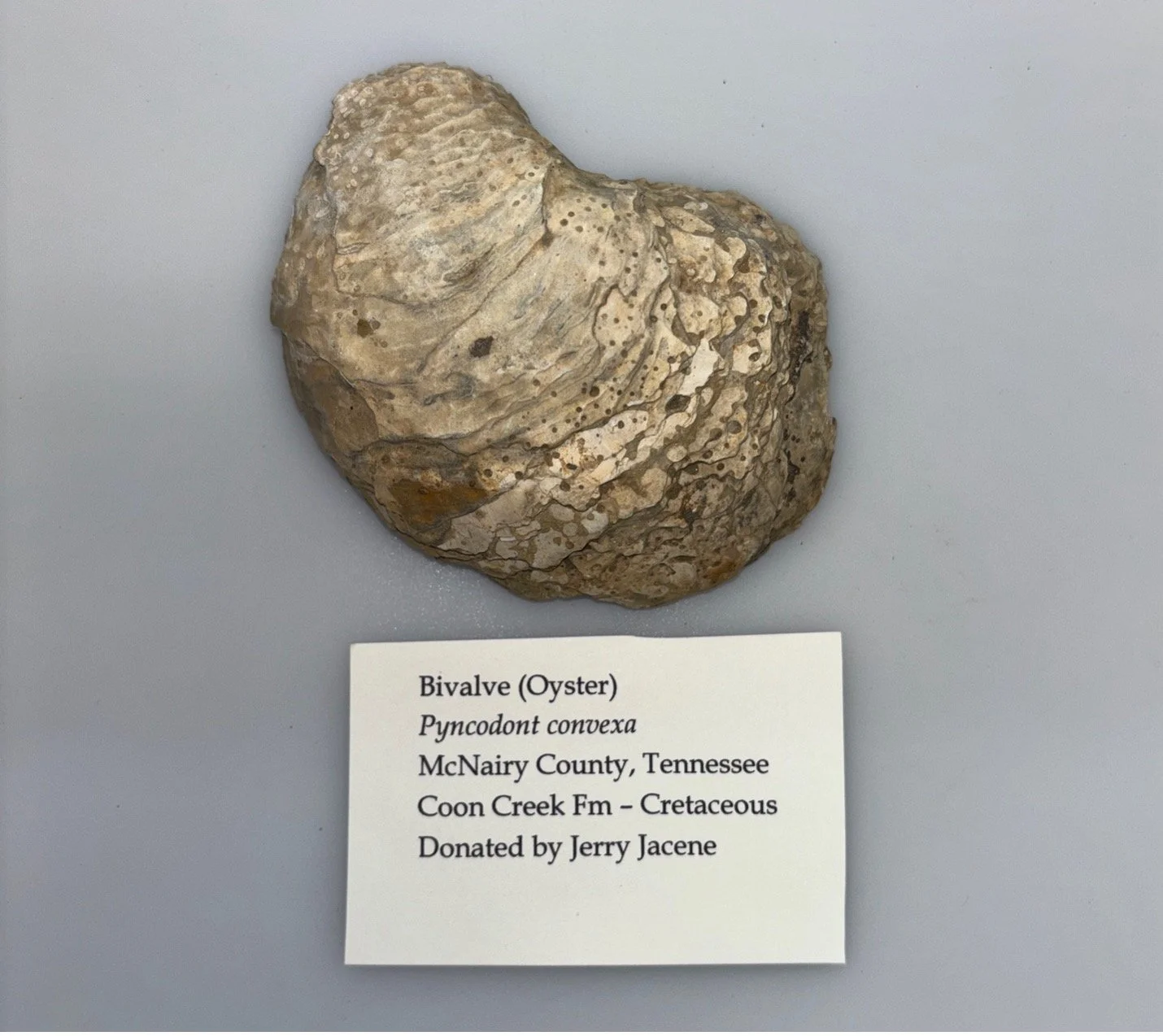
Bivalves are aquatic soft-bodied invertebrates who typically live inside a vertically symmetrical two-halved shell. They are similar to brachiopods, who are symmetrical both laterally and vertically, but the two are not actually very closely related. Today, bivalves vastly outnumber brachiopods, but during earlier periods, the inverse was true.
Bivalves are more mobile than they look, often burying themselves in sediment with the help of a muscular organ called a ‘foot’, and some can even swim by clapping their shell open and closed. Their shells have historically been used as jewelry, tools, and even money in certain cultures.
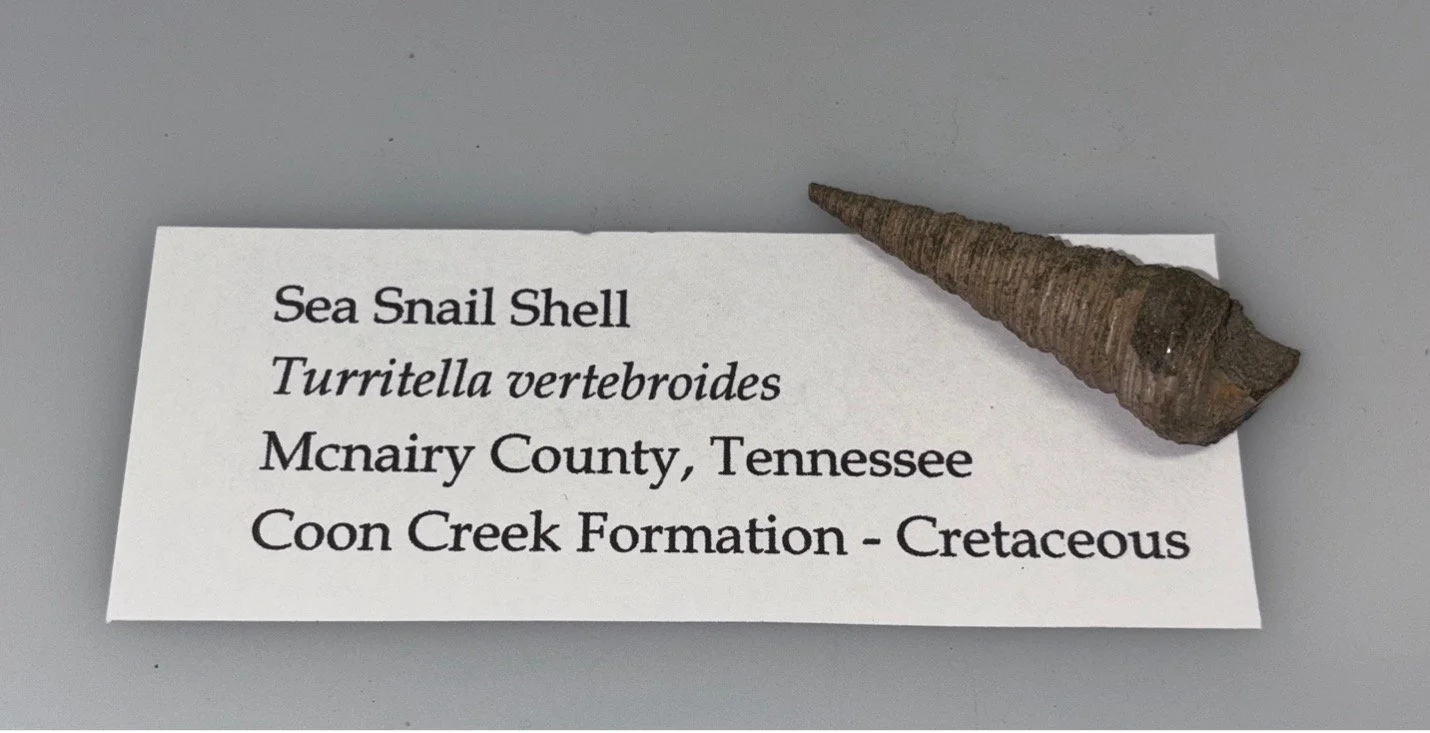
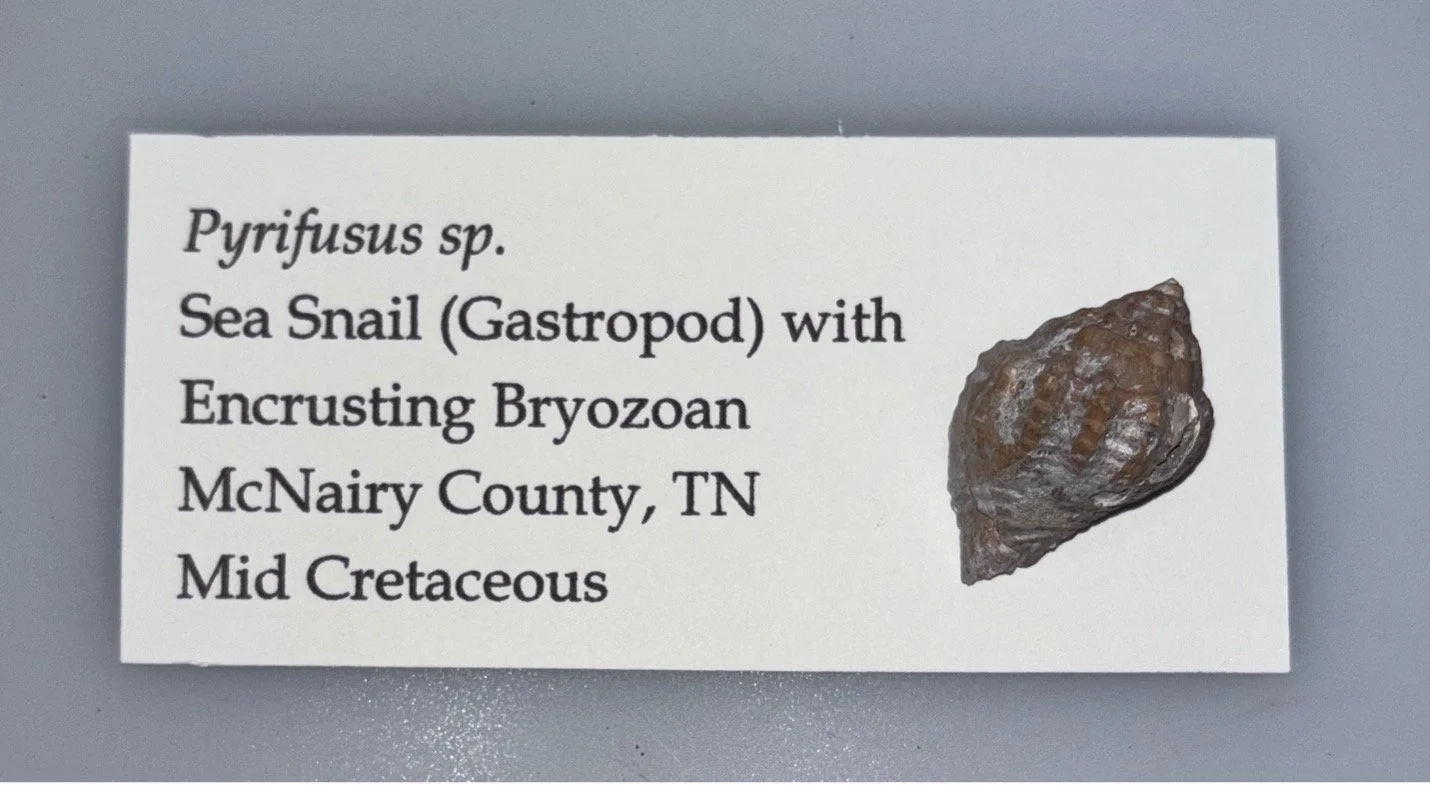
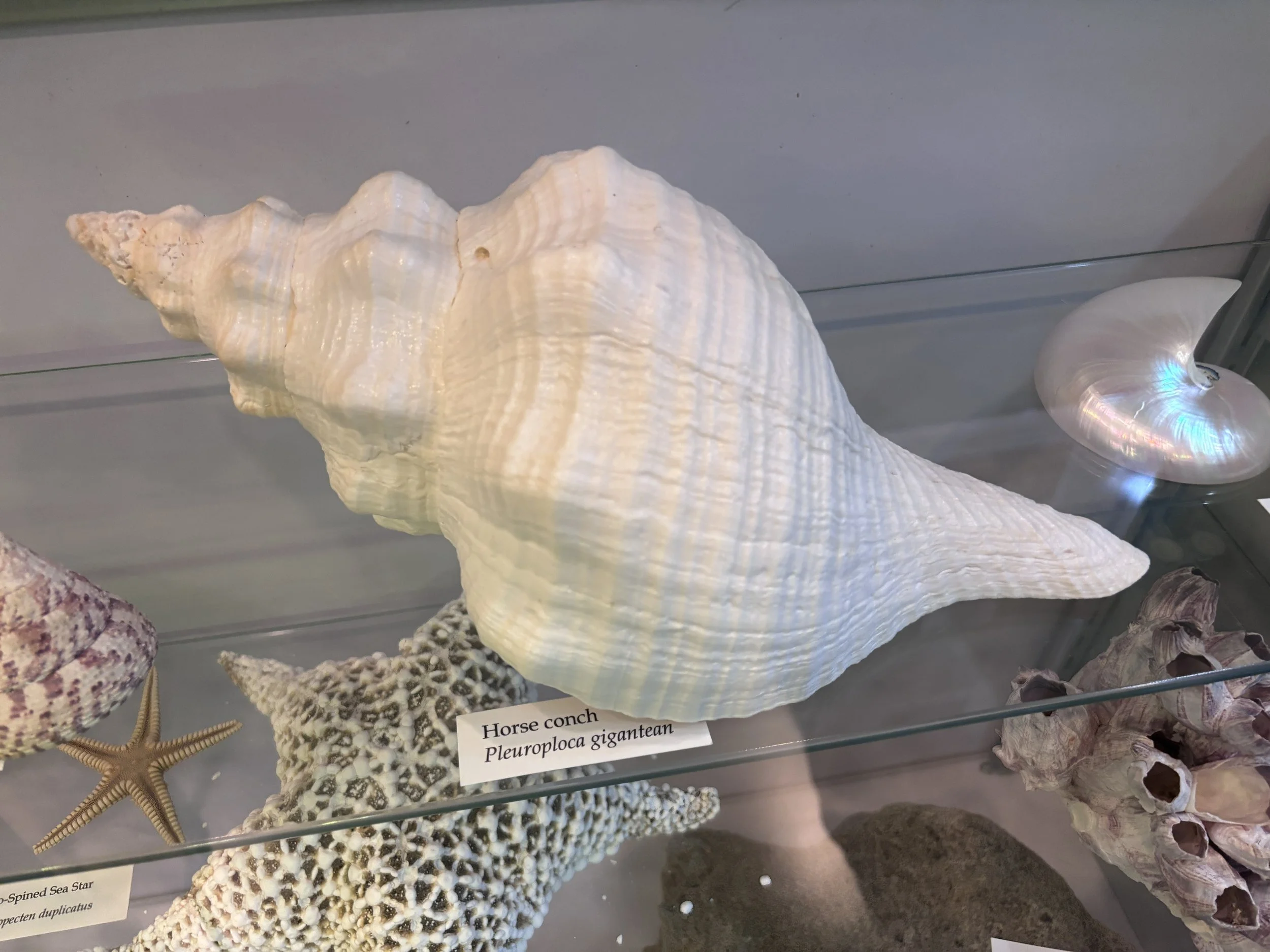
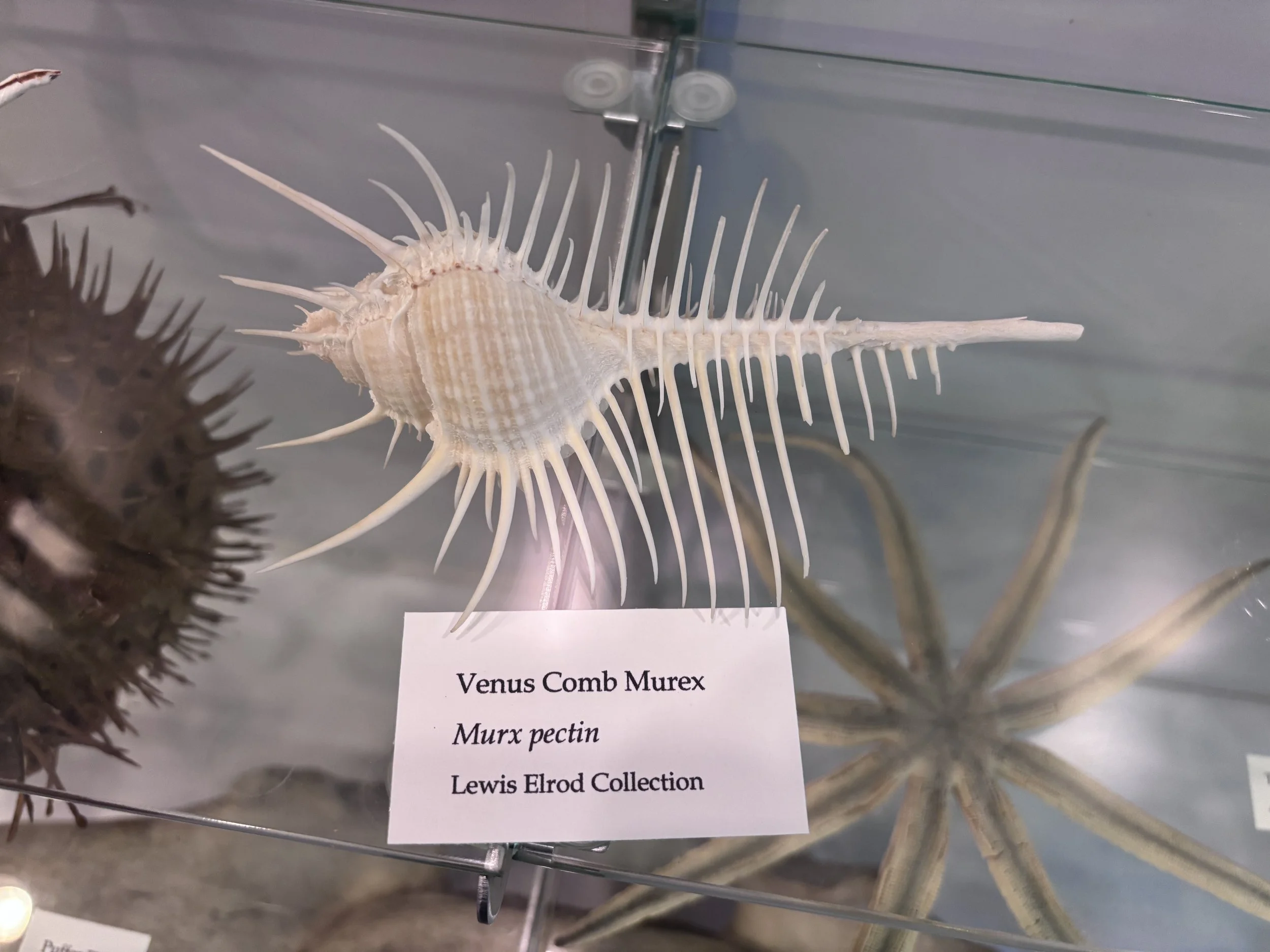
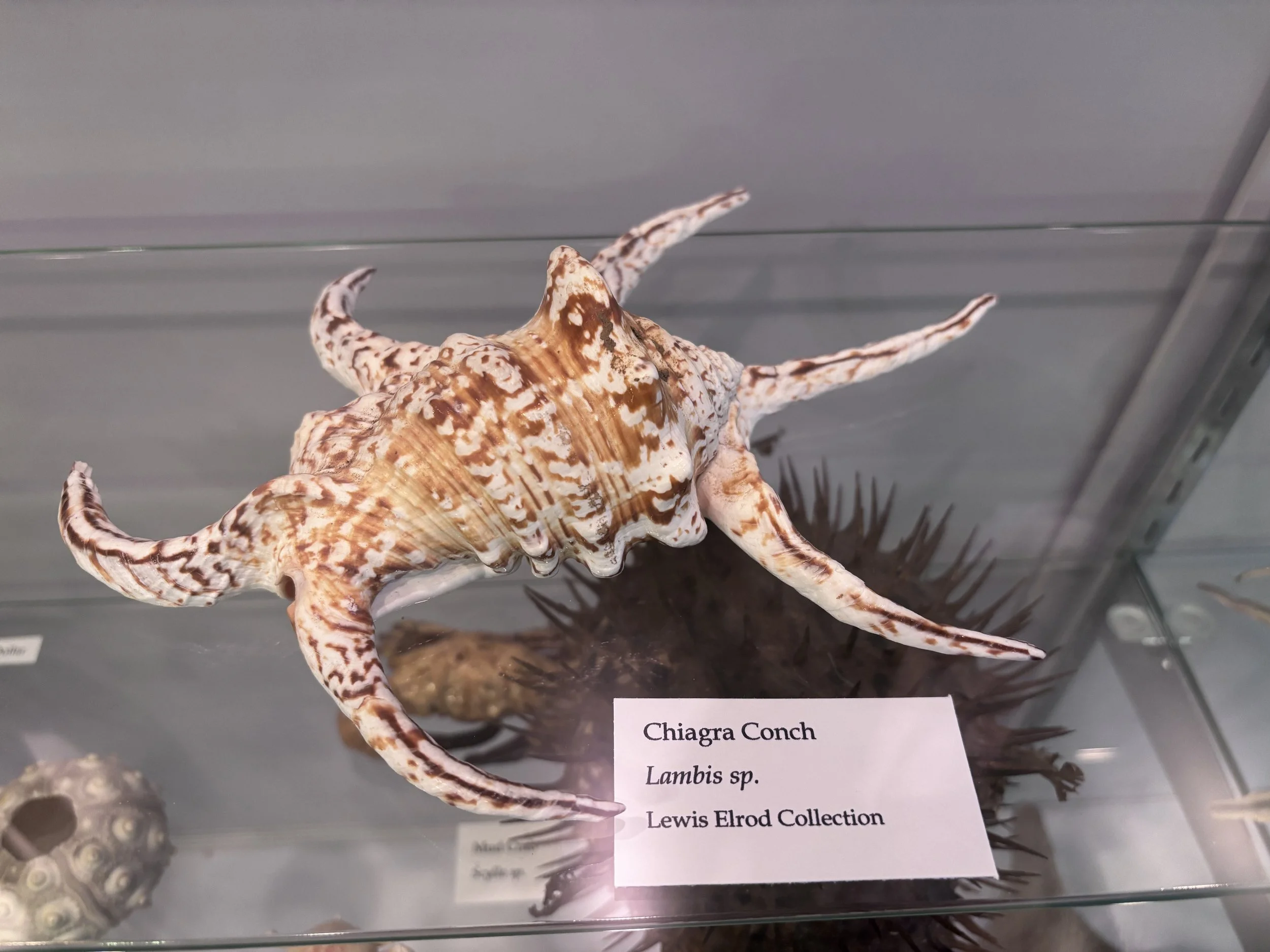
Gastropods (Late Cambrian – Present)
Gastropods are a class of soft-bodied invertebrates and are members of the phylum Mollusca, including things like snails and slugs. Gastropods have been around since almost the beginning of the fossil record, developing all the way back in the oceans of the Cambrian Period (485- 541 million years ago). Gastropod’s bodies are simple but highly adaptable, and have diversified far past marine living. Today there are species in the oceans, in rivers, on land, and even hydrothermal vents.
No results match your search. Try removing a few filters.