
Fossil Collection Search
Check out our collection! Filter through time period and other categories and click on entries to learn more about them.
Check out our collection! Filter through time period and other categories and click on entries to learn more about them.
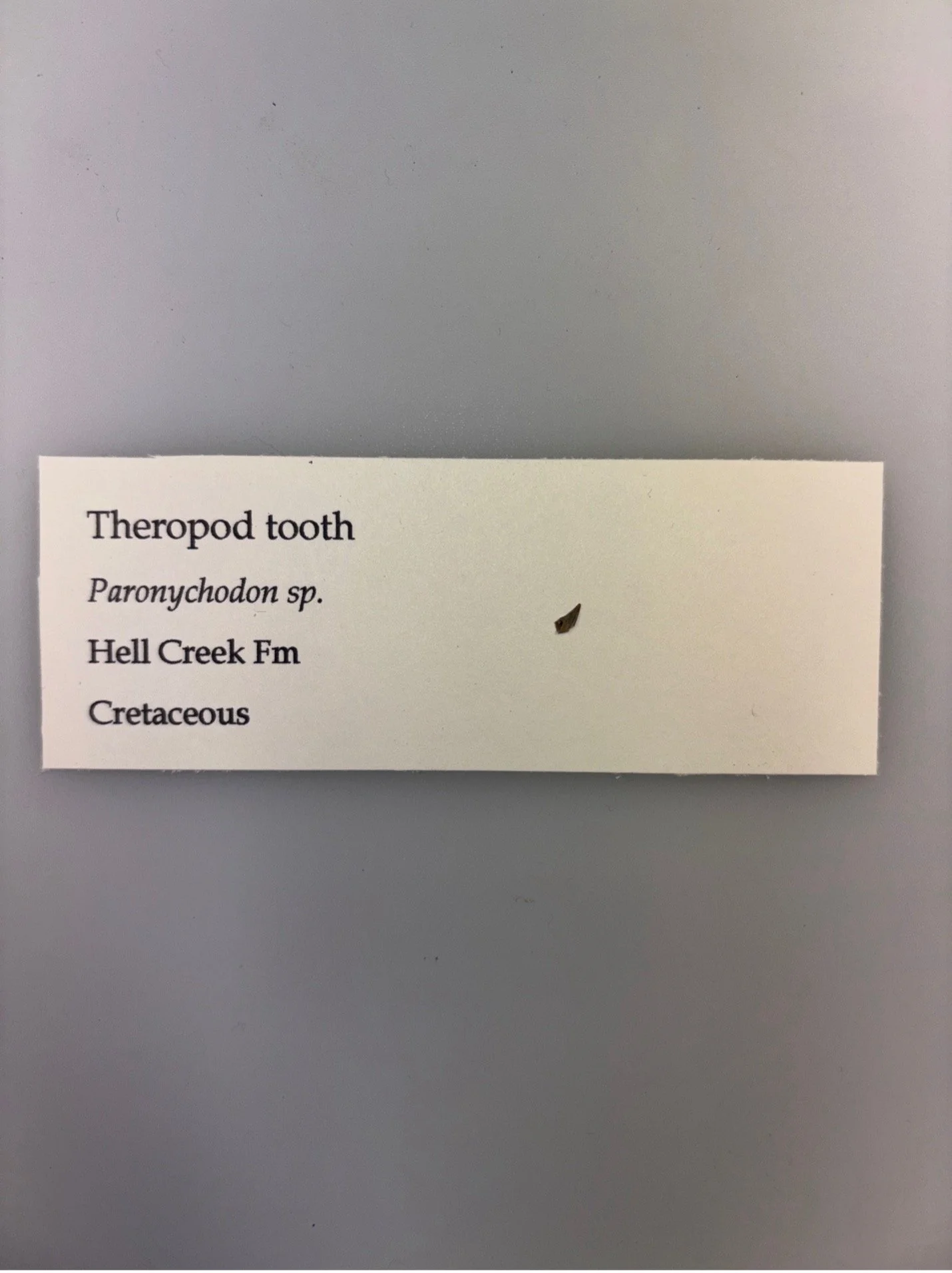
Little is known about the Paronychodon. The only fossils found as of yet of this group of theropds are teeth like the one pictured here. These mysterious carnivorous dinosaurs lived in North America during the late Cretaceous, and similar teeth have also been found in Eurasia, which may indicate that this genus could have been fairly far spread.
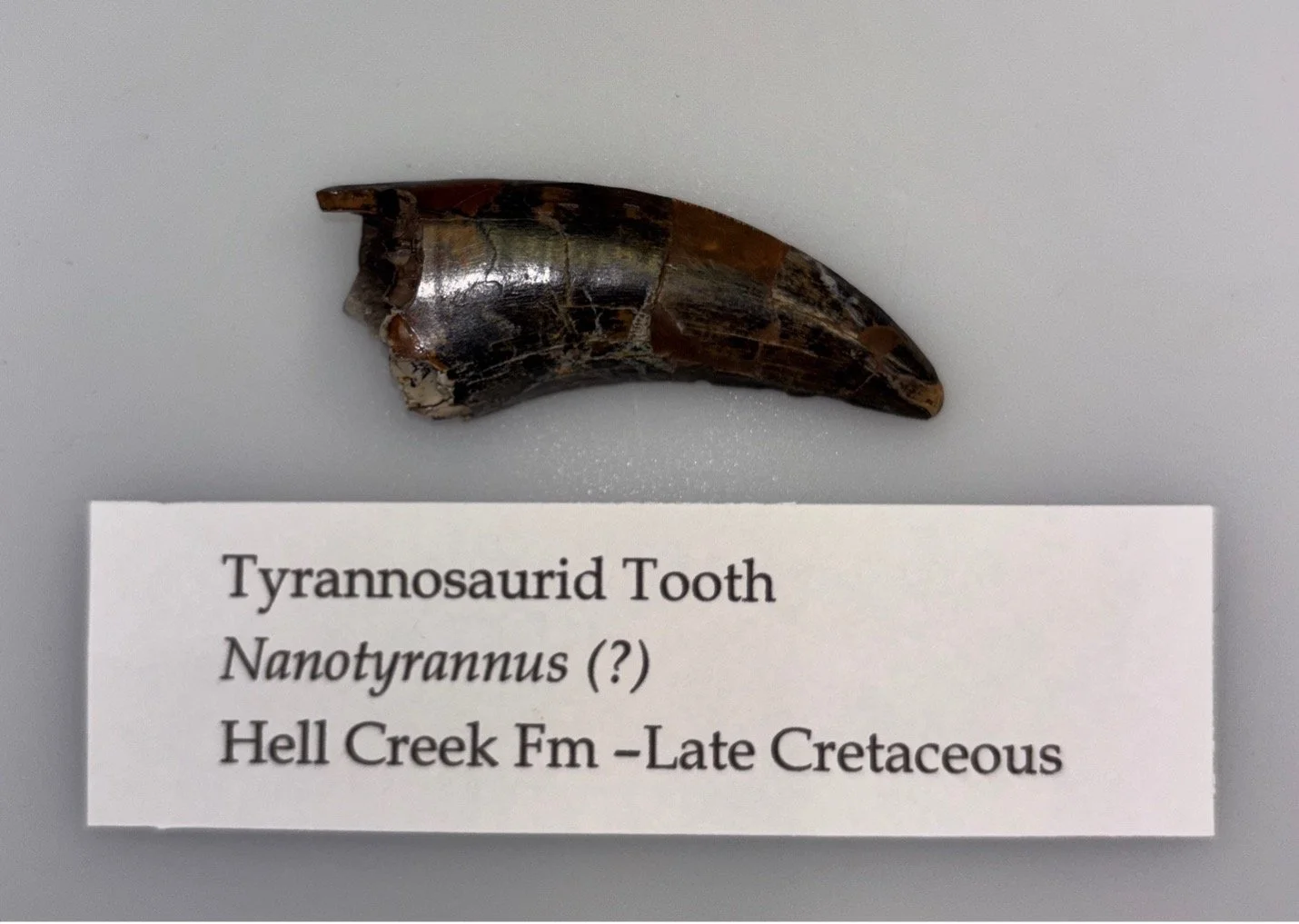
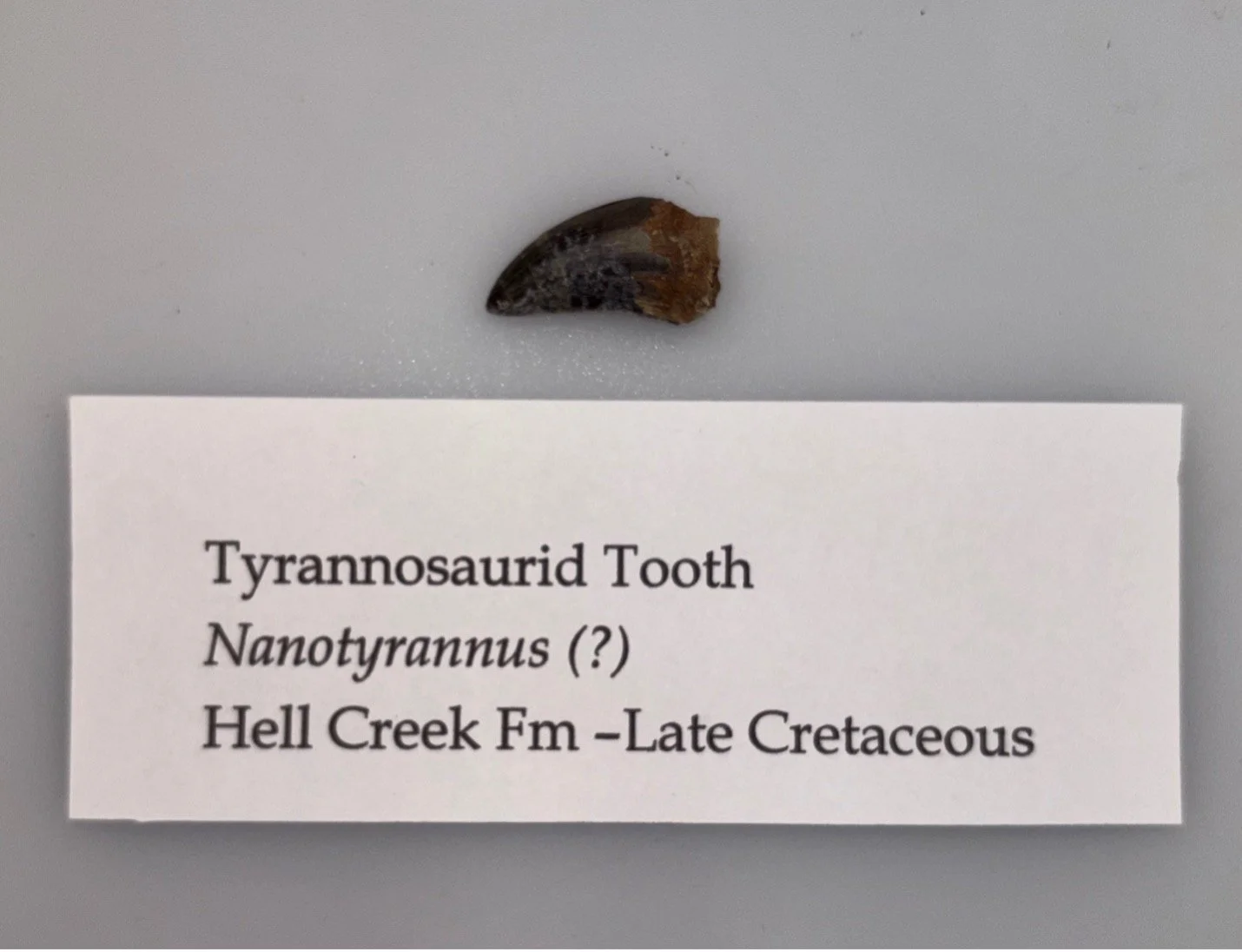
The Nanotyrannus is a newly confirmed genus of therapod dinosaur that lived alongside the Tyrannosaurus Rex at the end of the Cretaceous period. For years, scientists debated over whether this smaller was a teenage T. Rex or its own distinct species. In 2025, the researchers at North Carolina Museum of Natural Sciences determined that the theropod in their famous fossil “The Dueling Dinosaurs” was full grown at the time of death. This discovery settled the debate once and for all. Now that the two species are officially split, our understanding of both the Nanotyrannus and the T. Rex are forever changed.
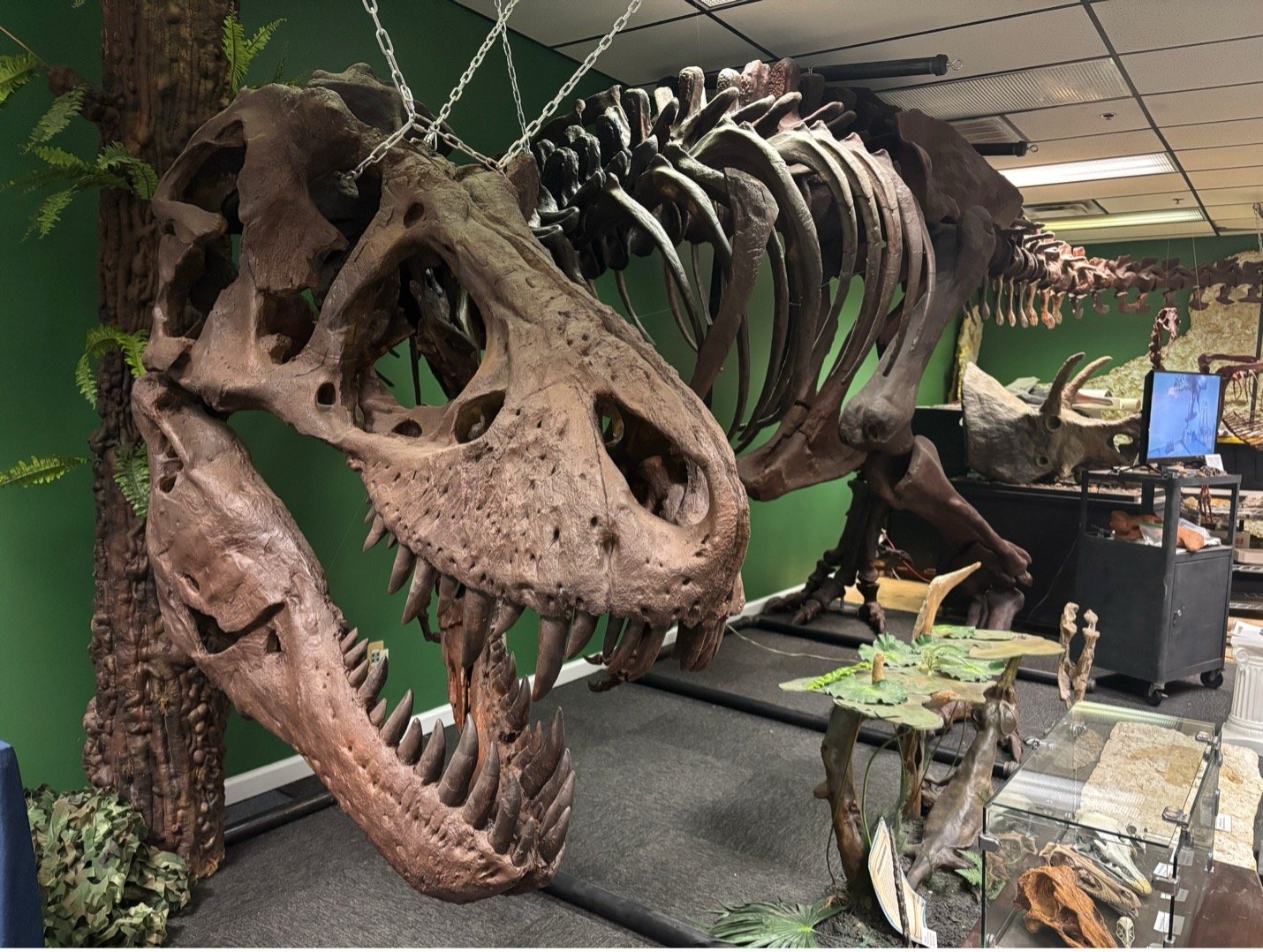
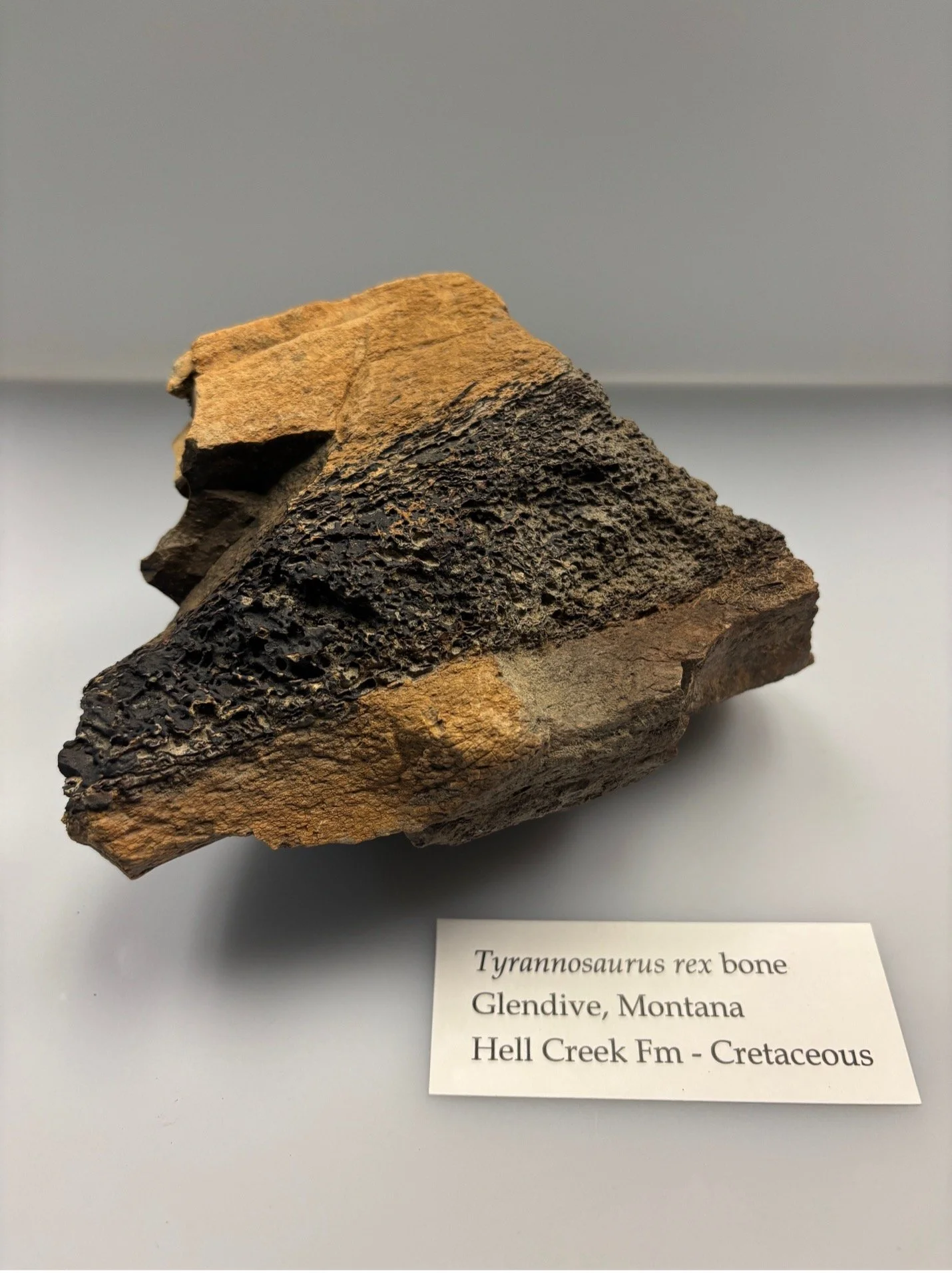
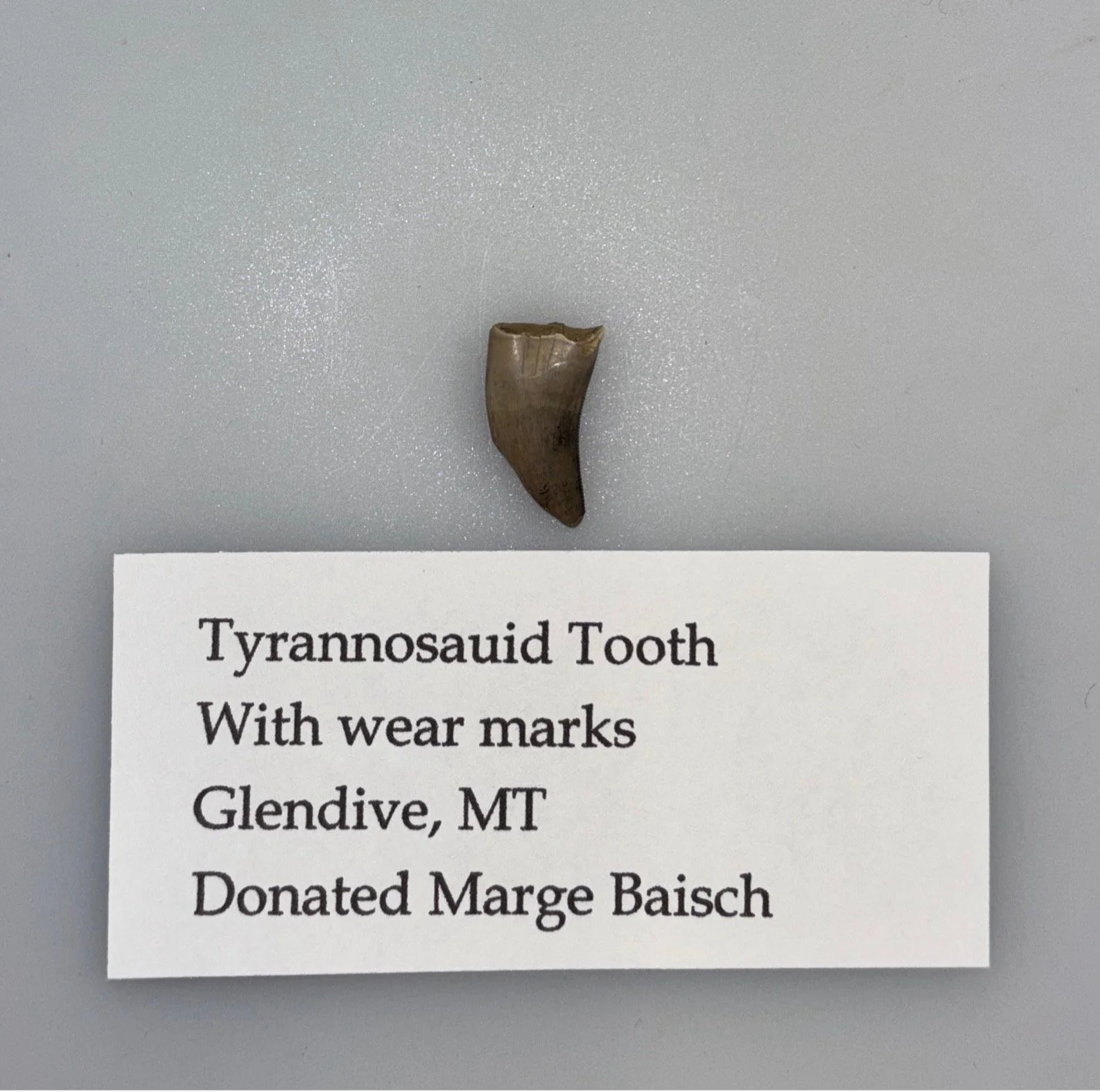
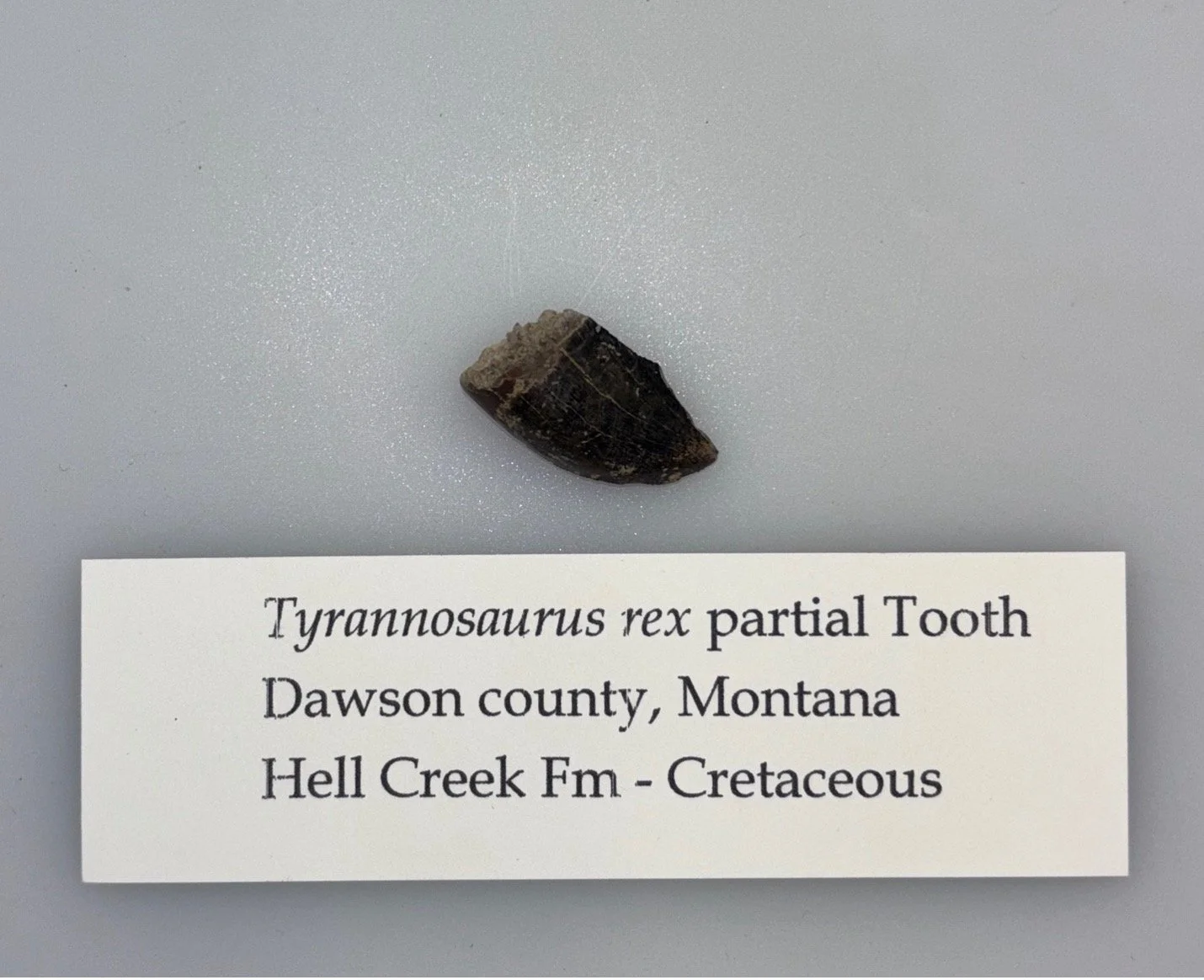
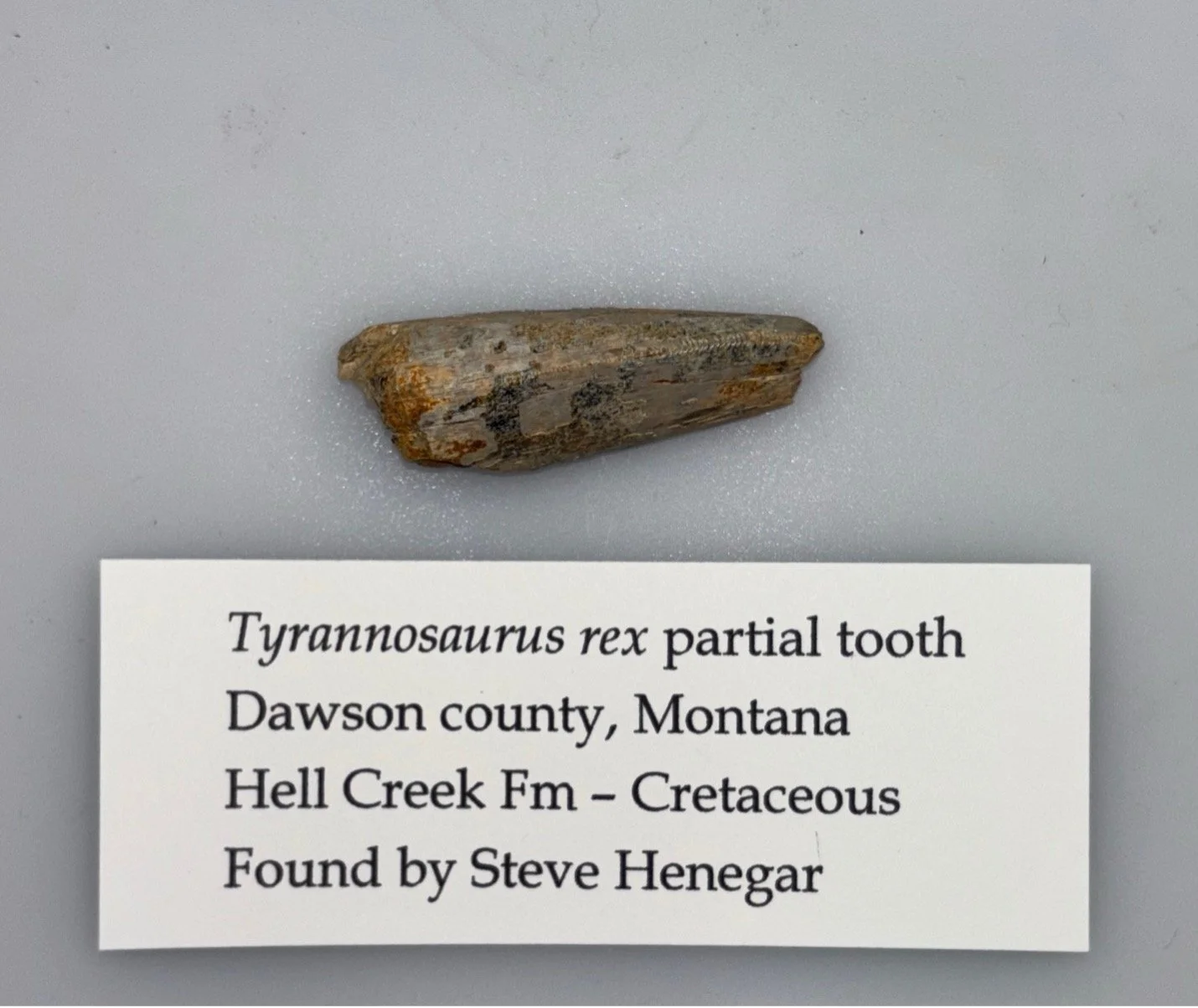
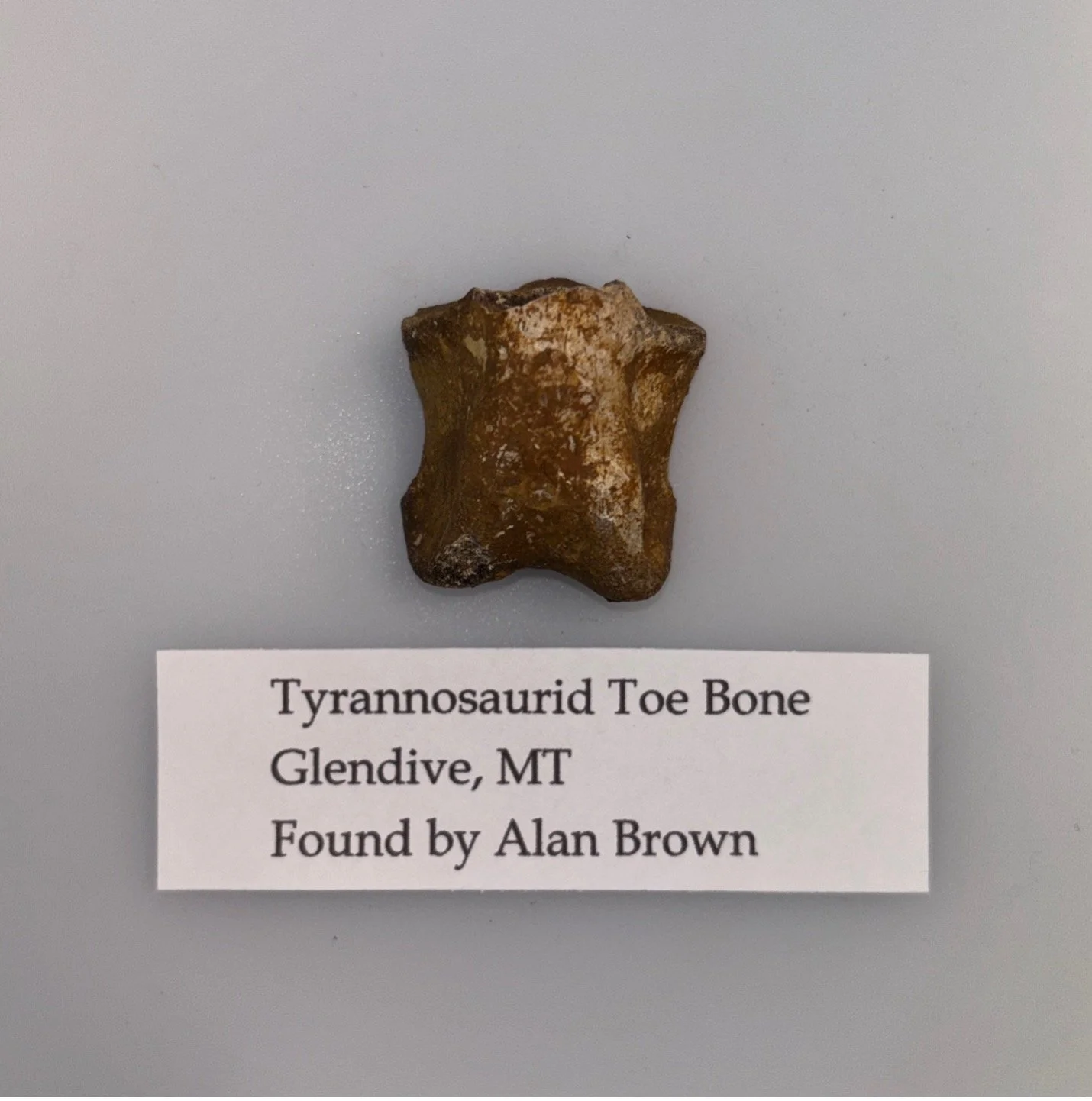
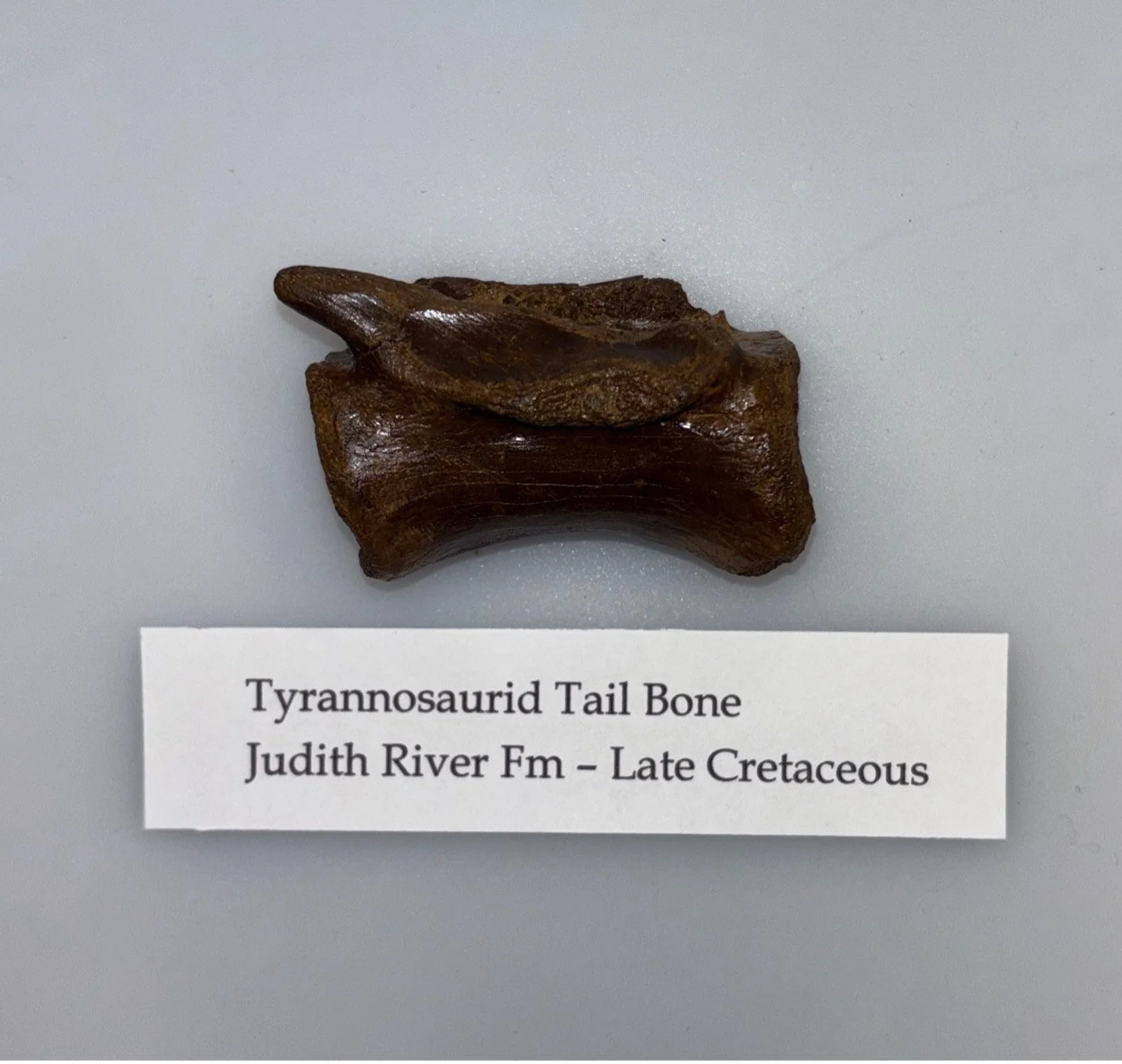
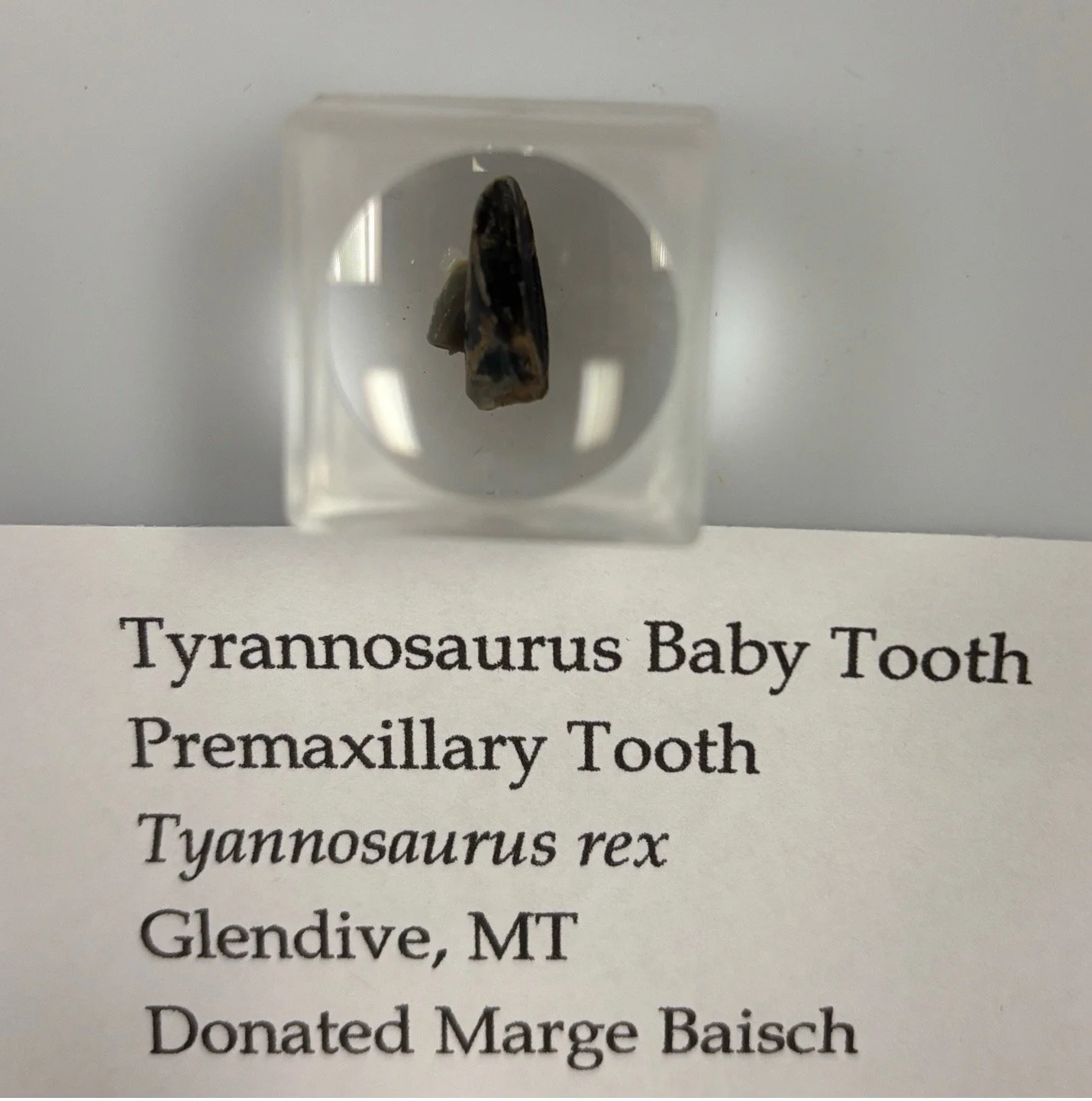
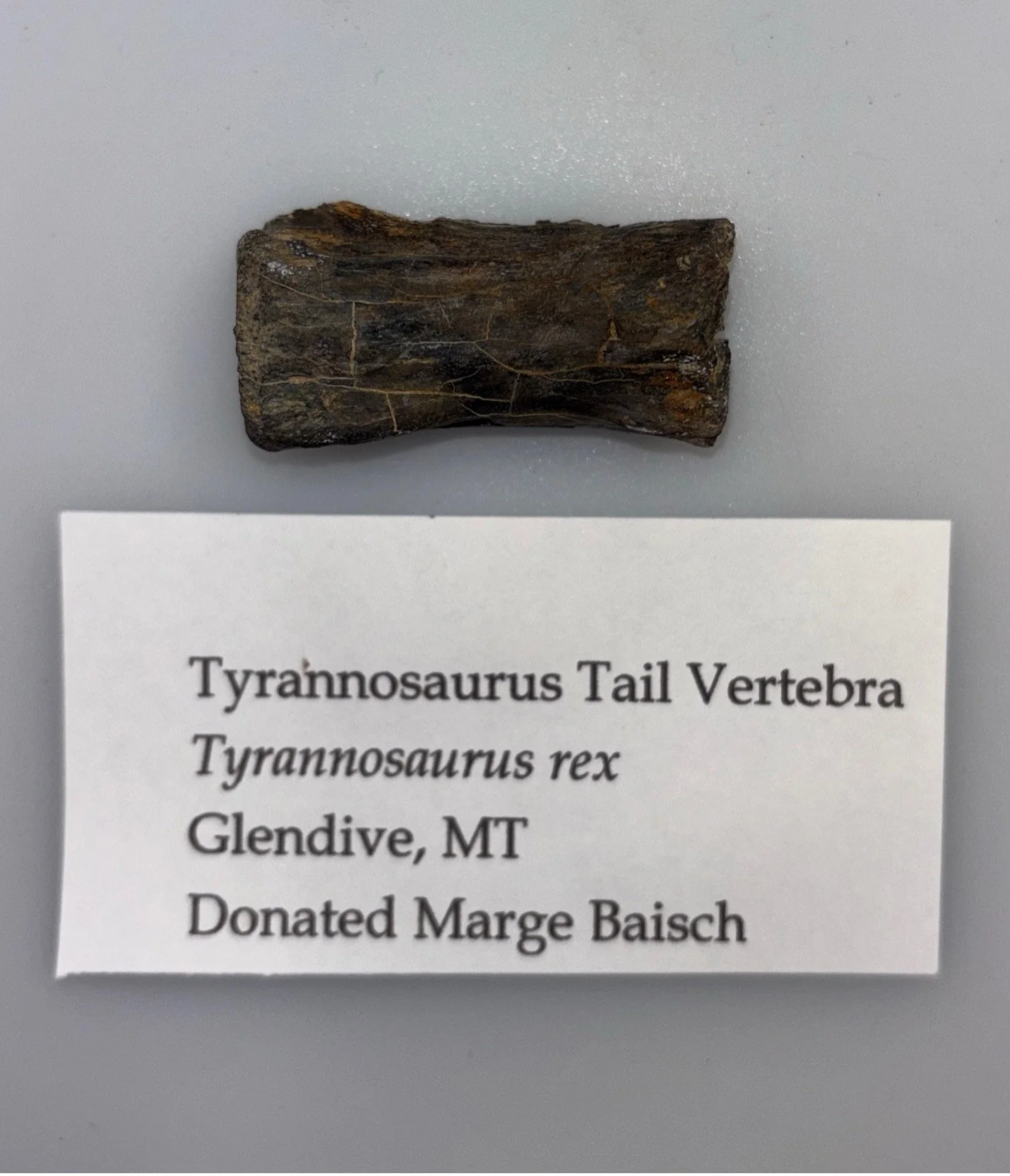
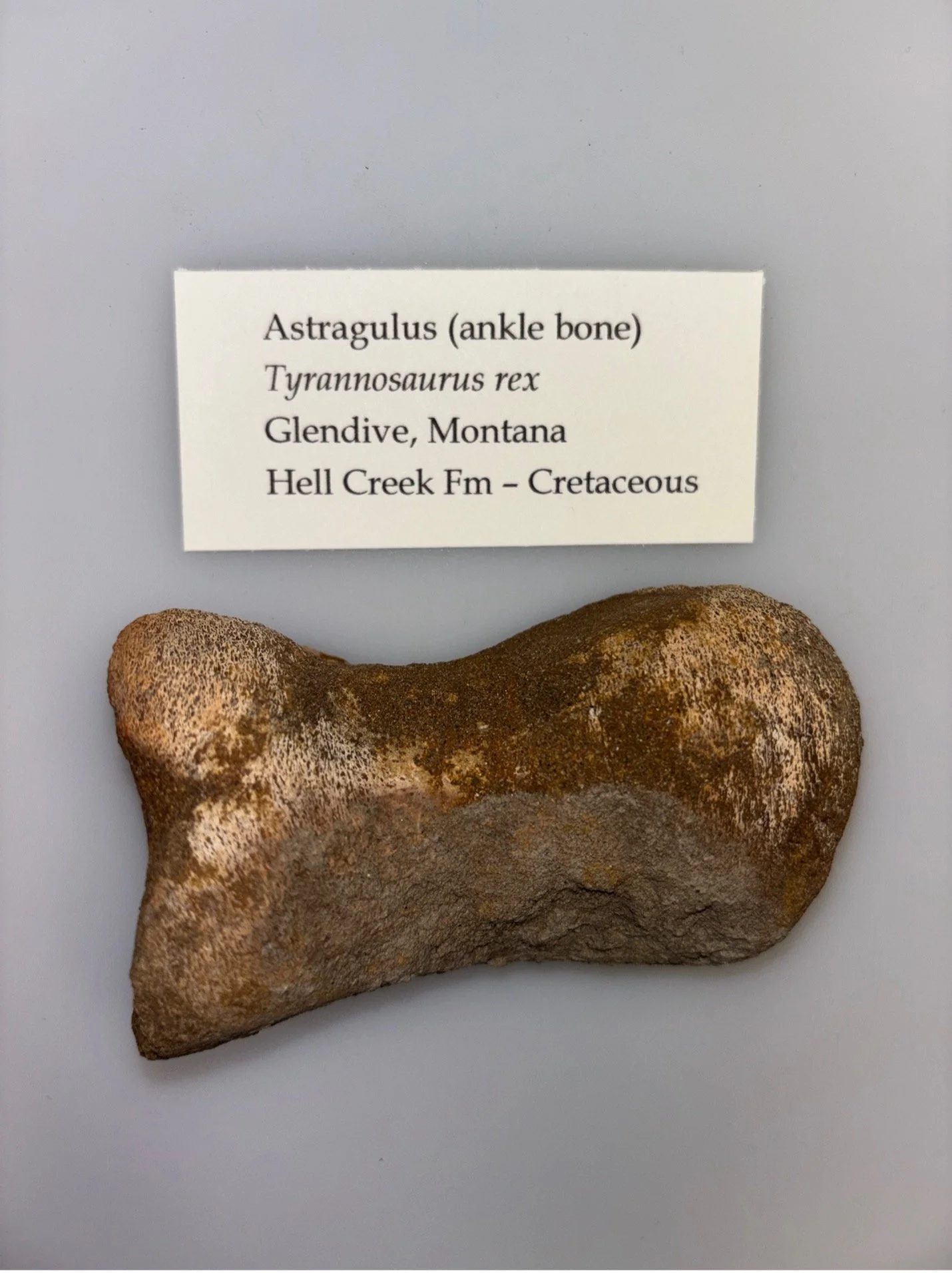
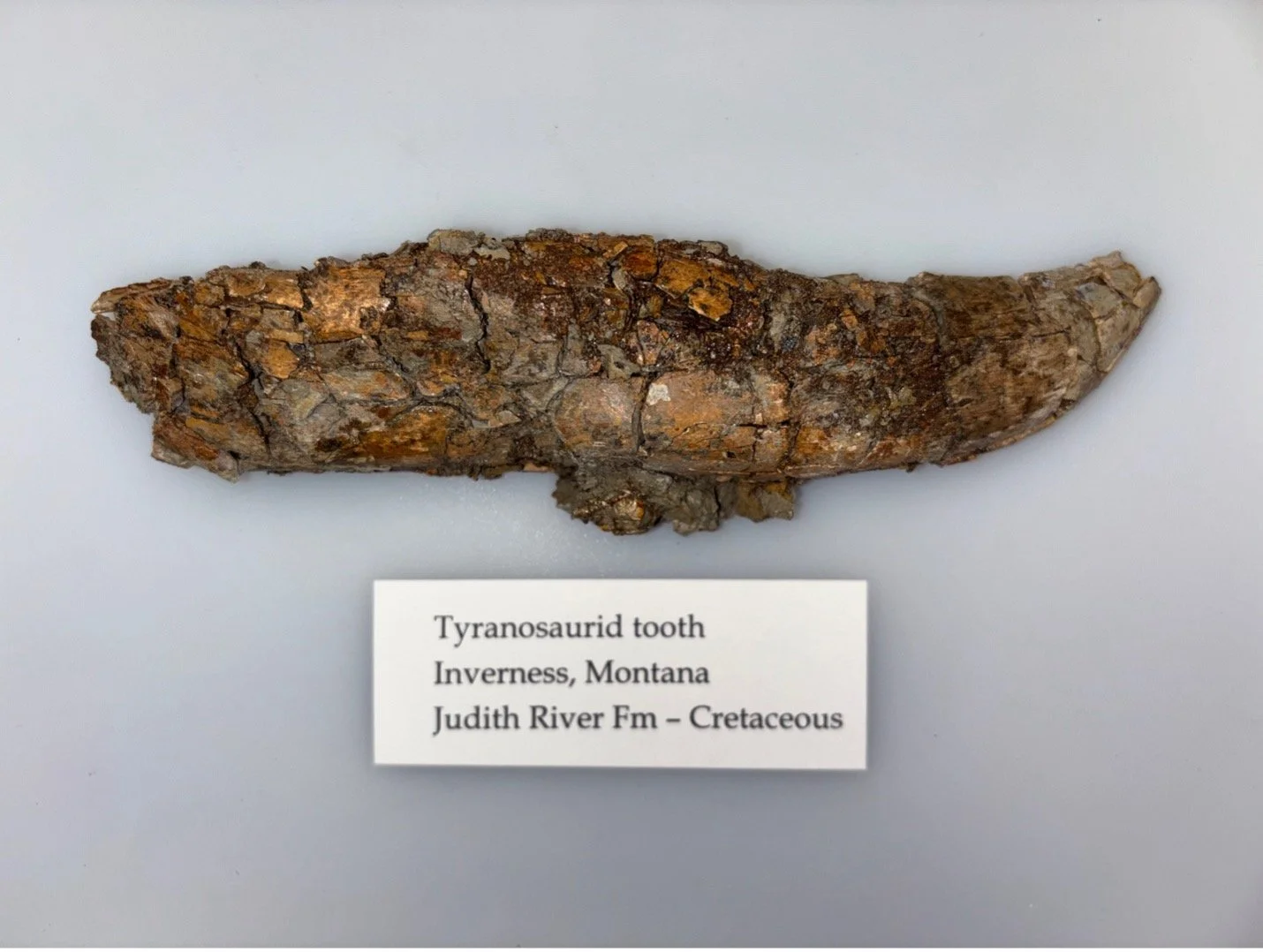
One of the most famous and beloved dinosaurs, the Tyrannosaurus Rex, was the king of Hell Creek back during the late Cretaceous. Its name translates to “king of the tyrant lizards”, which it earned by being the biggest theropod (12 feet tall and 40 feet long) and possessing the greatest bite force of any land animal ever (8,000 – 12,800 lbs. per square inch). The T. Rex is often noted for its large head full of long sharp teeth which was ideal for taking big bites out of its big prey like the Triceratops or Edmontosaurus. Its small arms are also cause for conversation; some scientists think their small (approx. 3 feet) arms were a trade off for its large head, which was much more useful than long arms would have been considering its very large prey items. It is also possible that T. Rexes simply ‘grew out’ of their arms, as younger T. Rex specimens have for more proportional limbs.
At Earth Experience, you can see a full-scale T. Rex model named Frank and get a feel for just how big these tyrants were.
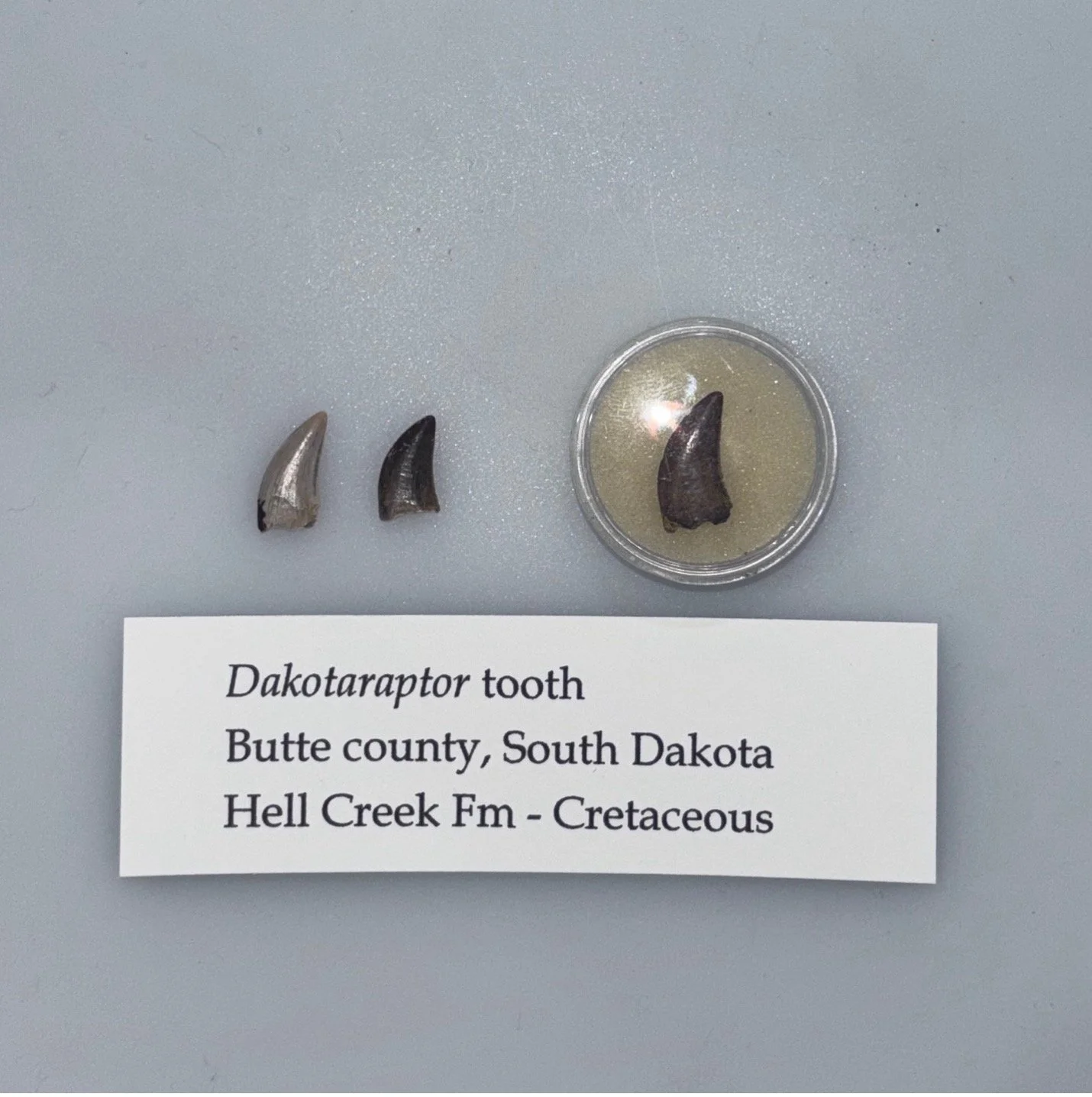
Dakotaraptor was a mid-sized carnivorous theropod dinosaur discovered in the South Dakota region of the Hell Creek Formation. At an estimated 16 feet in length from nose to long feathered tail, the Dakotaraptor bridges the gap between the gigantic tyrannosaurids like the T. Rex and smaller theropods like the Pectinodon. The Dakotaraptor is the second largest raptor species discovered, only dwarfed by the Utahraptor.
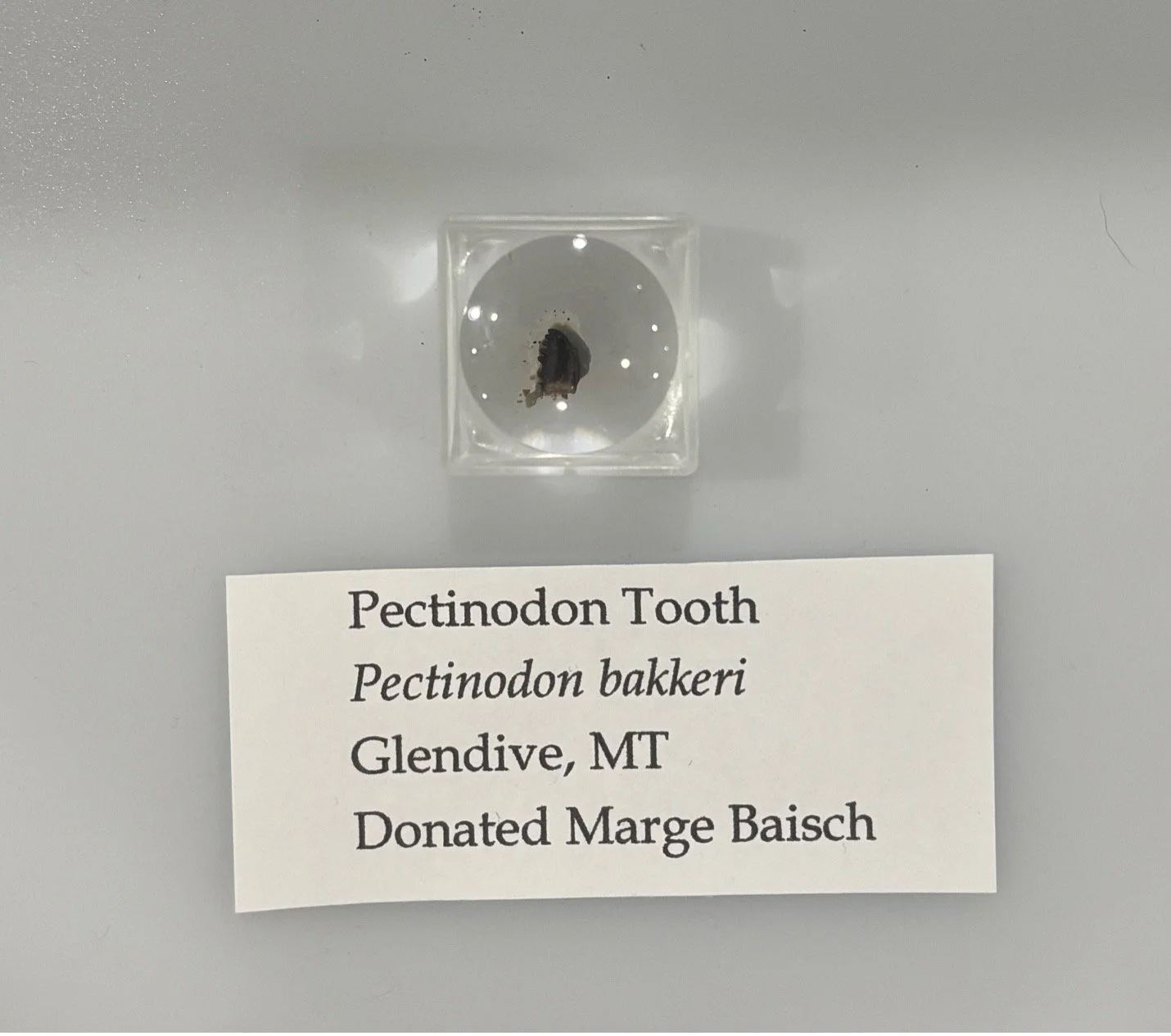
Pectinodon bakkeri was a small bird-like dinosaur in the theropod family. Little is known for certain about the Pectinodon due to scant fossil evidence aside from the animal’s comb-like teeth. By comparing the teeth to other small theropods, it is assumed that Pectinodons was a small, agile, feathered predator. Its few fossils have largely come from the Lance Formation in Wyoming.
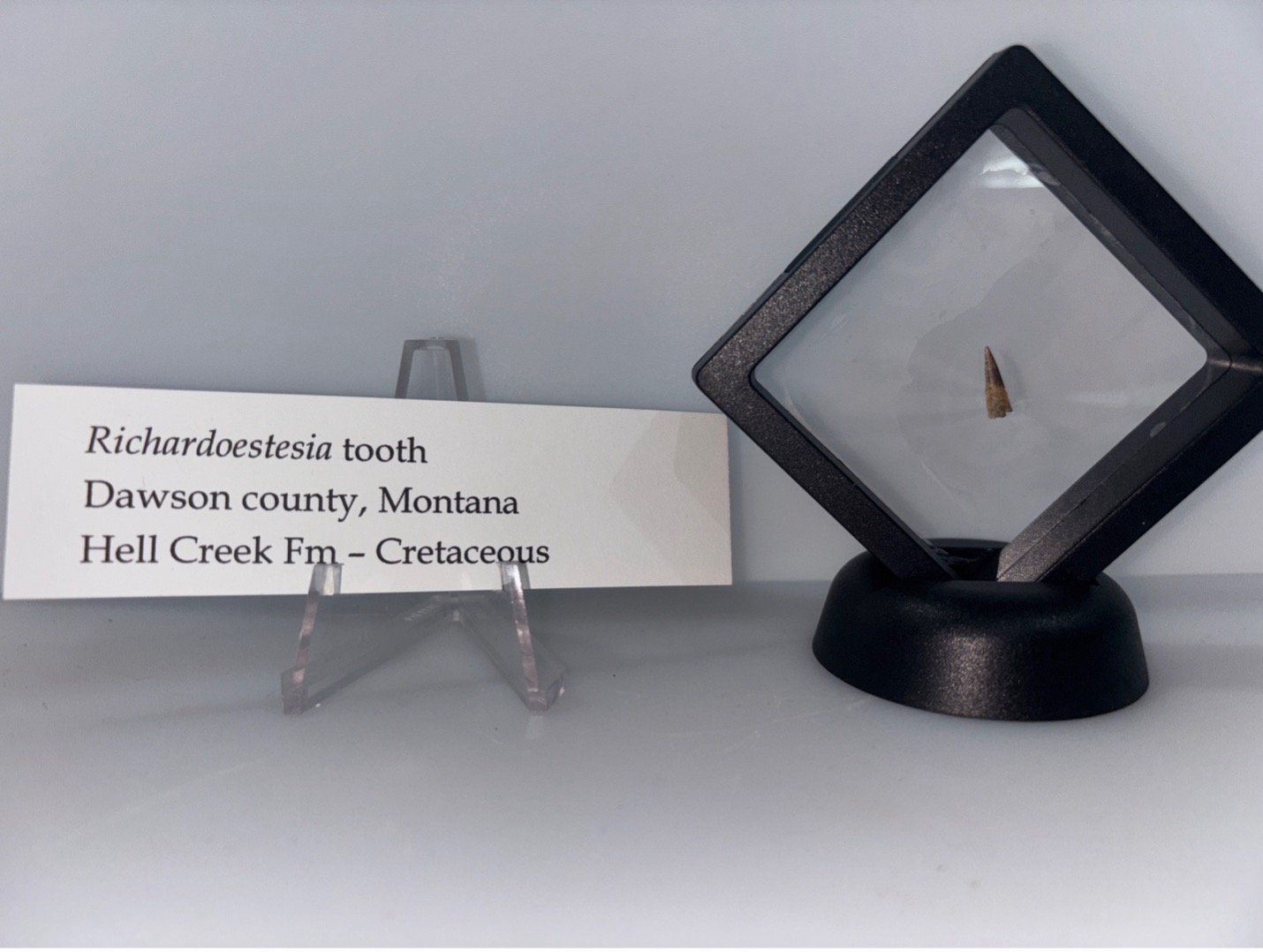
Little is known about the Richardoestesia because there has not been a lot of fossil evidence for this morphogenus. What is known about this group comes from fossil teeth like the one pictured here, which have been found in Southern Canada, Northwest United States, and even in some locations in Asia and Europe. From the teeth found, scientists believe this group of dinosaurs were therapods and carnivorous. More fossil evidence needs to be found before more conclusions can be drawn about this mysterious group.
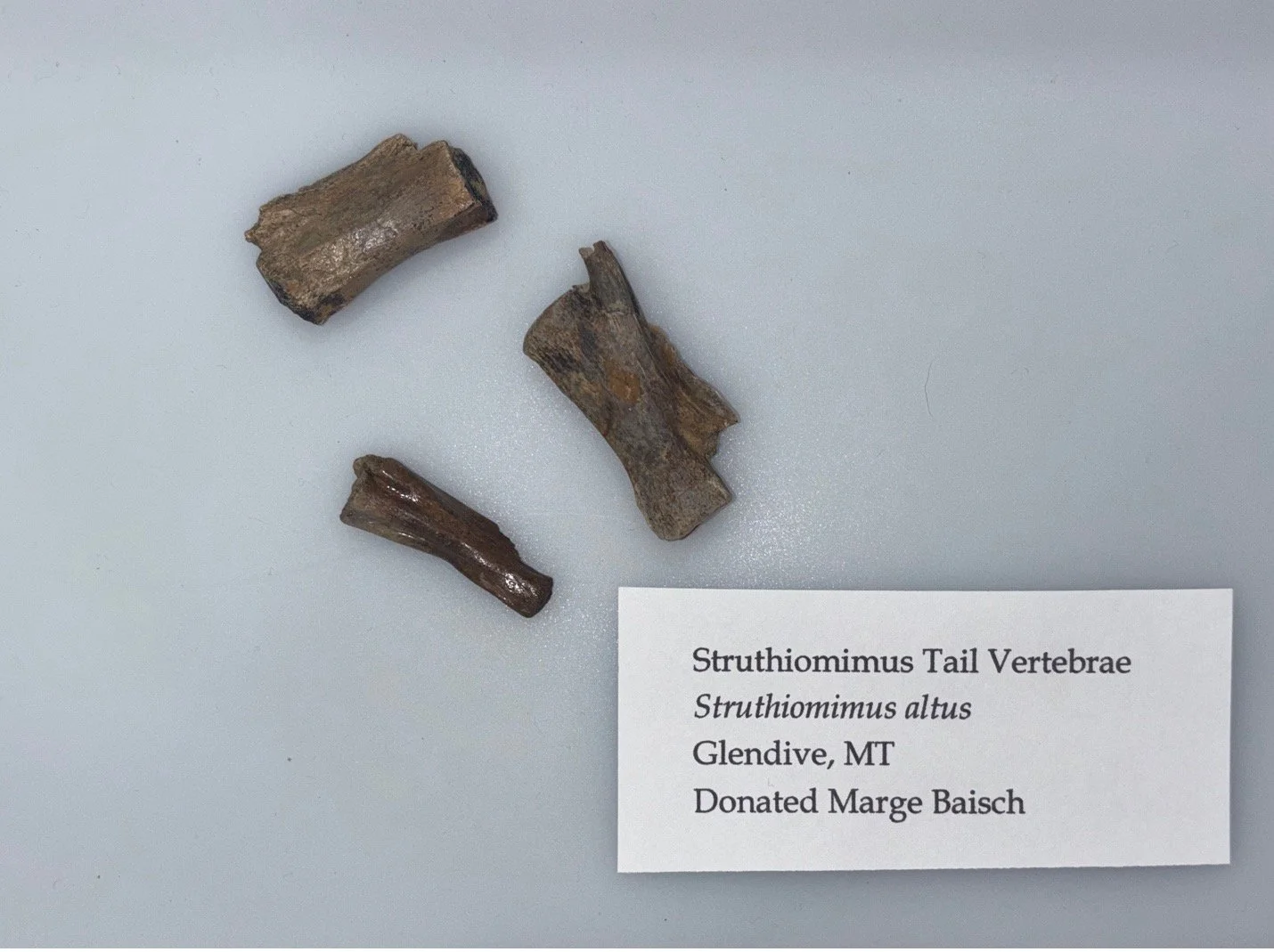
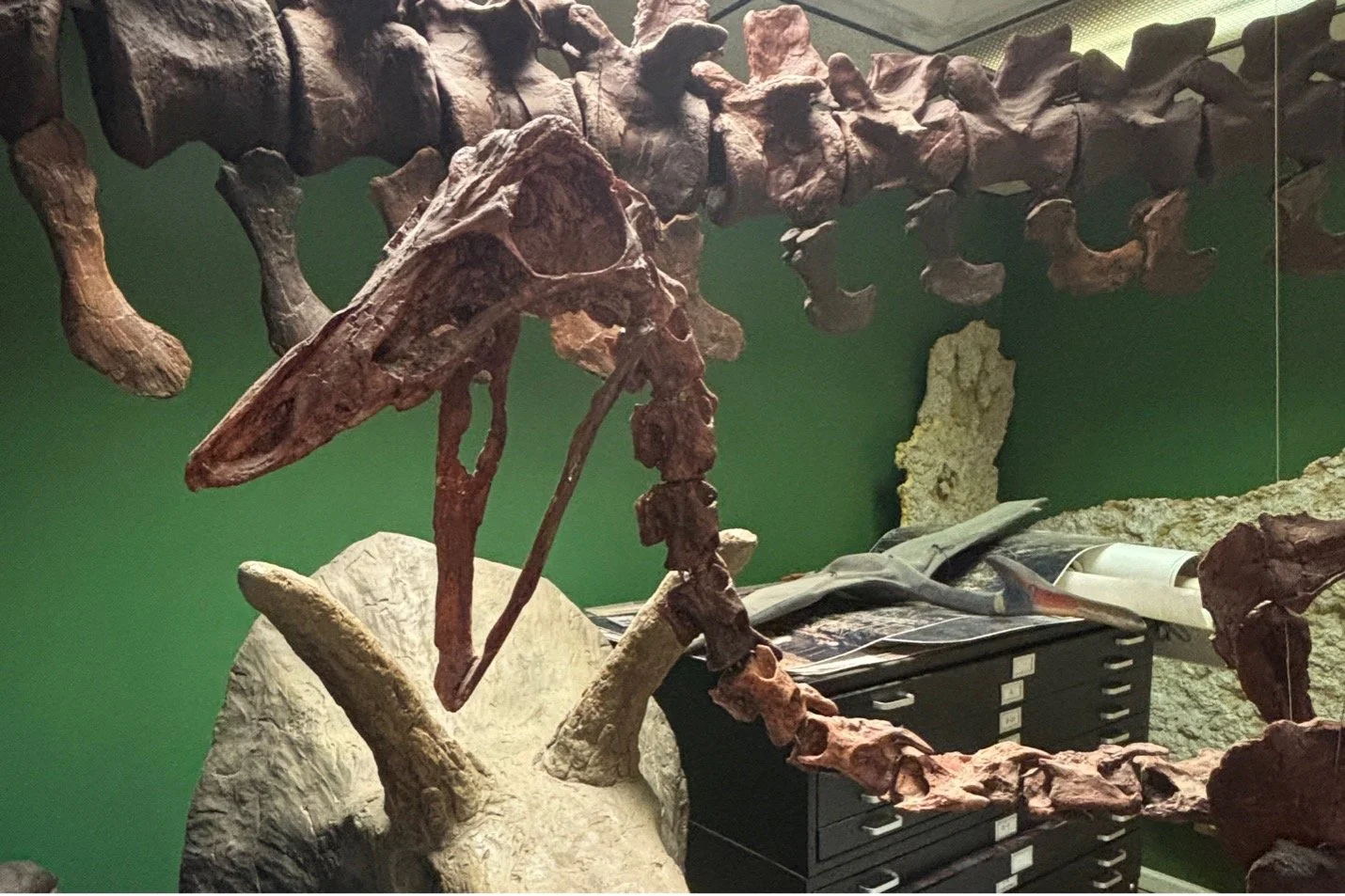
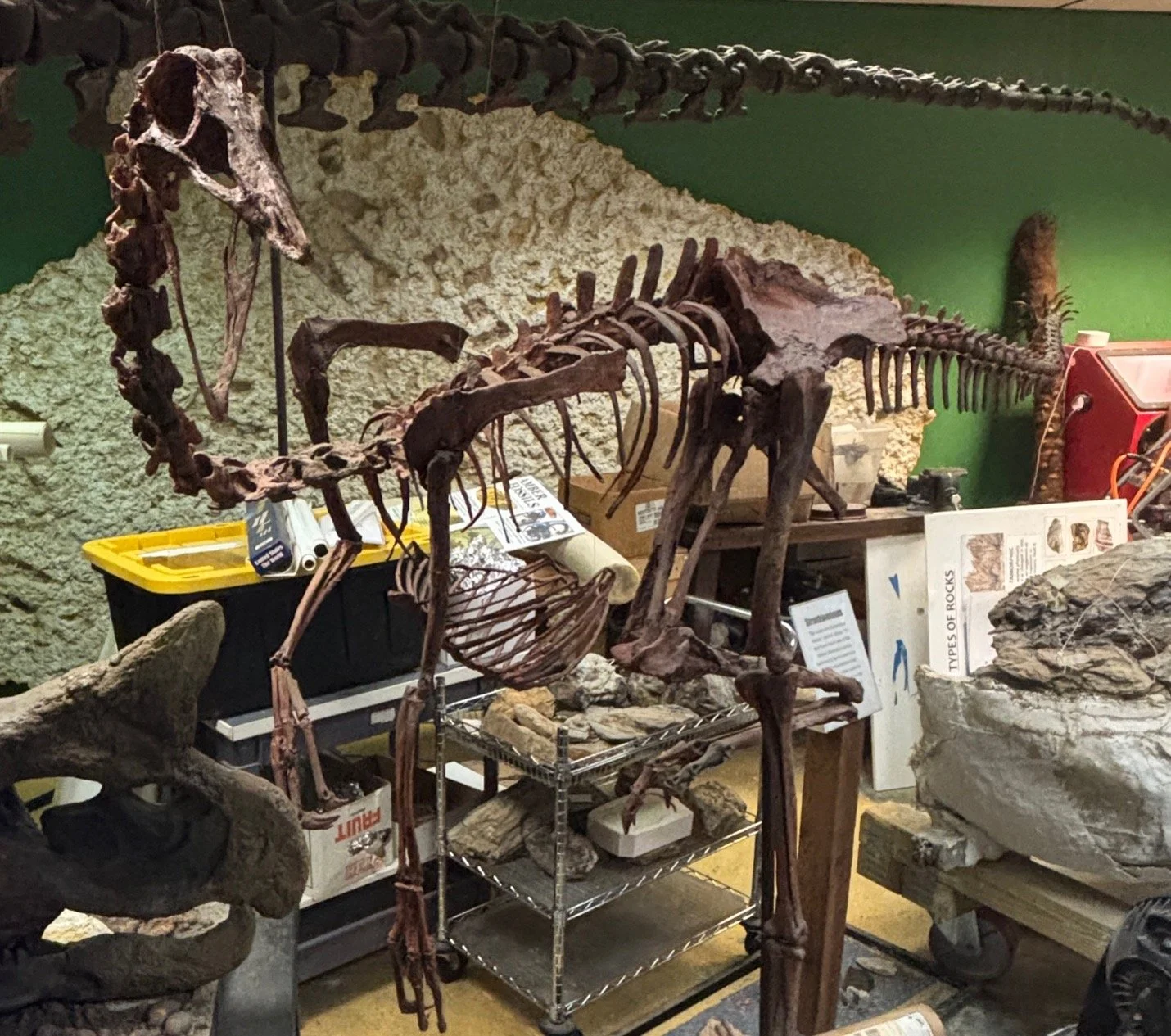
Struthiomimus was a mid-sized theropod dinosaur (about 13 feet from beak to tail). The name Struthiomimus literally translates to “ostrich mimic”, which is an apt name, as this dinosaur heavily resembles modern flightless birds. Besides its ostrich-like appearance, the Struthiomimus is perhaps best known for its estimated speed. Scientists think these animals could run 30-50 miles per hour, similar to modern Grizzly Bears, Lions, and conveniently, ostriches.
(Late Cretaceous)
Velociraptors have been heavily featured in the Jurassic Park and Jurassic World sagas and are depicted as scaly, mid-sized terrors of the dinosaur world. This depiction is not strictly accurate, at least in regard to appearance. Velociraptors were considerably smaller than you might think (3 feet tall and 5 feet long) and possessed feathers much like their modern bird relatives. Velociraptors, like all raptors, had a large specialized tow claw on each foot which they would have used to hold down prey, similar to modern predator birds.
No results match your search. Try removing a few filters.