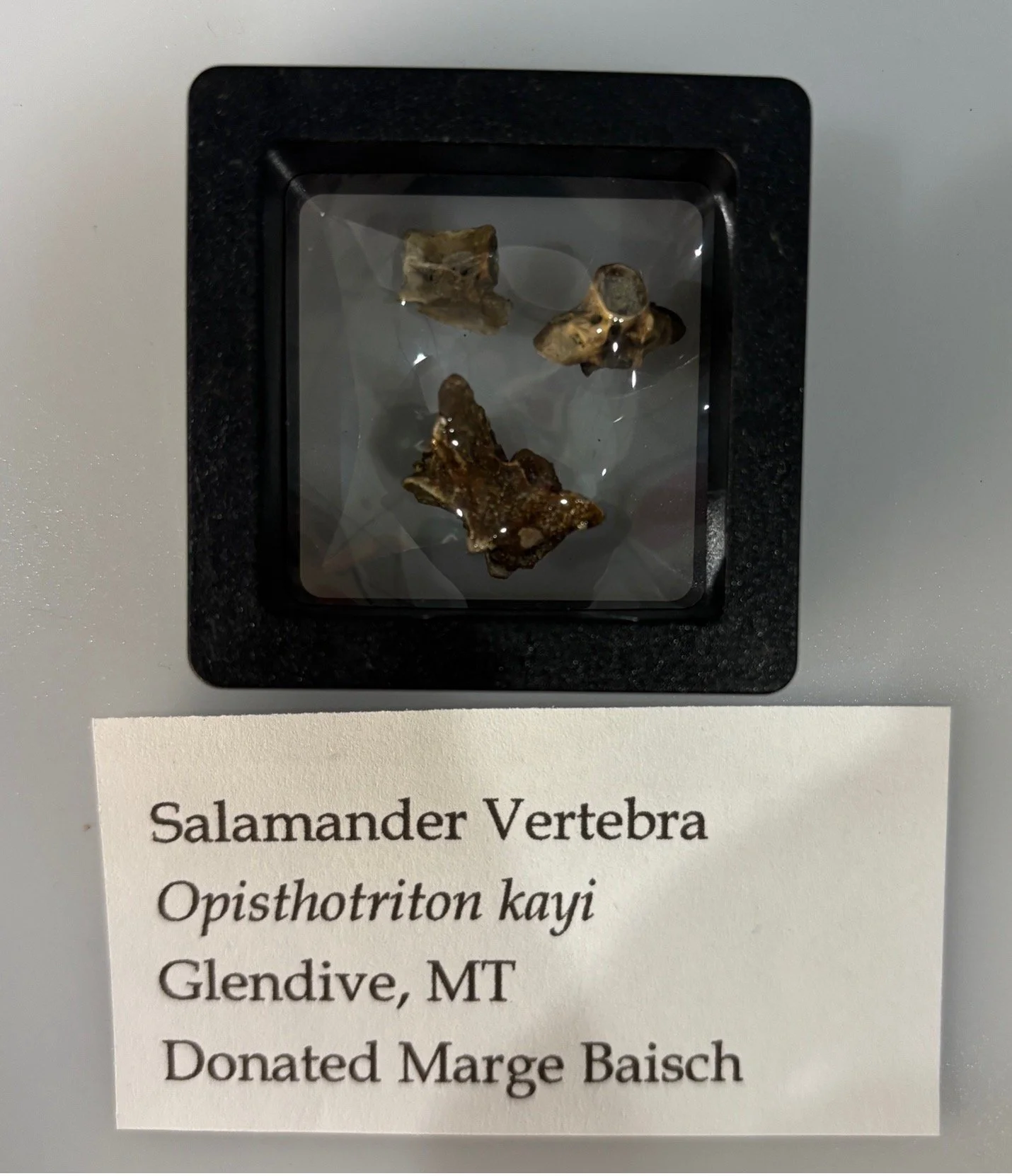
Eryops was a temnospondyl (precursor to amphibians) that first developed during the Carboniferous (Pennsylvanian period) and persisted until the early Permian. The Eryops was a squat, rotund amphibious animal that walked on all fours. It ate fish, smaller amphibians, and arthropods. The Eryops had a large, flat head with strong jaws which made it an effective hunter.


The Metaposaur was a large temnospondyl (precursors to modern amphibians) that lived across Pangaea during the Triassic period. The Metaposaur lived most of its life in water as it possessed small, weak limbs and a large, flat head with needle-like teeth perfect for catching fish. Fossils of Metaposaurs are sometimes found in groups, leading paleontologists to believe that they were gathered in lakebeds and died from the lakes drying out during drought.
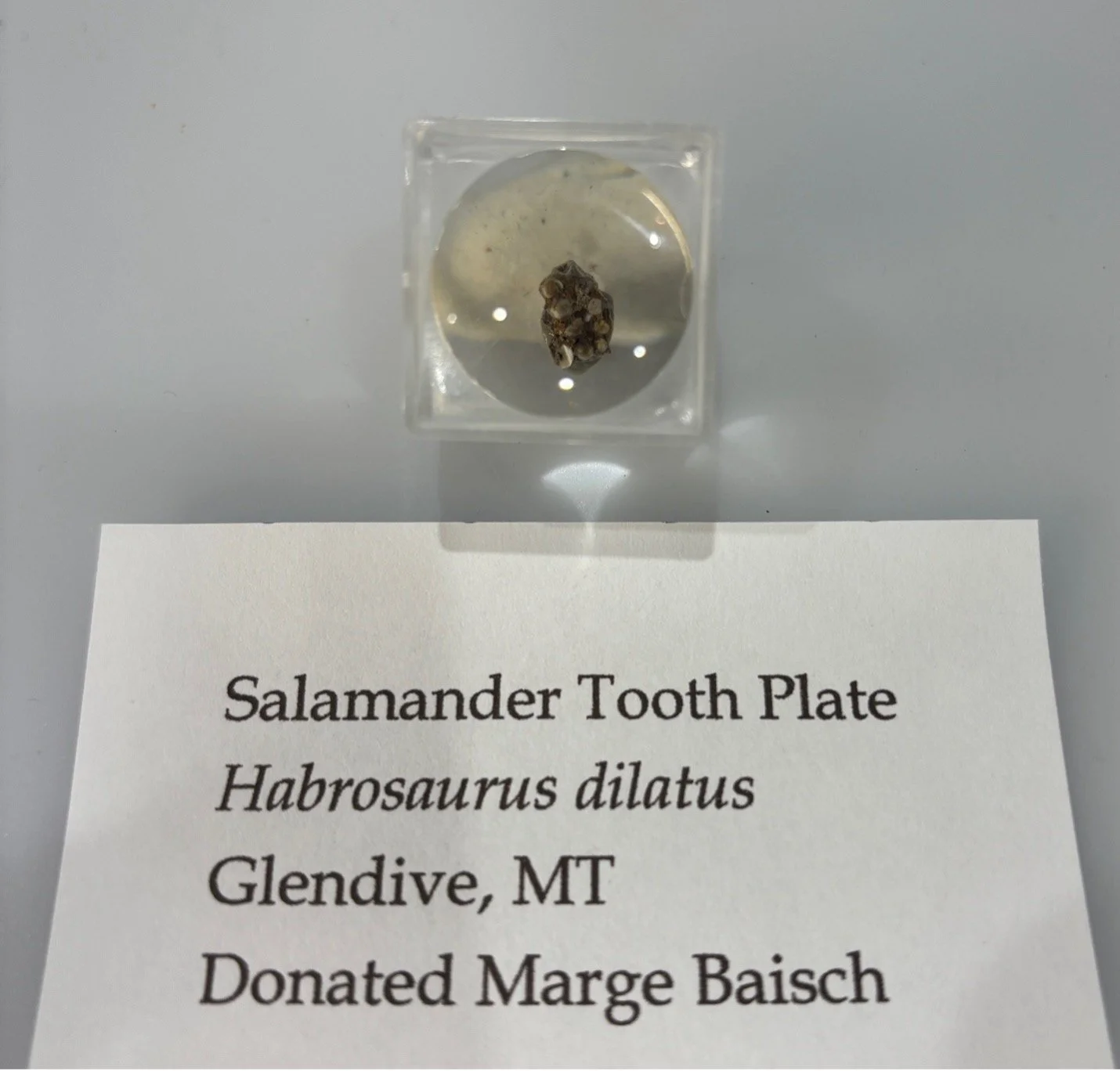
Habrosaurus dilates is an extinct type of salamander whose fossils are commonly found in the Lance and Hell Creek Formations in the Western United States and Southern Part of Canada. It was about the size of a modern Hellbender salamander and munched on small, shelled animals like crayfish or snails. Habrosaurus dilates was one of the lucky species that survived the K-pg Impact extinction event.
No results match your search. Try removing a few filters.