The Sauropod family is mainly comprised of quadrupedal (walking on four feet), slow moving, long-necked dinosaurs. Sauropods are known for their calm and generally pacifistic demeanor, and were generally herbivorous. Sauropods species came in a wide range of sizes from the diminutive Ohmdenosaurus, which only grew about 13 feet long to the biggest of the Titanosaurs like the Patagotitan mayorum which grew up to a whopping 121 feet long (that’s longer than a blue whale).
Sauropods were big eaters, requiring literal tons of fresh vegetation per day to survive. Their long necks allowed them to reach leaves from tall trees and low growing shrubbery before swallowing their food without stopping to chew it. Their long necks also helped them keep an eye out for predators. Fossil evidence also suggests that sauropods moved in herds and utilized a somewhat complex social structure arranged by age. A site of Mussaurus patagonicus fossils showed evidence of communal egg-laying grounds as well as proof that juveniles congregated into ‘schools’ while adults grazed near the herd alone or in pairs.


(Late Jurassic)
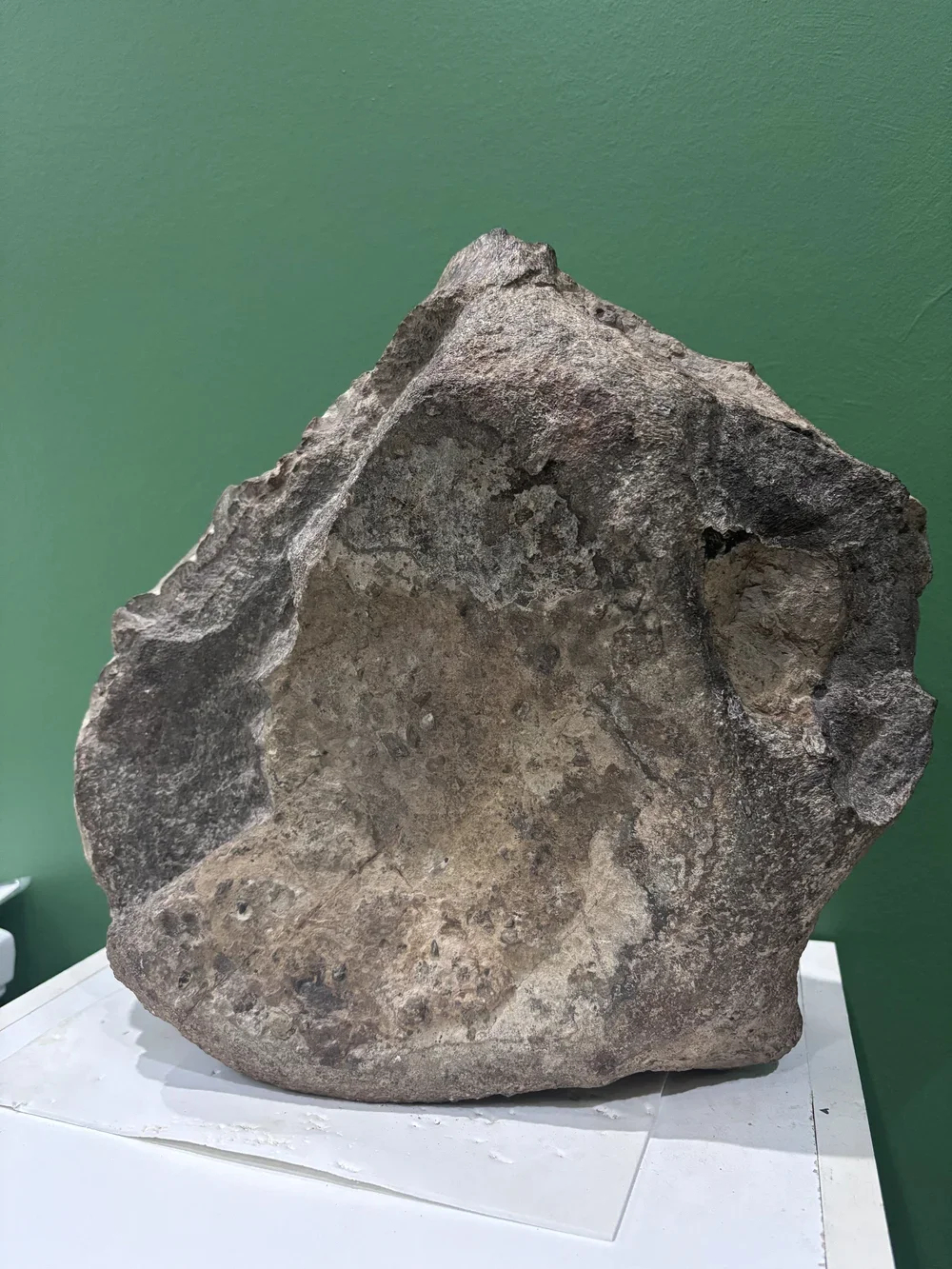
The Brachiosaurus was a large sauropod dinosaur from the late Jurassic famous for its long, upright neck. Brachiosaurus were herbivorous and likely moved in herds which helped keep them safe from predators. They used their high vantage point to keep an eye out for danger and to access vegetation that grew higher up in the trees. They ate hundreds of pounds of leaves, branches, and other plant matter a day to sustain their large size. It is theorized that a Brachiosaurus could live around 100 years due to its size and slow-moving lifestyle.
Pictured here is the centrum of a Brachiosaurus vertebra.


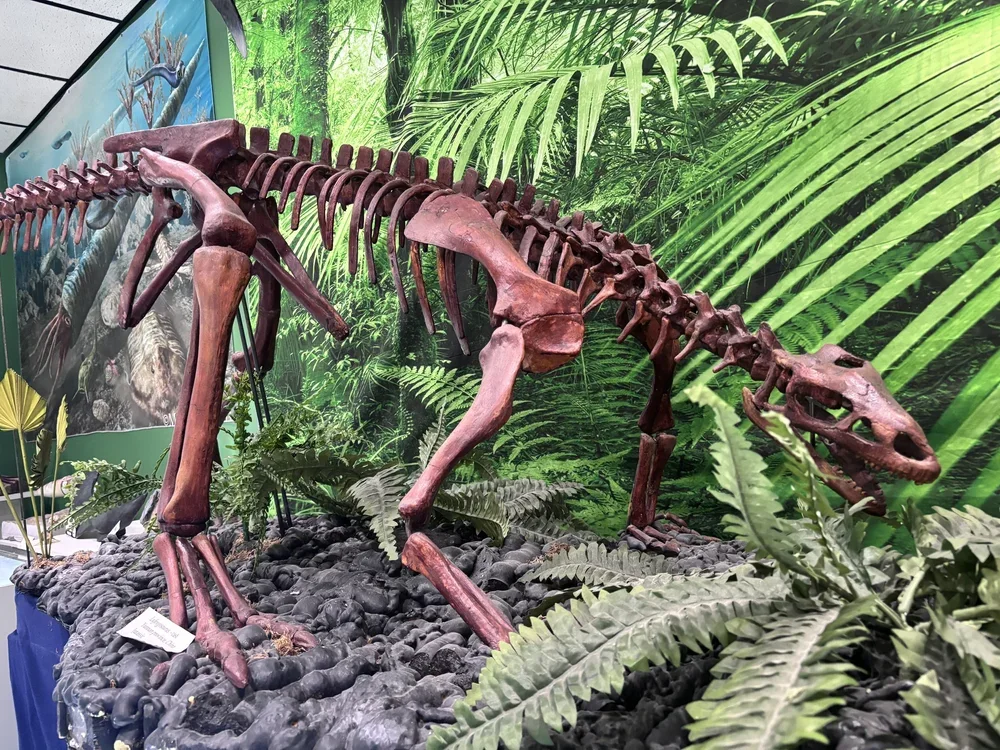
The Lufengosaurus was a relative to the larger sauropods like Brachiosaurs but was smaller with a shorter neck and tail. Despite their smaller size (about 30 feet from nose to tail), they were still able to reach vegetation from the trees by standing up on their hind legs for short periods of time.


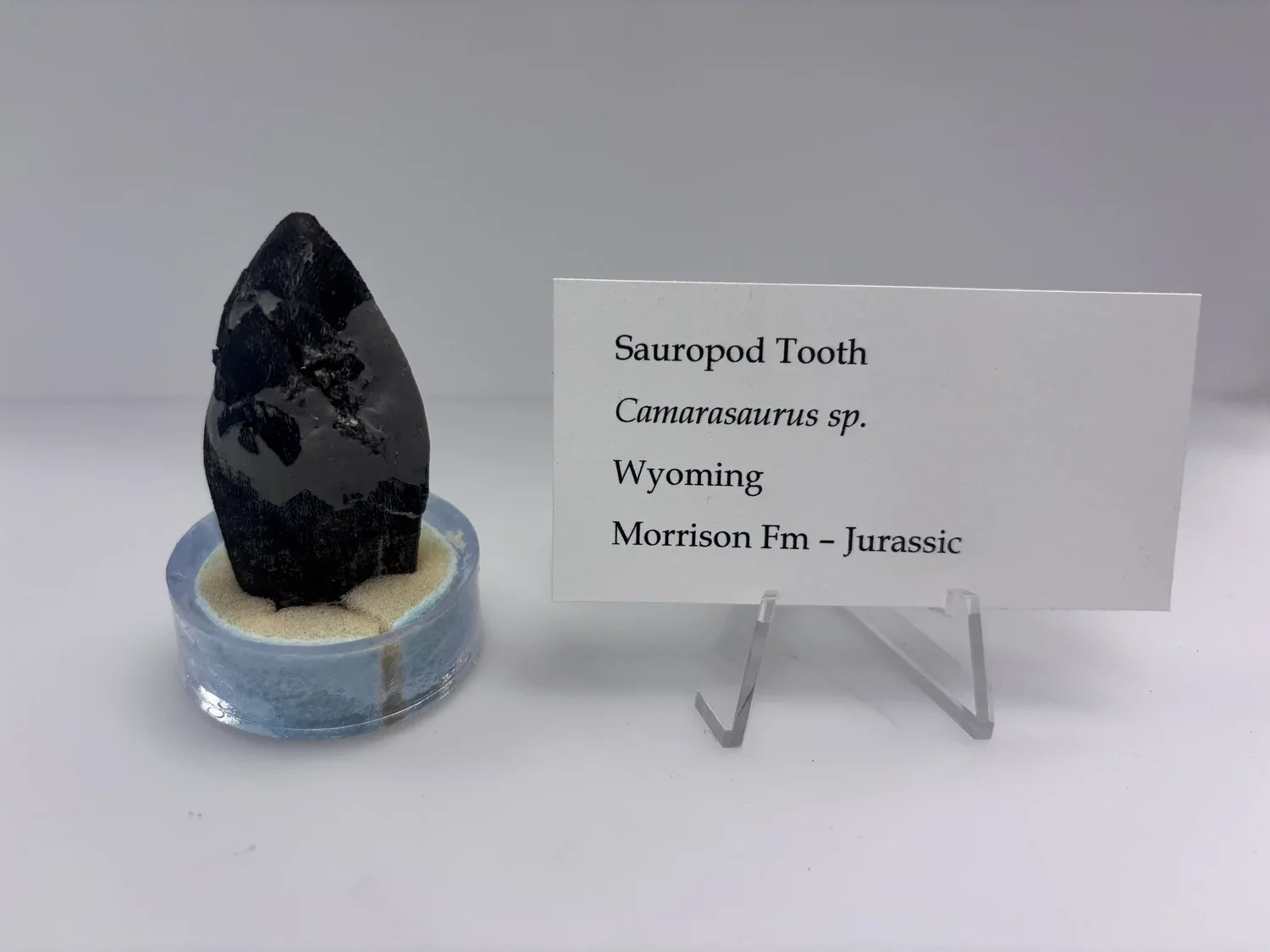
The Camarasaurus was a medium to large sauropod genus from North America. The name Camarasaurus references the animal’s unique chambered vertebrae which aided in its respiratory system. The Camarasaurus had a slightly shorter neck and tail relative to other sauropods and had a boxy head and powerful jaw. It is believed that Camarasaurus’ bite force was among the strongest of all the sauropods and was used to break twigs and eat tough conifers.

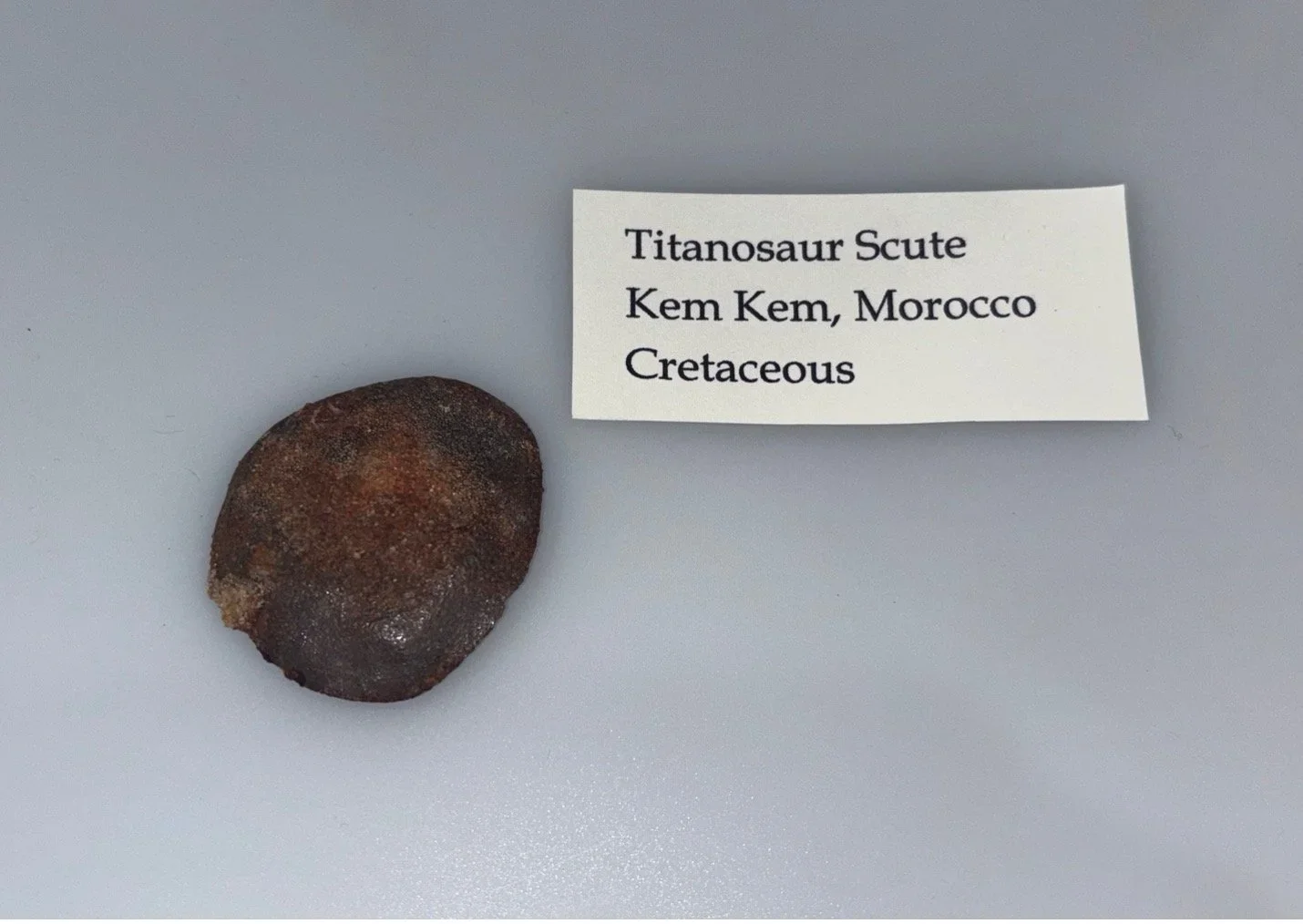
Titanosaurs were a group of large, long-necked dinosaurs in the Sauropod family that contained the largest land animals the world has ever seen. Even the smallest Titanosaurs were huge, growing about 23 feet long and weighing about 11 tons (22,000 lbs.) Amongst the largest Titanosaurs, Patagotitan mayorum could grow to 137 feet and weighed 70-77 tons (about as heavy as 10 to 14 African Elephants). Suffice it to say, these things were big.
Titanosaurs were widespread and their fossils have been found on all continents (even antarctica!), but the largest species lived primarily in modern Patagonia (hence the name Patagotitan) and Argentina.
No results match your search. Try removing a few filters.