0
Skip to Content
Earth Experience Museum
Home
About
Events
Contact
Bring a Group
Rocks and Minerals
Fossils by Time Period
Fossil Database
Solnhofen Limestone
Hell Creek Formation
Green River Formation
Coon Creek Formation
The Basics of Paleontology
History of Paleontology
Major Extinction Event Guide
Western Interior Seaway
DONATE
Home
About
Events
Contact
Bring a Group
Folder: Explore Our Collection
Back
Rocks and Minerals
Fossils by Time Period
Fossil Database
Folder: Formations on Display
Back
Solnhofen Limestone
Hell Creek Formation
Green River Formation
Coon Creek Formation
Folder: More to Explore
Back
The Basics of Paleontology
History of Paleontology
Major Extinction Event Guide
Western Interior Seaway
DONATE
basil.jpg

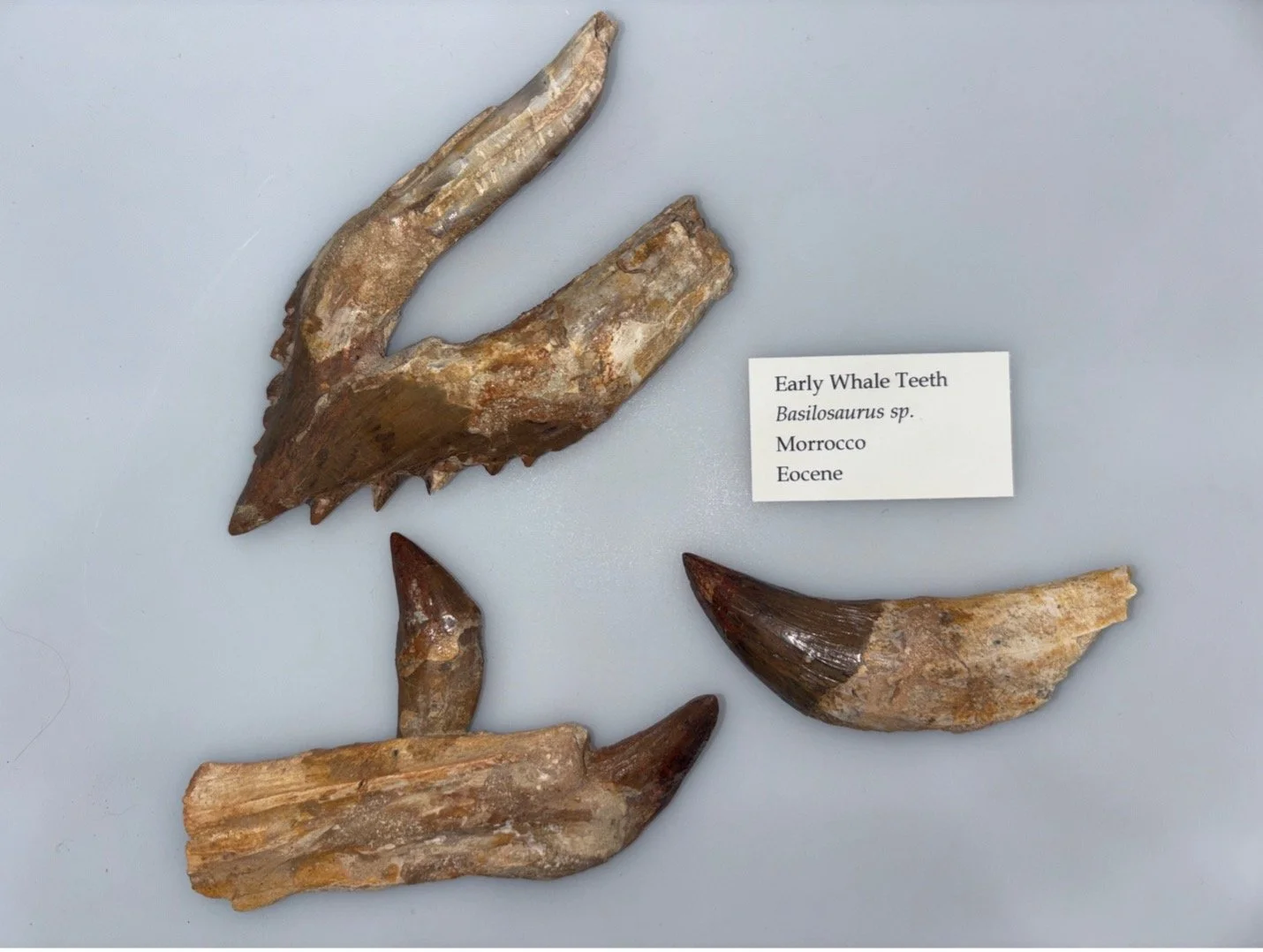
Basilosaurus

$0.00

Ancient Whale (Eocene)

The Basilosaurus was an apex predator of the Eocene seas. Despite its reptilian name, they were marine mammals like whales. It is known for its prominent and intimidating teeth, which it used to hunt fish, sharks, and likely marine mammals. The Basilosaurus was long and slender, ranging between about 50-65 feet full grown. An interesting feature of their anatomy was their vestigial hind legs, which were not even attached to the skeleton and completely useless to the animal itself. Those legs do, however, tell paleontologists more about whale evolution, proving that whales’ ancestors once walked on land before returning to the water.

Middle Tennessee Museum of Natural History

816 Old Salem Road
Murfreesboro, TN
(615) 900-8358

About
Contact
Events

© Earth Experience Museum 2020 - Designed by Fostered Designs