0
Skip to Content
Earth Experience Museum
Home
About
Events
Contact
Bring a Group
Rocks and Minerals
Fossils by Time Period
Fossil Database
Solnhofen Limestone
Hell Creek Formation
Green River Formation
Coon Creek Formation
The Basics of Paleontology
History of Paleontology
Major Extinction Event Guide
Western Interior Seaway
DONATE
Home
About
Events
Contact
Bring a Group
Folder: Explore Our Collection
Back
Rocks and Minerals
Fossils by Time Period
Fossil Database
Folder: Formations on Display
Back
Solnhofen Limestone
Hell Creek Formation
Green River Formation
Coon Creek Formation
Folder: More to Explore
Back
The Basics of Paleontology
History of Paleontology
Major Extinction Event Guide
Western Interior Seaway
DONATE
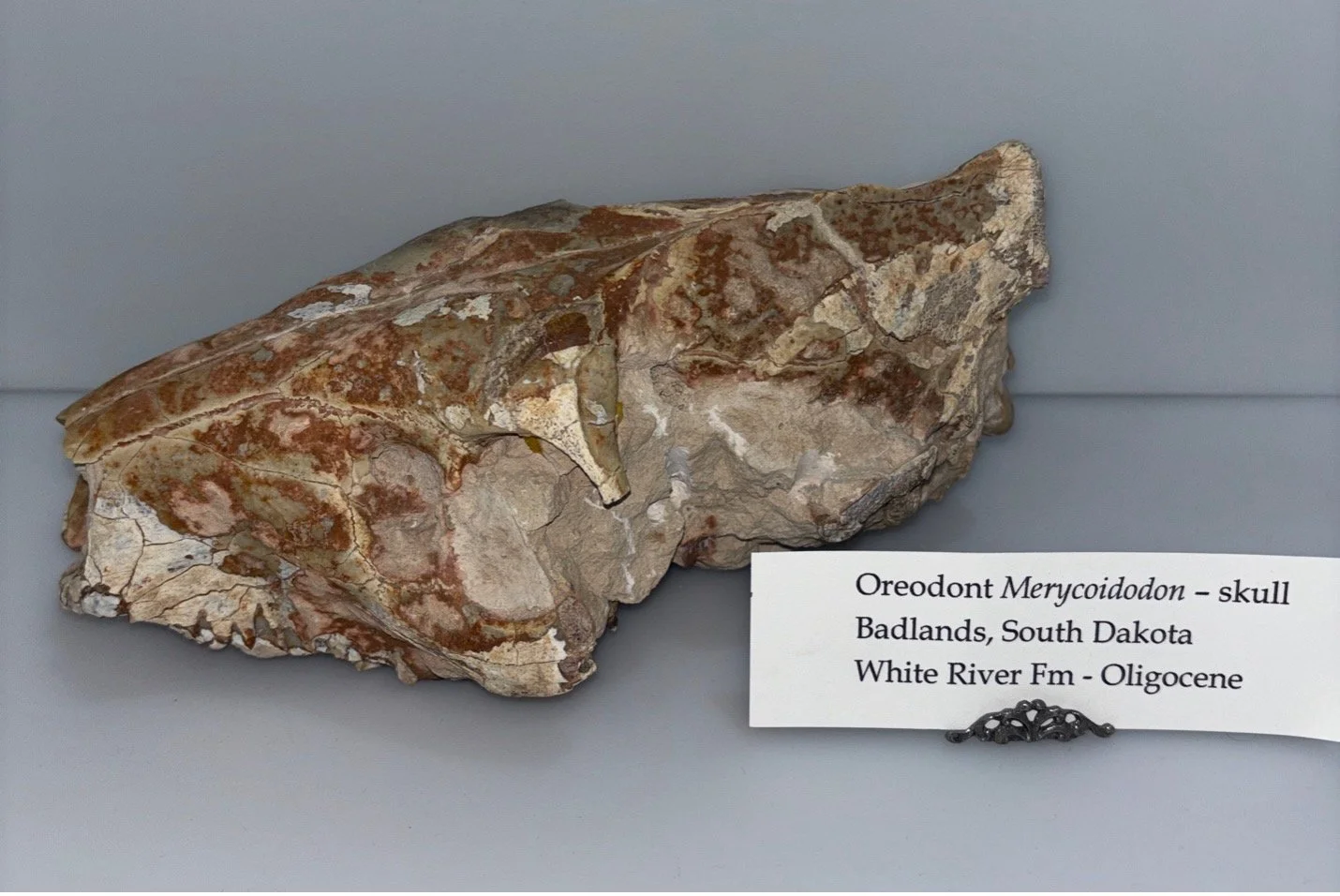
oreo 1.jpg
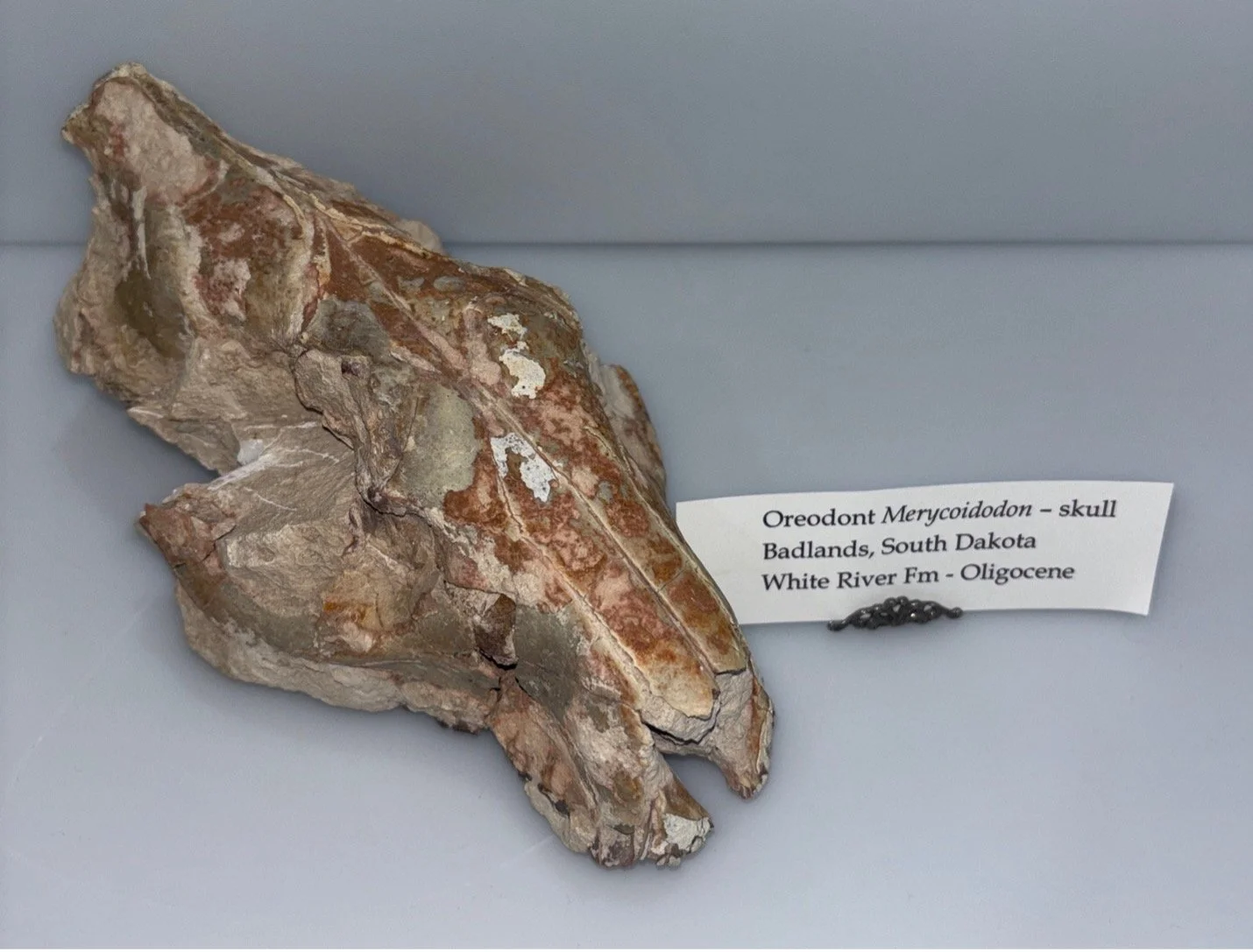
oreo 2.jpg

Oreodont

$0.00

Merycoidodon (Early Eocene- Late Miocene)

Merycoidodon, or more commonly known as Oreodonts, were grazing mammals that resembled pigs or sheep. They are famous both for their teeth (the name Oreodont translates to “mountain teeth”) and the sheer number of their fossils that people have found. Oreodont populations were outlandishly abundant, so much so that their fossils are a common find in places like Badlands National Park. They moved in herds, which protected them from predators like saber-tooth cats. Despite their numbers, they were not adaptable to changes in food availability and went extinct as a result of major climate change and being outcompeted by other foraging species.

Middle Tennessee Museum of Natural History

816 Old Salem Road
Murfreesboro, TN
(615) 900-8358

About
Contact
Events

© Earth Experience Museum 2020 - Designed by Fostered Designs