0
Skip to Content
Earth Experience Museum
Home
About
Events
Contact
Bring a Group
Rocks and Minerals
Fossils by Time Period
Fossil Database
Solnhofen Limestone
Hell Creek Formation
Green River Formation
Coon Creek Formation
The Basics of Paleontology
History of Paleontology
Major Extinction Event Guide
Western Interior Seaway
DONATE
Home
About
Events
Contact
Bring a Group
Folder: Explore Our Collection
Back
Rocks and Minerals
Fossils by Time Period
Fossil Database
Folder: Formations on Display
Back
Solnhofen Limestone
Hell Creek Formation
Green River Formation
Coon Creek Formation
Folder: More to Explore
Back
The Basics of Paleontology
History of Paleontology
Major Extinction Event Guide
Western Interior Seaway
DONATE
IMG_9557.jpg
IMG_9558.jpg

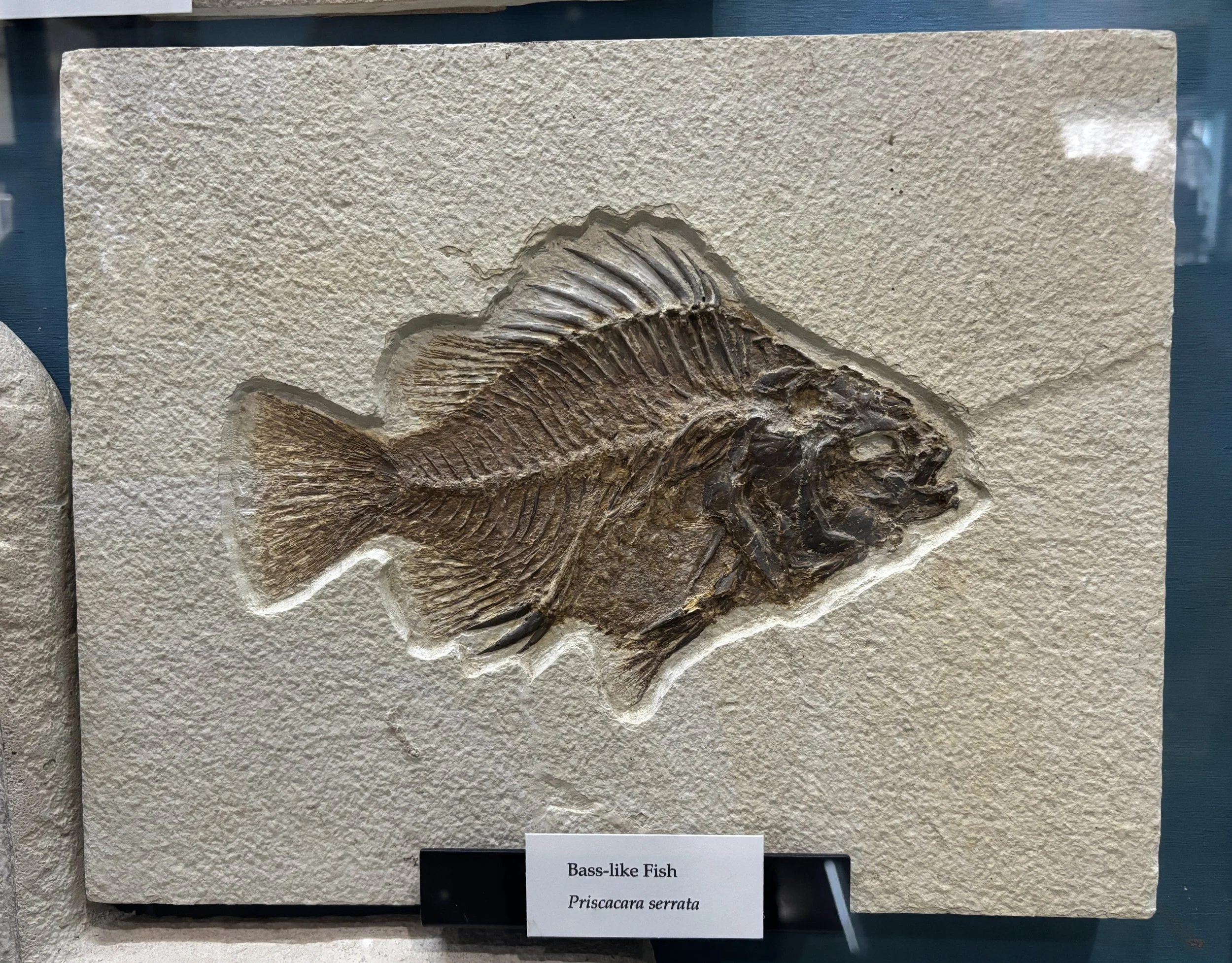
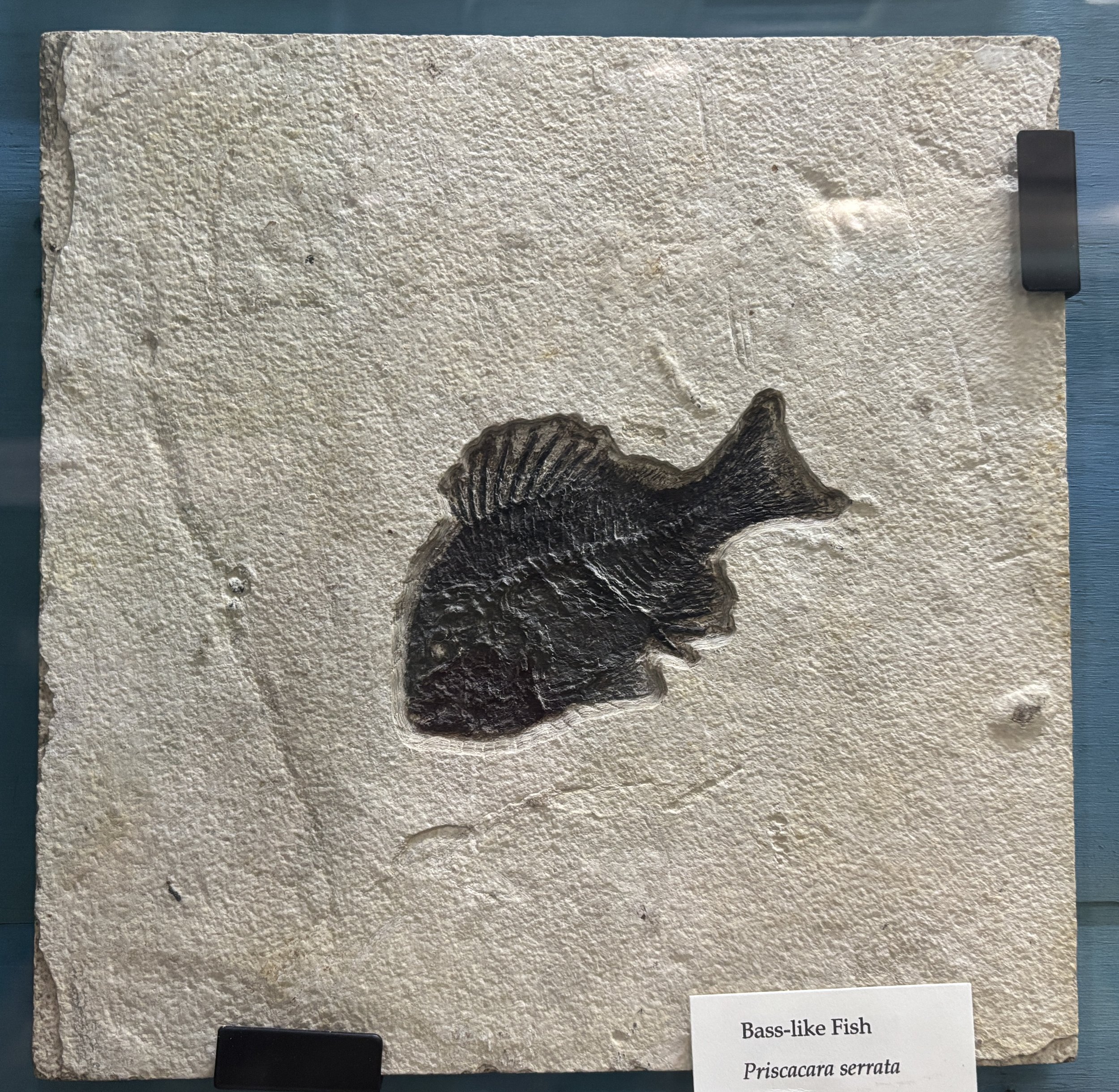
Priscacara serrata

$0.00

Bass-like Fish (Eocene)

Priscacara serrata is an extinct species of bass-like fish whose fossils are found almost exclusively in the Green River Formation located in Western United States. These fish had striking dorsal spikes that make them a favorite among fossil collectors. They grew up to 16 inches and occasionally are found with smaller fish lodged in their mouth or throats, suggesting that they had a tendency to choke on larger food items. Their primary source of food was small arthropods and mollusks and possessed tooth-pads in their throats that helped grind up the hard components of their prey.

Middle Tennessee Museum of Natural History

816 Old Salem Road
Murfreesboro, TN
(615) 900-8358

About
Contact
Events

© Earth Experience Museum 2020 - Designed by Fostered Designs