
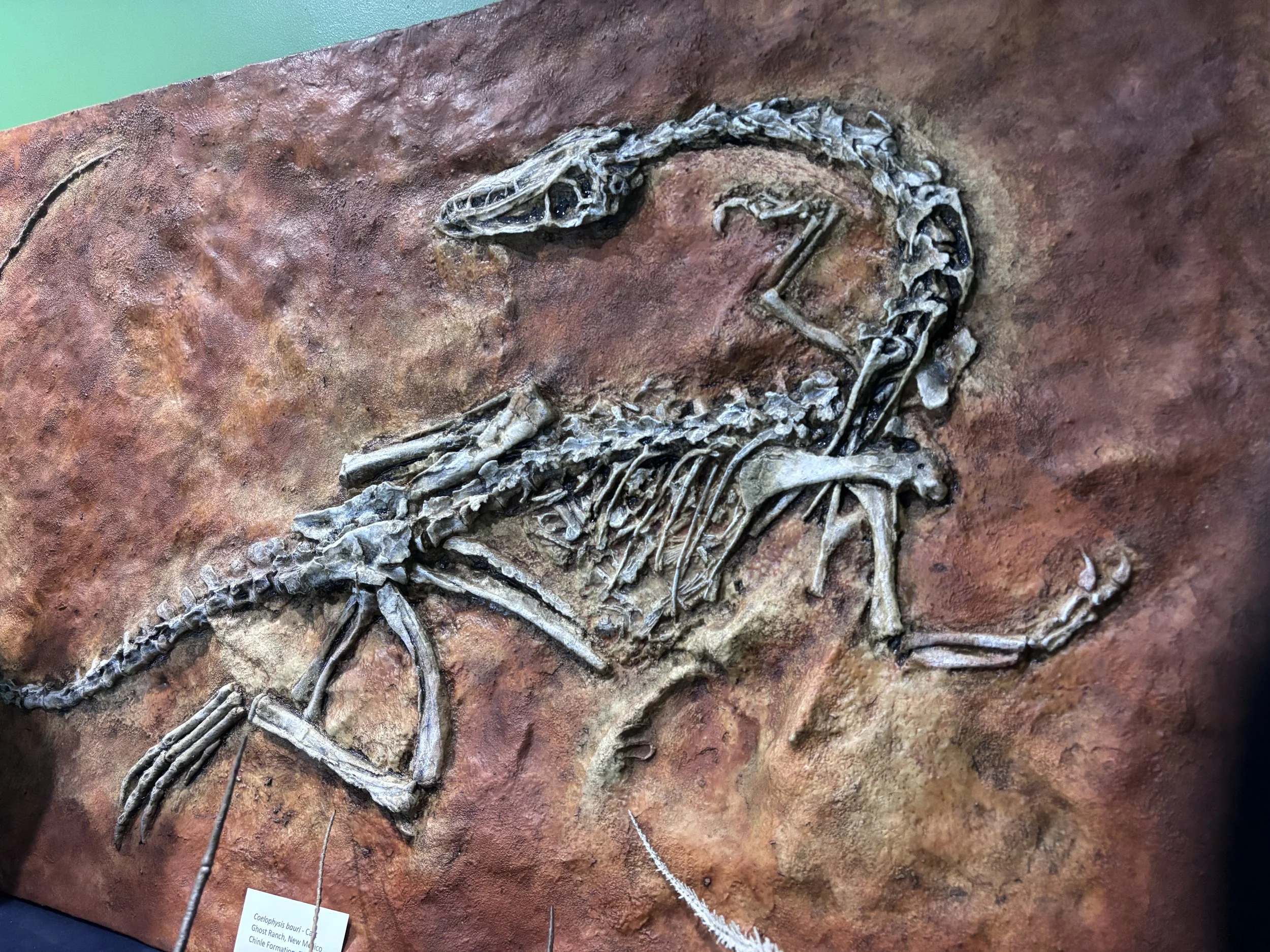
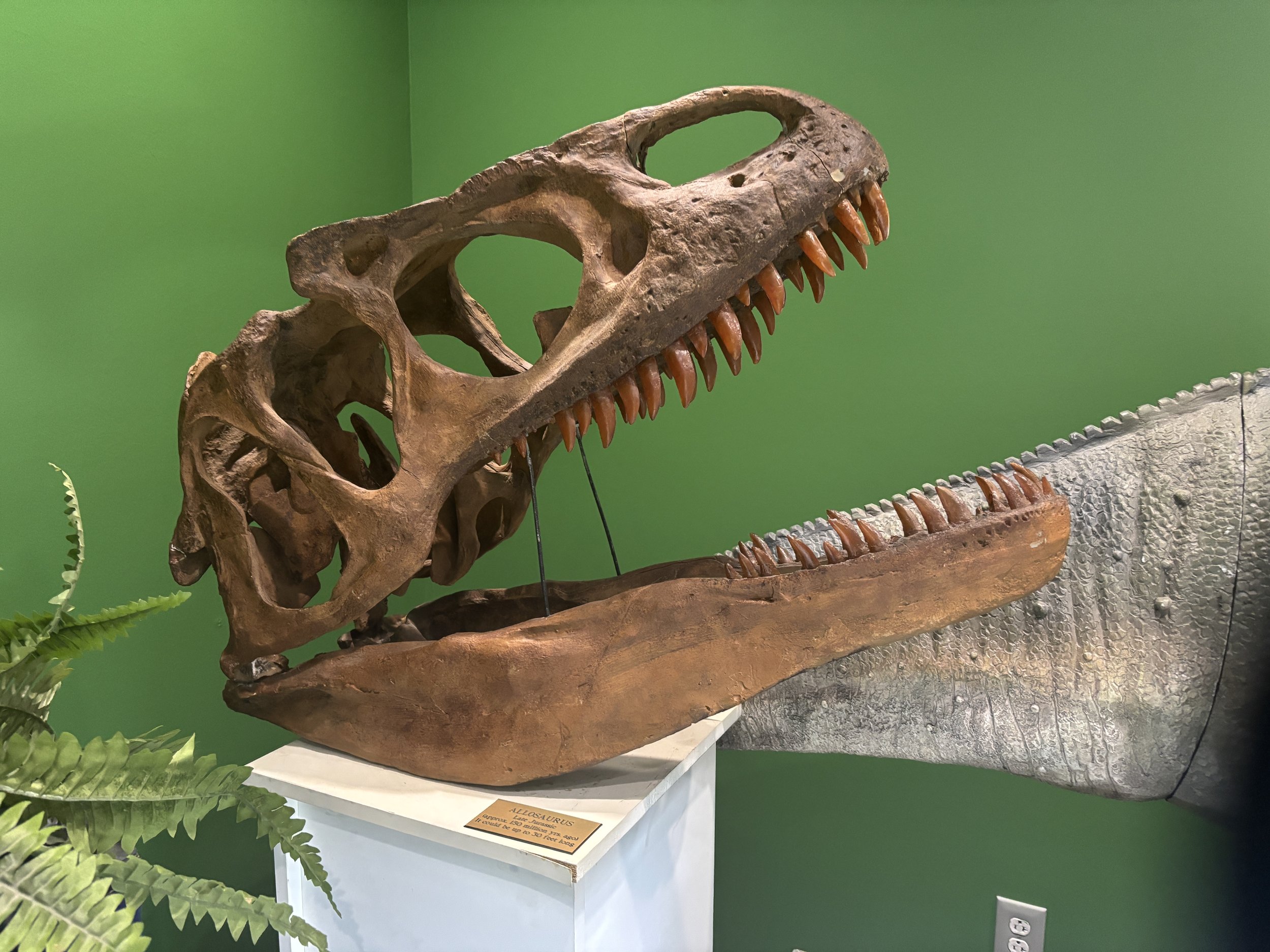
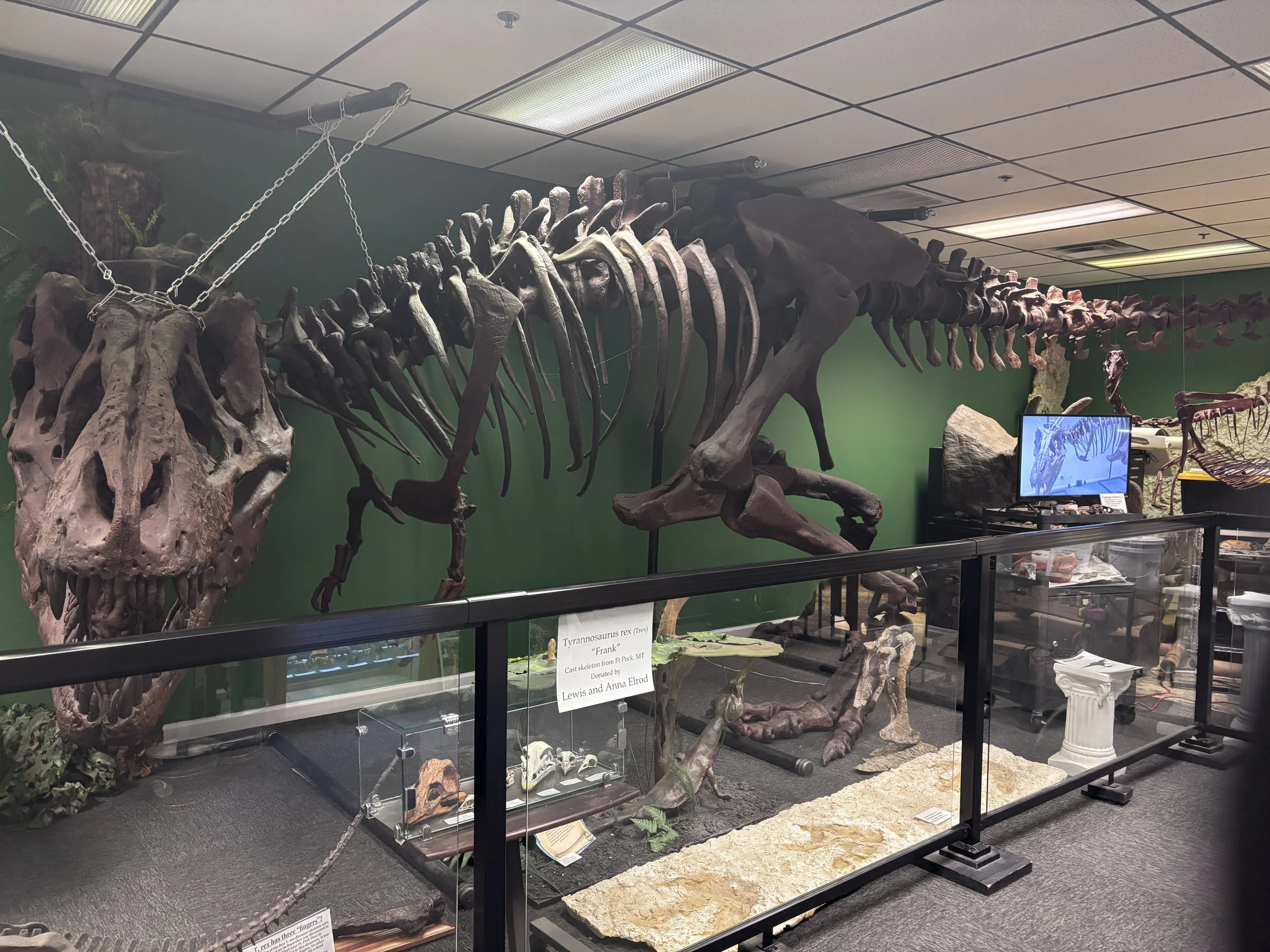
Theropds make up the group of dinosaurs that contain the Tyrannosaurus rex, Velociraptors, and modern birds. Theropods are visually distinct from other dinosaur groups with their three-toed feet and the way they walk exclusively on their hind legs. The theropod body plan emerged in the Late Triassic with varieties like the Coelophysis, which was fairly small. By the Jurassic, giants like the Allosaurus became the dominant predators, while smaller theropods like the Archaeopteryx developed flight feathers and learned to fly. The largest theropod was the Tyrannosaurus rex who dominated the American West during the Cretaceous period.
During the age of the dinosaurs, theropods were the major predators of the land. Different species developed their own ways of hunting, some went solo like the T. rex and some in groups like the Compsognathus, but they all benefited from agile, dextrous body plans. For years, paleontologists believed that theropods were slow-moving with tails dragging on the ground– in reality, theropods were able to move with speed and agility, their long tails counterbalancing their heads and necks. Many had sharp teeth, but others like the Struthiomimus had a beak like modern theropods (birds).
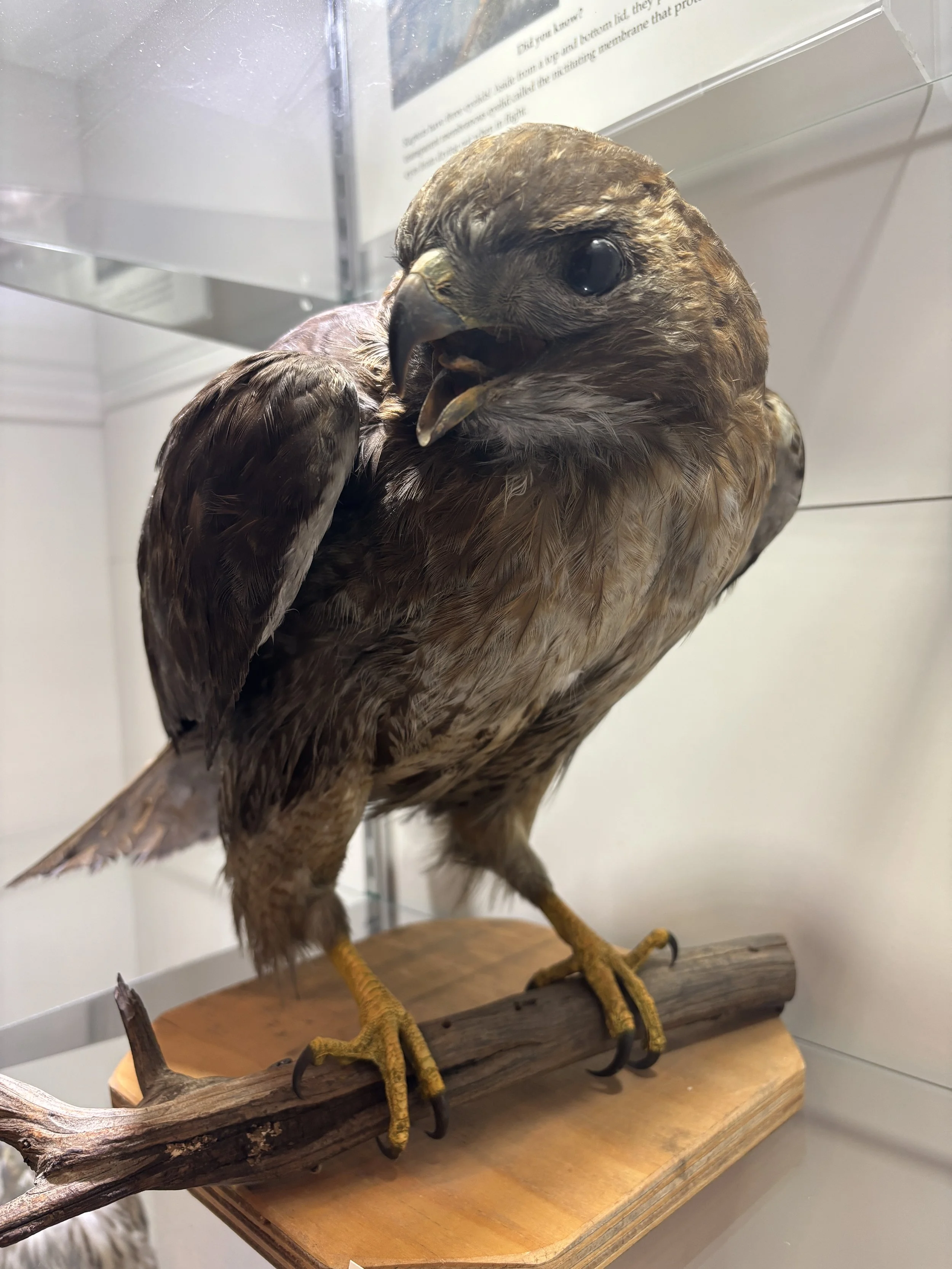
The theropods are the only group of dinosaurs with living members. Thanks to their small size, mobility, and diverse diets, at least a few birds managed to survive the grueling years following the K-pg Impact. Since then, they have flourished as today, birds actually outnumber humans about 6 to 1.
Theropds make up the group of dinosaurs that contain the Tyrannosaurus rex, Velociraptors, and modern birds. Theropods are visually distinct from other dinosaur groups with their three-toed feet and the way they walk exclusively on their hind legs. The theropod body plan emerged in the Late Triassic with varieties like the Coelophysis, which was fairly small. By the Jurassic, giants like the Allosaurus became the dominant predators, while smaller theropods like the Archaeopteryx developed flight feathers and learned to fly. The largest theropod was the Tyrannosaurus rex who dominated the American West during the Cretaceous period.
During the age of the dinosaurs, theropods were the major predators of the land. Different species developed their own ways of hunting, some went solo like the T. rex and some in groups like the Compsognathus, but they all benefited from agile, dextrous body plans. For years, paleontologists believed that theropods were slow-moving with tails dragging on the ground– in reality, theropods were able to move with speed and agility, their long tails counterbalancing their heads and necks. Many had sharp teeth, but others like the Struthiomimus had a beak like modern theropods (birds).
The theropods are the only group of dinosaurs with living members. Thanks to their small size, mobility, and diverse diets, at least a few birds managed to survive the grueling years following the K-pg Impact. Since then, they have flourished as today, birds actually outnumber humans about 6 to 1.