0
Skip to Content
Earth Experience Museum
Home
About
Events
Contact
Bring a Group
Rocks and Minerals
Fossils by Time Period
Fossil Database
Solnhofen Limestone
Hell Creek Formation
Green River Formation
Coon Creek Formation
The Basics of Paleontology
History of Paleontology
Major Extinction Event Guide
Western Interior Seaway
DONATE
Home
About
Events
Contact
Bring a Group
Folder: Explore Our Collection
Back
Rocks and Minerals
Fossils by Time Period
Fossil Database
Folder: Formations on Display
Back
Solnhofen Limestone
Hell Creek Formation
Green River Formation
Coon Creek Formation
Folder: More to Explore
Back
The Basics of Paleontology
History of Paleontology
Major Extinction Event Guide
Western Interior Seaway
DONATE
mammoth.jpg
mammoth 2.jpg
mammoth 4.jpg
mammoth3.jpg
mammoth 5.jpg

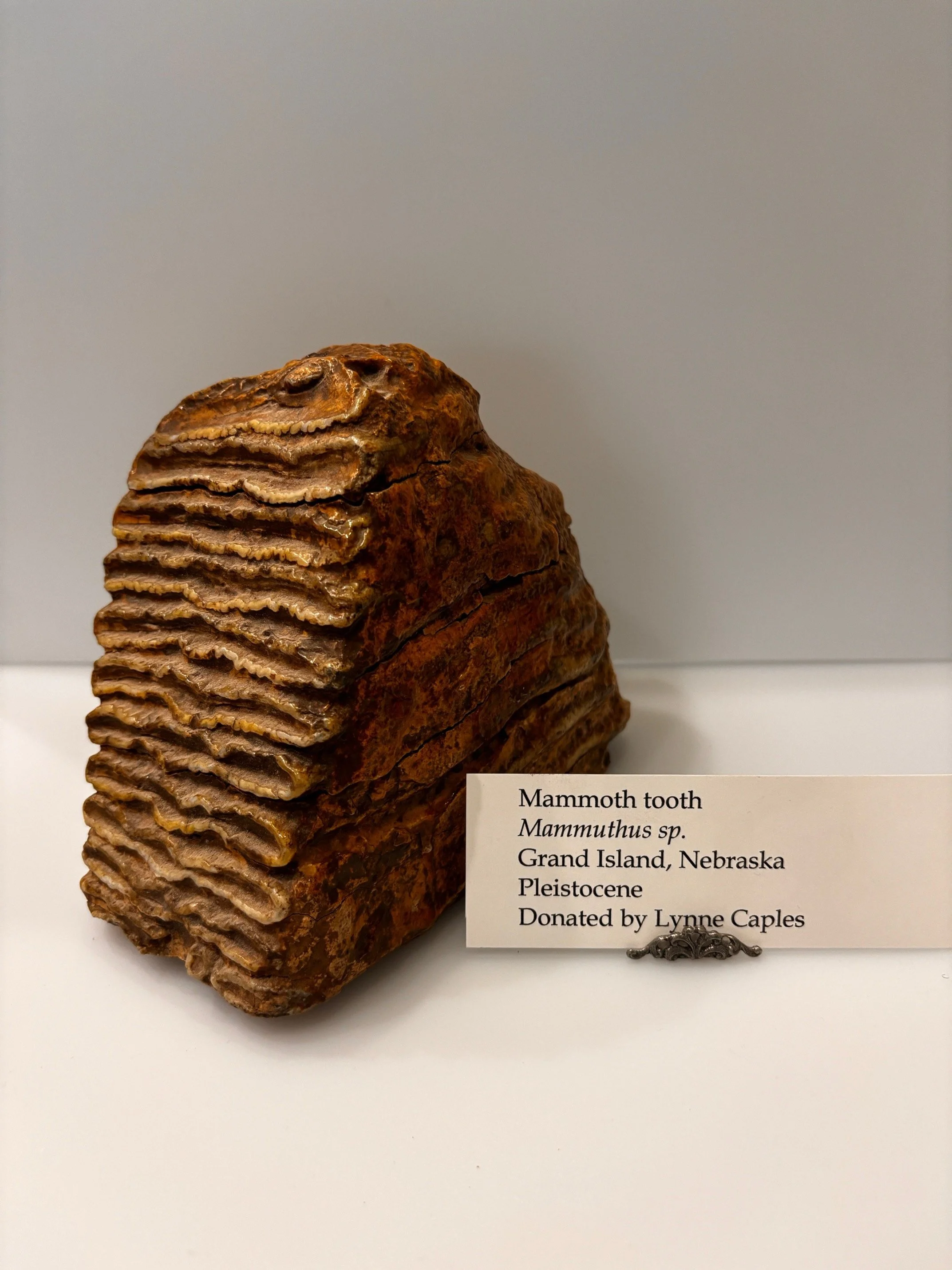
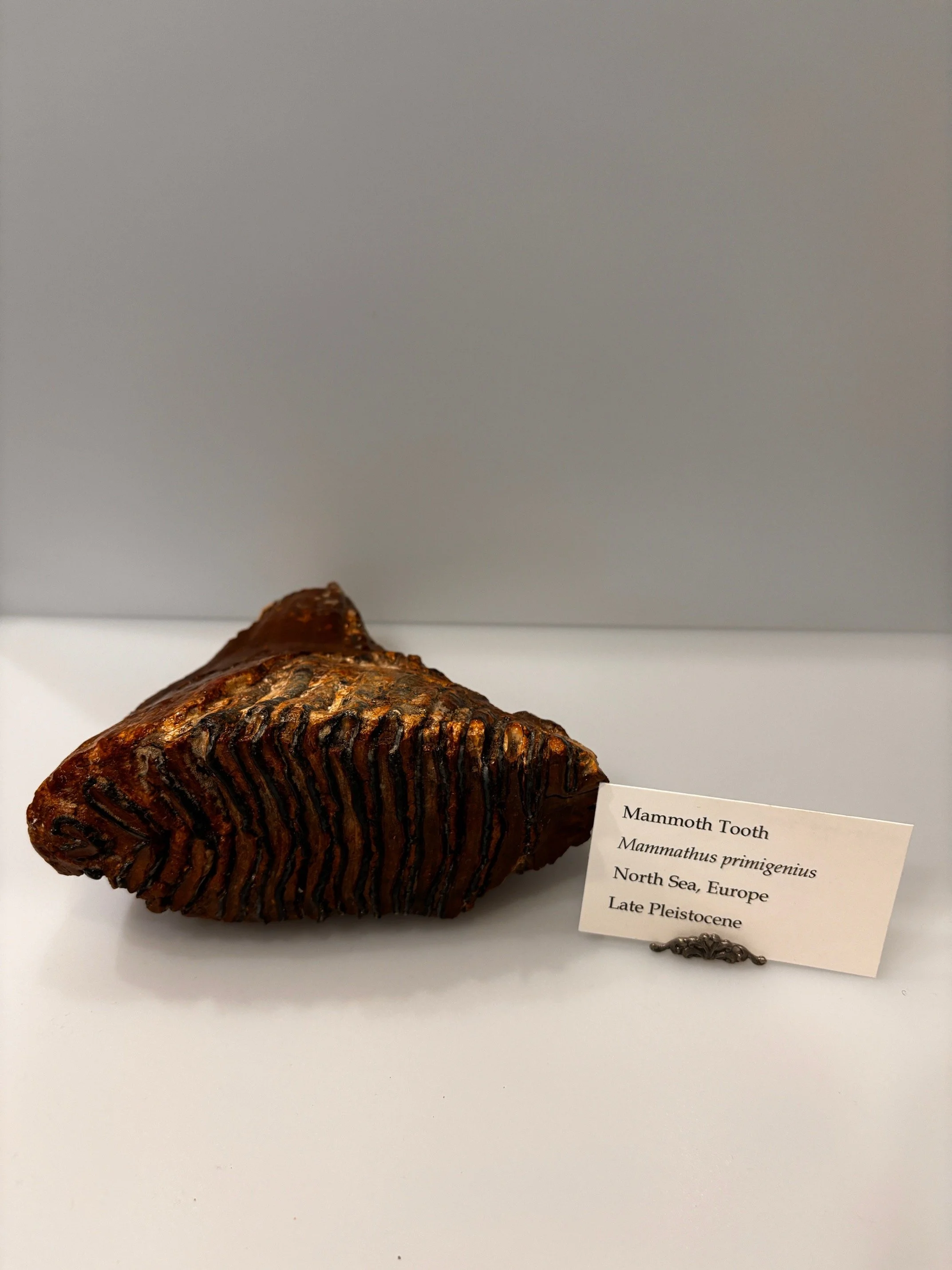
Mammuthus primigenius

$0.00

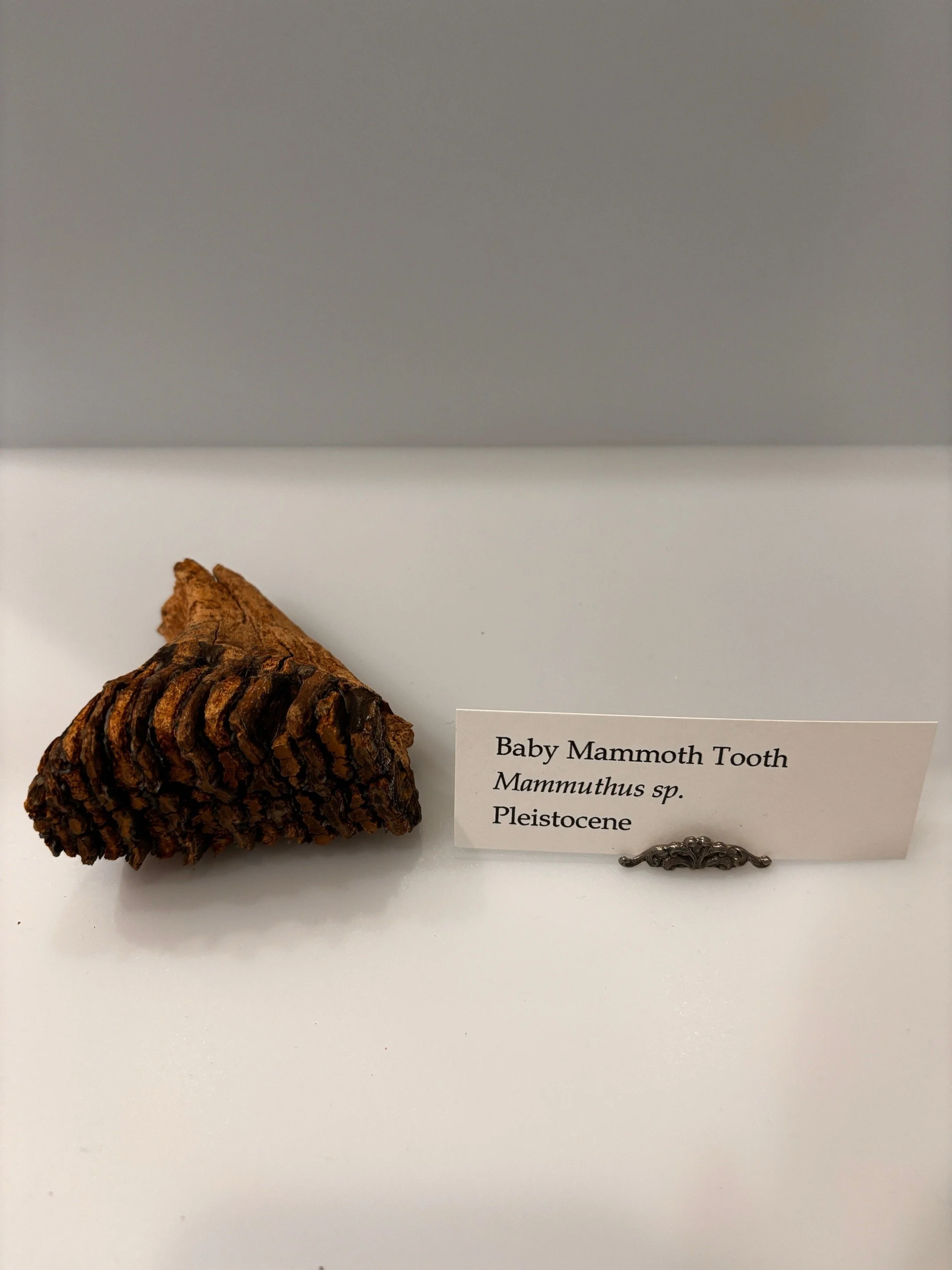
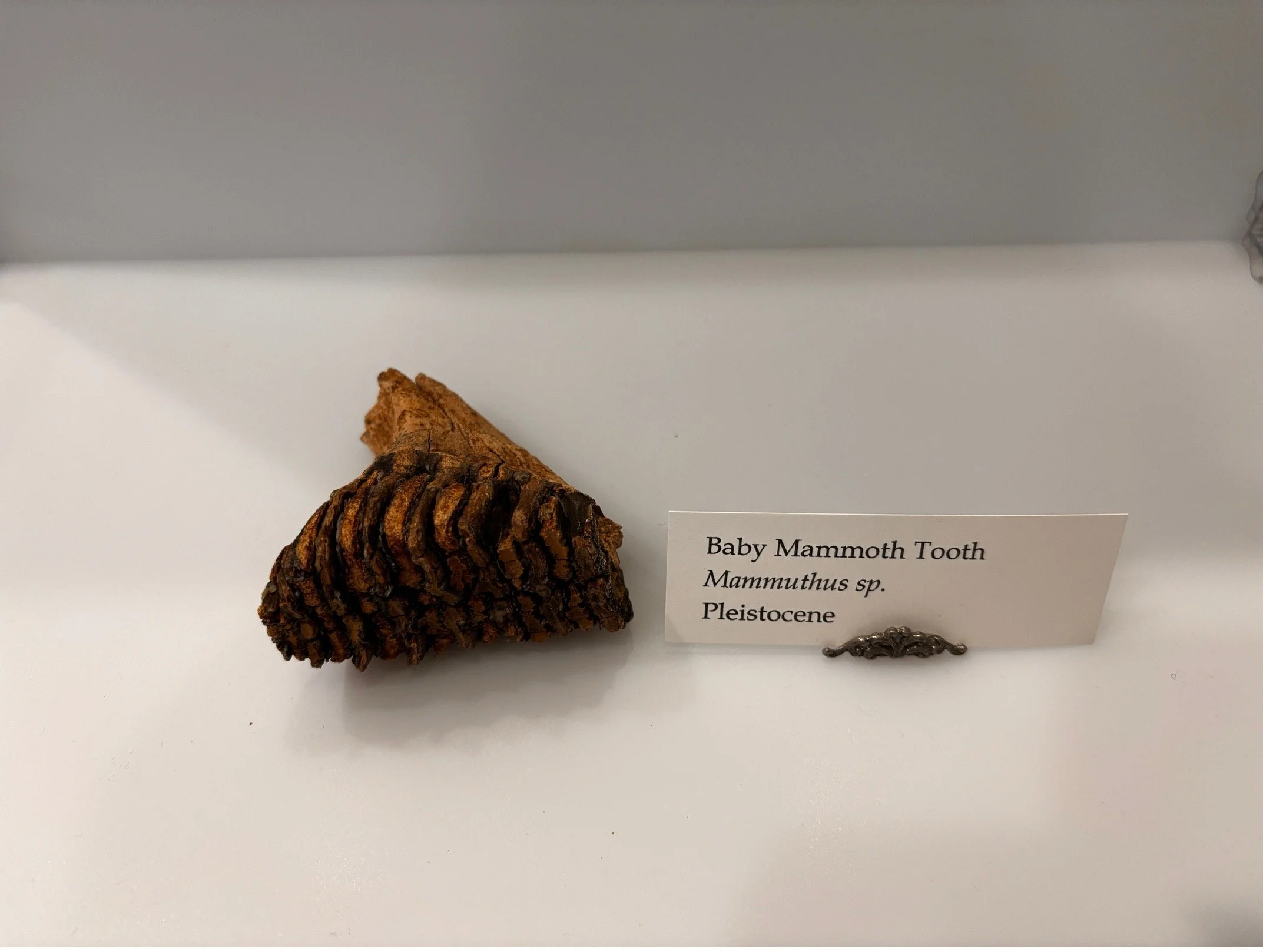
Woolly Mammoth (Late Miocene- Holocene)

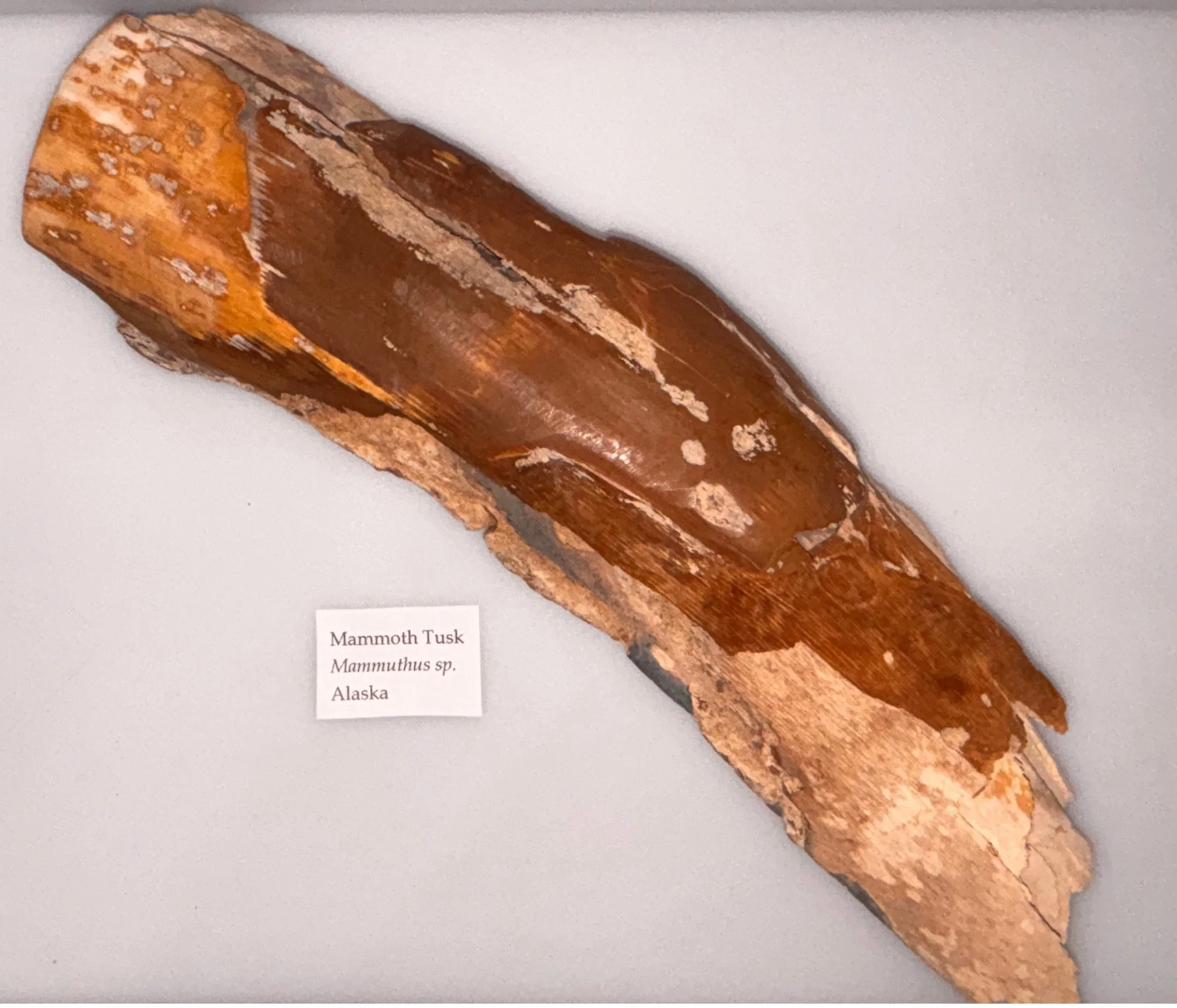
Woolly Mammoths were large, furry, herbivorous members of the family Elephantidae, and were relatives to Mastodons and the modern African and Asian Elephants. Their thick fur protected them from the extreme colds of the Ice Age, while modern elephants need to stay mostly naked to protect from high heat. Different species of Woolly Mammoths lived during the Pleistocene, making their homes in both Eurasia and the Americas. Mammoths went extinct from a combination of rising global temperatures and human hunting practices.

Middle Tennessee Museum of Natural History

816 Old Salem Road
Murfreesboro, TN
(615) 900-8358

About
Contact
Events

© Earth Experience Museum 2020 - Designed by Fostered Designs