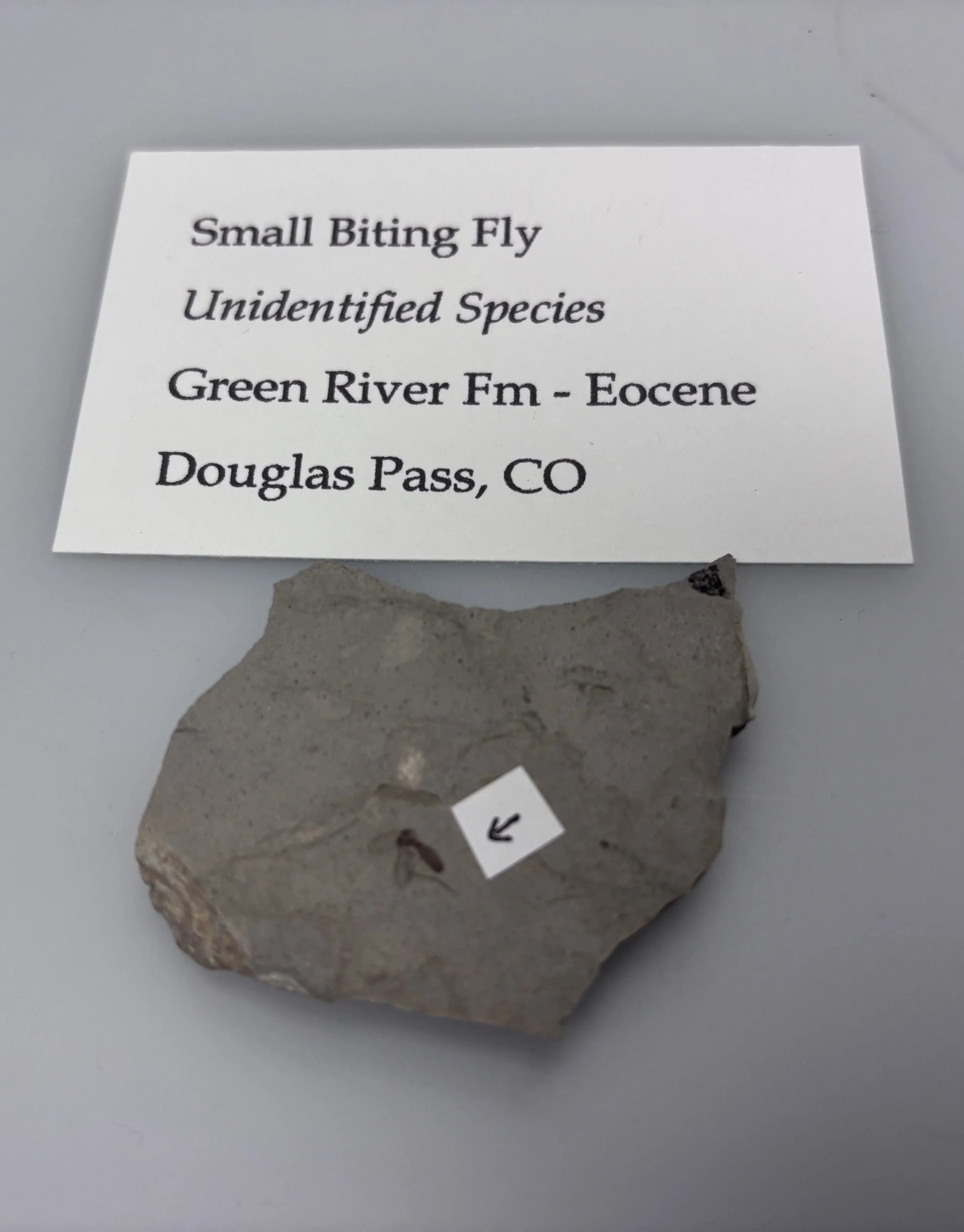
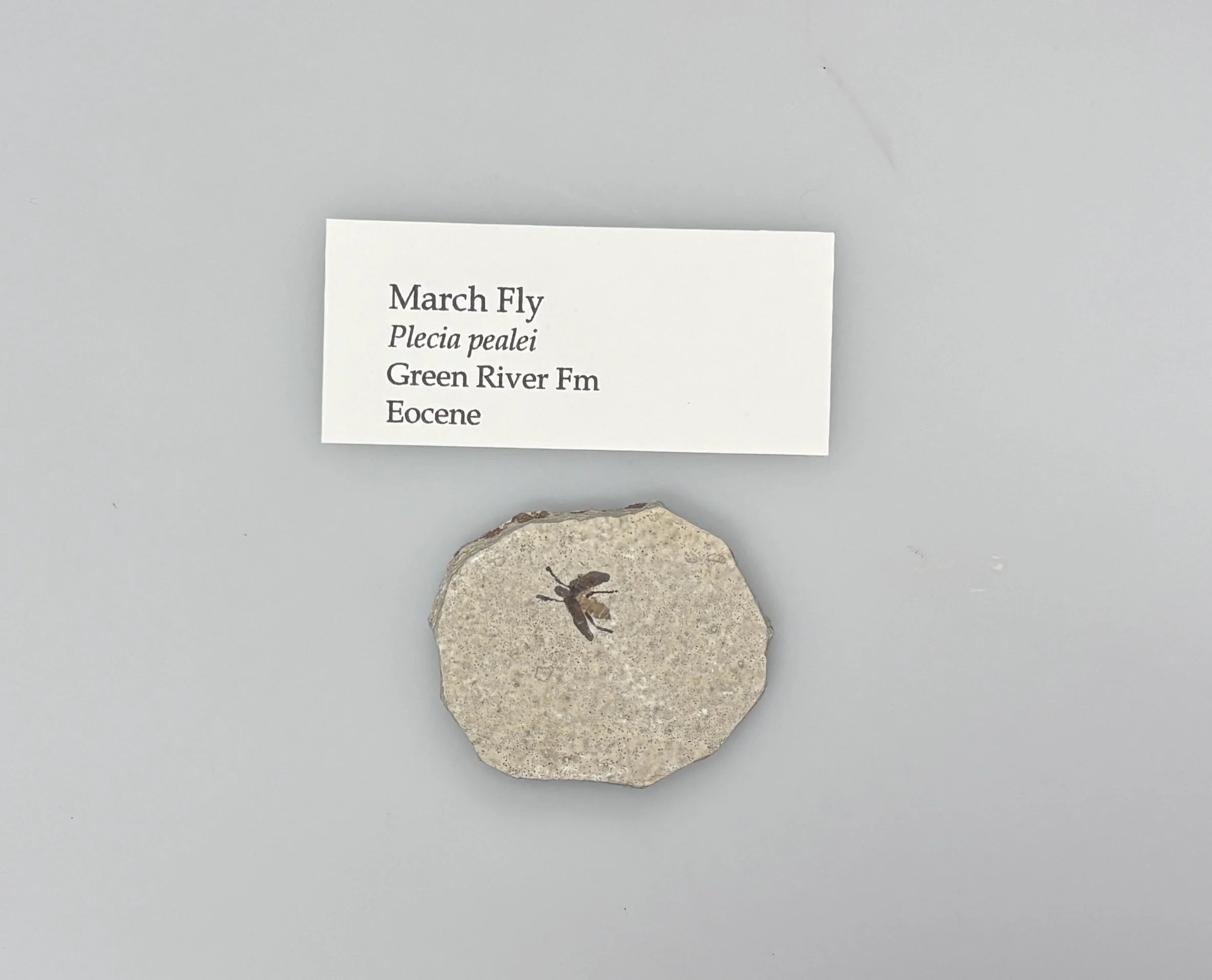
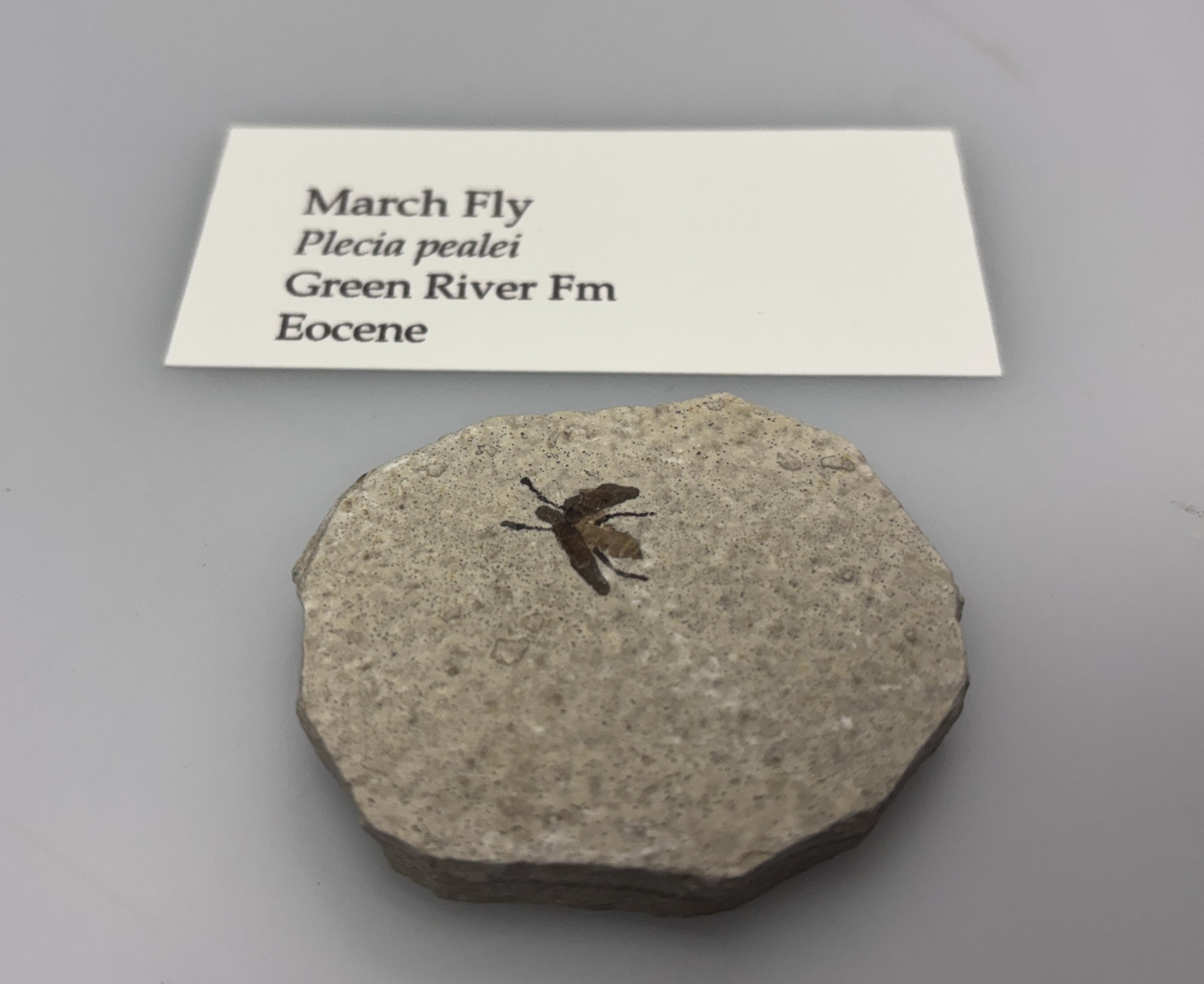
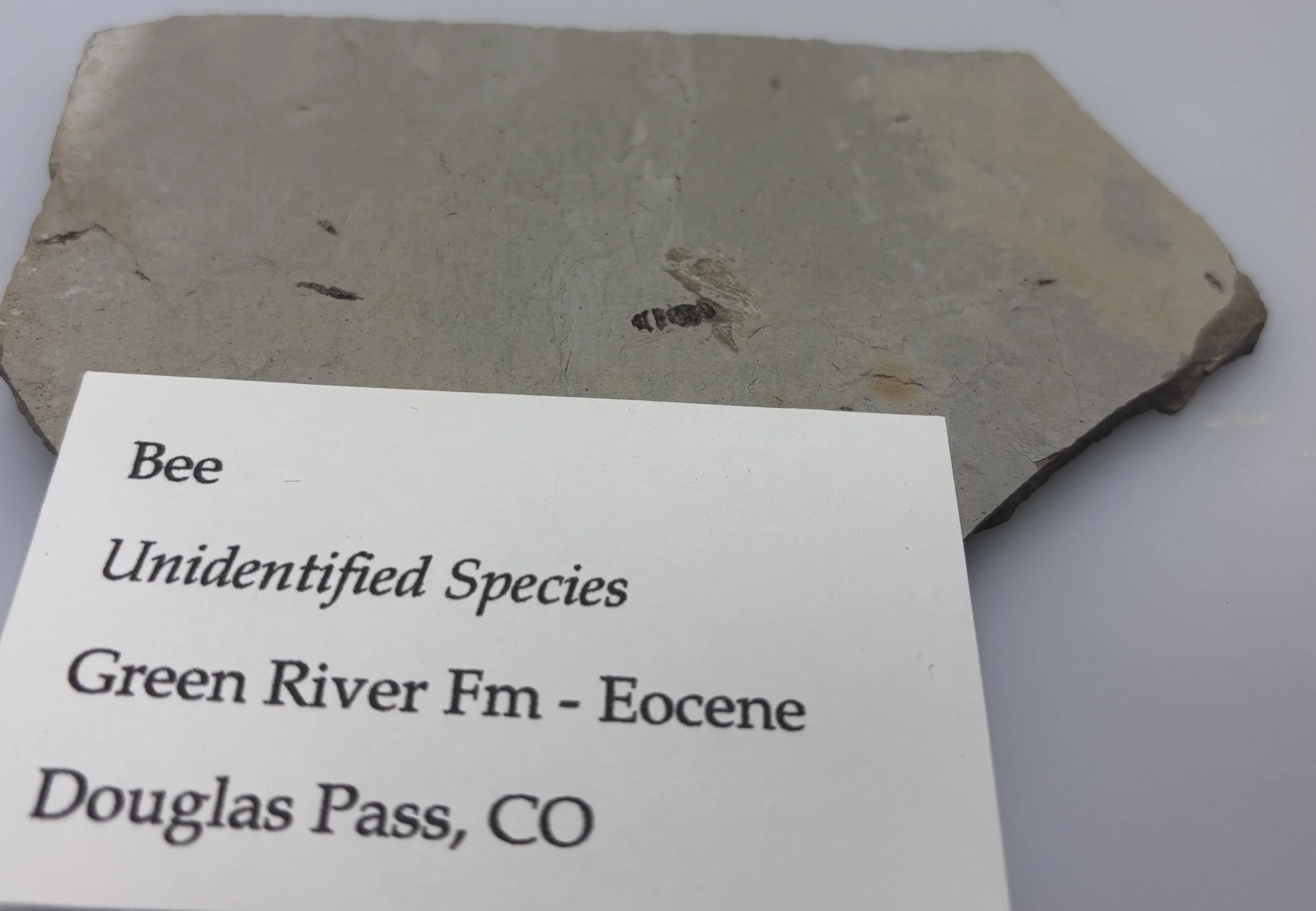
The Green River Formation is famous for the many fish, birds, and mammal species immaculately preserved in the fine lakebed sediment, but perhaps more impressively, that fine grain sediment was also perfect for preserving the many insects that made these ancient lakes their home. Among the insects found are flies, crickets, dragonflies, beetles, and more. Some of these specimens are so well preserved, patterns and pigments can be seen in the fossils themselves.


The Marrella splendens was a small arthropod that lived in the Cambrian oceans. The Marrella splendens had many thin appendages that served as both its means of movement and its means of respiration, as the upper section of its legs possessed gills. It also had two pairs of antennae, one set for helping maneuver around the bottom of the ocean floor and the other set to aid in propulsion.
Marrella splendens is heavily associated with the Burgess Shale fossil deposit in British Columbia, Canada as it is the most plentiful fossil found there.

Anomalocaris, whose name means ‘weird shrimp’, were one of many odd marine species that came from the Cambrian Explosion. Anomalocaris species ranged in size, but the most famous Anomalocaris canadensis was about 2 feet long. They swam by propelling themselves with overlapping flaps running down either side of their bodies and latched onto prey with two barbed appendages by their mouths. The Anomalocaris is considered an apex predator of its time, largely feeding on soft-bodied animals like jellyfish and worms.
It was long believed that the Anomalocaris went extinct at the end of the Cambrian period, but some species like the one pictured here actually lasted into the Ordovician period.

Also known as Sea Scorpions, Eurypterids were arthropods that first developed in the sea and later made their home in brackish and freshwater environments. Eurypterids get their nickname from their scorpion-like body shape, especially with their spiked tail. Despite some visual similarities, Eurypterids were more closely related to other ocean-dwelling arthropods like the horseshoe crab. Though most species of Eurypterid were small (under 8 inches long), the largest species Jaekelopterus rhenaniae grew up to 8 feet and somewhere between 440 and 660 lbs., making it the largest arthropod over discovered.


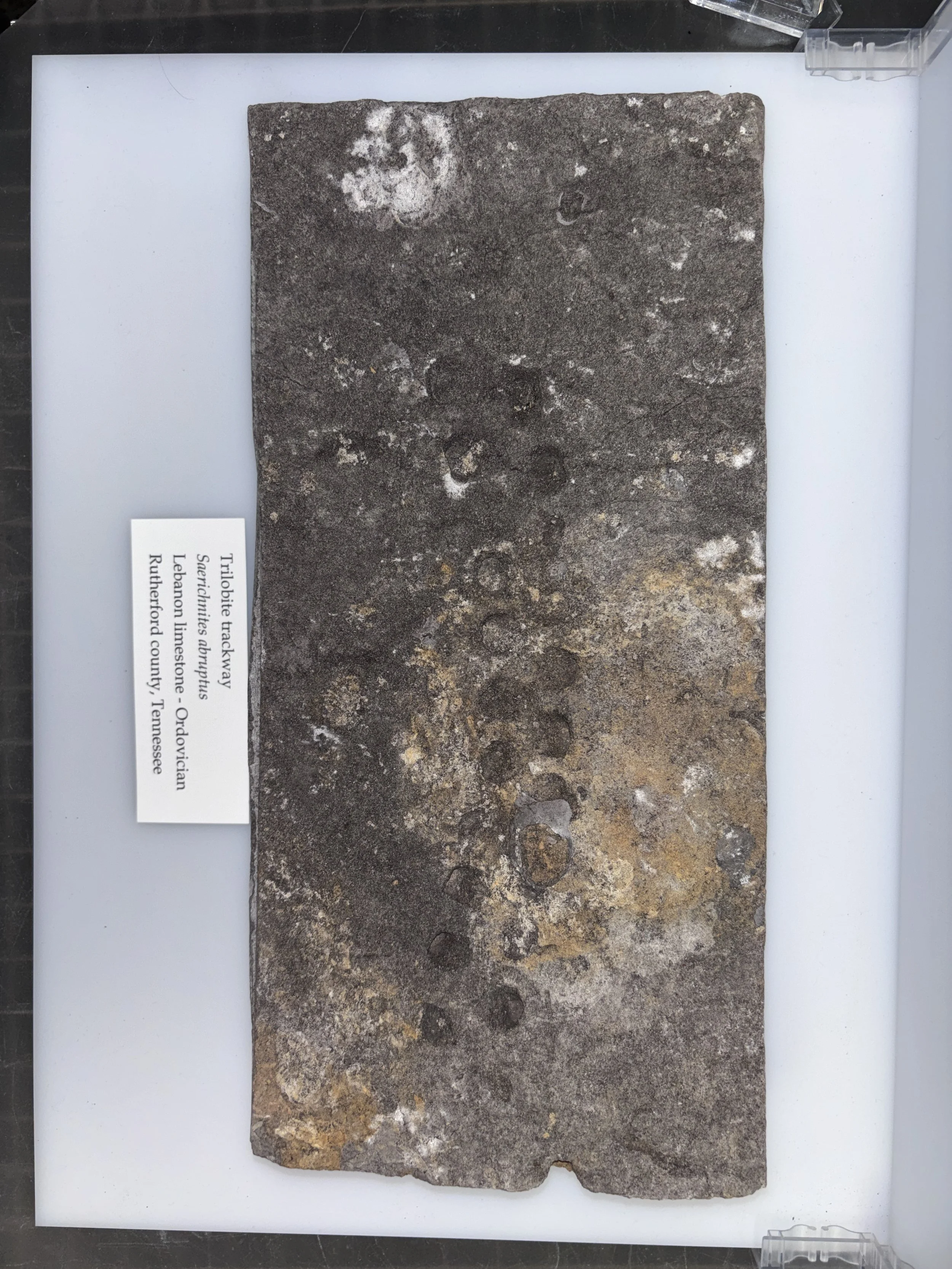
Trilobites were marine arthropods that lived on earth for 300 million years. They were generally small, had a segmented exoskeleton, and crawled around on the bottom of the oceans floor. Most Trilobites had eyes or eye-like structures that were positioned atop their heads and ate detritus that had settled into the sediment (a little like a living Roomba).
Because Trilobites were around for so long and were so prolific, their fossils are found all over the world. The smallest species were mere millimeters long, and the largest was almost 30 inches long. They often died in odd positions, similar to a bug, which you can see demonstrated here.


Arthropleura was a giant millipede and was the largest land-based arthropod to ever exist. The largest fossil ever found was a staggering 8 feet in length. It lived in the oxygen-rich forests of the carboniferous, and like modern millipedes, it likely ate detritus that accumulated on the forest floors. Its body was covered in segmented armor plates, yet the Arthropleura had no real predators because of its size (at the time, it would have been the largest land animal).


The Mecochirus longimanatus is an extinct species of lobster-like crustacean whose fossils can be found in the Solnhofen Limestone of Bavaria, Germany. It is named for its extra long appendages that were likely used for feeding.

Horseshoe crabs have been around for about 450 million years, surviving all five major extinction events. You may notice that this particular species found in the Solnhofen Limestone, Mesolimulus walchi, looks a lot like modern horseshoe crabs. Their body plan has been so successful that they have not had to change very much at all to survive into the modern era. While Mesolimulus walchi may be extinct, its modern relative still thrive in the oceans today.
The Solnhofen Limestone has not only preserved the bodies of the crabs, but also their footprints!

Aeger tipularius was a species of shrimp that lived in the waters of the archipelago of modern Bavaria Germany. These shrimps are very well preserved by the fine grain of the Solnhofen Limestone.


The Solnhofen Limestone is responsible for some of the best-preserved insect fossils from the Mesozoic. The fine grained sediment allowed for immaculate preservation of wing structures, body segments, and even coloration patterns. The preservation of insect species tells us about the type of environment of ancient Germany. For example, the presence of dragonflies and water striders tells us that the area was had laden with lagoons and bodies of freshwater.
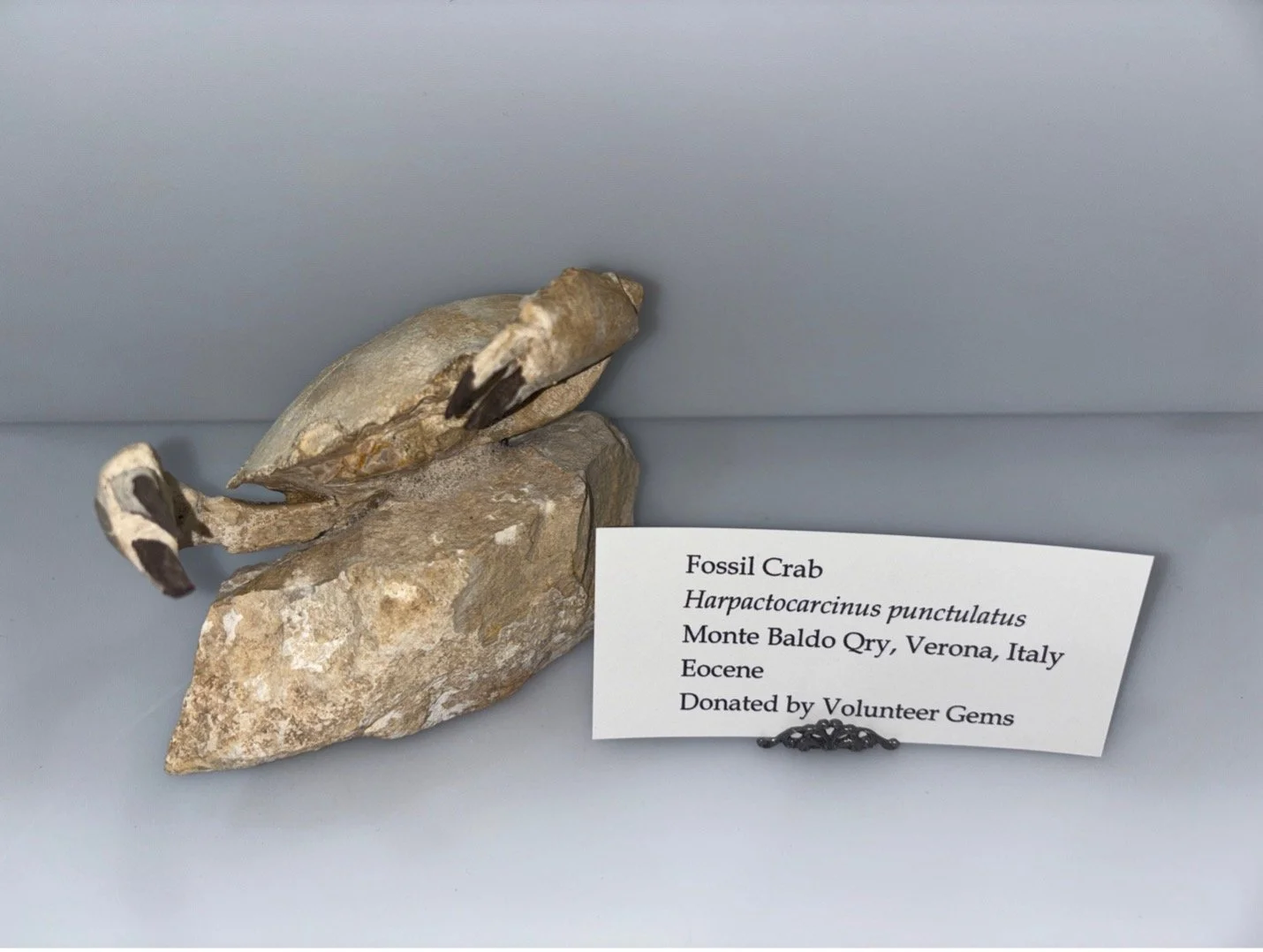
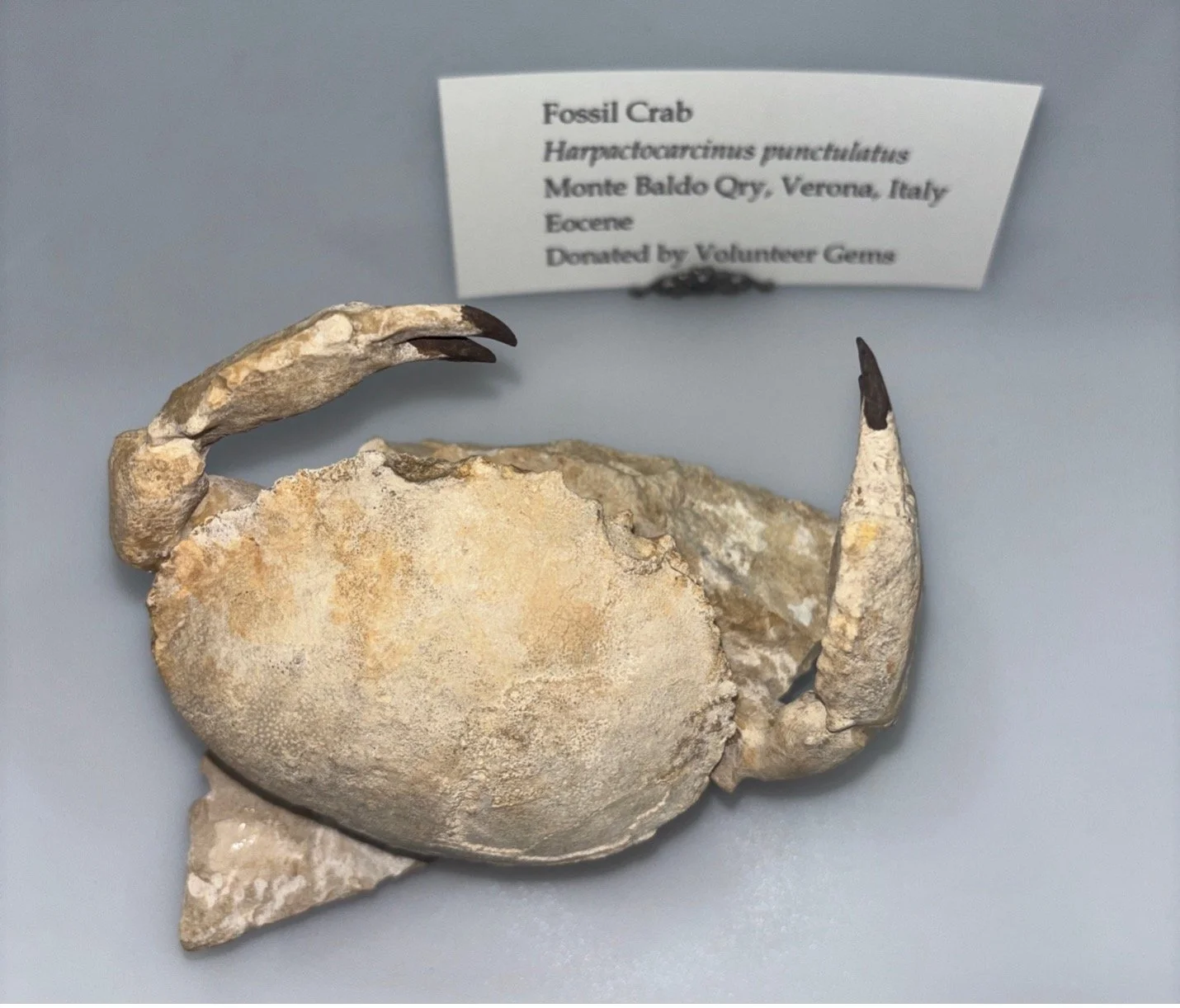
Harpactocarcinus punctulatus was a type of mud crab whose incredibly well-preserved fossils can be found in Europe and North America. These crabs fossilize astoundingly well because of their hard carapaces, which make their remains look a bit like statues instead of fossils.
No results match your search. Try removing a few filters.