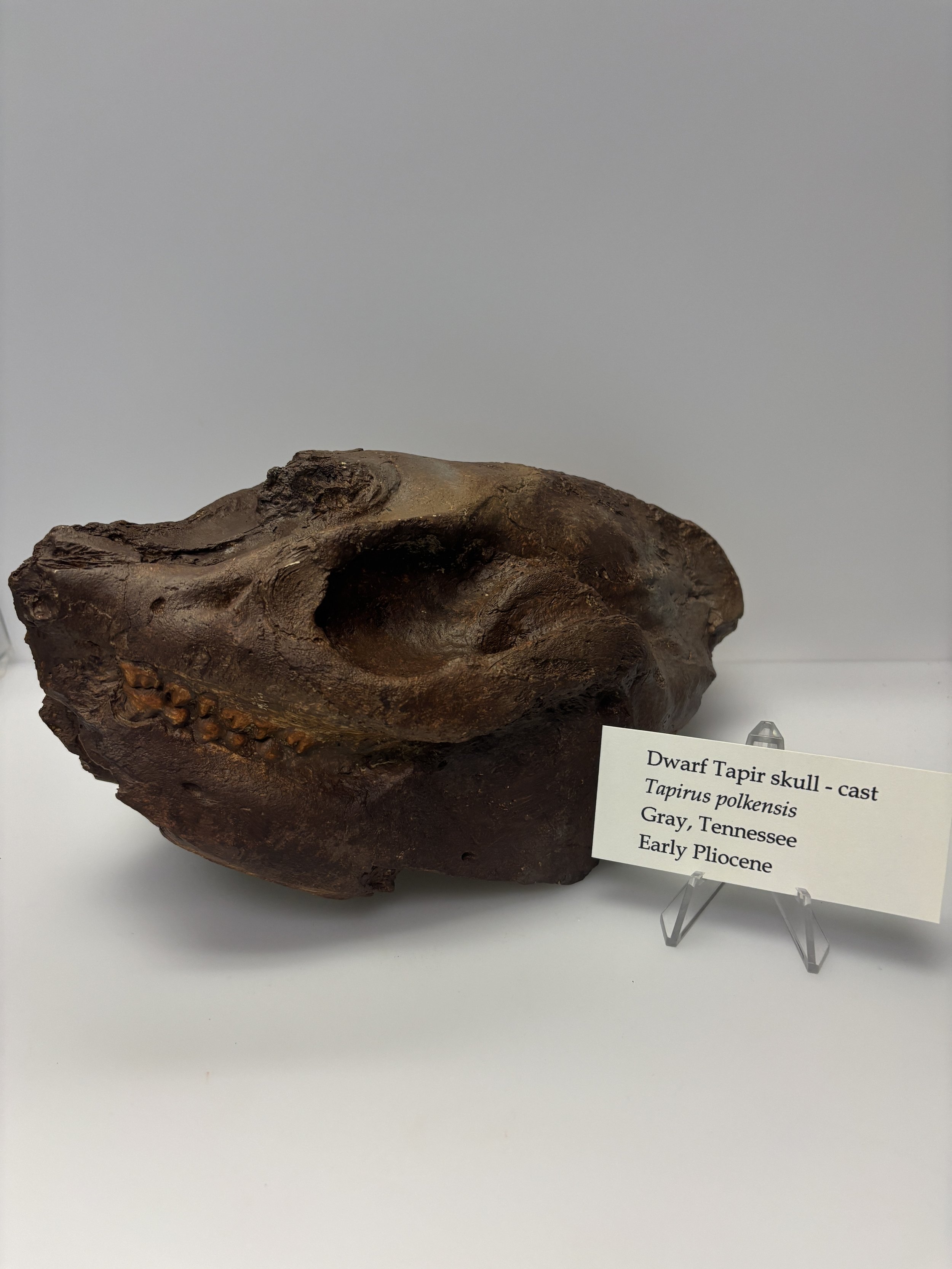
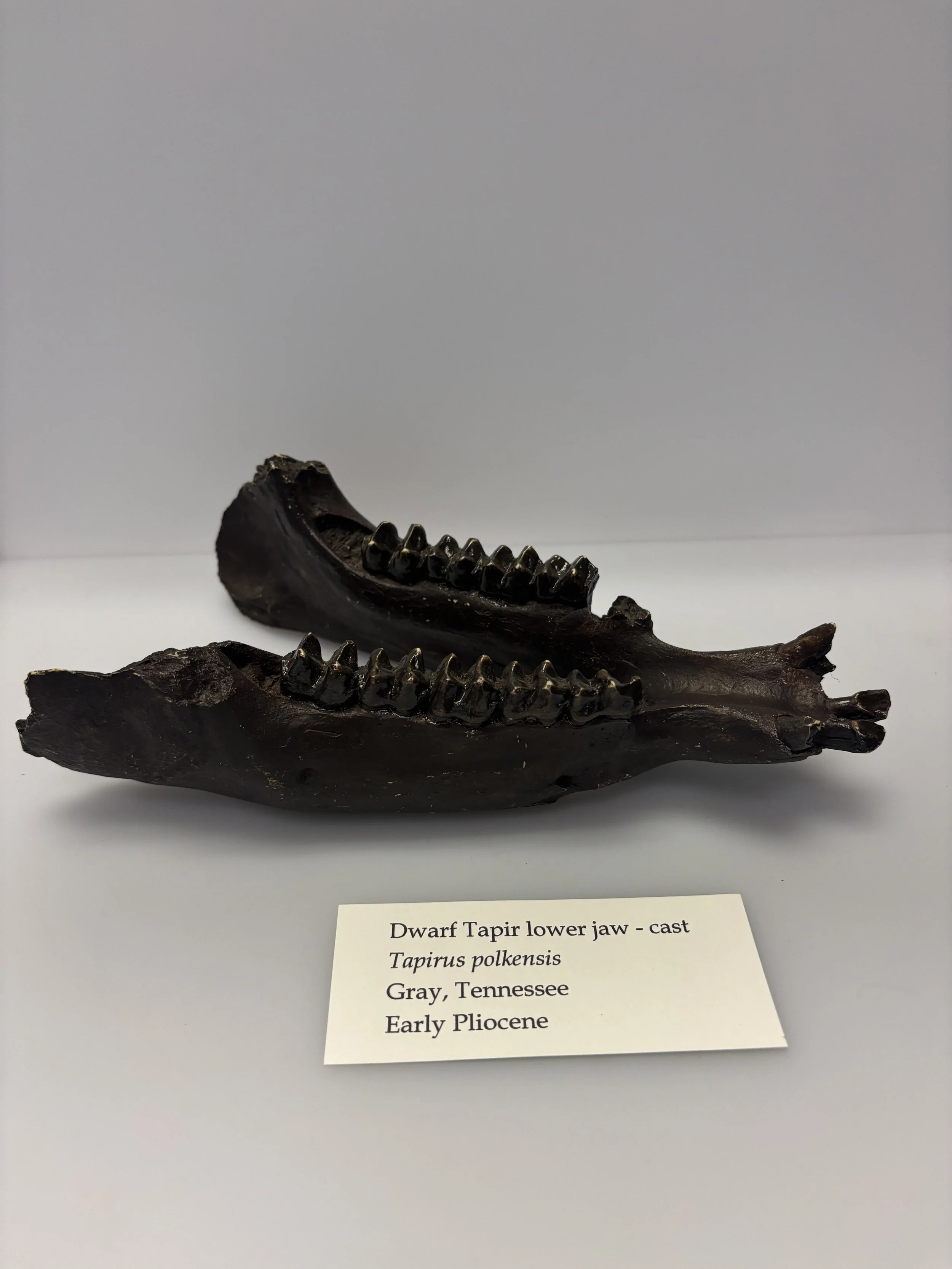
Tapirs are a type of animal that have gone largely unchanged over the years. Tapirus polkensis, an extinct species of tapirs whose fossils are regularly found at the Gray Fossil Site in Tennessee, are very similar to their modern relatives. These animals sported compact, sturdy bodies; hooved toes; and a proboscis or ‘trunk’ similar to an elephant’s. Tapirus polkensis, however, was much smaller than a modern tapir, the extinct species weighed around 276 lbs., as opposed to modern tapir species which can weigh anywhere between 330-880lbs.

The Squalicorax falcatus, or the Crow Shark, was a mid-sized predatorial shark species that lived during the Cretaceous period, whose fossil teeth are found in North America, Europe, and North Africa. It grew to be about 16 feet long and preyed on fish, mosasaurs, and sea turtles. A Crow Shark tooth was found imbedded in the foot bone of a hadrosaur, showing that they even scavenged land animals that were swept out to sea.

Toxochelys was a genus of sea turtle that lived in the Western Interior Seaway, and its fossils are found in the United States and Canada. Toxochelys lived a similar life as modern sea turtles, feeding mostly on jellyfish, squids, mollusks, crustaceans, and marine vegetation. However, Toxochelys was larger than most modern sea turtles, growing up to 6 feet in length.
This specimen was found by museum staff in the Coon Creek Formation in Tennessee.

Blastoids were a type of echinoderm (relative to starfish and sea urchins) that lived on the bottom of the ancient ocean’s floors. The were close relatives to the crinoids and, like them, relied on filter feeding. Unlike crinoids, Blastoids went extinct at the end of the Permian period due to the ecologic fallout from extreme climate change.


Bryozoans are a type of filter-feeding colonial marine animal that has been living in the oceans since near the beginning of life on the planet. An individual Bryozoa is plant-like in appearance, but the colonies often form round, blobby masses that tether to various surfaces.
Bryozoan fossils can also look like tree branches and can be found all over the world, including here in Tennessee!


Nautiloids are an entire group of armored or shelled cephalopods that were prevalent during the Mesozoic Era, but still have some living members today. Many nautiloid species had long, conical shells that protected them from predators. Others resembled their cousins Ammonites with a curled, spiral shell. The only living members of the Nautiloid family are the nine living species of Nautiluses, which sport a spiral shell and live deep in the Pacific Ocean.


Crinoids are marine echinoderms (the group that contains urchins and starfish) that have been a part of Earth’s history for about 500 million years. They first developed during the Cambrian period, and some species still live in the oceans today. Despite appearing plant-like at times, crinoids are animals. Older crinoid species typically had a stem which anchored them to the ocean floor, a calyx or cup on top of that stem which contained its organs, and arms branching out from the calyx to help it filter feed. Crinoids have diversified a lot in the last half eon; some still anchor down in coral reefs, while some have evolved to swim around using their feathery arms for propulsion.
Fossils of crinoids can be found all over the world, even in Tennessee. Sometimes, you’ll hear these fossils called ‘Indian money’, and while Native Americans did not use crinoid fossils for currency, they were sometimes used as beads for jewelry. To find crinoid fossils, keep an eye out for something that looks like a stack of coins or a disk with the middle cut out –– that’s a fossil crinoid stem!


(Late Pennsylvanian – Miocene)
It may look like glass or a type of mineral, but amber is fossilized tree resin formed from the hardening of tree sap over time. Amber is a type of trace fossil but sometimes small animals, insects, or plant matter is preserved inside the resin, frozen in time for millions of years. These are called inclusions, and they are valuable to scientists as they can show what ancient life looked like more accurately than a normal fossil.
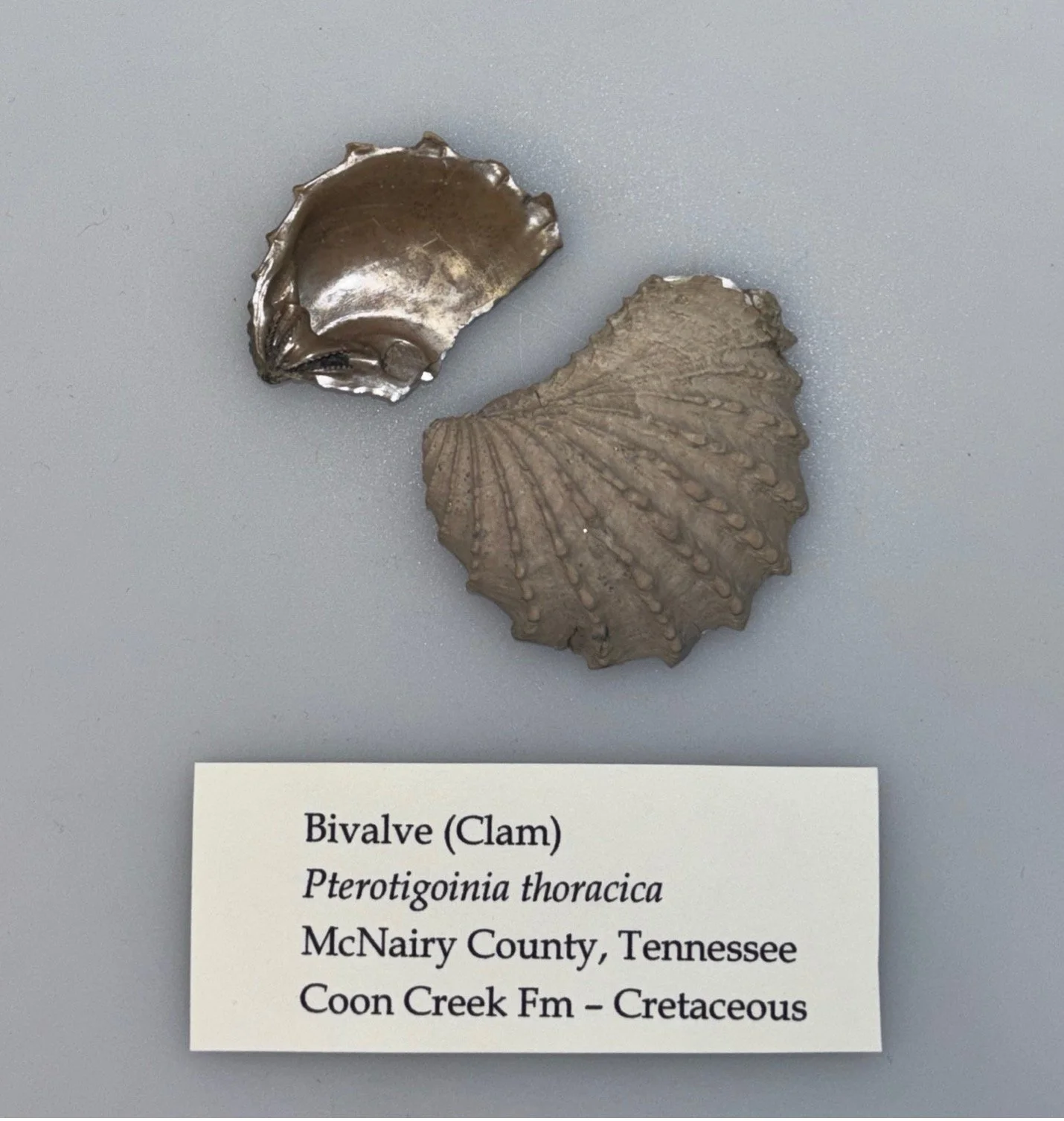
Did you know Tennessee has a state fossil? Pterotrigonia thoracica was a bivalve that lived in the shallow seas that covered much of the middle of North America during the Cretaceous (Western Interior Seaway). Pterotrigonia thoracica was chosen as the state fossil due to its abundant fossils found in the Coon Creek Formation in West Tennessee.
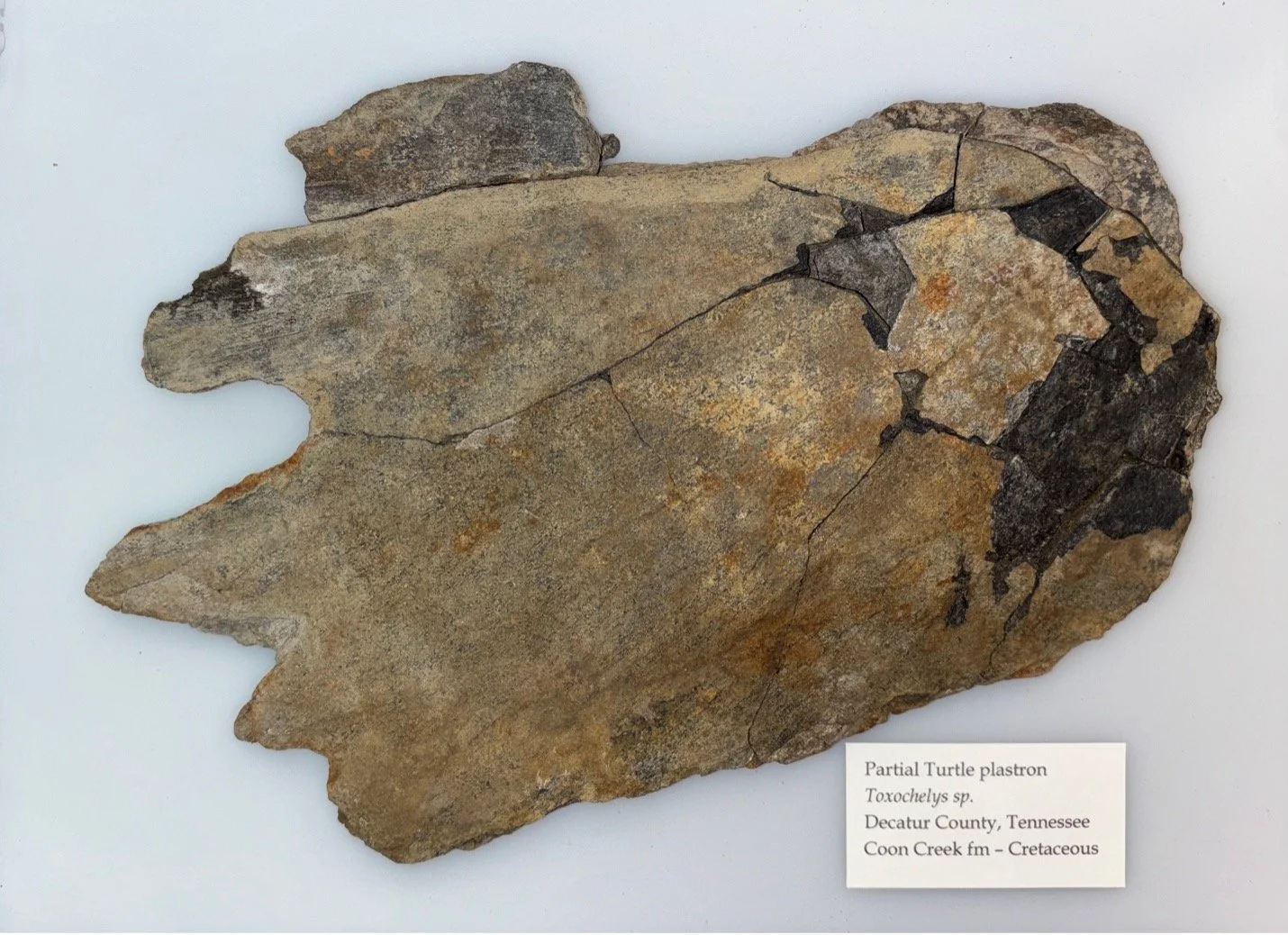
Toxochelys was a genus of sea turtle that live in the Western Interior Seaway, and its fossils are found in the United States and Canada. Toxochelys lived a similar life as modern sea turtles, feeding mostly on jellyfish, squids, mollusks, crustaceans, and marine vegetation. However, Toxochelys was larger, growing up to 6 feet in length.
This specimen was found by museum staff in the Coon Creek Formation in Tennessee.
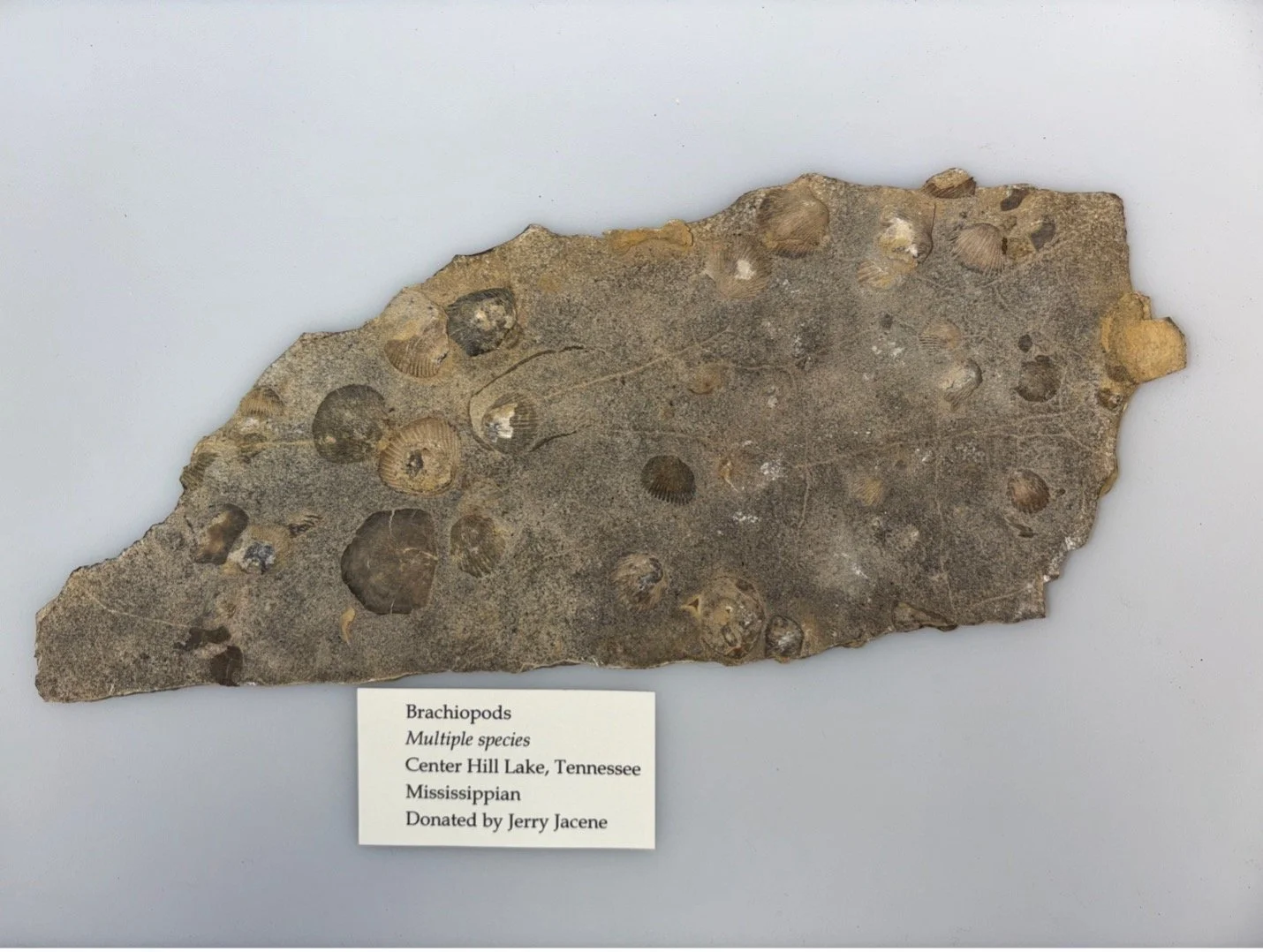
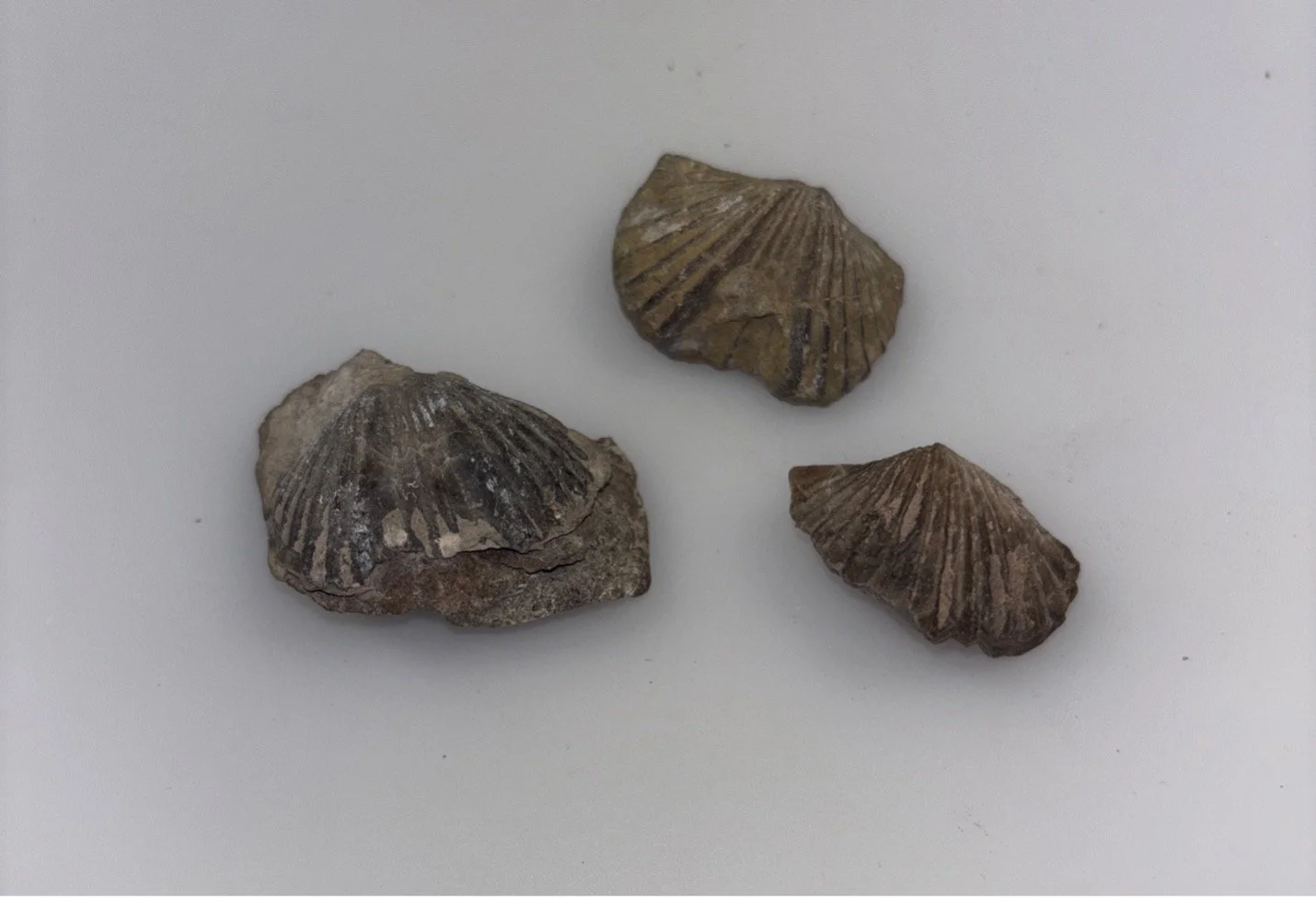
Brachiopods (Cambrian – Present)
Brachiopods are aquatic soft-bodied invertebrates who typically live inside a symmetrical two-halved shell. Though similar to bivalves in design, Brachiopods are deceptively unique, belonging to their own phylum, Brachiopoda. Brachiopods are generally stationary and are typically anchored in one spot, relying on filter feeding.
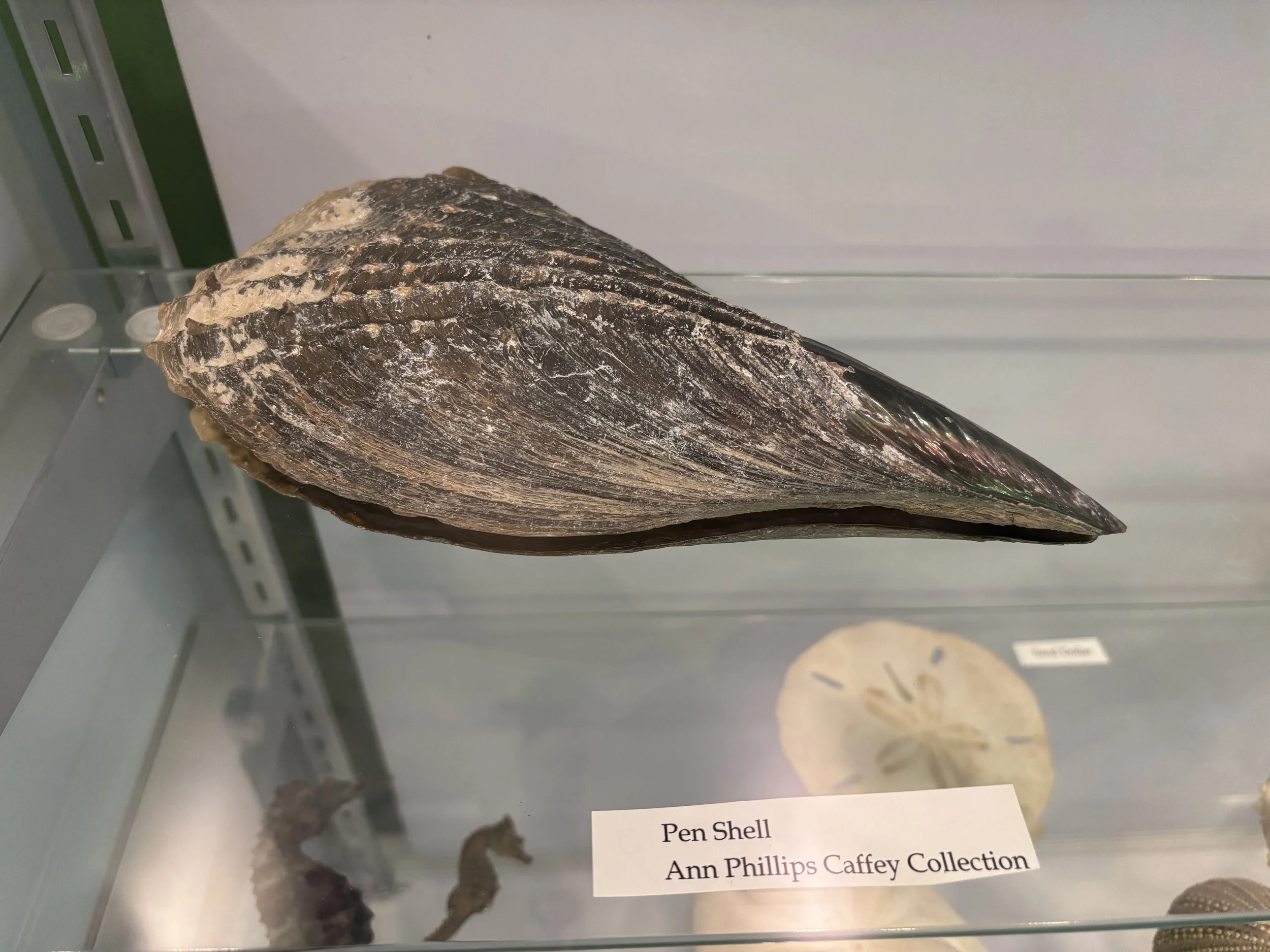
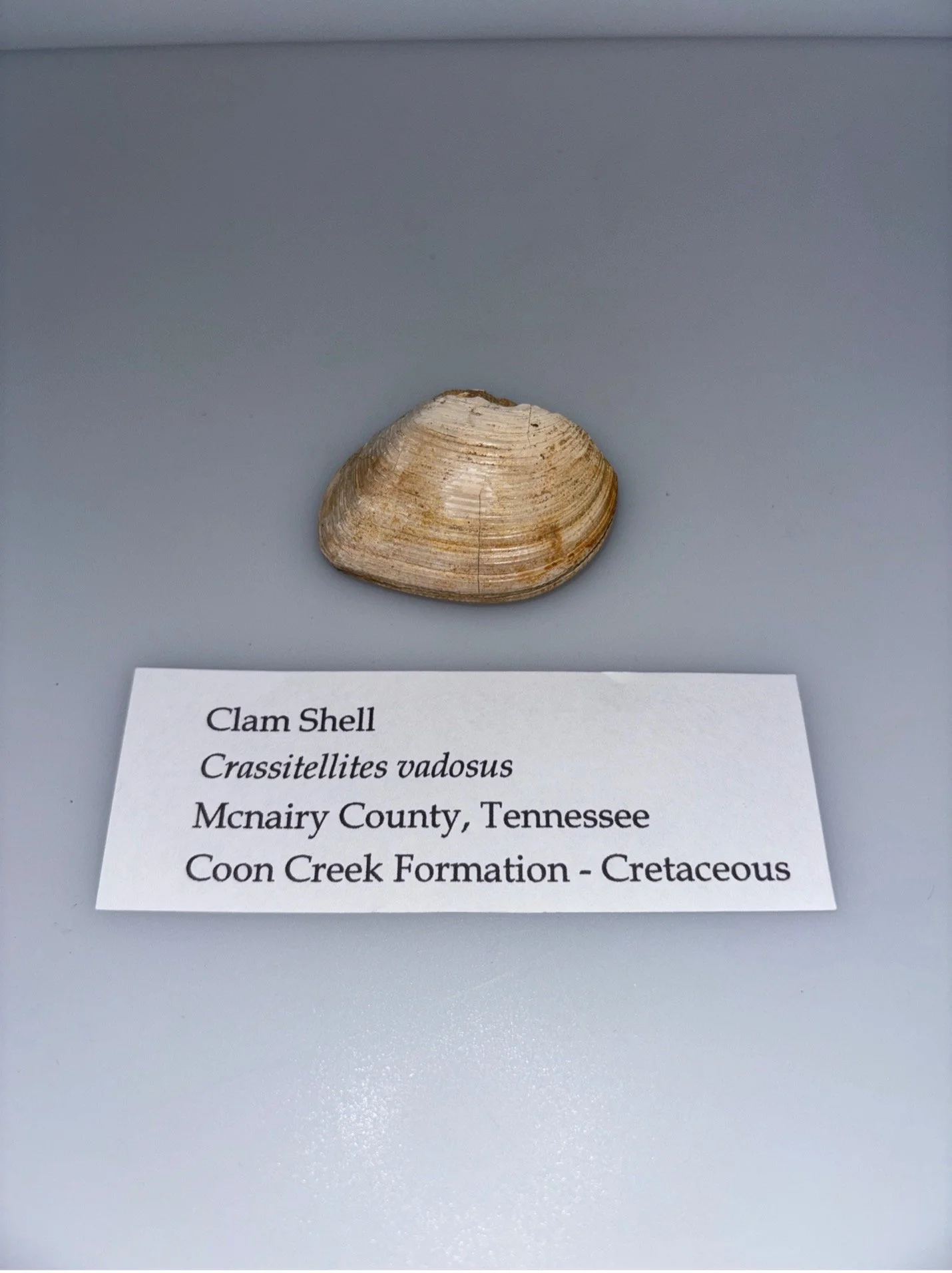
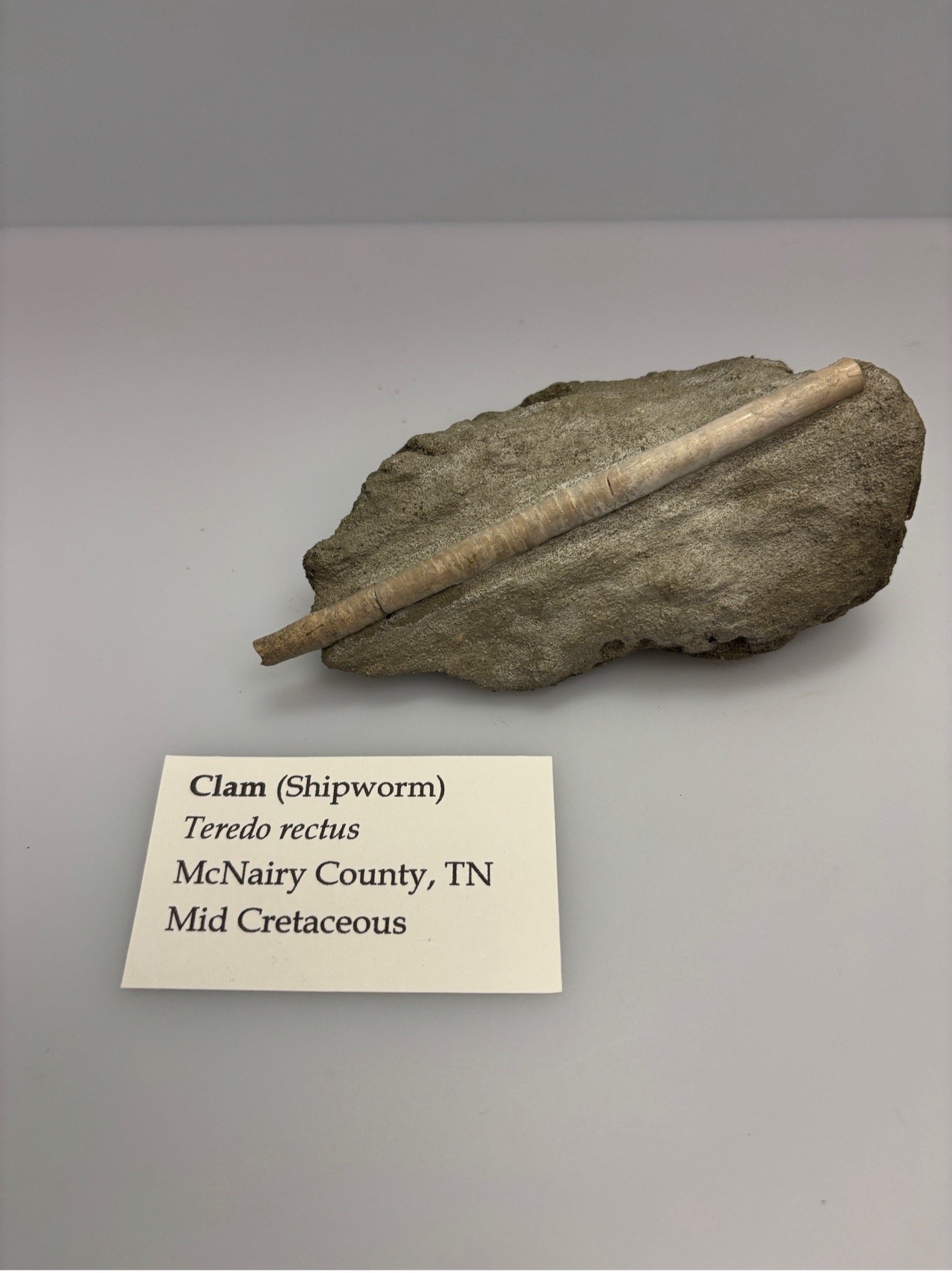
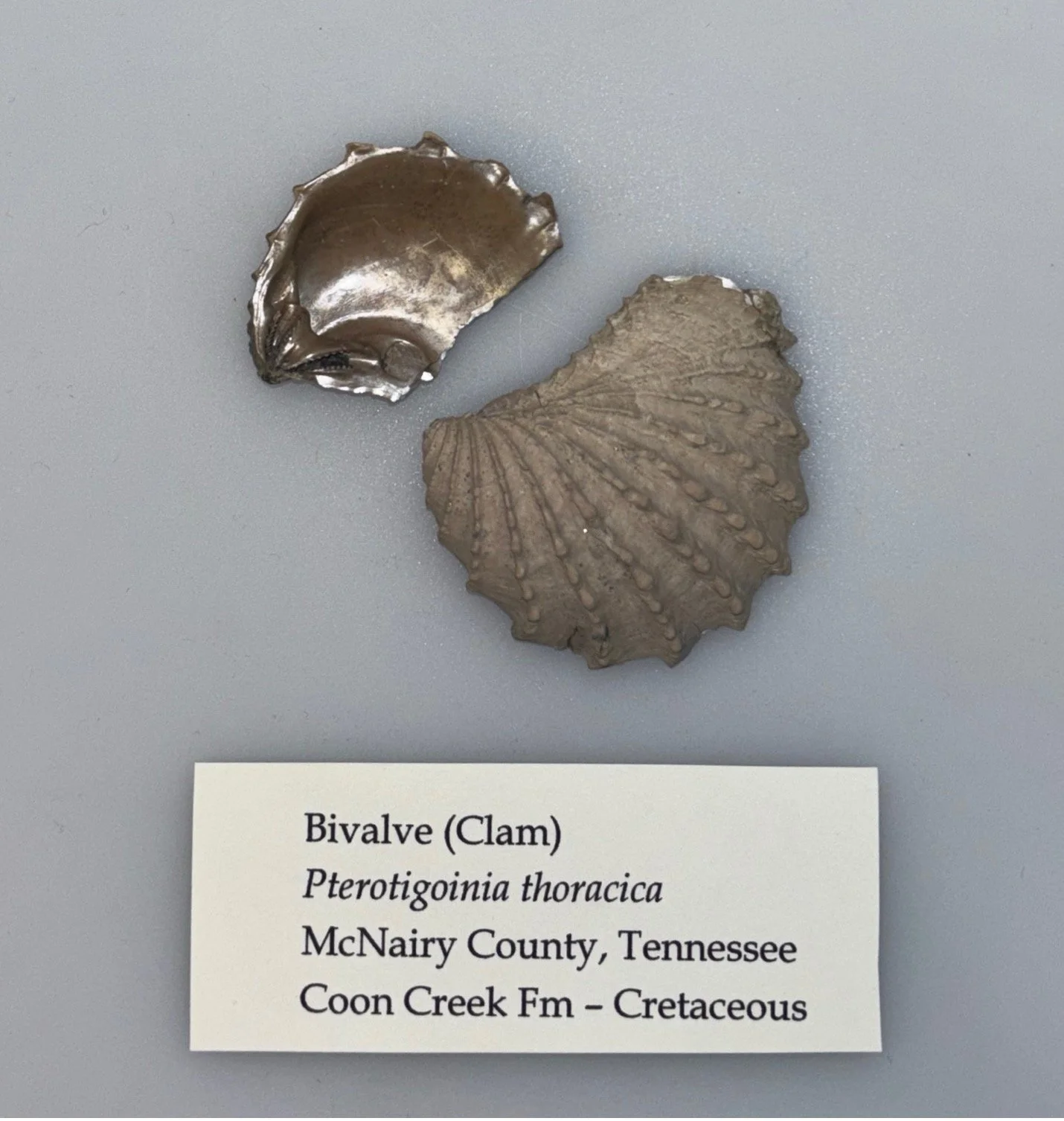
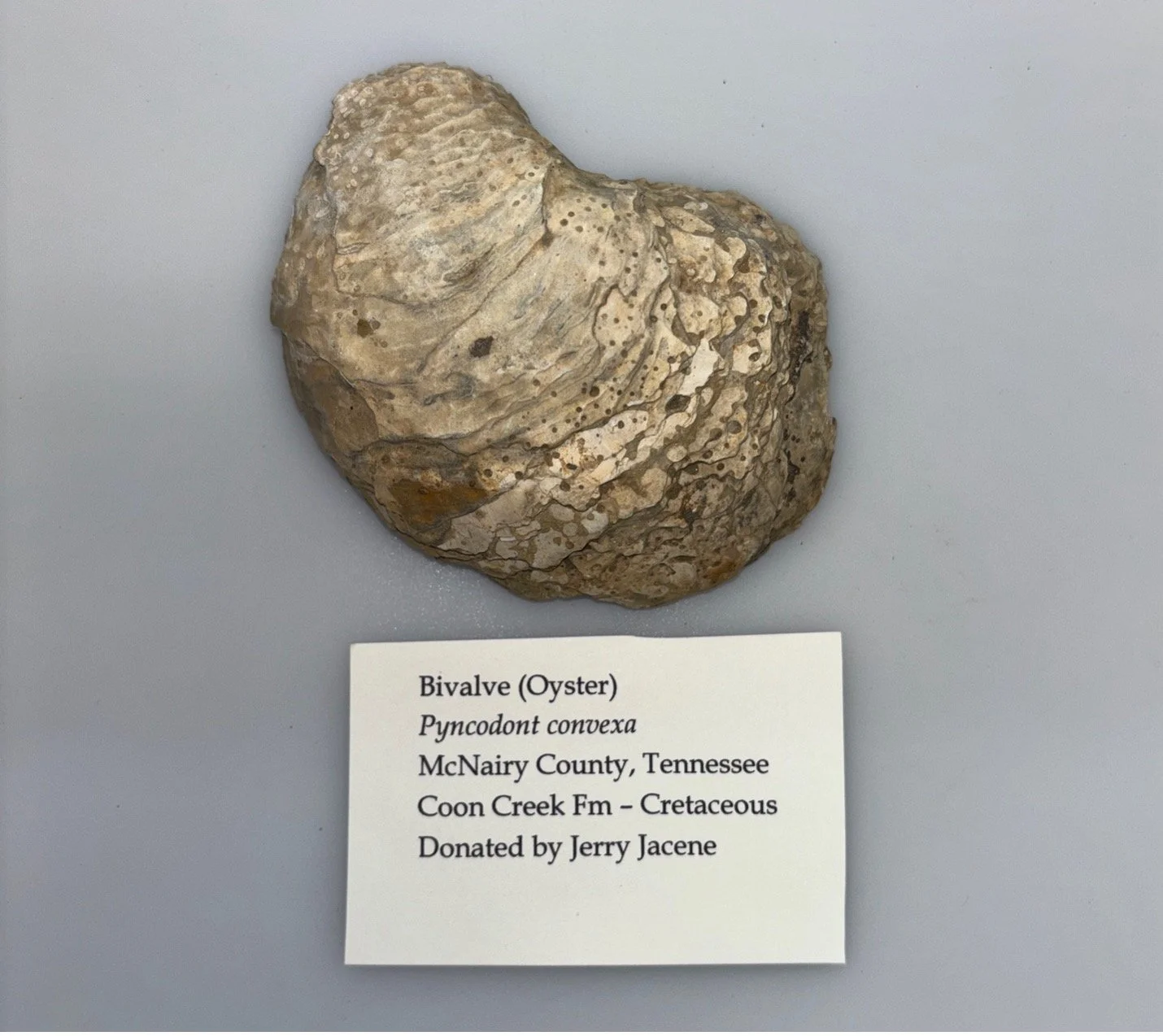
Bivalves are aquatic soft-bodied invertebrates who typically live inside a vertically symmetrical two-halved shell. They are similar to brachiopods, who are symmetrical both laterally and vertically, but the two are not actually very closely related. Today, bivalves vastly outnumber brachiopods, but during earlier periods, the inverse was true.
Bivalves are more mobile than they look, often burying themselves in sediment with the help of a muscular organ called a ‘foot’, and some can even swim by clapping their shell open and closed. Their shells have historically been used as jewelry, tools, and even money in certain cultures.


Ammonites (Devonian – Cretaceous)
At some point, most everyone has seen the fossil of an ammonite, perhaps thinking it was some kind of fossil snail shell. However, Ammonites were not gastropods, but cephalopods. Essentially a type of shelled squid, Ammonites and their cousins nautiloids populated the ancient seas eating small, slow moving organisms like plankton or jellyfish. Ammonites went extinct during the K-Pg extinction event, the same that killed the non-avian dinosaurs, alongside many other shallow water marine creatures due to chain reactions of the asteroid strike. The Ammonite’s still-living relative, the Nautilus, survived this extinction event thanks to its much deeper ocean habitat which was less effected by the issues on the surface.
Fossilization:
Ammonites are much beloved fossils for collectors, often cut down the middle and displayed in pairs as the empty chambers of the shell can fill with beautiful minerals. Ammonites can be mineralized with pyrite, agate, calcite, and even opal. Opalized Ammonites are nicknamed ‘Ammolites’.
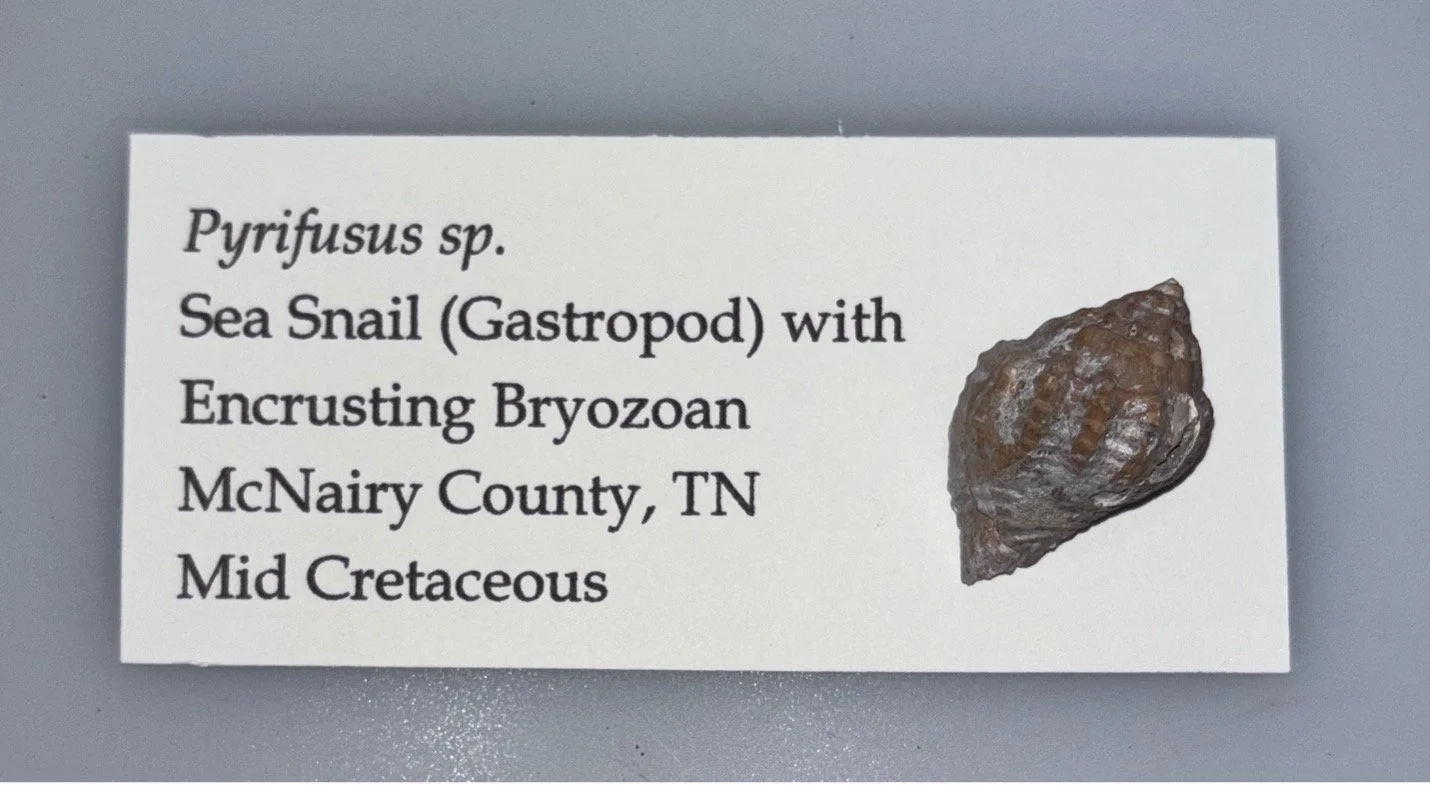
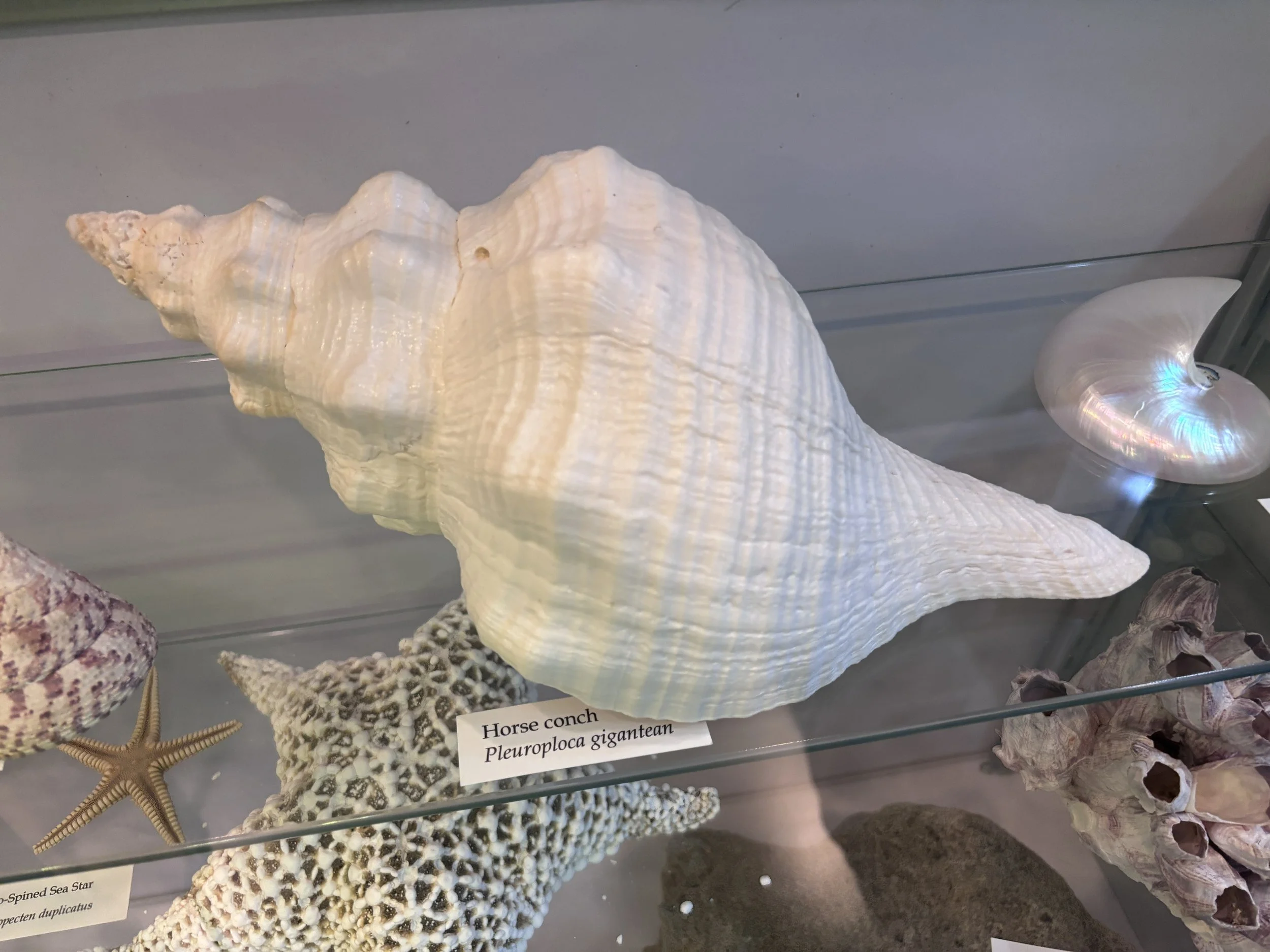
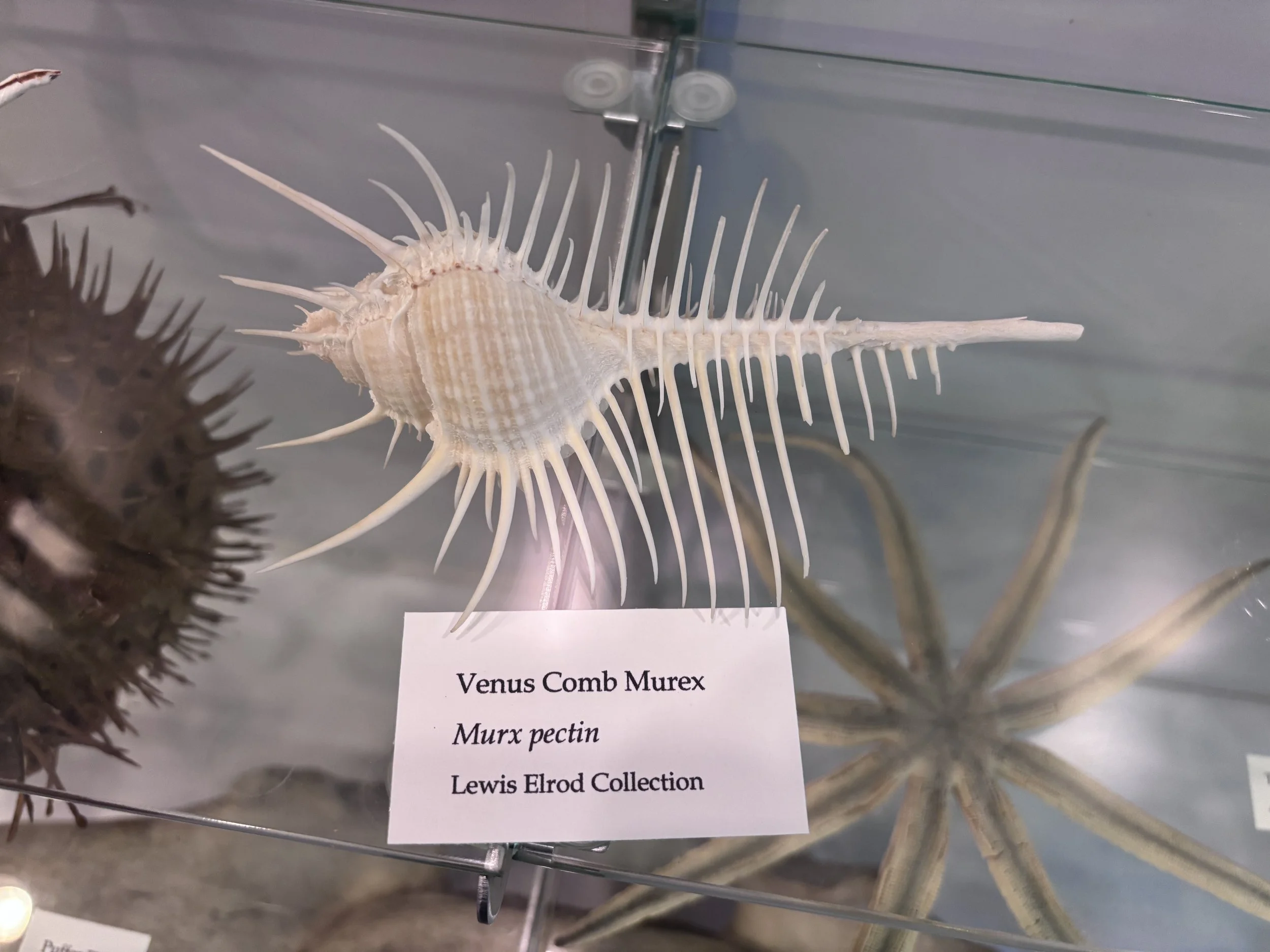
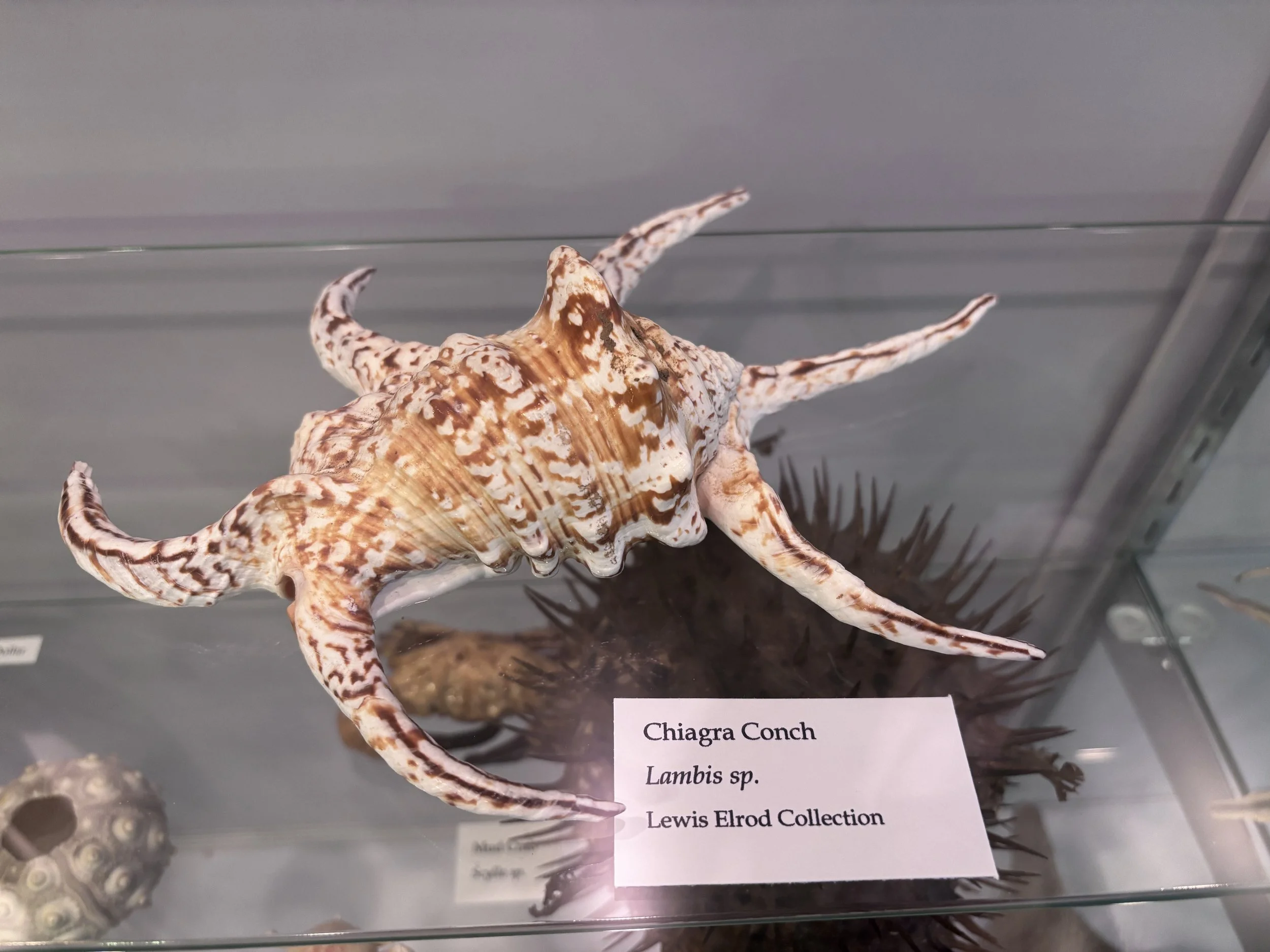
Gastropods (Late Cambrian – Present)
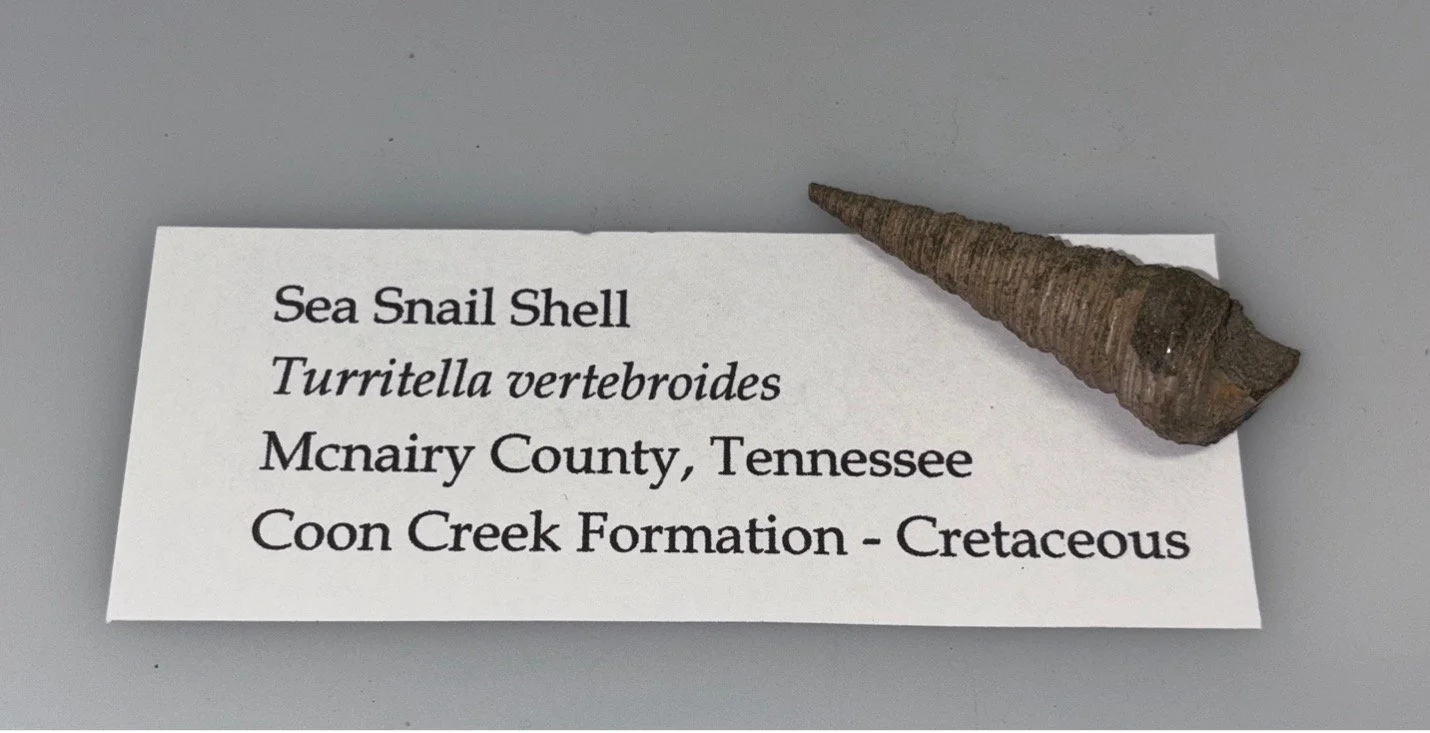
Gastropods are a class of soft-bodied invertebrates and are members of the phylum Mollusca, including things like snails and slugs. Gastropods have been around since almost the beginning of the fossil record, developing all the way back in the oceans of the Cambrian Period (485- 541 million years ago). Gastropod bodies are simple but highly adaptable, and have diversified far past marine living. Today there are species in the oceans, in rivers, on land, and even on hydrothermal vents.
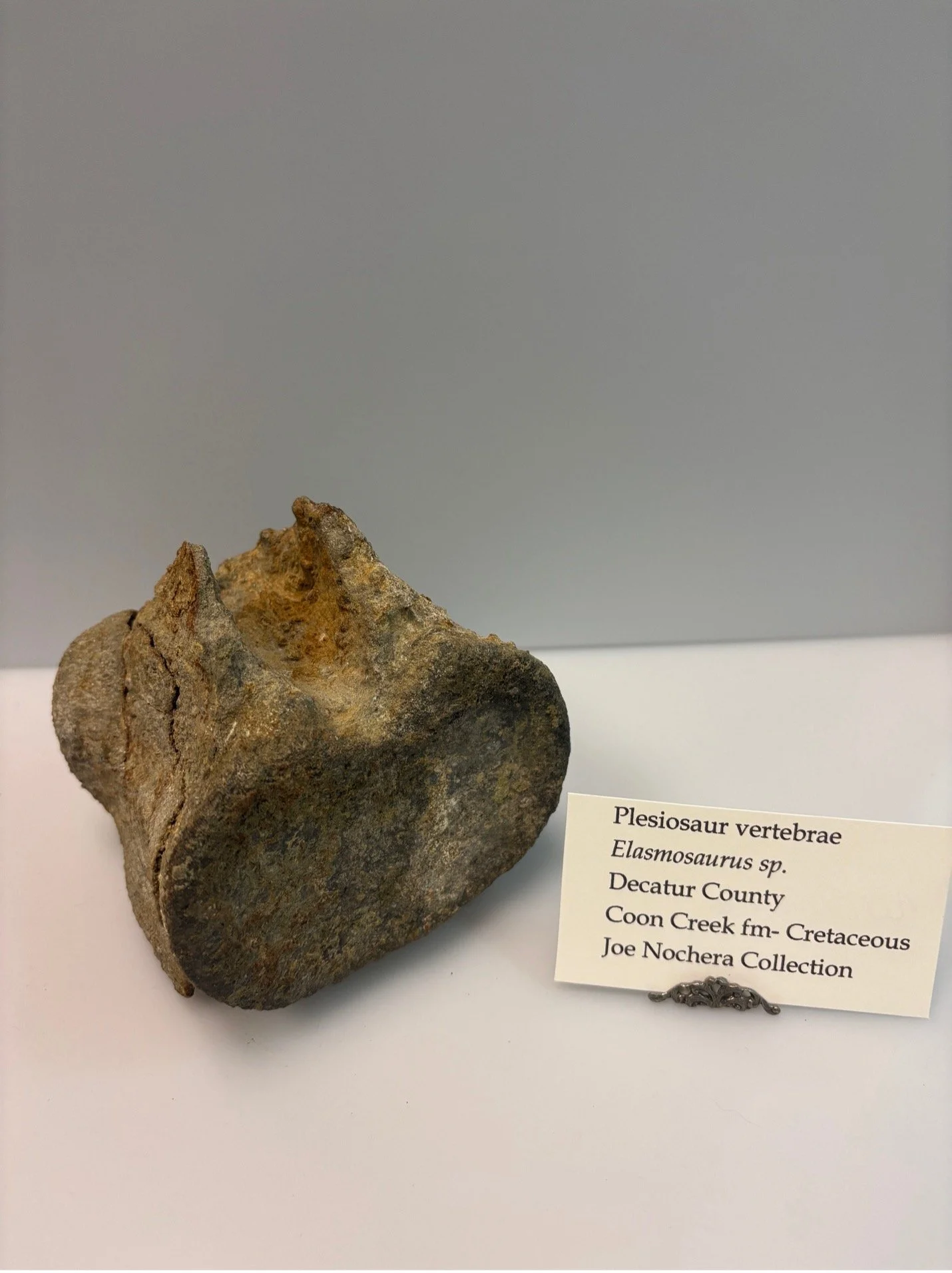
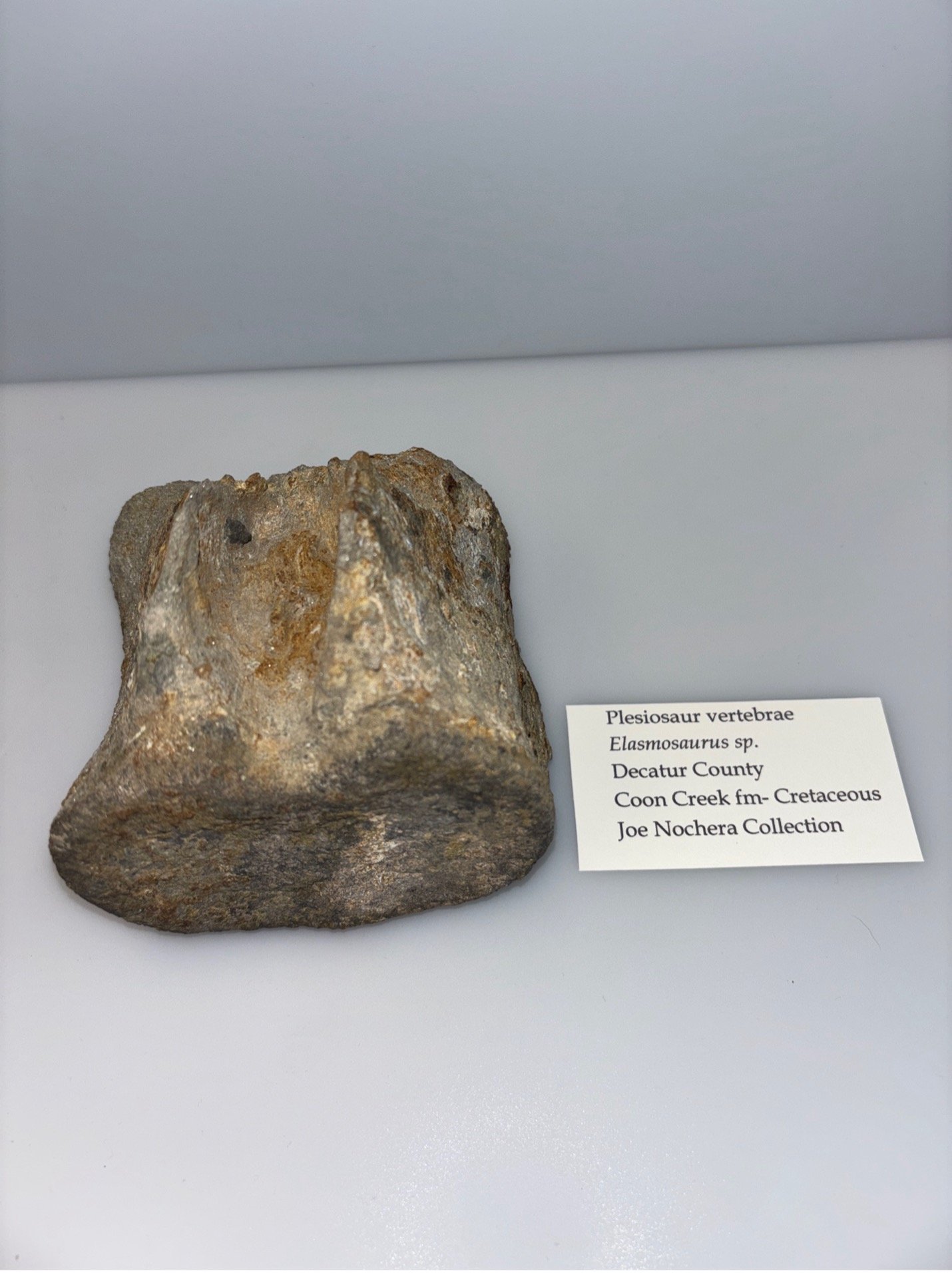
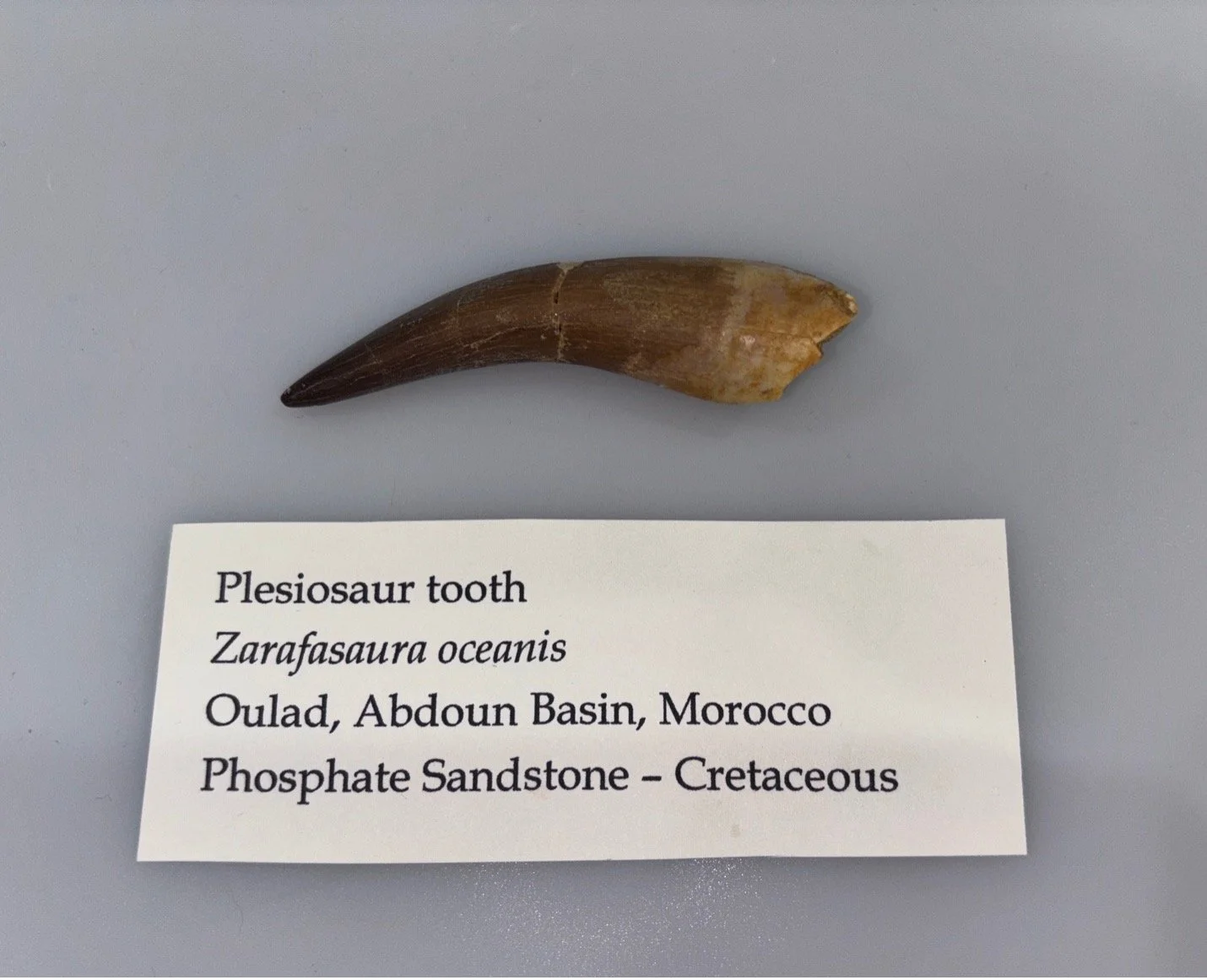
Plesiosaurs were marine reptiles that lived during the age of the dinosaurs. Though not dinosaurs themselves, Plesiosaurs are well-known for their distinctive body shape which inspired the famous cryptid, the Loch Ness Monster. While many believers argue that a Plesiosaur could still be in Loch Ness in Scotland, they all unfortunately went extinct at the same time at the non-avian dinosaurs following the K-Pg Impact. Their diet was comprised of fish and cephalopods. Plesiosaurs came in different shapes and sizes; some where large and long-necked like the Zarafasaura oceanis who had short faces with long necks, while some like the Pliosaurus had short necks and large heads.
The first complete Plesiosaur fossil was found by famous female paleontologist Mary Anning in 1823.
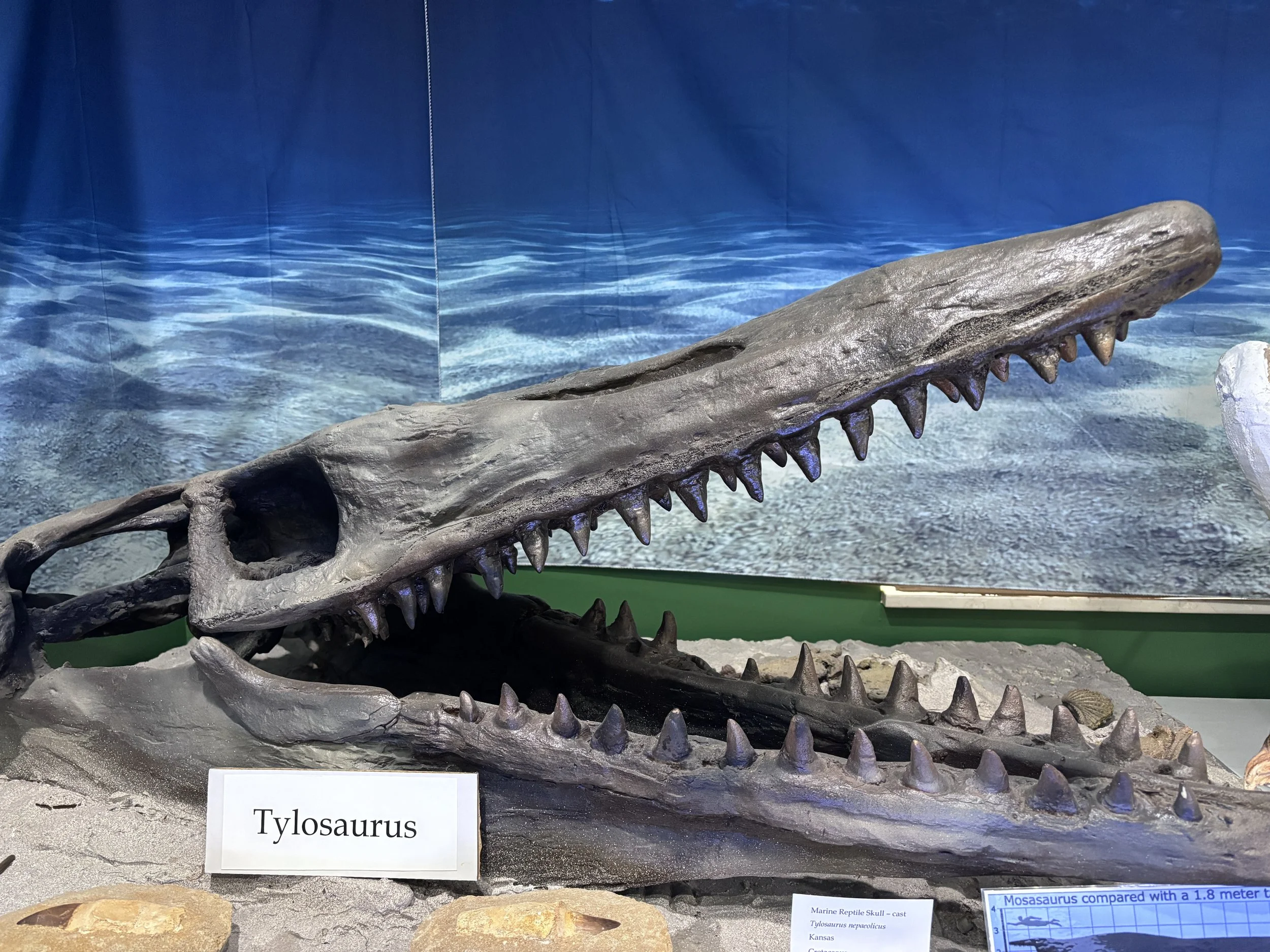
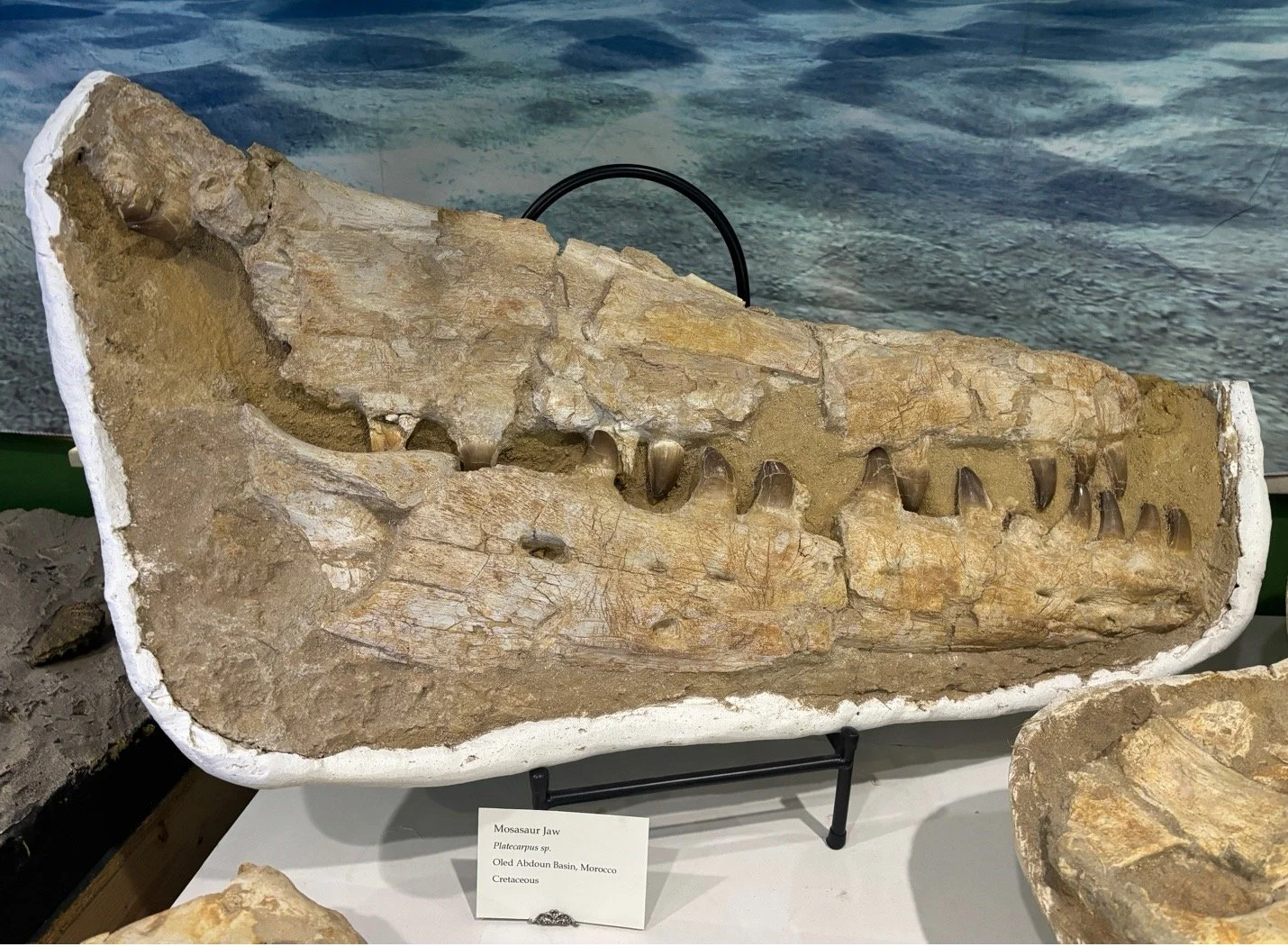
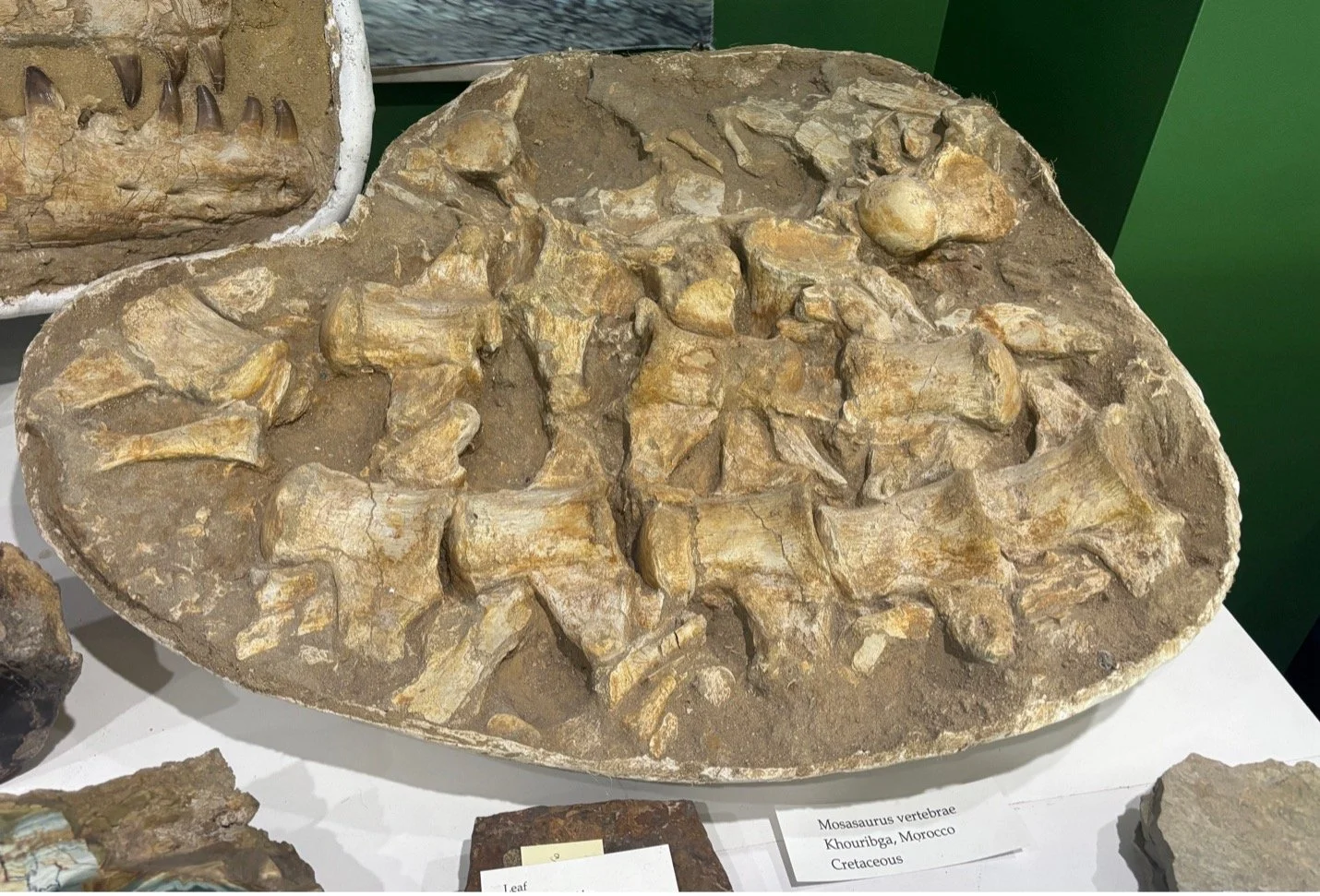
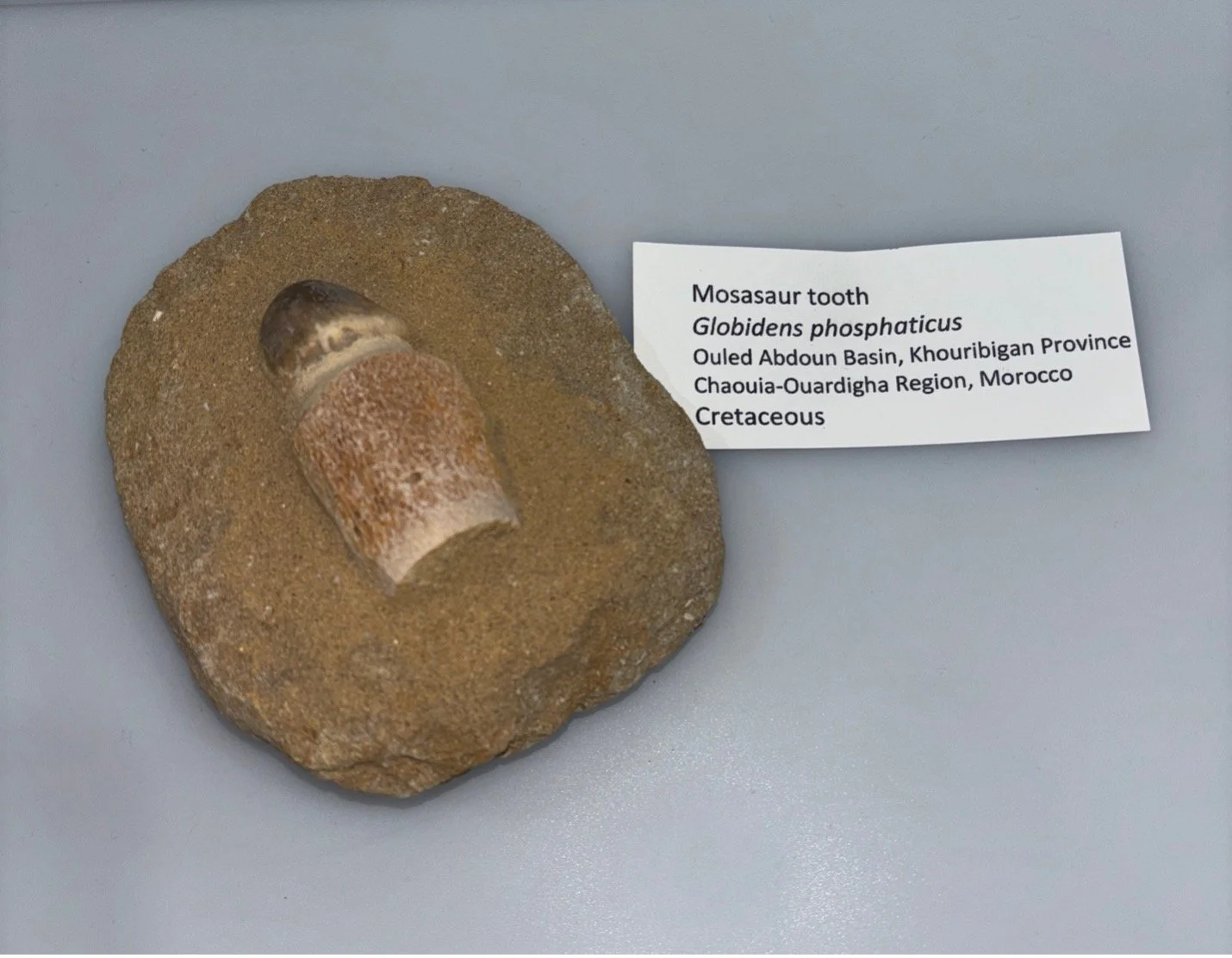
Mosasaurs were large marine reptiles that dominated the oceans of the Cretaceous period. Although they lived at the same time as many dinosaurs and have a name reminiscent of a dinosaur’s, Mosasaurs are not dinosaurs at all. In fact, their closest living relatives are monitor lizards and snakes. Mosasaurs gained popularity with the release of Jurassic World (2015), which depicts them as gargantuan, bulky-bodied giants. However, Mosasaurs in reality were sleeker and generally far smaller than the film’s depiction. The longest type of Mosasaur was the Tylosaurus, which reached up to 45-50 feet in length.
As ocean dwellers, Mosasaur fossils are found throughout the world. One freshwater variation was even found in Hungary. They were formidable predators whose diet included all types of smaller marine creatures like ammonites, fish, smaller mosasaurs, and even sea birds. While Mosasaurs stalked the ocean similar to modern sharks, as reptiles they still had to breach the surface for air like whales or sea turtles. Also similar to whales, it is likely that Mosasaurs gave live birth and did not lay eggs.
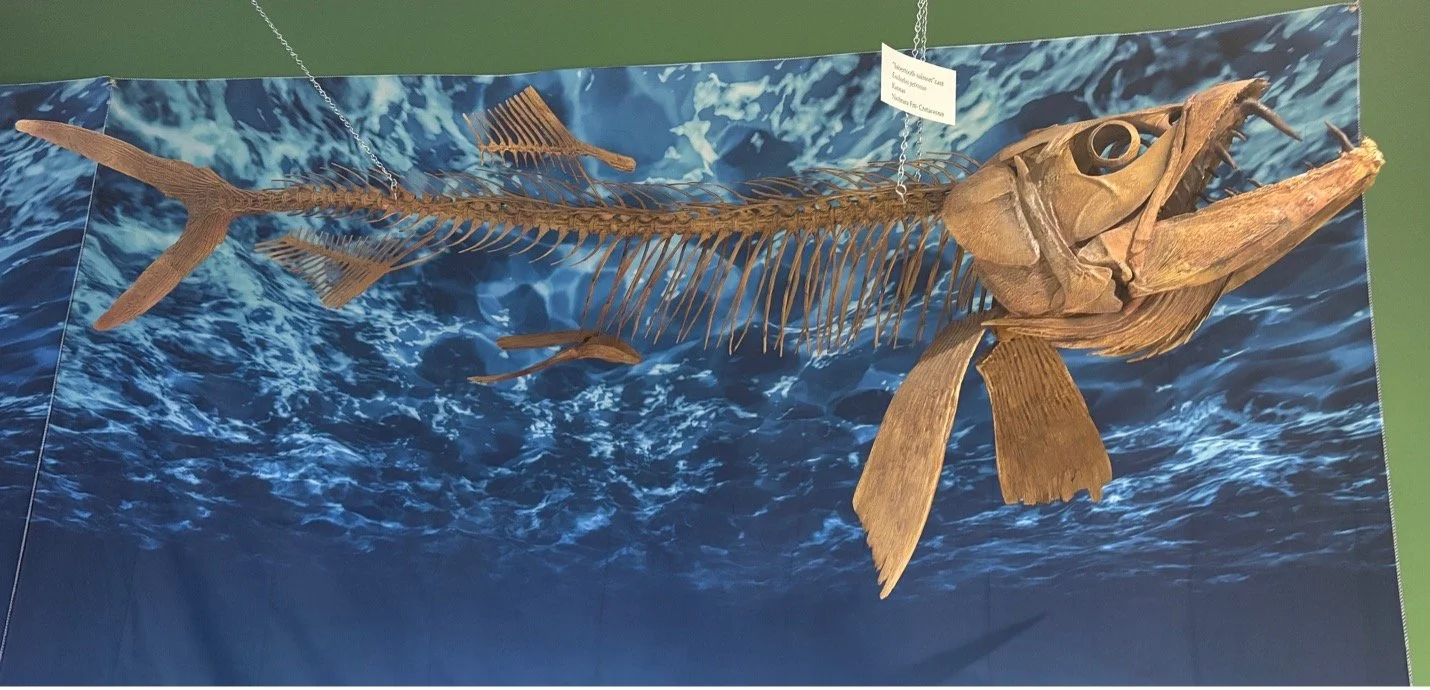
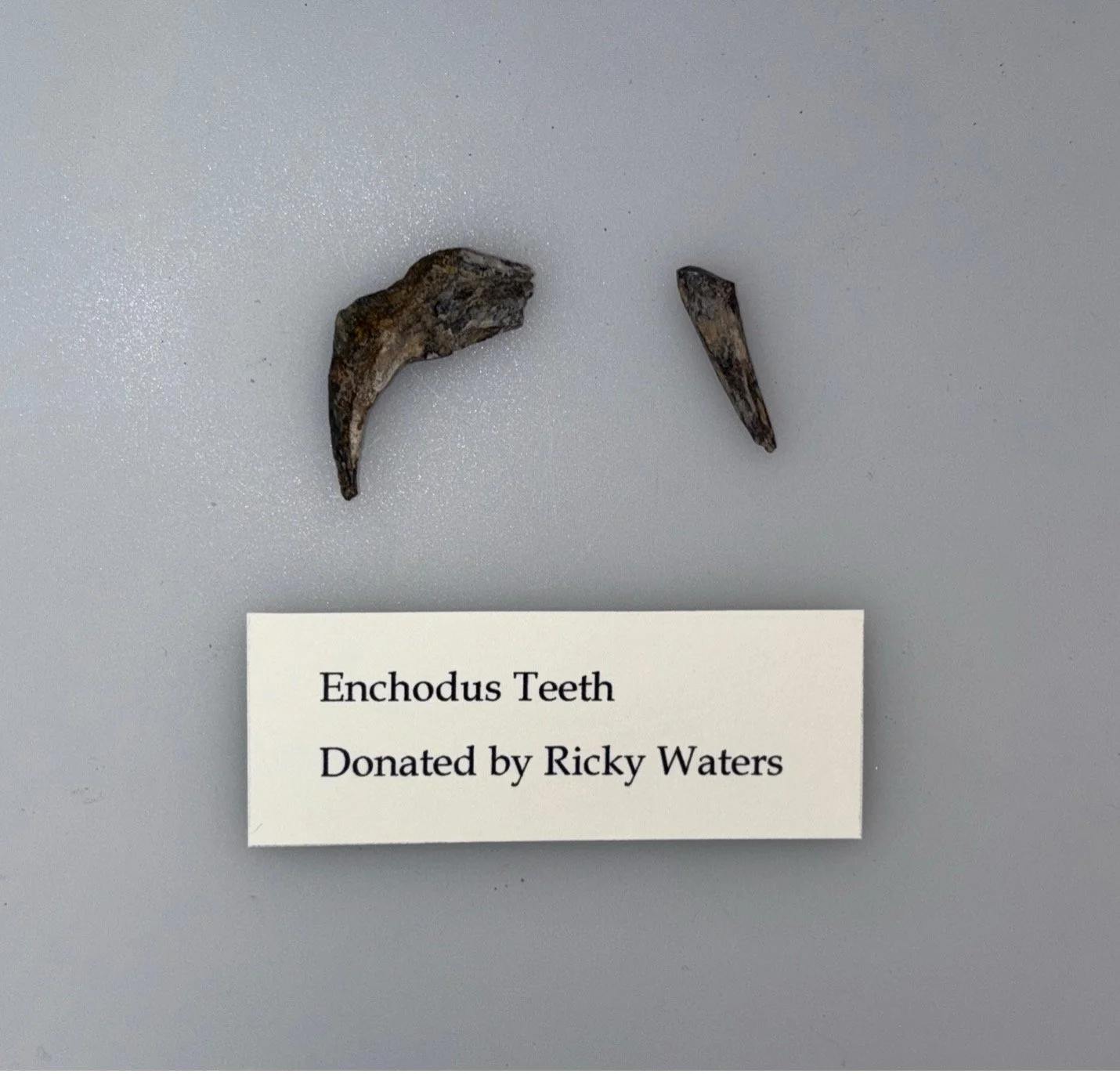
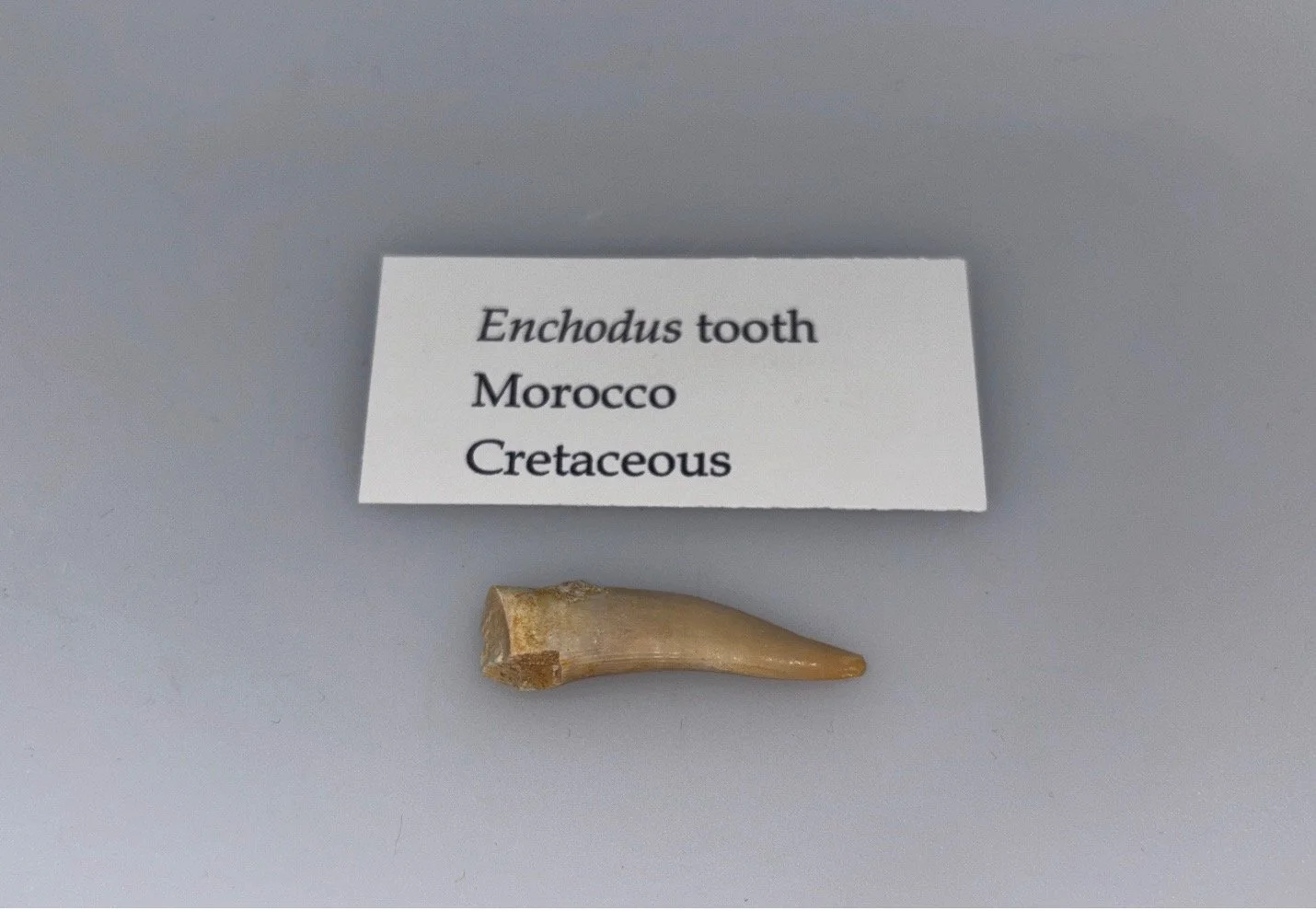
Enchodus was a genus of carnivorous fish that made the Cretaceous oceans their hunting ground. Different species in the Enchodus genus ranged in size, some adapting to hunt larger prey than other, but all had a mouth full of sharp teeth and a powerful bite. Enchoduspetrosus was the largest species of its kind, growing to about 5 feet in length. Its diet included smaller fish, cephalopods like squids and mollusks, and crustaceans.
No results match your search. Try removing a few filters.