Brittle Stars are echinoderms (related to sea stars, urchins, crinoids, etc.) which use their long, serpent-like arms to crawl across the ocean floor or swim through the water. They can look very similar to sea stars but can be differentiated by their distinct central body disk and thin flexible arms, which are often covered in spines. If attacked, Brittle Stars can defensively drop their arms to make their escape and live to regenerate them another day.

Blastoids were a type of echinoderm (relative to starfish and sea urchins) that lived on the bottom of the ancient ocean’s floors. The were close relatives to the crinoids and, like them, relied on filter feeding. Unlike crinoids, Blastoids went extinct at the end of the Permian period due to the ecologic fallout from extreme climate change.


Stromatolites form when carpets of microbial life (usually cyanobacteria) are covered with a layer of sediment. That layer is then repeatedly covered by more cyanobacteria, which is covered by more sediment, and so on and so forth. When this structure fossilizes, we can see the layers formed in stone. Stromatolites can have different colors due to the type of minerals that made up the sediment. Sometimes Stromatolites are cut into slices so that those layers are visible, as pictured here.
Stromatolites have been forming for as long as cyanobacteria have existed, which is a really long time (about 3.5 billion years ago), and continue to do so in certain marine environments today.


Bryozoans are a type of filter-feeding colonial marine animal that has been living in the oceans since near the beginning of life on the planet. An individual Bryozoa is plant-like in appearance, but the colonies often form round, blobby masses that tether to various surfaces.
Bryozoan fossils can also look like tree branches and can be found all over the world, including here in Tennessee!

Also known as Sea Scorpions, Eurypterids were arthropods that first developed in the sea and later made their home in brackish and freshwater environments. Eurypterids get their nickname from their scorpion-like body shape, especially with their spiked tail. Despite some visual similarities, Eurypterids were more closely related to other ocean-dwelling arthropods like the horseshoe crab. Though most species of Eurypterid were small (under 8 inches long), the largest species Jaekelopterus rhenaniae grew up to 8 feet and somewhere between 440 and 660 lbs., making it the largest arthropod over discovered.


Nautiloids are an entire group of armored or shelled cephalopods that were prevalent during the Mesozoic Era, but still have some living members today. Many nautiloid species had long, conical shells that protected them from predators. Others resembled their cousins Ammonites with a curled, spiral shell. The only living members of the Nautiloid family are the nine living species of Nautiluses, which sport a spiral shell and live deep in the Pacific Ocean.

Also called Rugose Corals, Horn Corals were plentiful in the ancient oceans. At first glance, it is easy to mistake a horn coral for a horn or even a tooth, but that was simply how they were shaped. Horn corals were carnivorous and presumably had small tentacles that emerged from the larger end of its body that could sting and incapacitate microscopic prey. Solitary Horn Corals ranged in size; the small, common varieties were about 1-4 inches long, while larger species could reach up to 3 feet long.


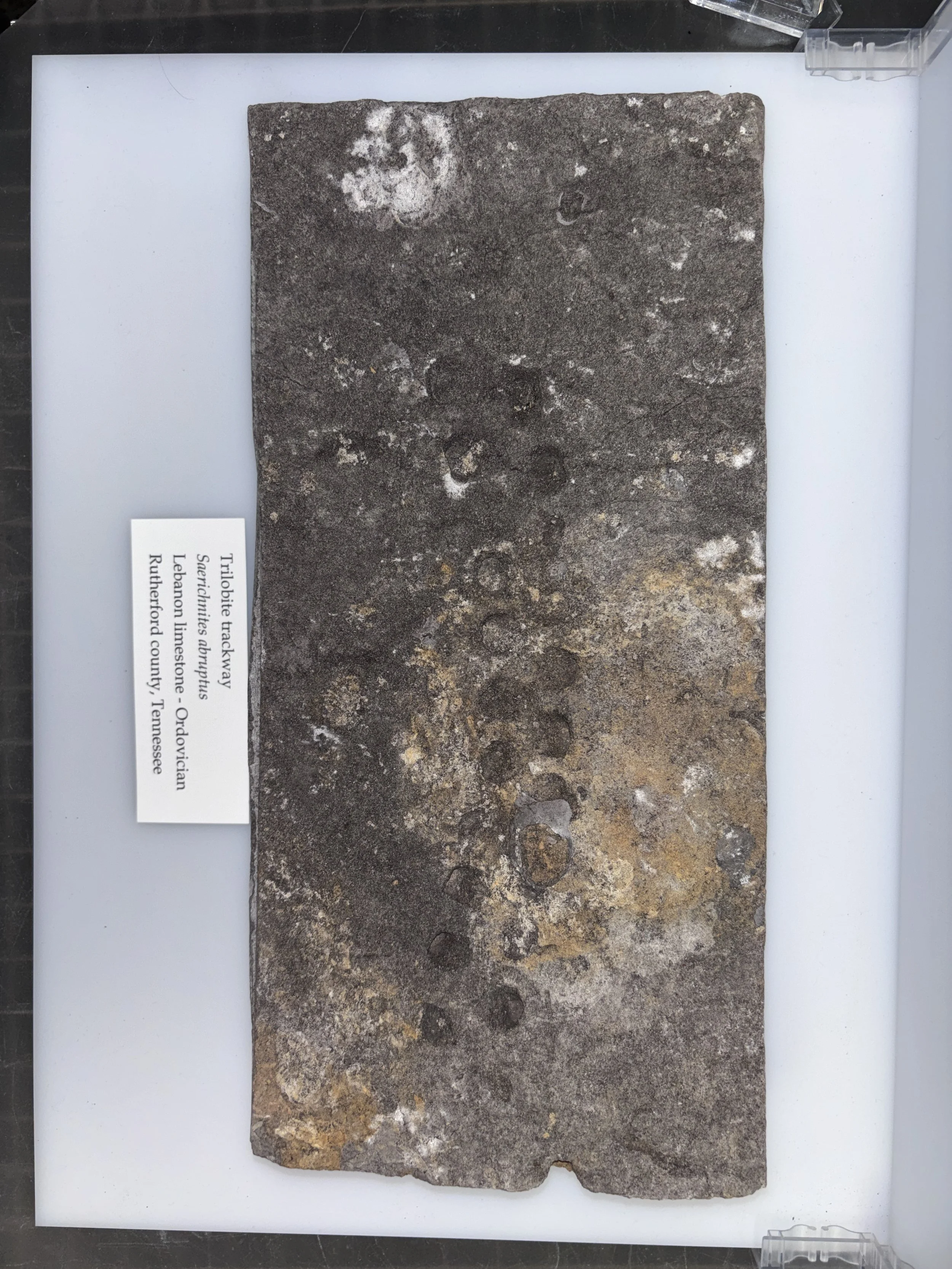
Trilobites were marine arthropods that lived on earth for 300 million years. They were generally small, had a segmented exoskeleton, and crawled around on the bottom of the oceans floor. Most Trilobites had eyes or eye-like structures that were positioned atop their heads and ate detritus that had settled into the sediment (a little like a living Roomba).
Because Trilobites were around for so long and were so prolific, their fossils are found all over the world. The smallest species were mere millimeters long, and the largest was almost 30 inches long. They often died in odd positions, similar to a bug, which you can see demonstrated here.


Crinoids are marine echinoderms (the group that contains urchins and starfish) that have been a part of Earth’s history for about 500 million years. They first developed during the Cambrian period, and some species still live in the oceans today. Despite appearing plant-like at times, crinoids are animals. Older crinoid species typically had a stem which anchored them to the ocean floor, a calyx or cup on top of that stem which contained its organs, and arms branching out from the calyx to help it filter feed. Crinoids have diversified a lot in the last half eon; some still anchor down in coral reefs, while some have evolved to swim around using their feathery arms for propulsion.
Fossils of crinoids can be found all over the world, even in Tennessee. Sometimes, you’ll hear these fossils called ‘Indian money’, and while Native Americans did not use crinoid fossils for currency, they were sometimes used as beads for jewelry. To find crinoid fossils, keep an eye out for something that looks like a stack of coins or a disk with the middle cut out –– that’s a fossil crinoid stem!


Arthropleura was a giant millipede and was the largest land-based arthropod to ever exist. The largest fossil ever found was a staggering 8 feet in length. It lived in the oxygen-rich forests of the carboniferous, and like modern millipedes, it likely ate detritus that accumulated on the forest floors. Its body was covered in segmented armor plates, yet the Arthropleura had no real predators because of its size (at the time, it would have been the largest land animal).


The Mesosaurus brasiliensis was a small aquatic reptile that lived during the early Permian.
The Mesosaurus was actually used as proof by Alfred Wegener in 1912 to argue his theory that the planet once had a supercontinent we call Pangea that split into the continents we know today. The fossils of the Mesosaurus brasiliensis are found in two places: the Irati Formation of Brazil in South America, and the Whitehill Formation of southern Africa. As you might have noticed, these two locations are separated by an entire ocean. The little Mesosaurus brasiliensis did not swim across an entire ocean, but instead, its old habitat was split in two due to continental drift.


(Early Permian)
Captorhinus was a genus of early reptiles that lived during the Early Permian period. They were omnivorous and similar in size to a bearded dragon. Though they may not look like much, Captorhinus is incredibly important to the fossil record. These excellently-preserved reptiles possess one of the earliest known rib-powered breathing systems. Unlike their predecessors who breathed by absorbing oxygen through their skin or by lowering their jaws (a bit like a frog breathes for visual reference), the Captorhinus’ ribs expanded with each breath. This new breathing system was better suited for more active lifestyles of these new land-dwelling animals and allowed for more diversification over time.
Captorhinus also had a parietal eye, or a third light-sensing structure on the top of their heads, which certain fish, amphibian, and reptile species also possess.


The Edaphosaurus was a large herbivorous synapsid that lived during the end of the Pennsylvanian period and into the Permian period. Like the Dimetrodon, the Edaphosaurus had a large back sail, likely for thermoregulation and social display. The species in the Edaphosaurus genus could grow anywhere between 1.6- 11.5 feet in length, but each had a round body, stocky legs, and a small head.

Though often confused for a dinosaur, the Dimetrodon predates the first dinosaurs by 10 million years. Better yet, the Dimetrodon was a synapsid, which was a group of animals that would eventually evolve into mammals. One of the Dimetrodon’s most striking features was the large sail on its back supported by long vertebral spines. The sail was likely used for thermoregulation and social display (I.e. attracting mates and species identification) and was likely brightly colored with distinct patterns.
Dimetrodons were the apex predators of their time and utilized an ambush hunting style. The name “Dimetrodon” means “two kinds of teeth” because it was one of the first animals to evolve two different types of teeth; its larger, sharper front teeth caught its prey while the side teeth were better suited for shearing off bite-sized pieces of meat.

Eryops was a temnospondyl (precursor to amphibians) that first developed during the Carboniferous (Pennsylvanian period) and persisted until the early Permian. The Eryops was a squat, rotund amphibious animal that walked on all fours. It ate fish, smaller amphibians, and arthropods. The Eryops had a large, flat head with strong jaws which made it an effective hunter.
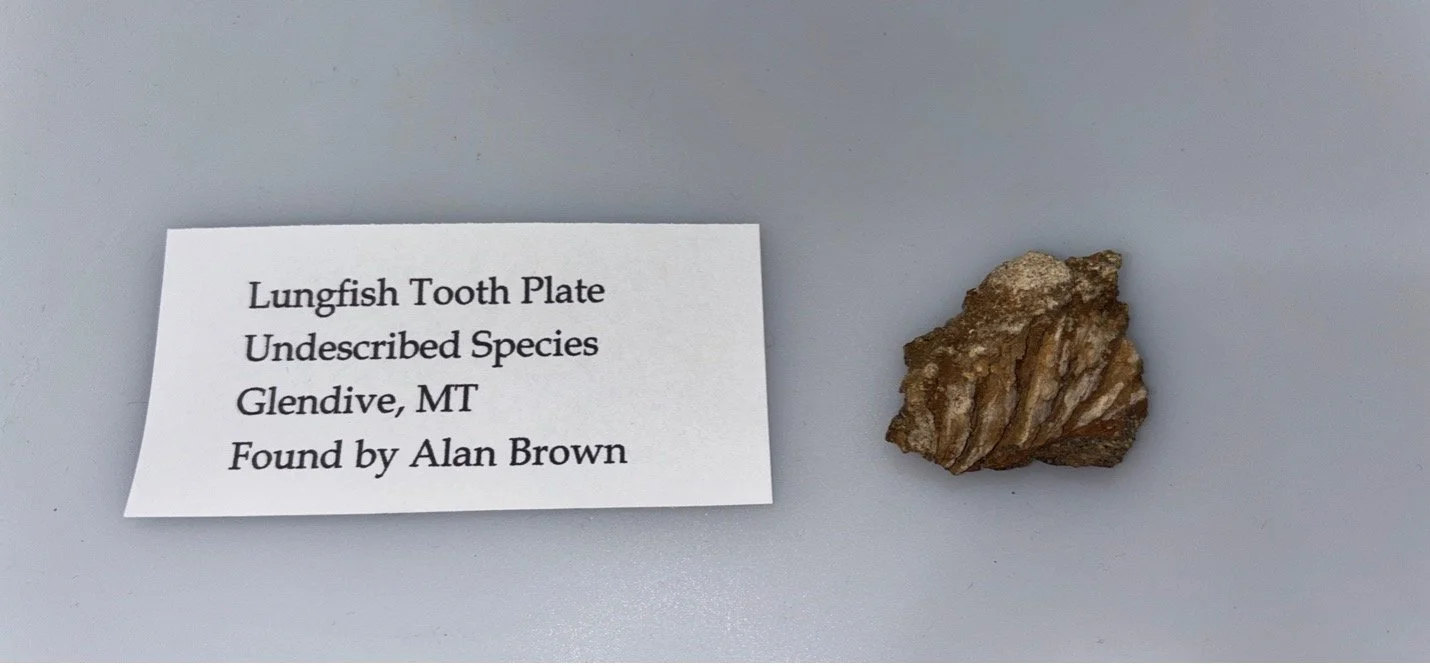
(Early Devonian – Present)
Lungfish are long, eel-shaped fish that can breathe air. While some species of lungfish possess both lungs and gills, they have an advantage over gill-exclusive fish types because they are able to survive in oxygen poor waters and withstand droughts, which may explain why they have managed to stay relatively unchanged over the last 400 million years. Lungfish are considered a “missing link” in the evolution of mammals, reptiles, amphibians, and birds as they are the closest relative to early tetrapods (or all vertebrate animals with four limbs).
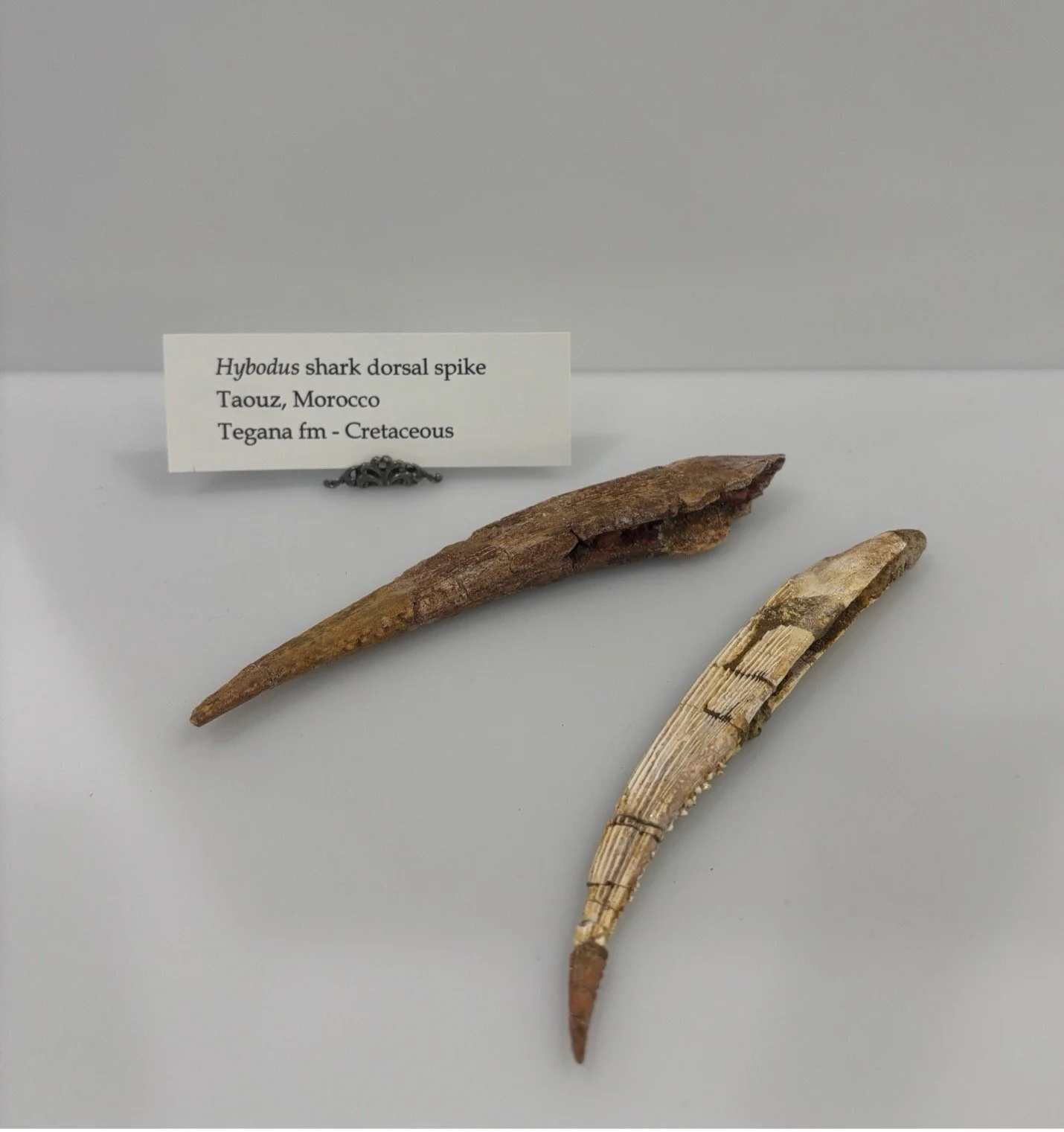
Ancient Shark (Permian – Cretaceous)
Hybodus was a genus of shark that had great success in the ancient oceans. It was about 6 feet long and had small crown of spikes on its head and two more larger spikes by its dorsal fins. These spikes would have protected the shark from bigger predators, which partly contributed to its success. Another trait Hybodus had was two types of teeth for two types of prey. The teeth at the front of its mouth were sharp, used to bite down on prey, while the teeth in the back of its mouth were flat and could crush and break down hard shells and bones—a little like your own molars.
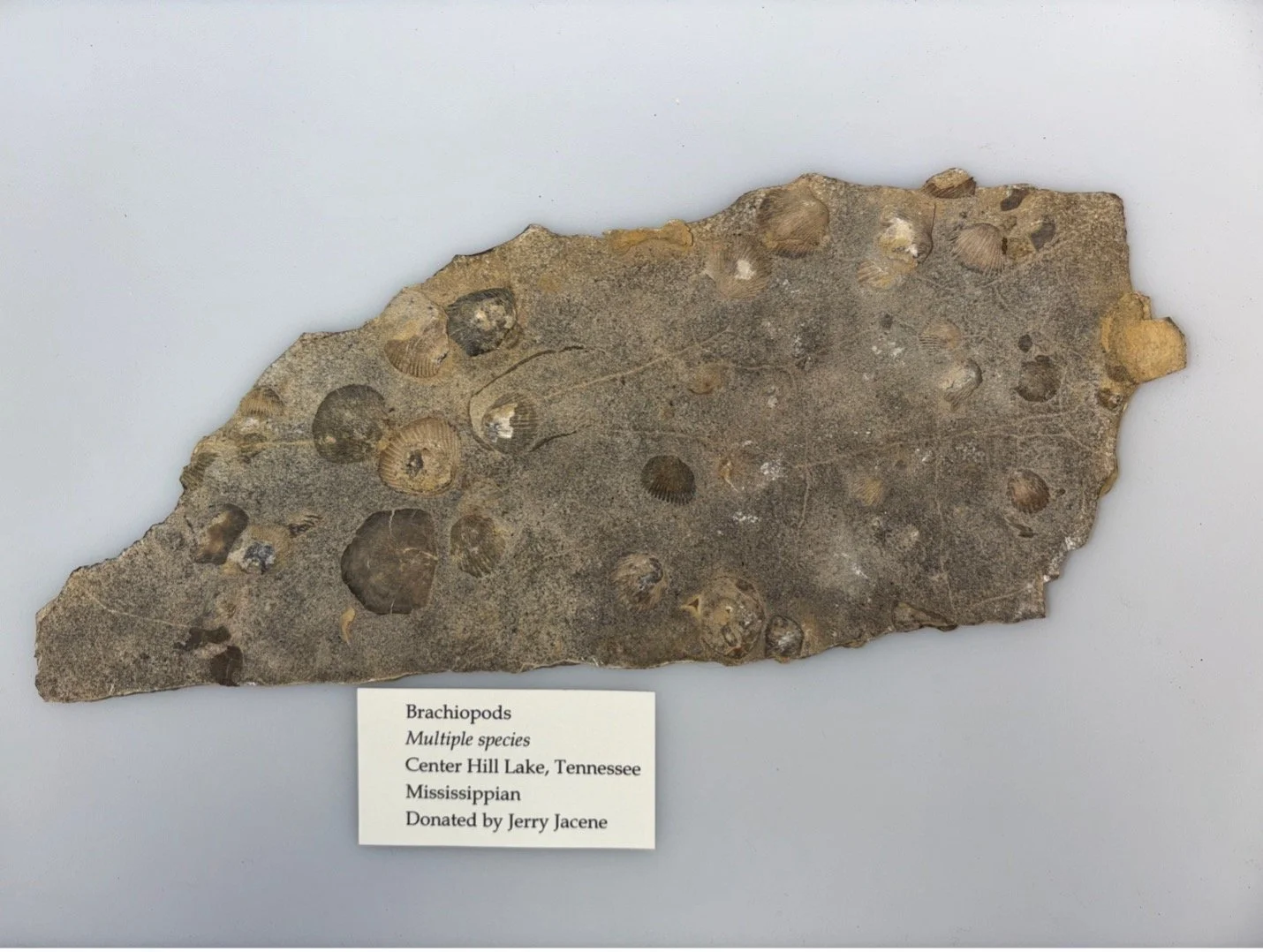
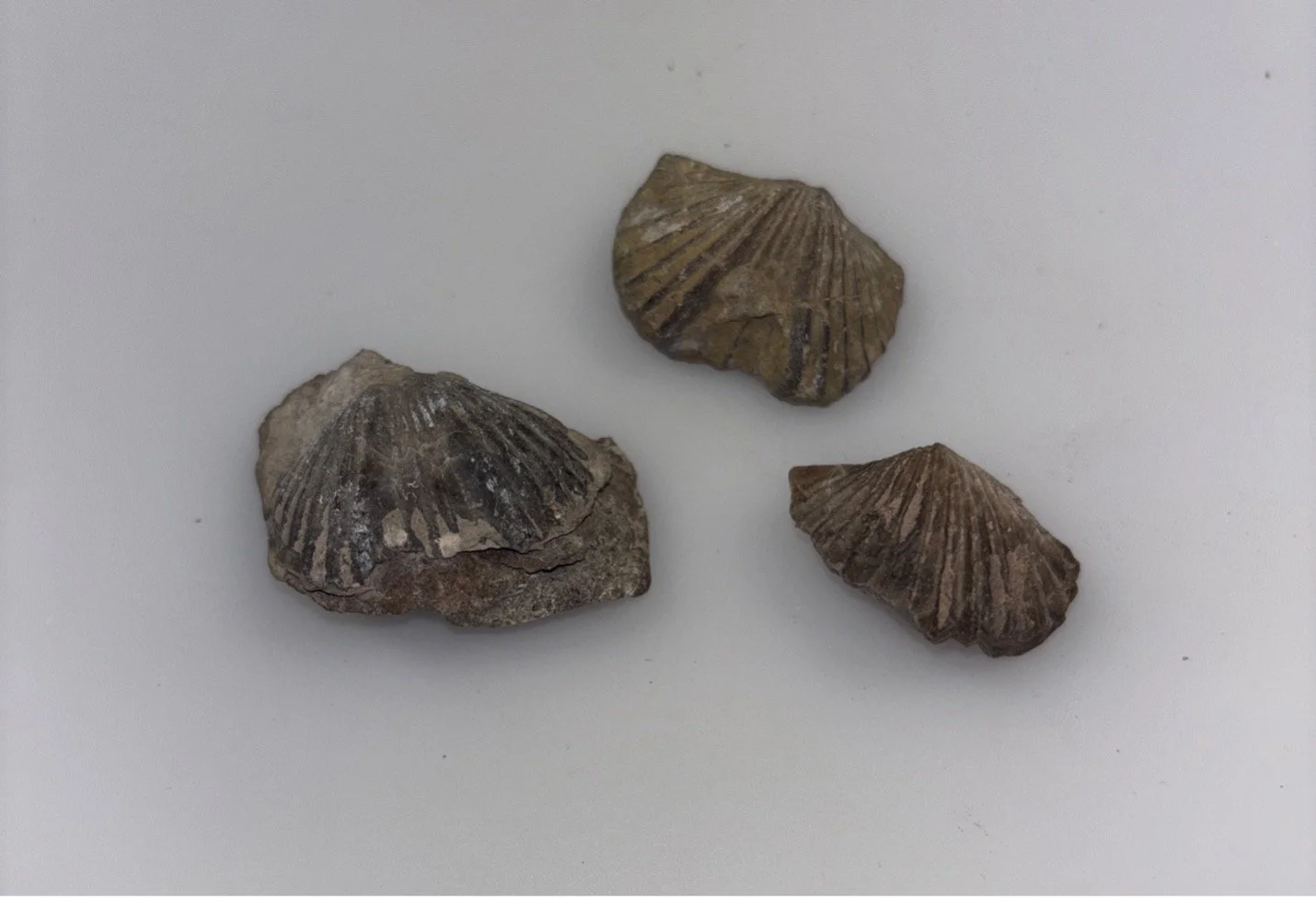
Brachiopods (Cambrian – Present)
Brachiopods are aquatic soft-bodied invertebrates who typically live inside a symmetrical two-halved shell. Though similar to bivalves in design, Brachiopods are deceptively unique, belonging to their own phylum, Brachiopoda. Brachiopods are generally stationary and are typically anchored in one spot, relying on filter feeding.
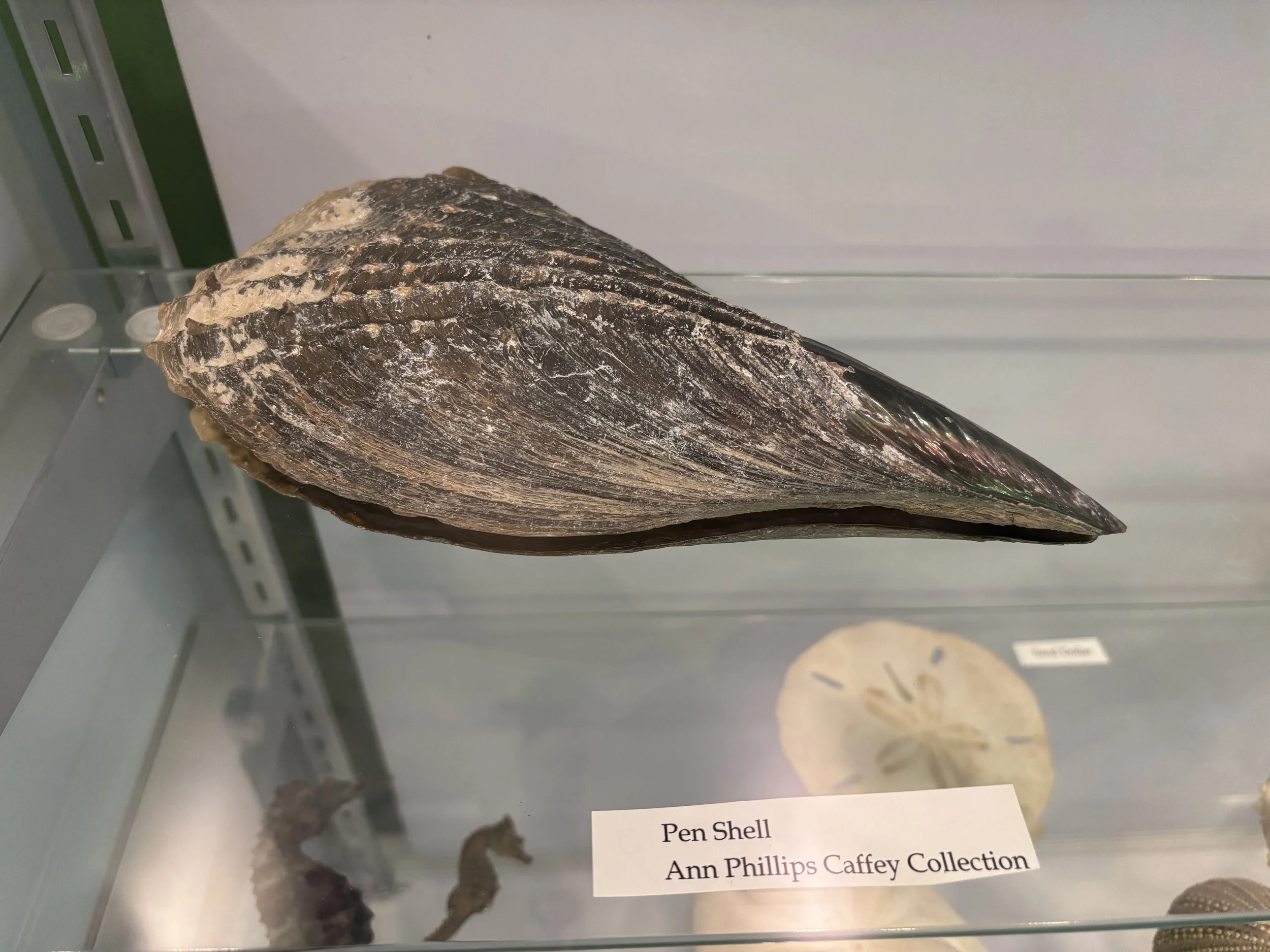
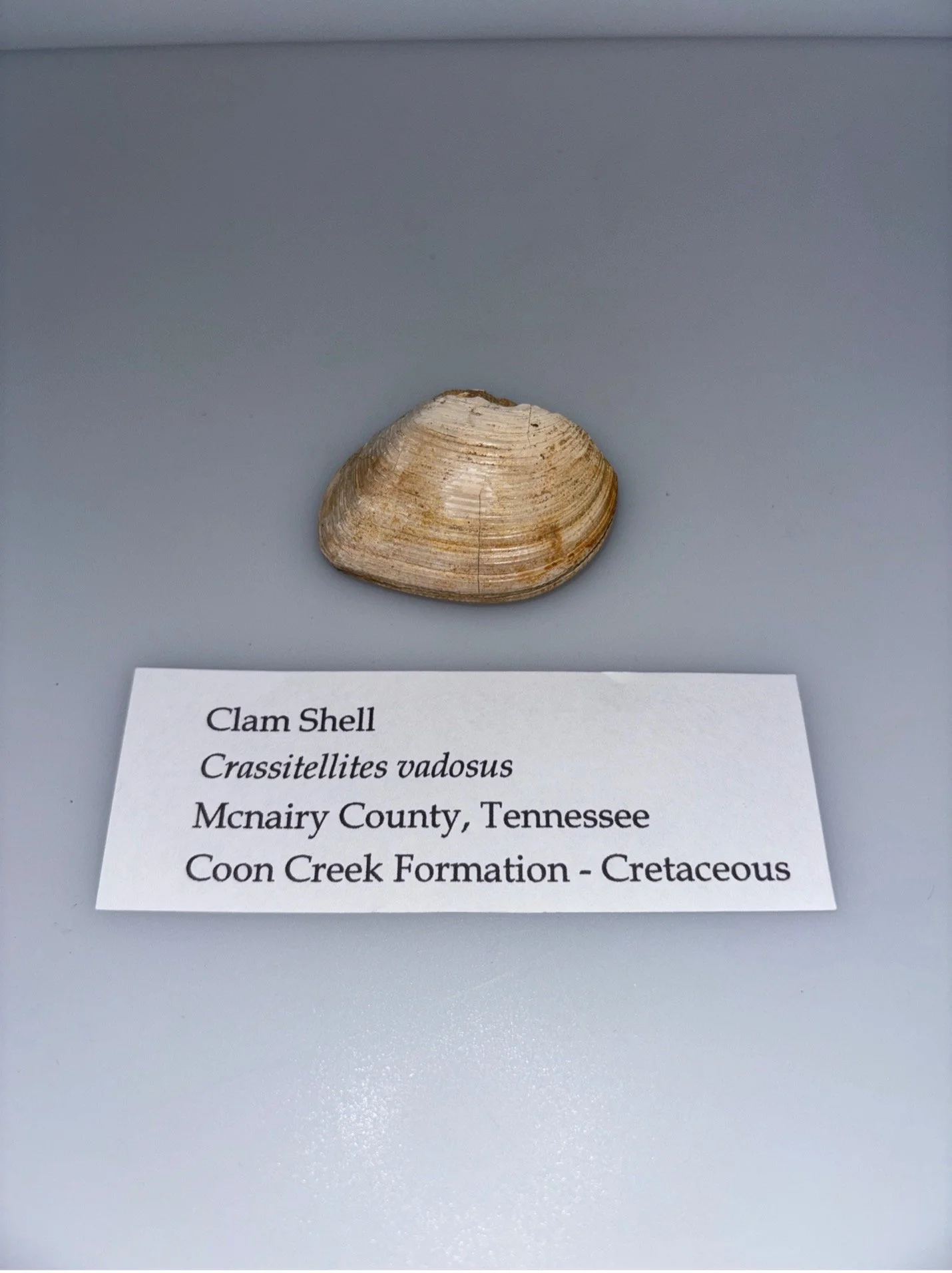
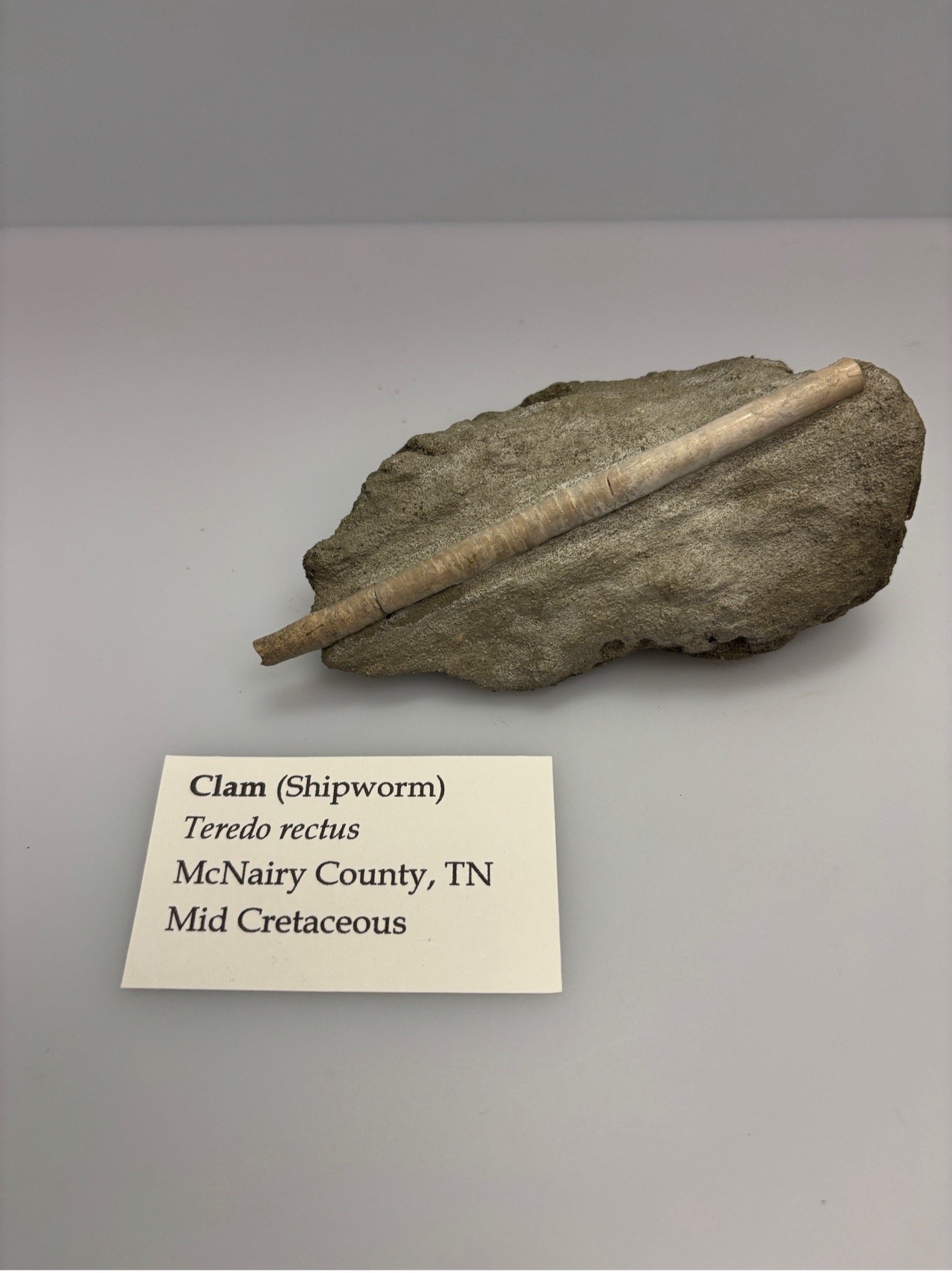
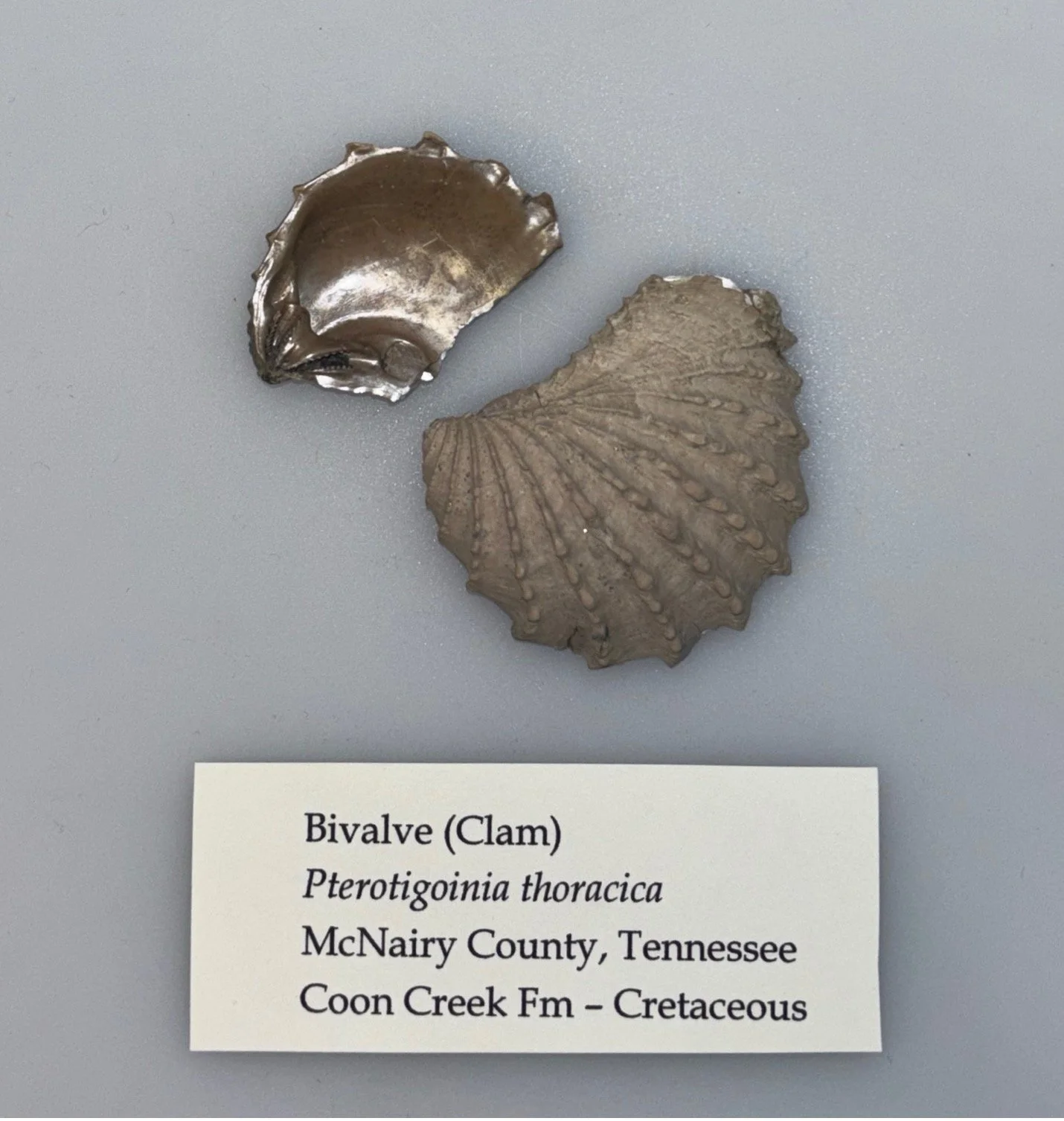
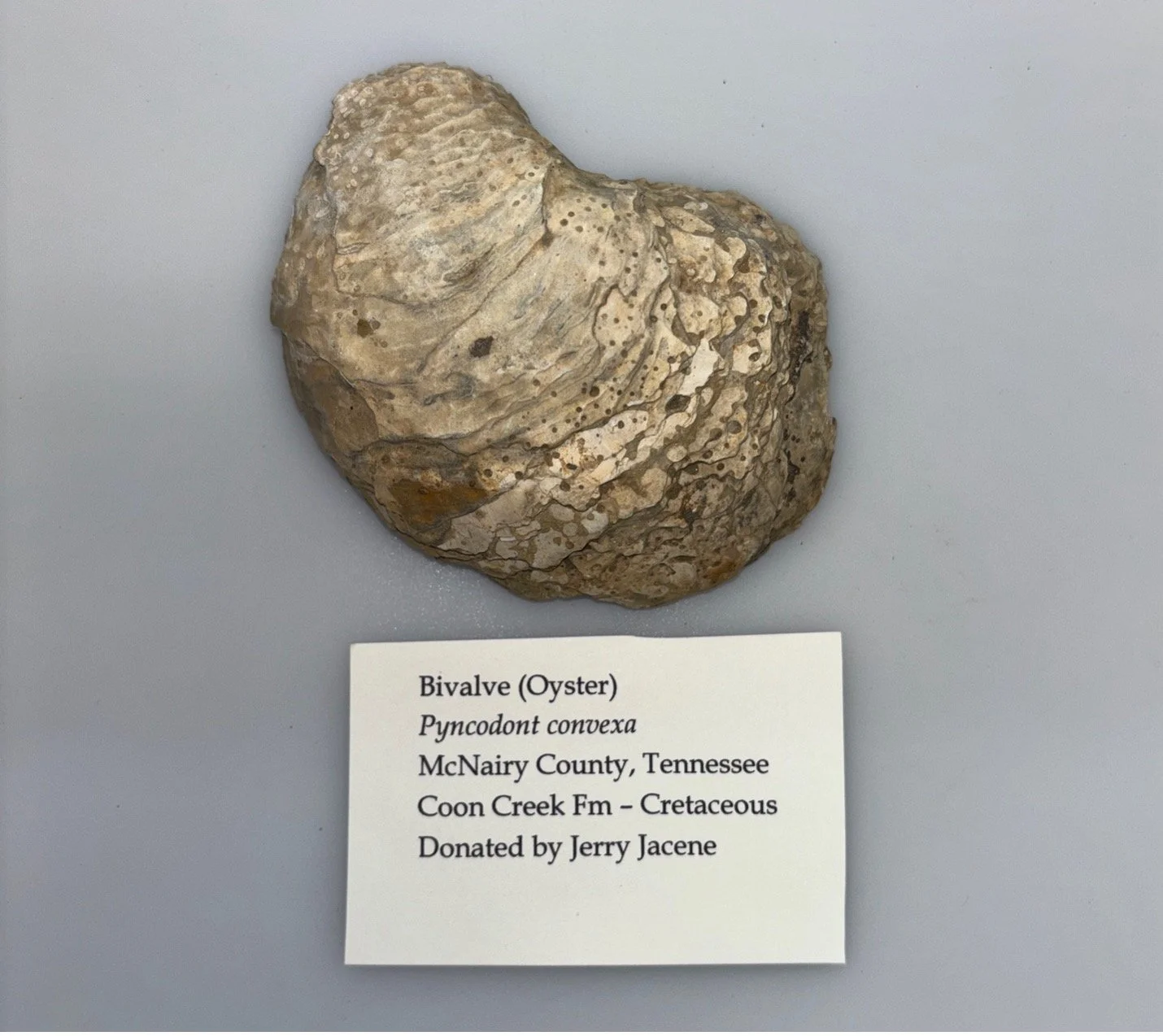
Bivalves are aquatic soft-bodied invertebrates who typically live inside a vertically symmetrical two-halved shell. They are similar to brachiopods, who are symmetrical both laterally and vertically, but the two are not actually very closely related. Today, bivalves vastly outnumber brachiopods, but during earlier periods, the inverse was true.
Bivalves are more mobile than they look, often burying themselves in sediment with the help of a muscular organ called a ‘foot’, and some can even swim by clapping their shell open and closed. Their shells have historically been used as jewelry, tools, and even money in certain cultures.


Ammonites (Devonian – Cretaceous)
At some point, most everyone has seen the fossil of an ammonite, perhaps thinking it was some kind of fossil snail shell. However, Ammonites were not gastropods, but cephalopods. Essentially a type of shelled squid, Ammonites and their cousins nautiloids populated the ancient seas eating small, slow moving organisms like plankton or jellyfish. Ammonites went extinct during the K-Pg extinction event, the same that killed the non-avian dinosaurs, alongside many other shallow water marine creatures due to chain reactions of the asteroid strike. The Ammonite’s still-living relative, the Nautilus, survived this extinction event thanks to its much deeper ocean habitat which was less effected by the issues on the surface.
Fossilization:
Ammonites are much beloved fossils for collectors, often cut down the middle and displayed in pairs as the empty chambers of the shell can fill with beautiful minerals. Ammonites can be mineralized with pyrite, agate, calcite, and even opal. Opalized Ammonites are nicknamed ‘Ammolites’.
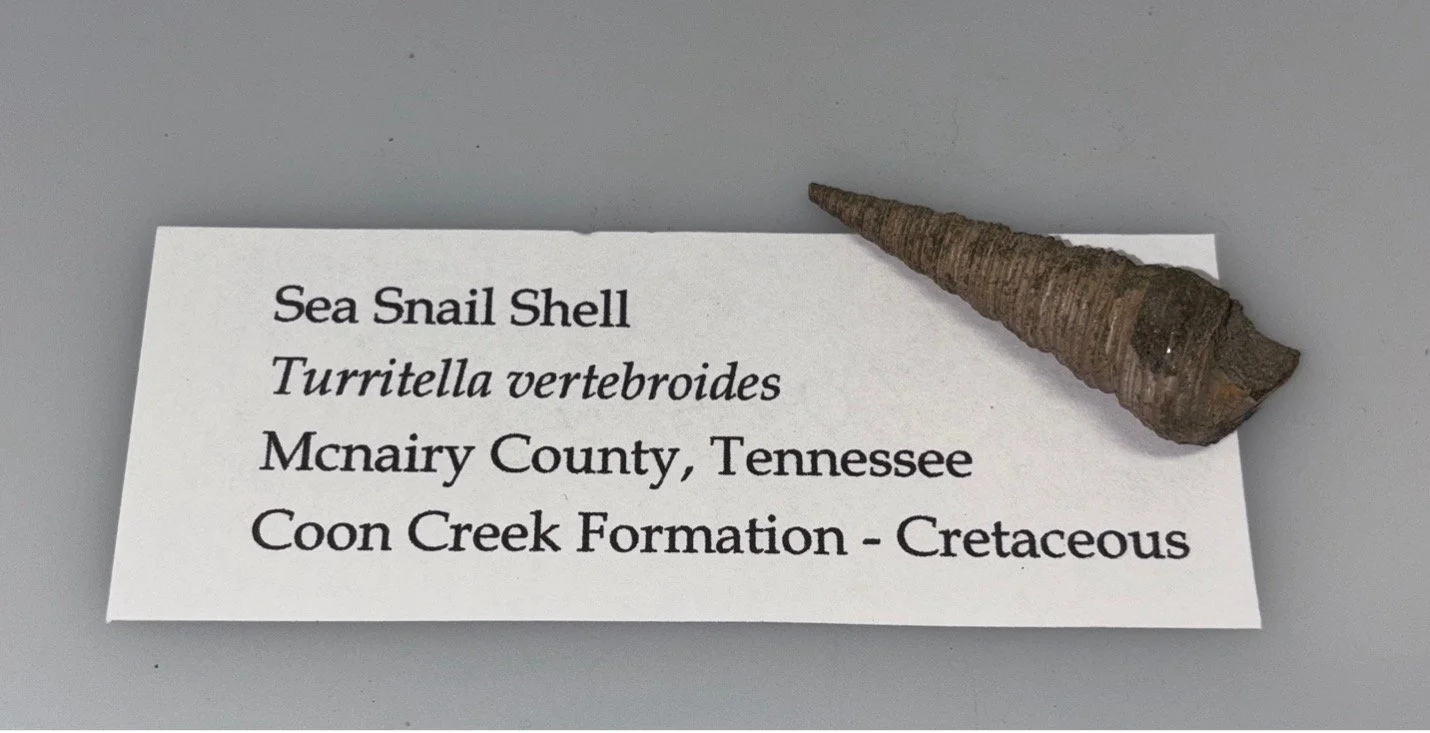
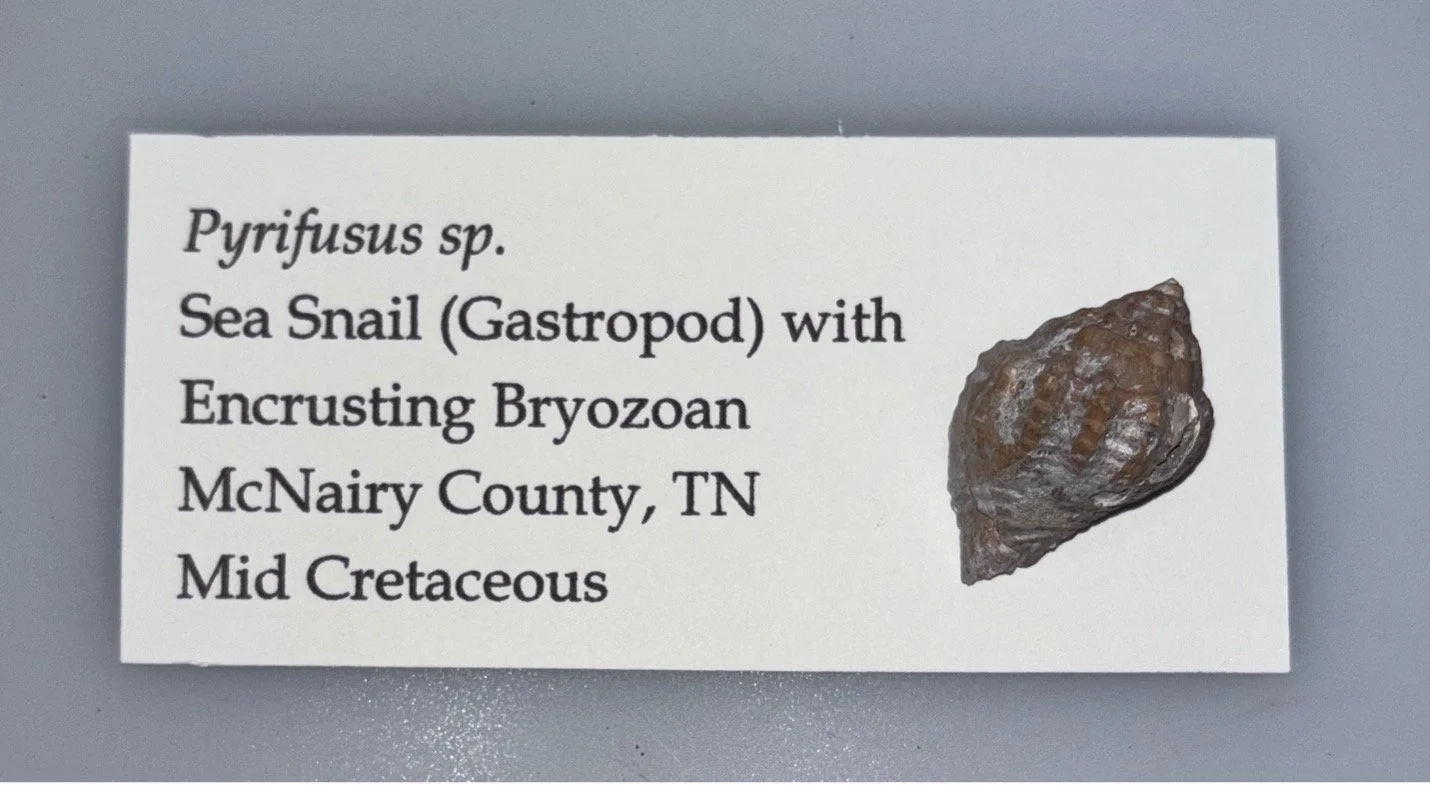
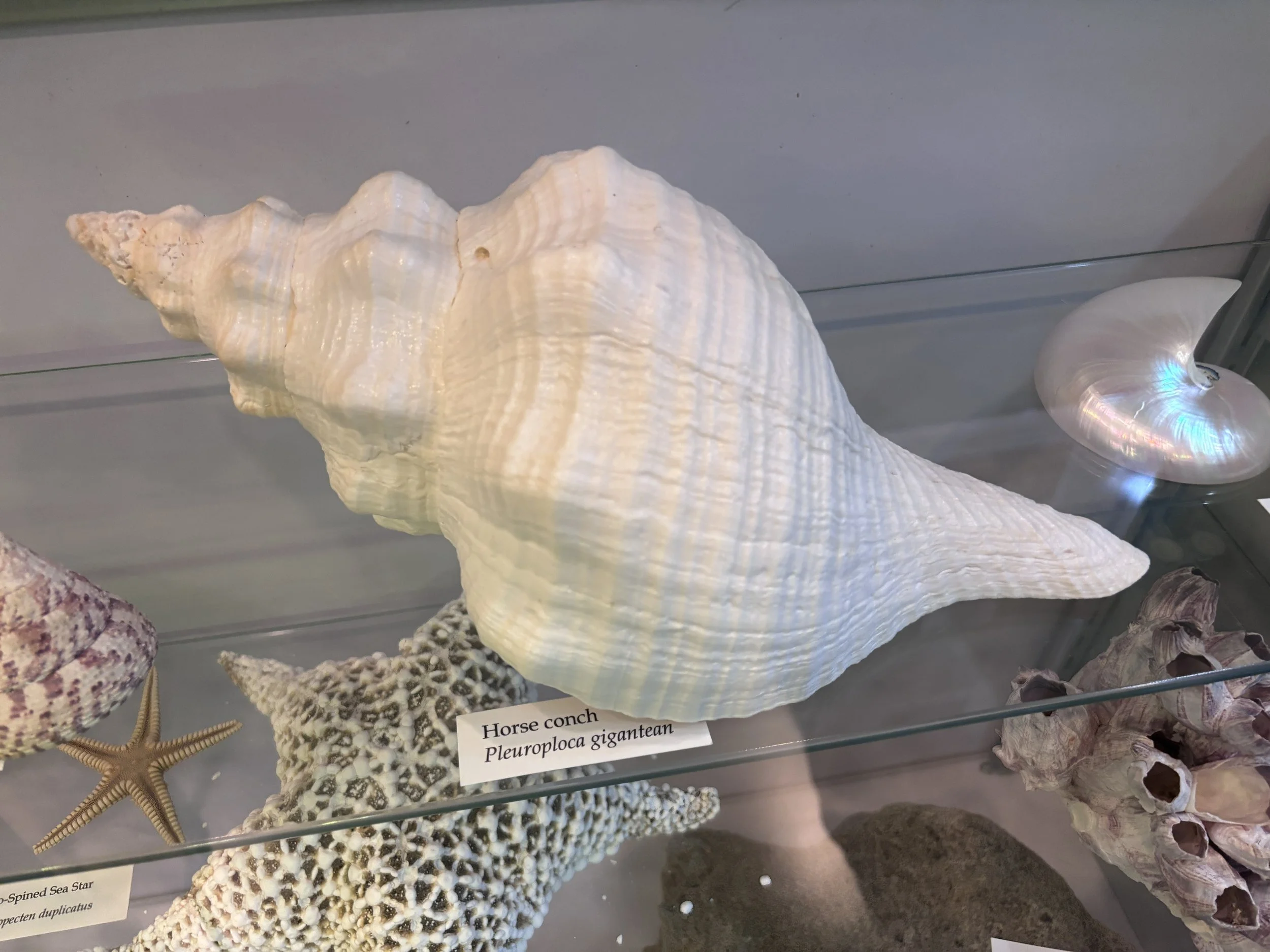
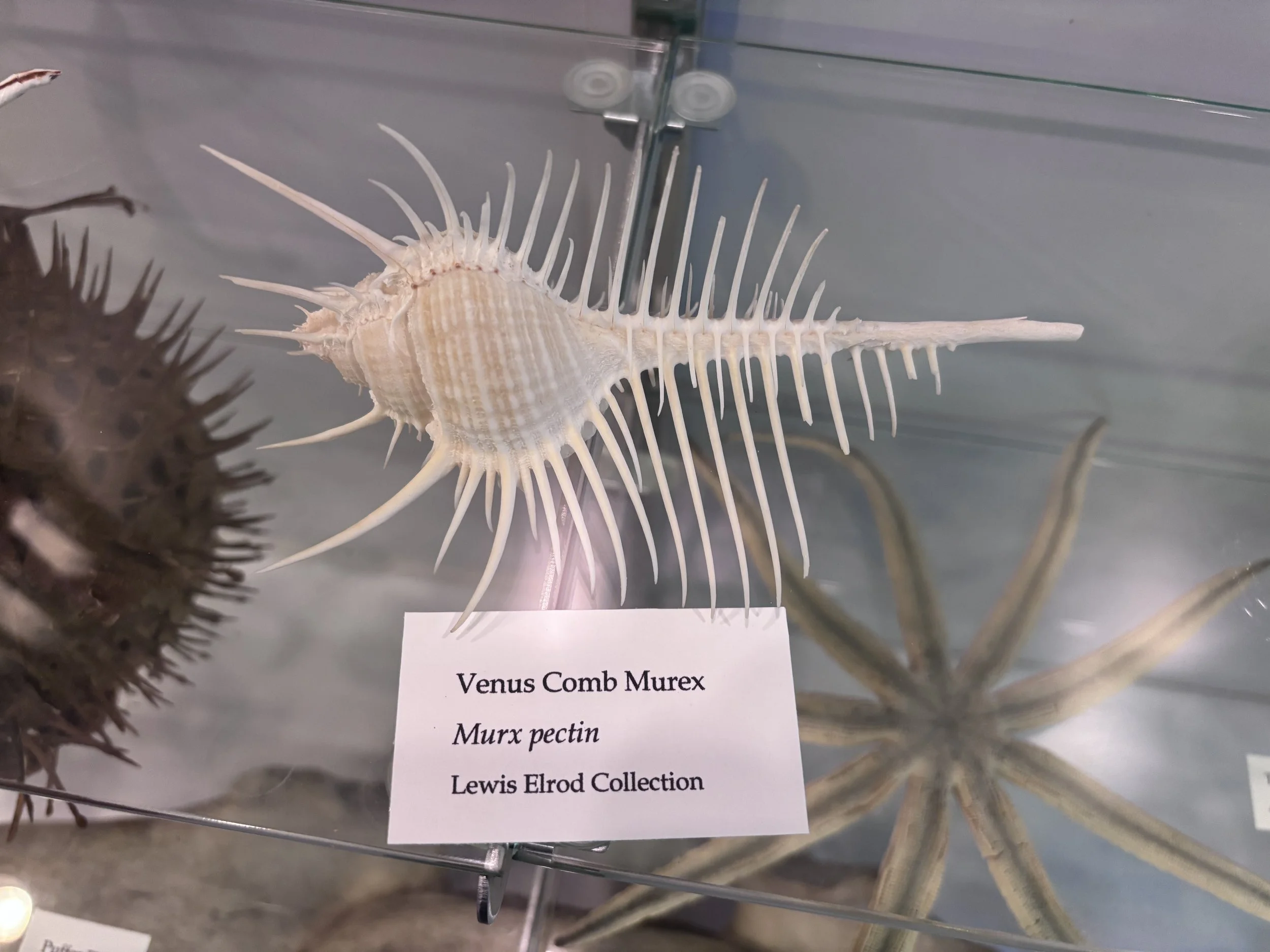
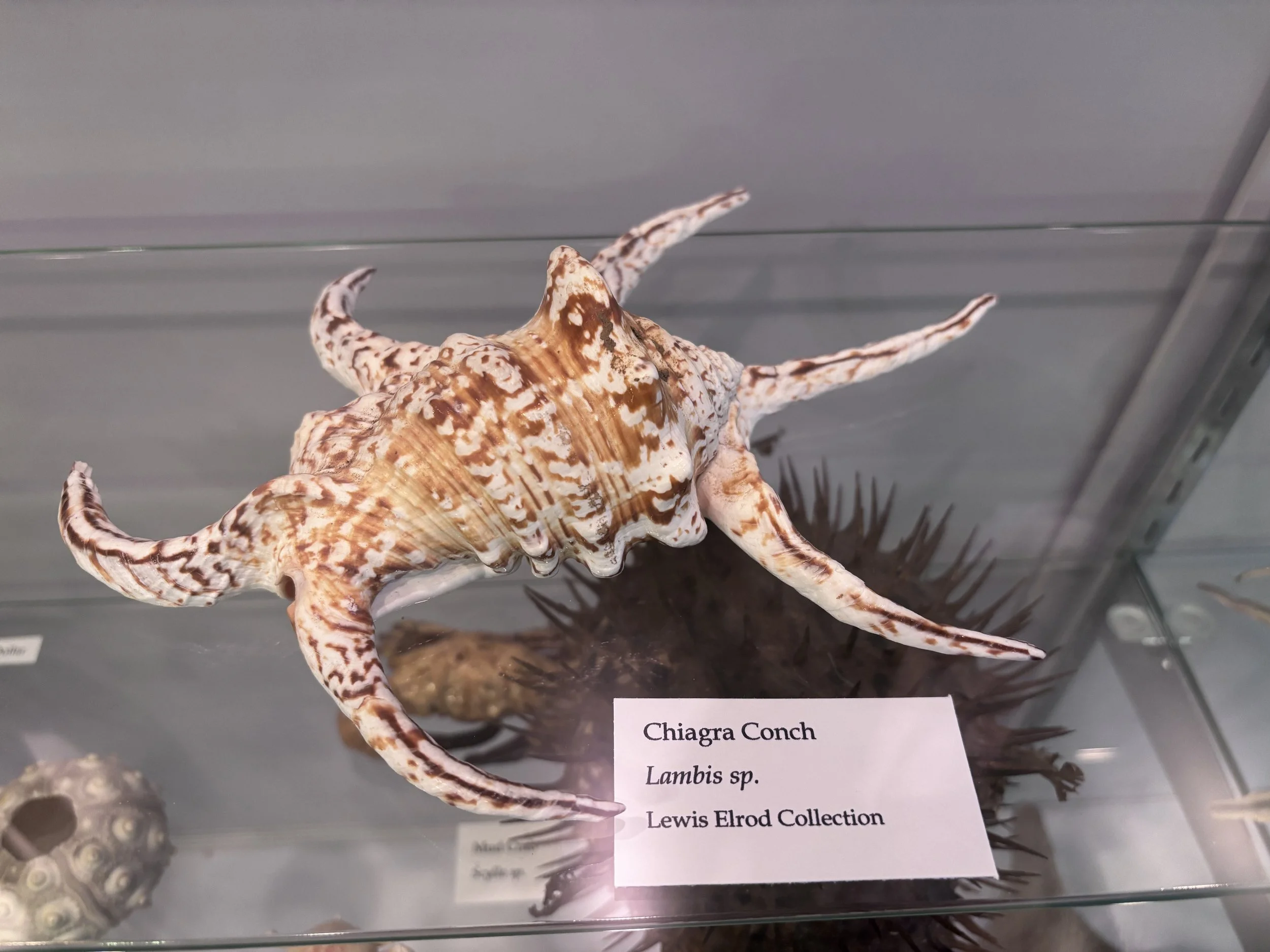
Gastropods (Late Cambrian – Present)
Gastropods are a class of soft-bodied invertebrates and are members of the phylum Mollusca, including things like snails and slugs. Gastropods have been around since almost the beginning of the fossil record, developing all the way back in the oceans of the Cambrian Period (485- 541 million years ago). Gastropod bodies are simple but highly adaptable, and have diversified far past marine living. Today there are species in the oceans, in rivers, on land, and even on hydrothermal vents.
No results match your search. Try removing a few filters.